Fine Motor Skills Normal Alphabet Worksheets for Ages 6-9 - Page 3
51 filtered results
-
From - To
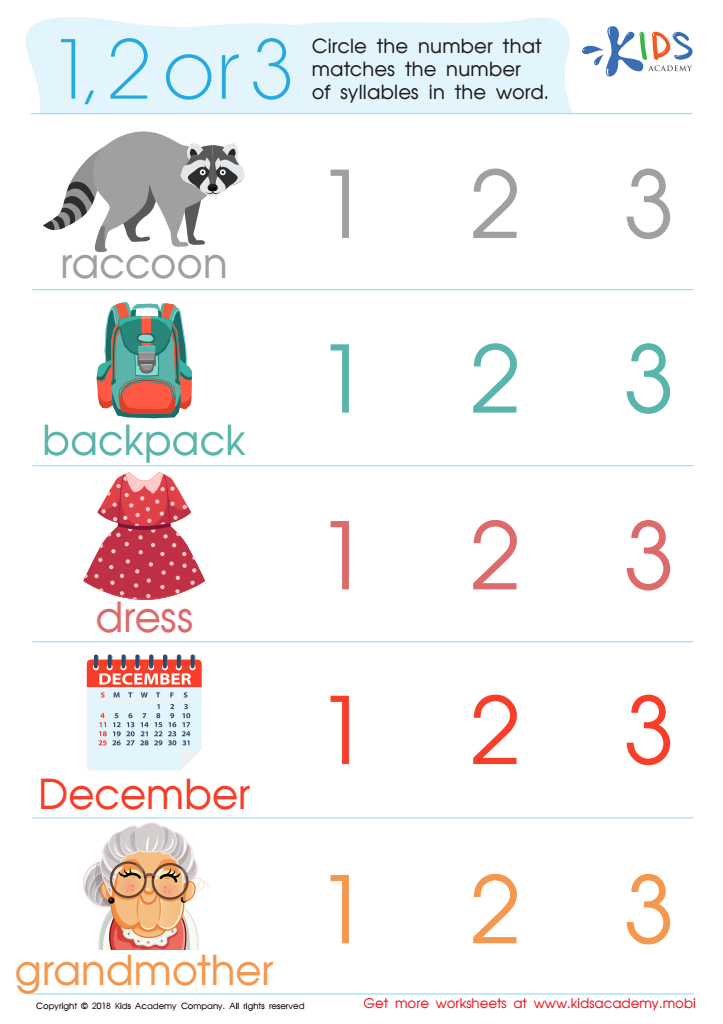
1, 2 or 3? Worksheet
 Assign to My Students

Letter D Tracing Page
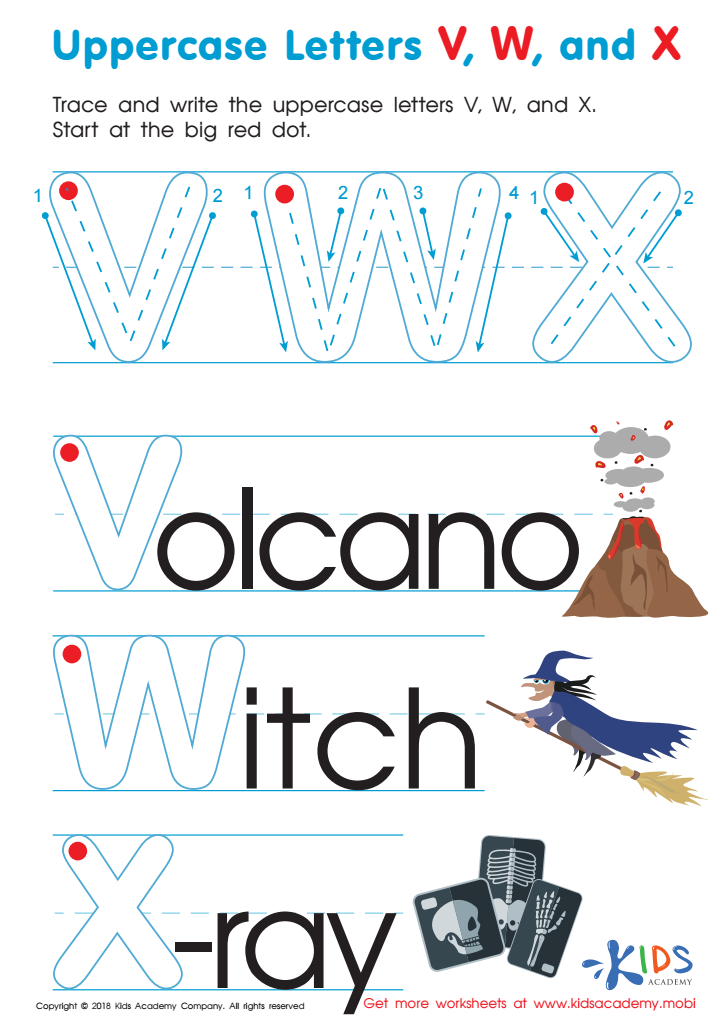
Uppercase Letters V, W, and X Worksheet





.jpg)


Fine motor skills are crucial for children's development, especially for those aged 6-9, as they lay the foundation for essential tasks they'll encounter in school and daily life. At this age, children begin to refine their ability to manipulate small objects, write, and perform tasks that require precision, which is a direct reflection of the development of their fine motor skills.
Parents and teachers should care about these skills because they significantly impact academic performance and self-sufficiency. Mastery of fine motor skills enables children to write legibly, use scissors efficiently, and engage in art and crafts, all of which contribute to improved confidence and creativity. Additionally, strong fine motor abilities can prevent frustration in learning environments, leading to a more positive educational experience.
Moreover, fine motor development is linked to cognitive growth. Activities that enhance these skills, such as drawing or building with blocks, stimulate brain function and problem-solving abilities. Monitoring and supporting this aspect of development ensures that children are prepared for more complex tasks in the future, promoting independence and enhancing their overall learning journey. By prioritizing fine motor skills, parents and teachers equip children for success in both academic and social arenas.







