Vocabulary development Normal Alphabet Worksheets for Ages 6-9
13 filtered results
-
From - To
Enhance your child's vocabulary with our engaging Normal Alphabet Worksheets tailored for ages 6 to 9! Designed to make learning fun, these worksheets feature vibrant visuals and interactive activities that encourage kids to explore new words. Each worksheet focuses on enhancing understanding of letters, sounds, and vocabulary through creative exercises. With a perfect blend of educational content and playful design, these resources help children build a strong language foundation while boosting their confidence. Watch your young learners develop essential literacy skills as they master the alphabet and its related vocabulary, setting them up for future success in reading and writing!
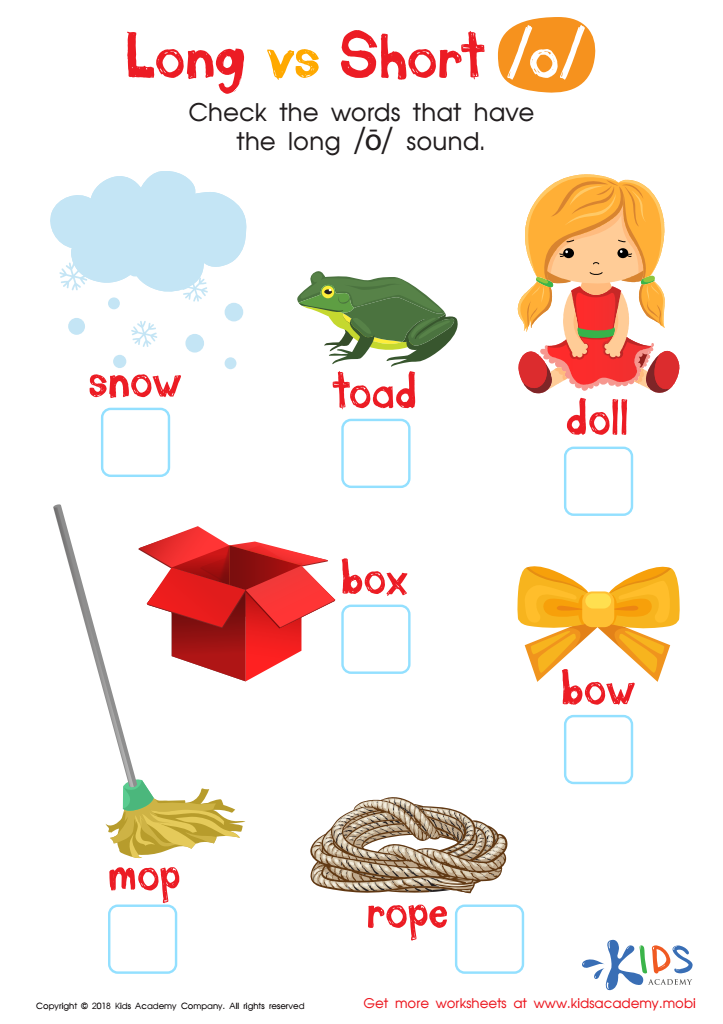
Long vs Short O Reading Worksheet
 Assign to My Students
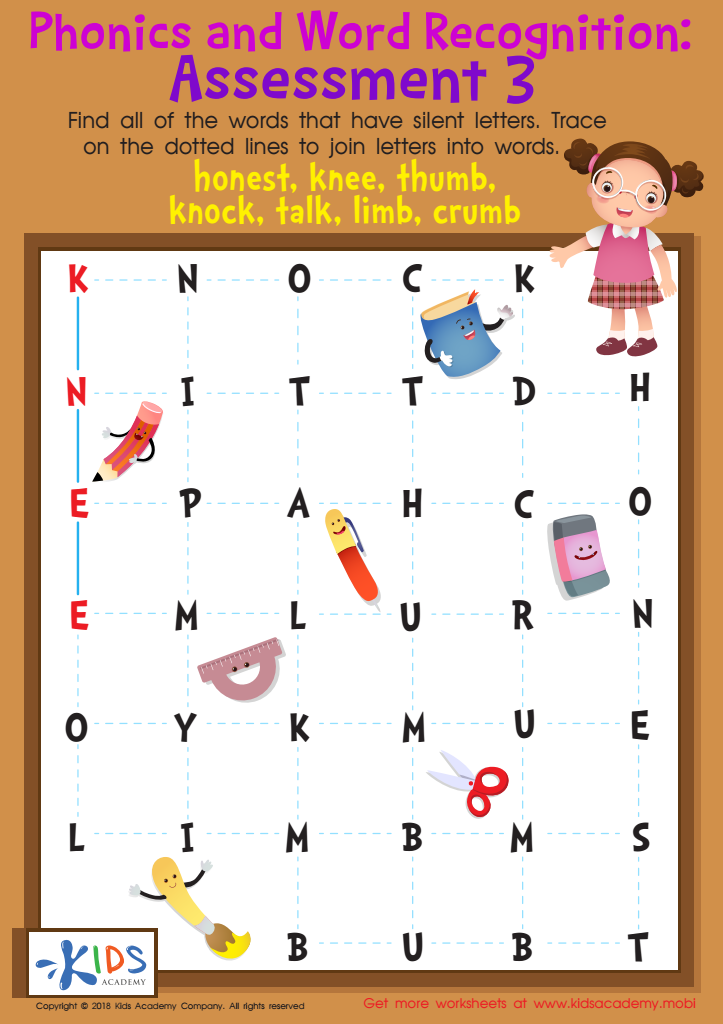
Phonics and Word Recognition: Assessment 3 Worksheet
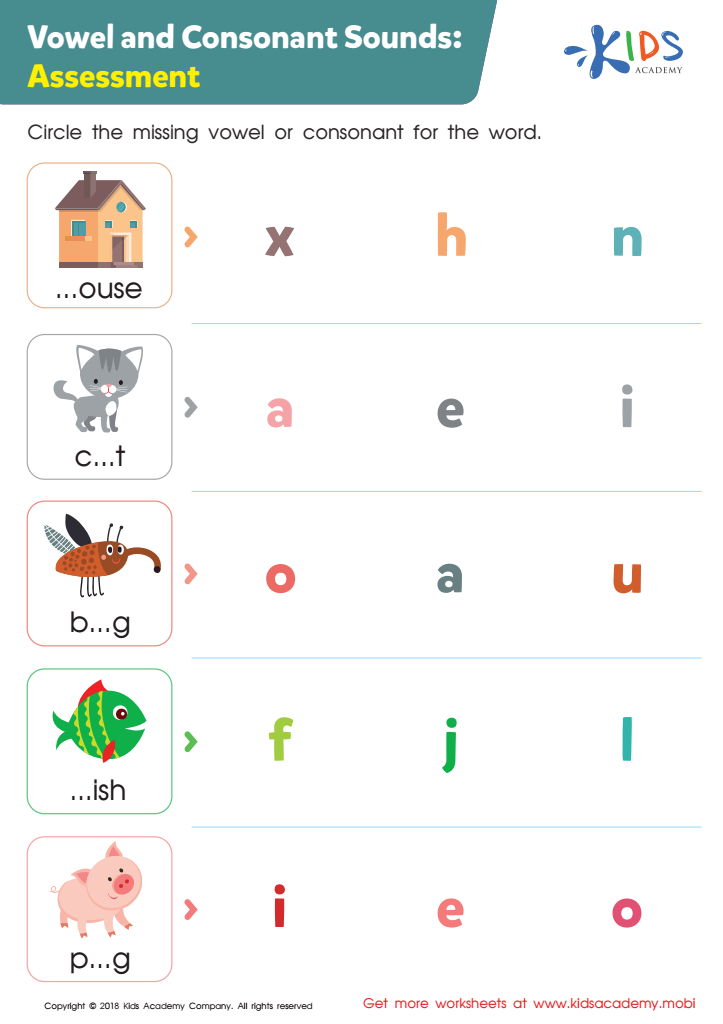
Vowel and Consonant Sounds: Assessment Worksheet
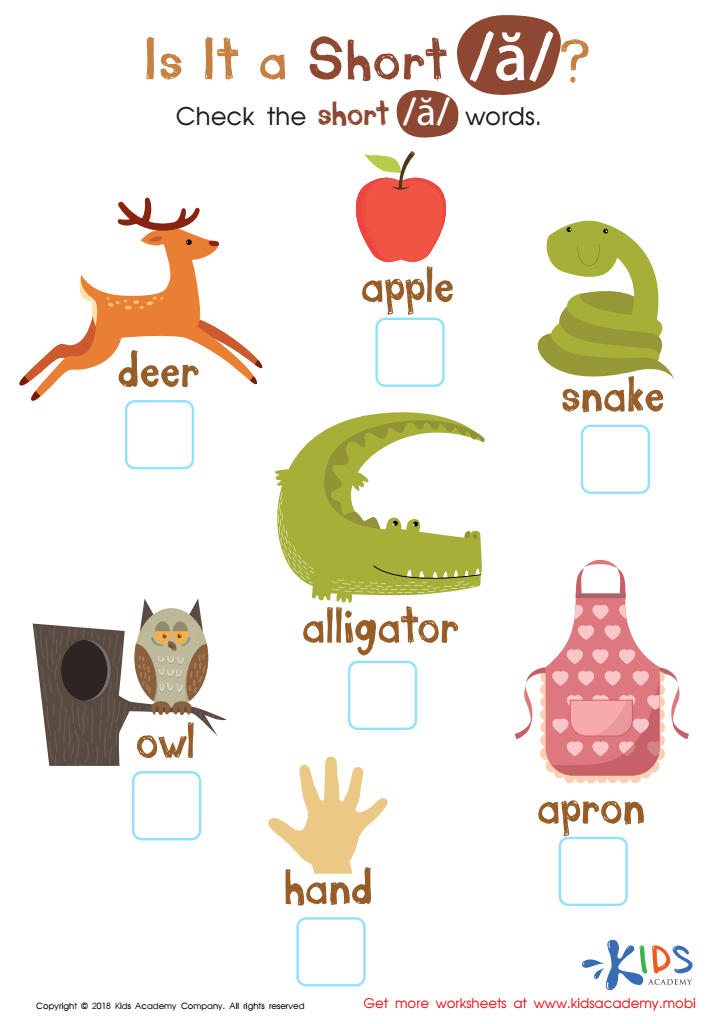
Is It Short A? Reading Worksheet
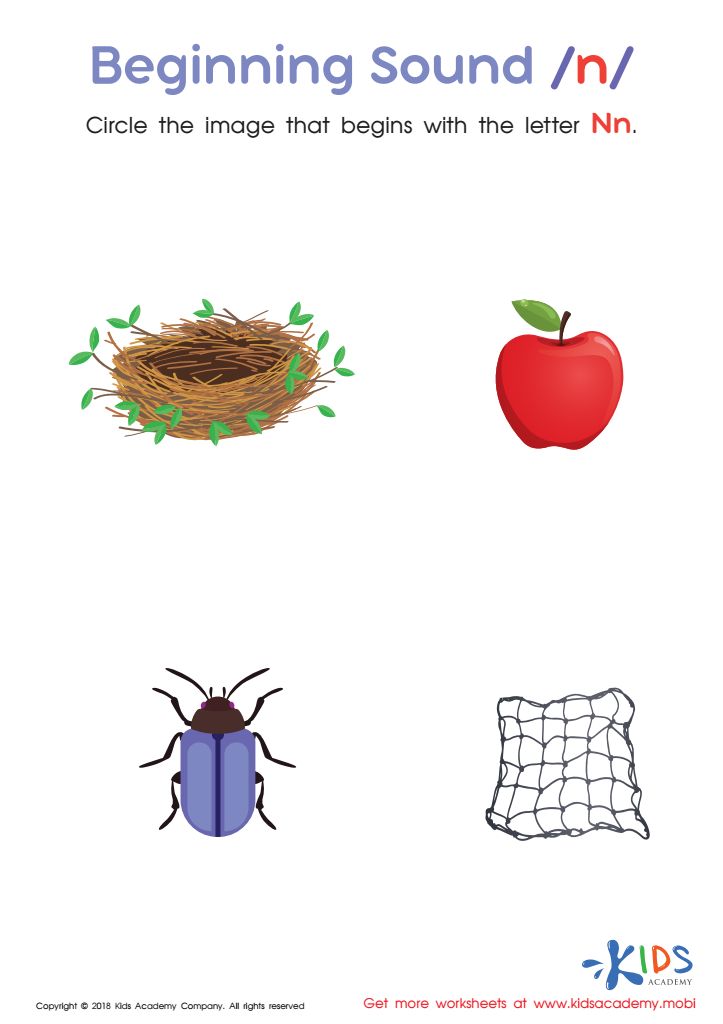
Beginning Sound «n» Worksheet
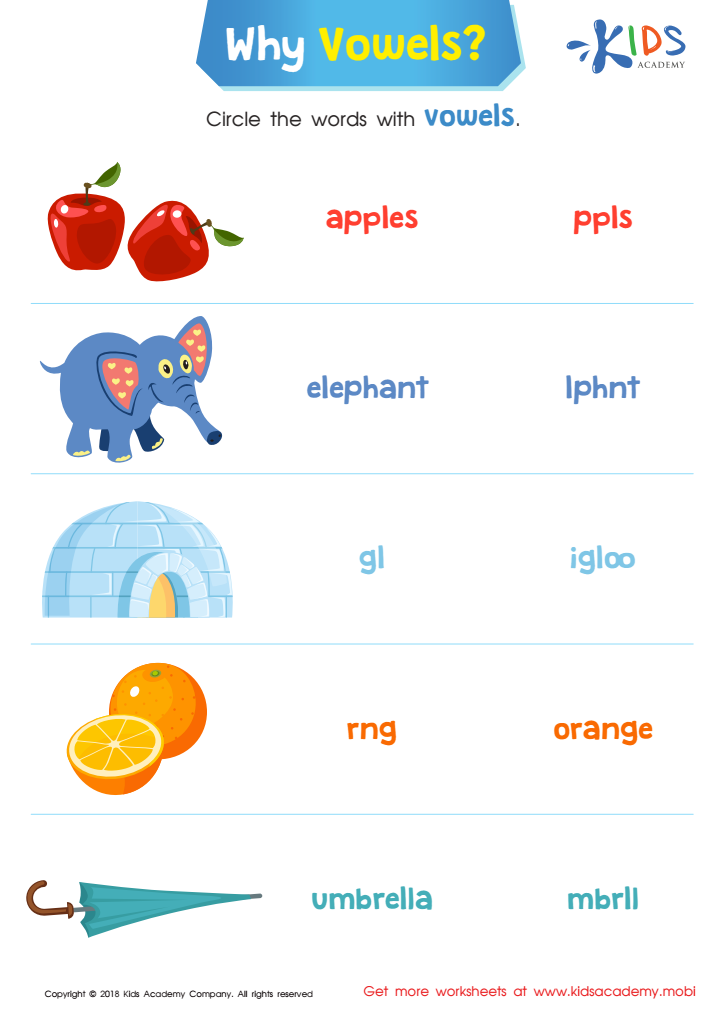
Why Vowels? Reading Worksheet
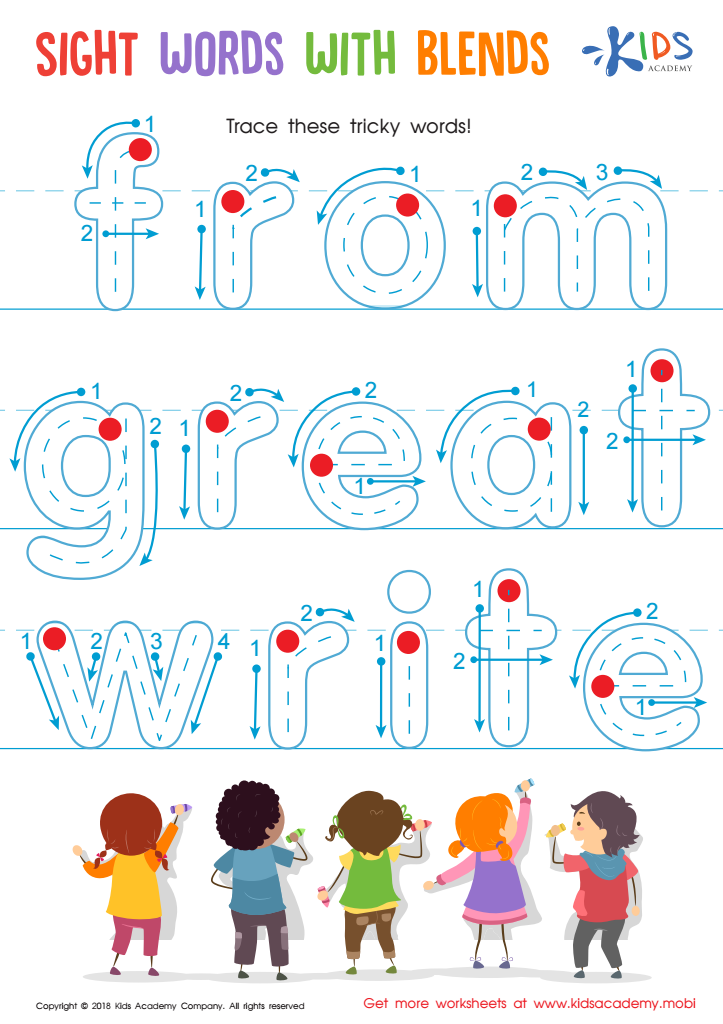
Sight Words with Blends Worksheet
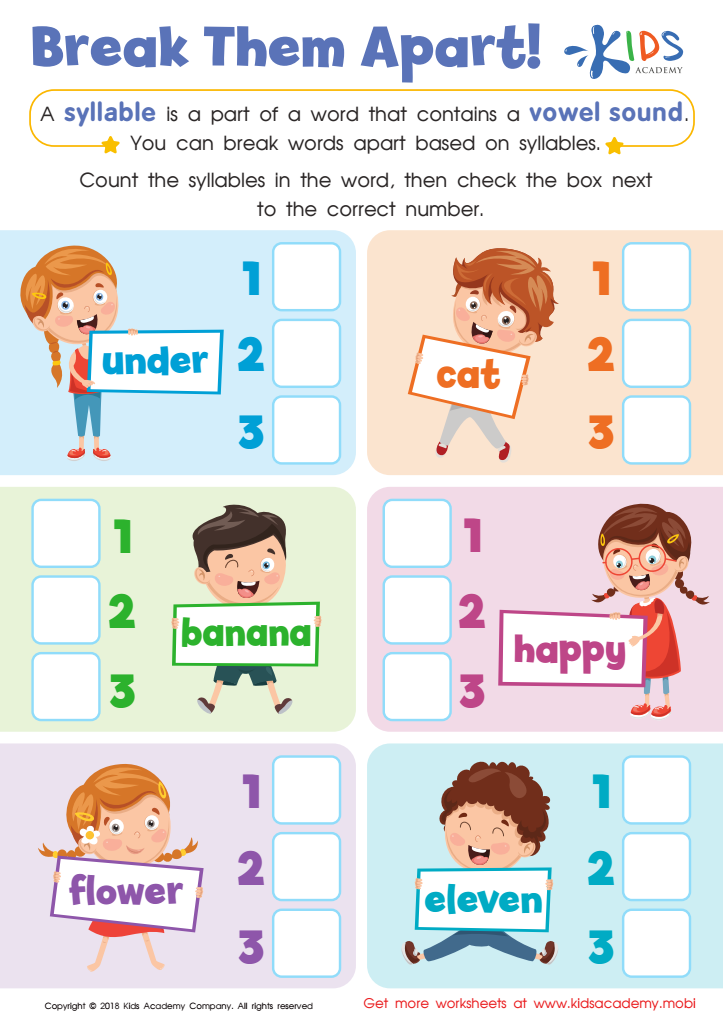
Reading: Break Them Apart Worksheet
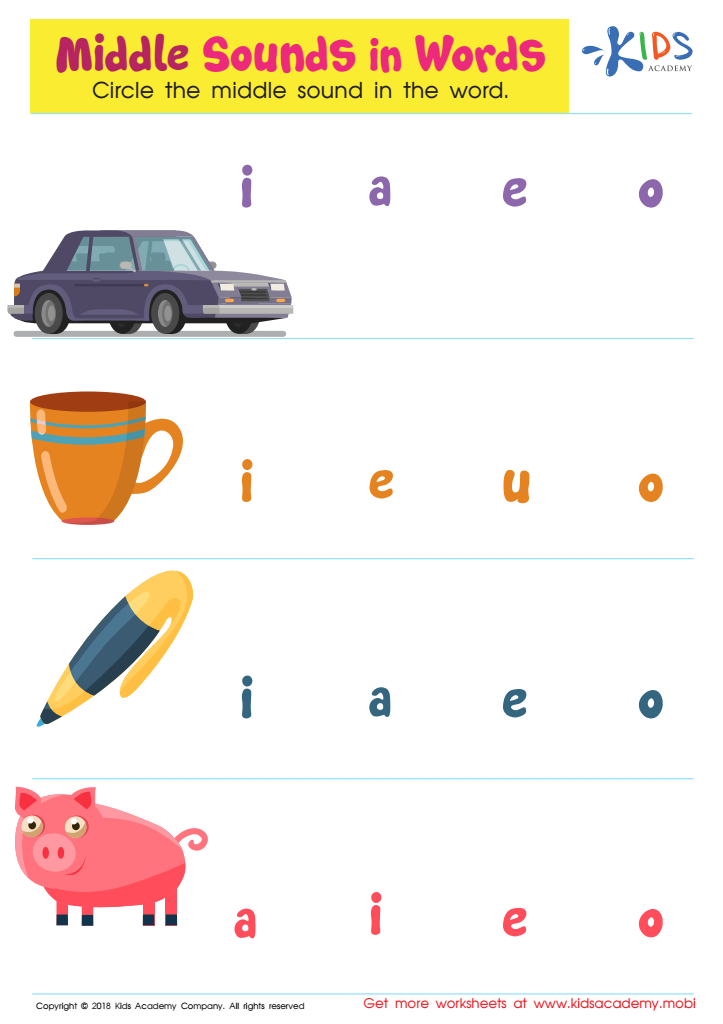
Middle Sounds in Words Worksheet
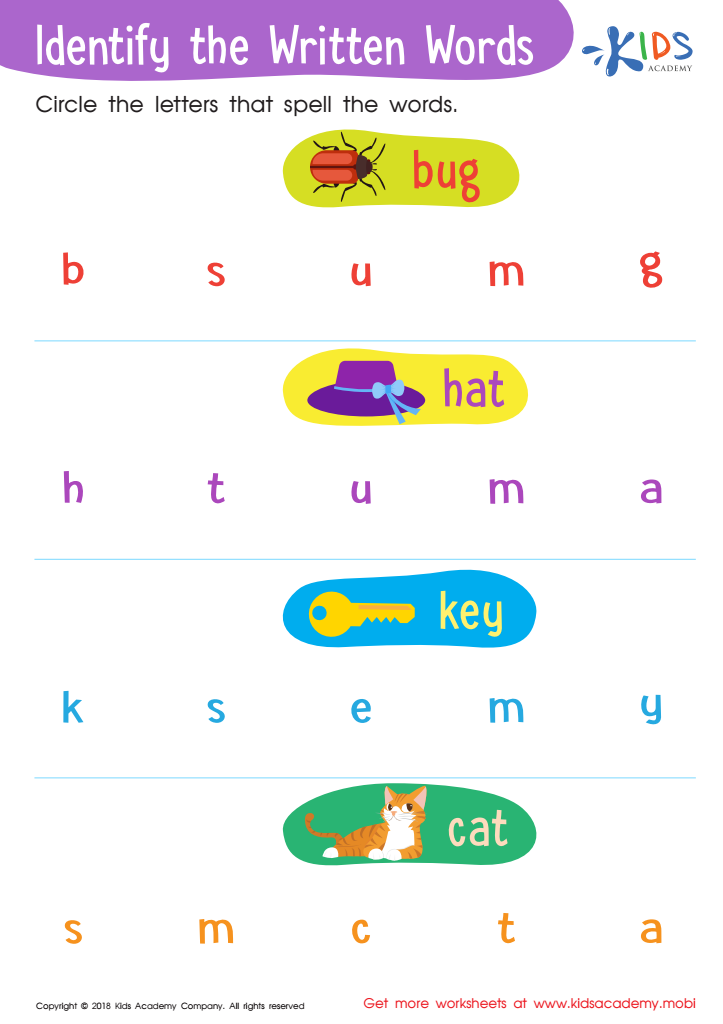
Identify the Written Words Worksheet
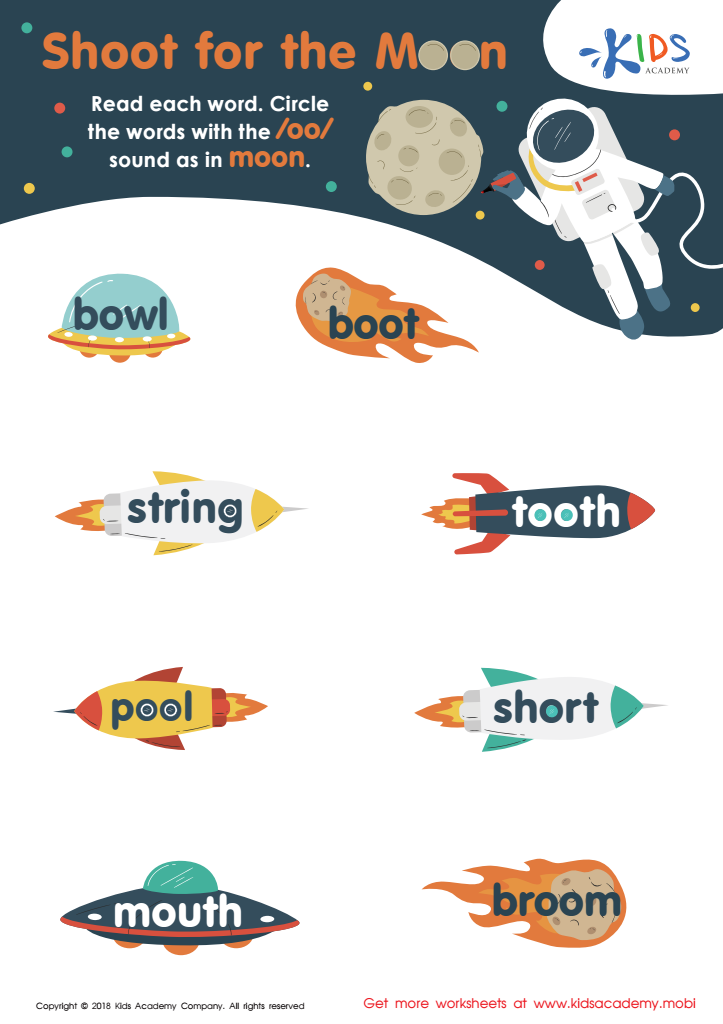
Reading: Shoot for the Moon Worksheet
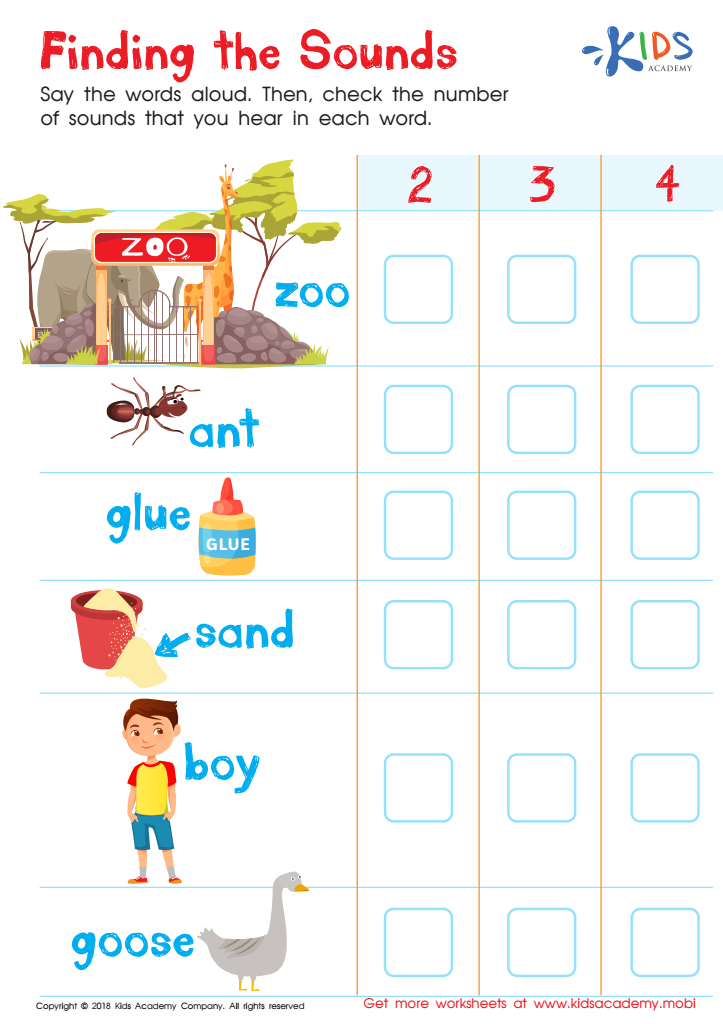
Finding the Sounds Worksheet
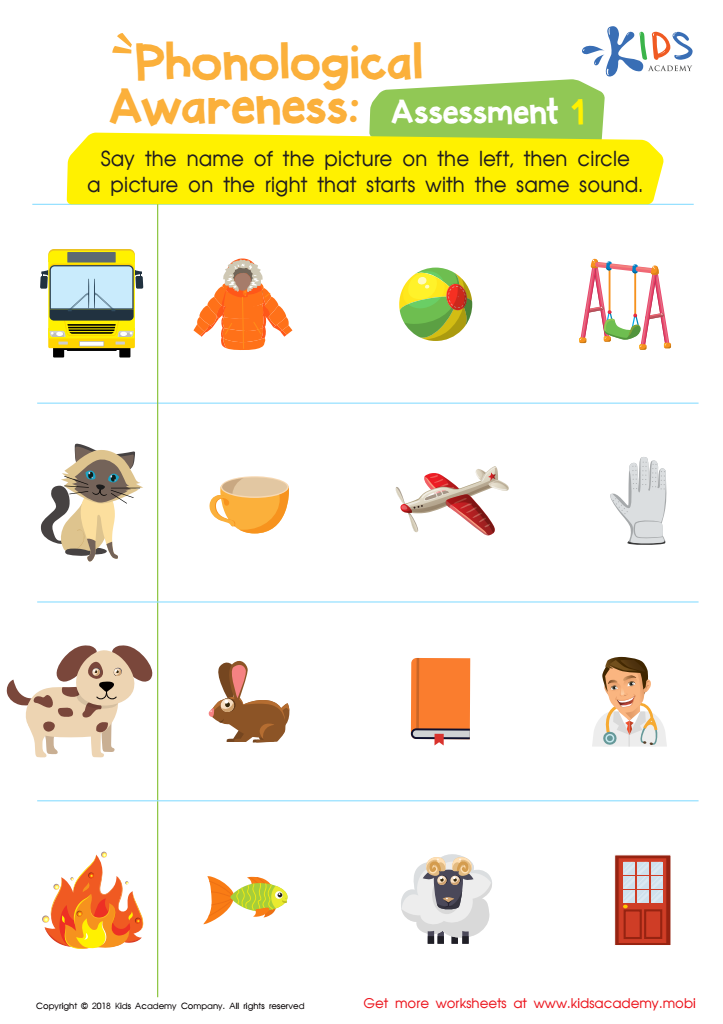
Phonological Awareness: Assessment 1 Worksheet








Vocabulary development is crucial for children ages 6-9, as it lays the foundation for effective communication, comprehension, and overall academic success. During this stage, children rapidly expand their understanding of language, and a rich vocabulary enhances their ability to express thoughts, ideas, and emotions clearly.
Parents and teachers should care about vocabulary development because a strong vocabulary correlates with reading fluency and comprehension skills. Children with a well-developed vocabulary are better equipped to understand content across subjects, which leads to improved performance in school. Furthermore, vocabulary knowledge fosters critical thinking and cognitive development, enabling children to explore and engage more deeply with their environments.
Additionally, vocabulary influences social interactions. Children who can articulate their ideas and feelings are more likely to build friendships and collaborate effectively with peers. Teachers can leverage vocabulary-building activities in the classroom, while parents can incorporate vocabulary-rich conversations at home, reinforcing learning and making it fun.
Investing in vocabulary development not only supports a child's current academic endeavors but also sets them on a path toward lifelong learning and success in any future pursuits. Therefore, prioritizing vocabulary growth should be a shared goal for both parents and teachers.







