Writing practice Normal Alphabet Worksheets for Ages 6-9
6 filtered results
-
From - To
Our Writing Practice Normal Alphabet Worksheets for Ages 6-9 are meticulously designed to enhance your child's handwriting skills. These engaging practice sheets provide children with ample opportunities to trace and write each letter of the alphabet, promoting fine motor skills and letter recognition. Perfect for young learners, our worksheets combine fun and education to support essential writing foundations. Featuring clear and approachable exercises, these printables create a solid groundwork for fluent reading and writing. Ideal for homeschooling families or supplementary classroom activities, our resources ensure a joyful and productive learning journey for kids. Explore more at Kids Academy!
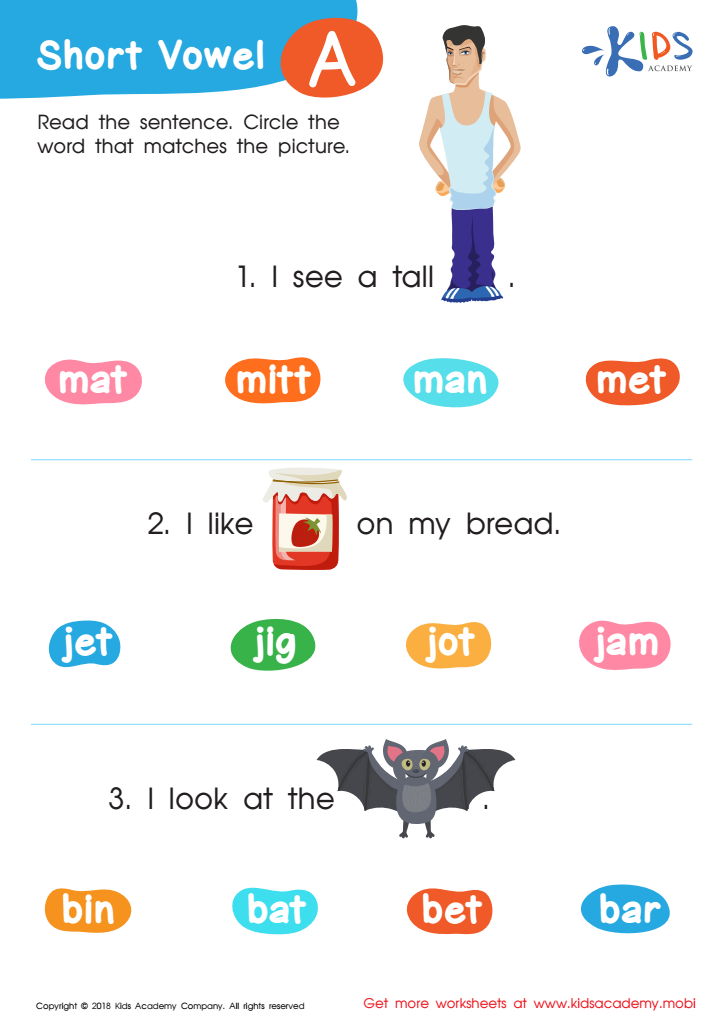
Short Vowel /a/ Worksheet
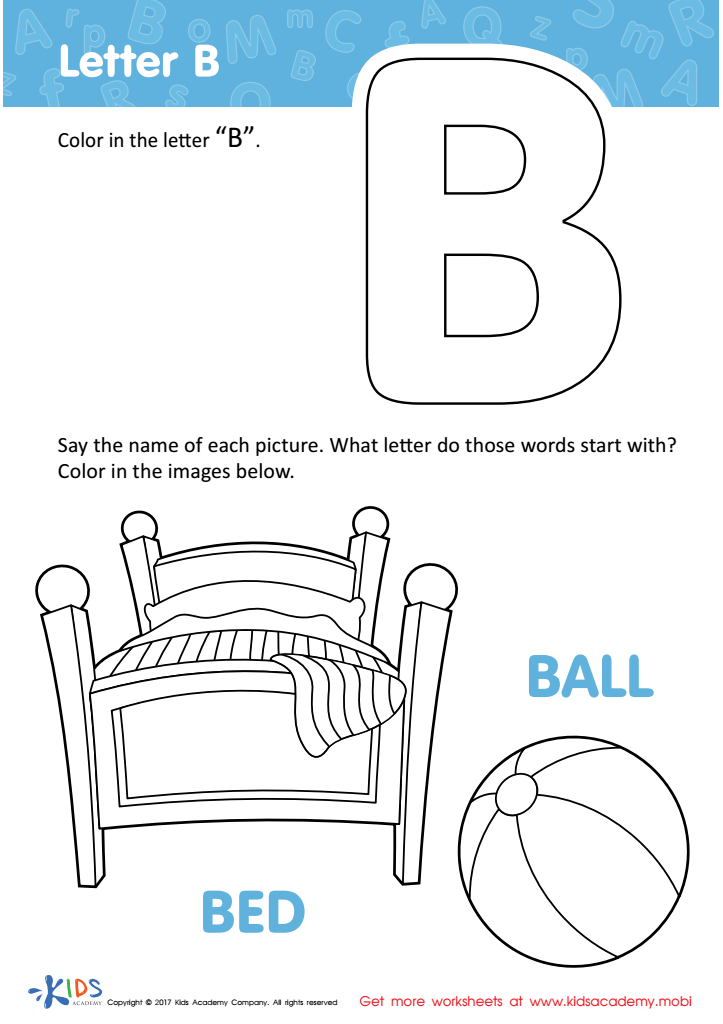
Letter B Coloring Sheet
 Assign to My Students
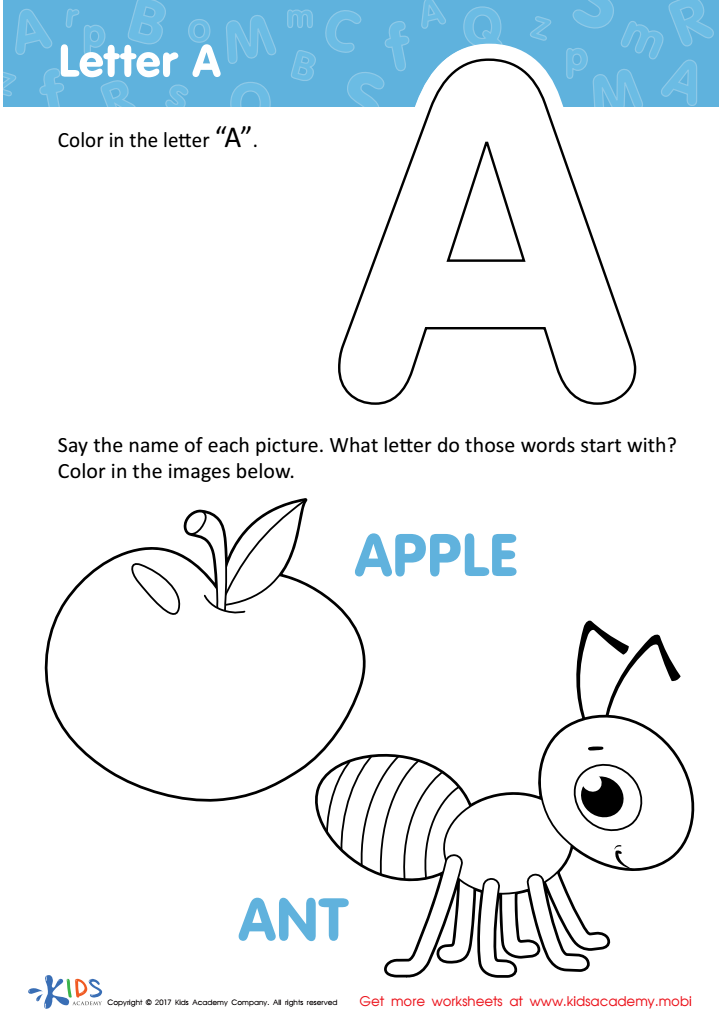
Letter A Coloring Sheet
Assign to My Students
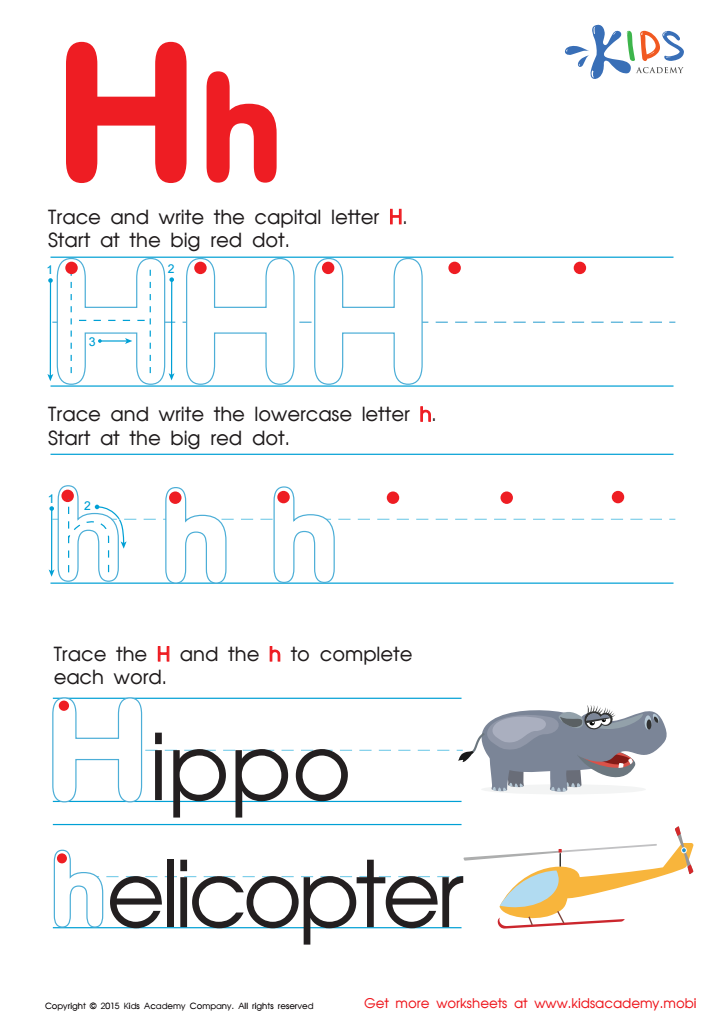
Letter H Tracing Page
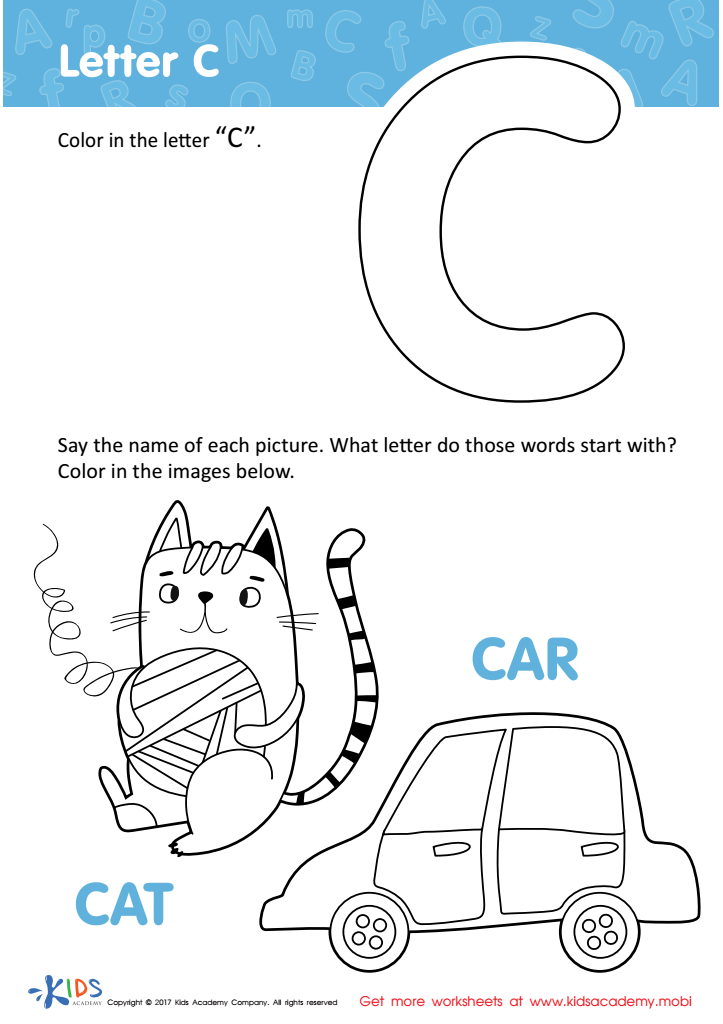
Letter C Coloring Sheet
Assign to My Students
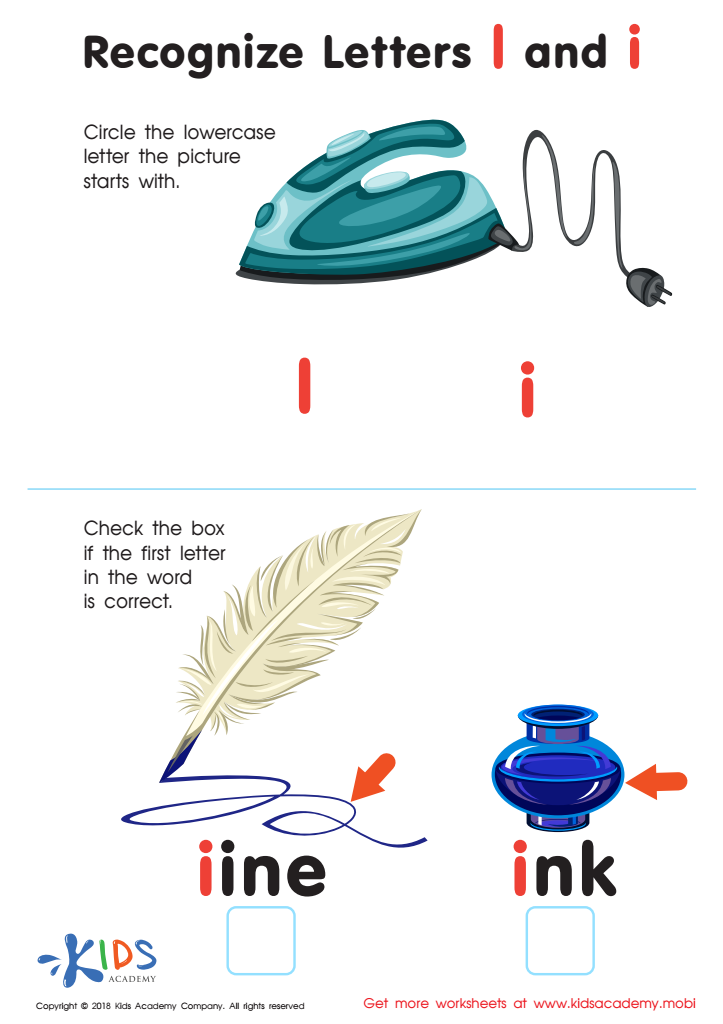
Recognize Letters l and i Worksheet








Parents and teachers must prioritize writing practice for children ages 6-9 because these foundational years are critical for developing essential literacy skills. At this stage, children transition from recognizing letters to forming words and simple sentences, establishing a basis for effective communication and academic success. Writing practice hones fine motor skills, hand-eye coordination, and muscle memory, enabling children to write legibly and efficiently.
As children practice writing the normal alphabet, they internalize the shapes and sounds of letters, which reinforces reading skills. The connection between reading and writing enhances cognitive development and boosts confidence. Moreover, writing exercises stimulate creativity and support emotional expression, providing children with an outlet for their thoughts and feelings.
Writing also aids in memory retention and comprehension, vital for learning other subjects such as math, science, and social studies. Consistent practice instills discipline and patience, critical traits that extend beyond academics. By focusing on writing during these formative years, parents and teachers lay a solid groundwork for future educational achievements, empowering children with the tools they need to succeed. Ensuring regular writing practice is, therefore, an investment in a child's overall development and lifelong love for learning.







