Fine Motor Skills Normal Letter Recognition Worksheets for Ages 6-9
41 filtered results
-
From - To
Enhance your child's fine motor skills and letter recognition with our engaging worksheets designed for ages 6-9. These fun and interactive activities support the development of essential skills while making learning enjoyable. Each worksheet encourages children to practice writing, tracing, and identifying letters, helping to strengthen hand-eye coordination and dexterity. Our resources provide a perfect balance of education and creativity, enabling young learners to build confidence in their literacy abilities. Ideal for parents, educators, and homeschoolers, these worksheets will immerse children in a world of letters, fostering both their cognitive and motor development in a playful way. Start their learning journey today!
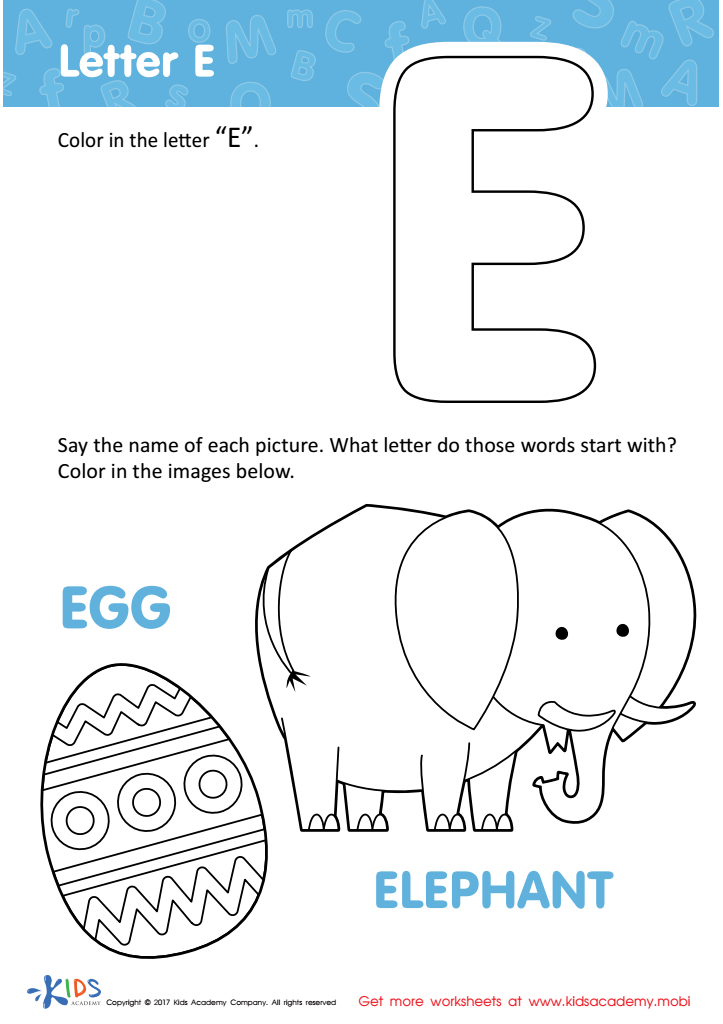
Letter E Coloring Sheet
 Assign to My Students
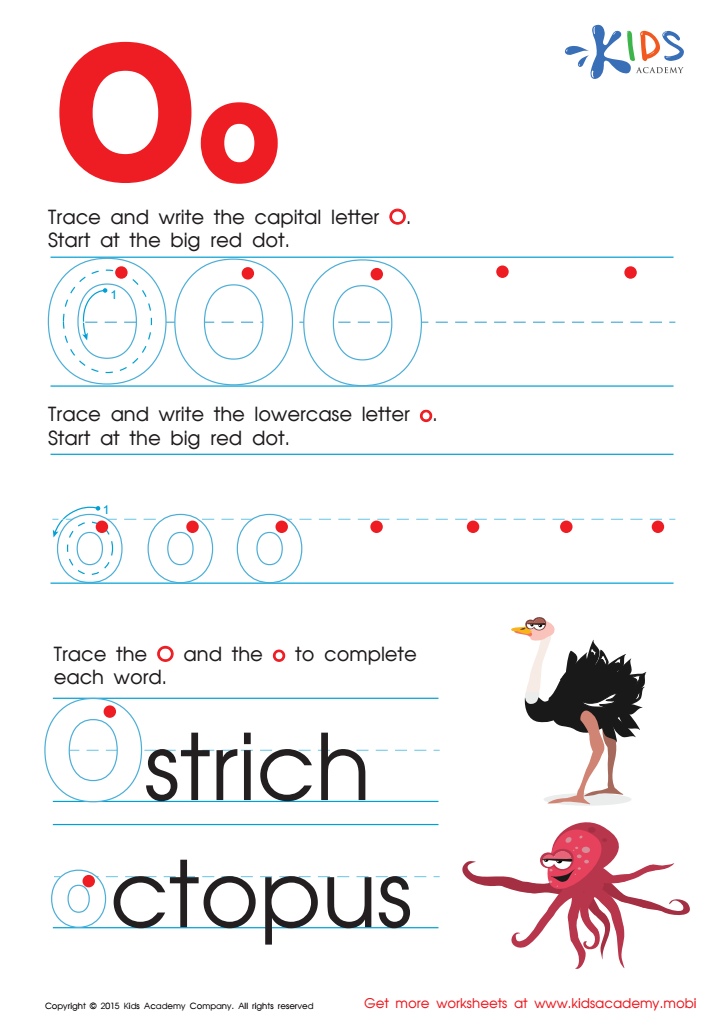
Letter O Tracing Page
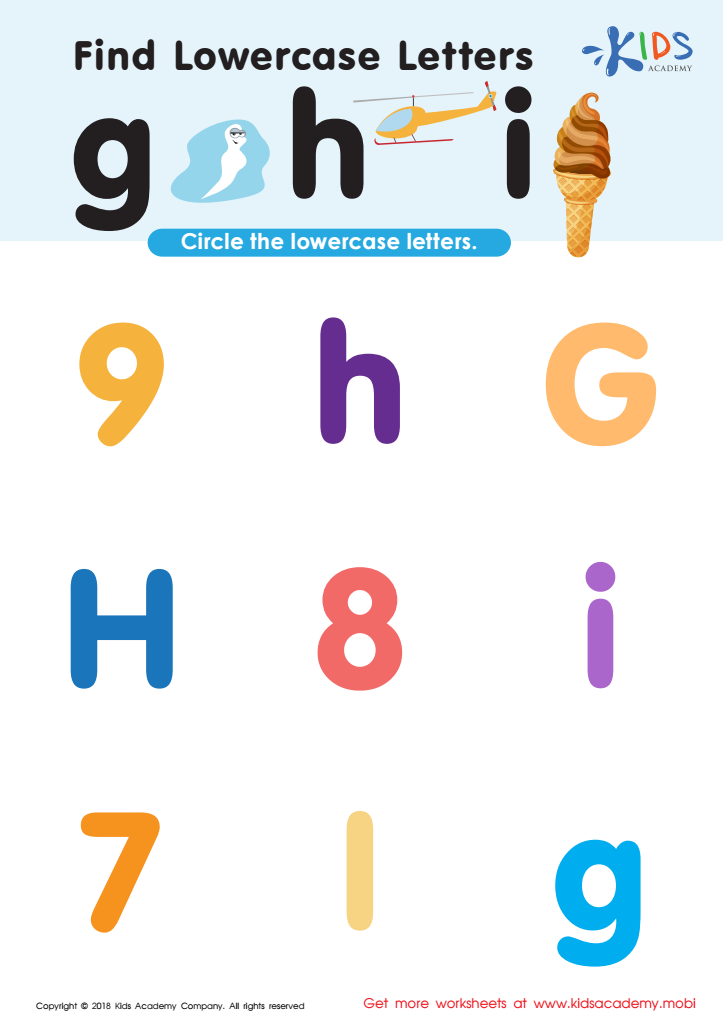
Find Lowercase Letters g h i Worksheet
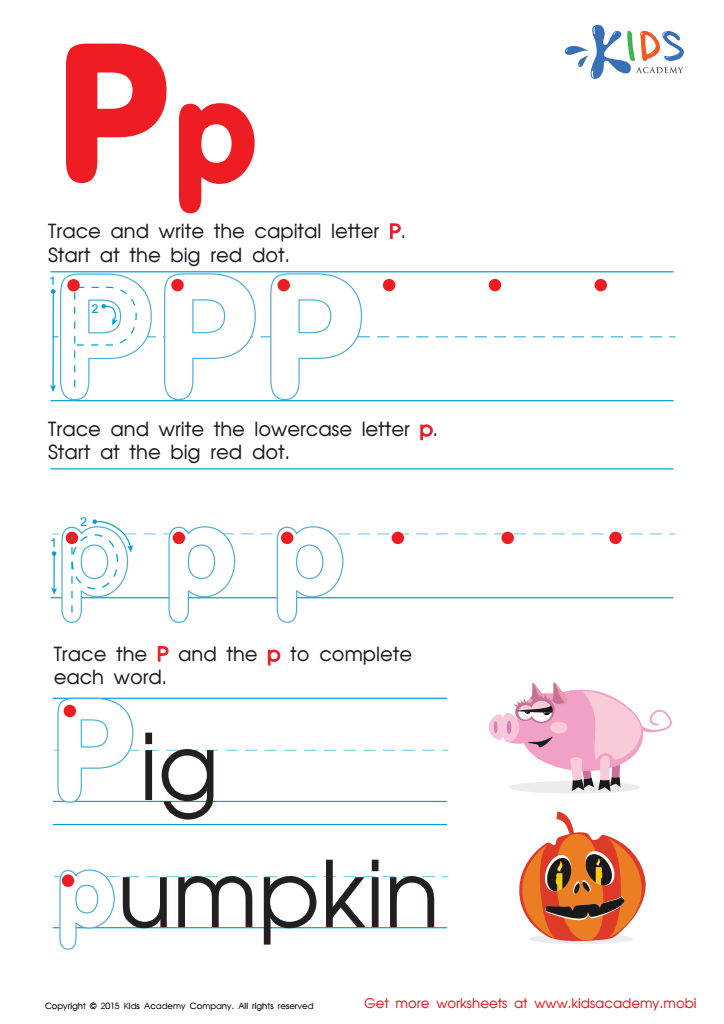
Letter P Tracing Page
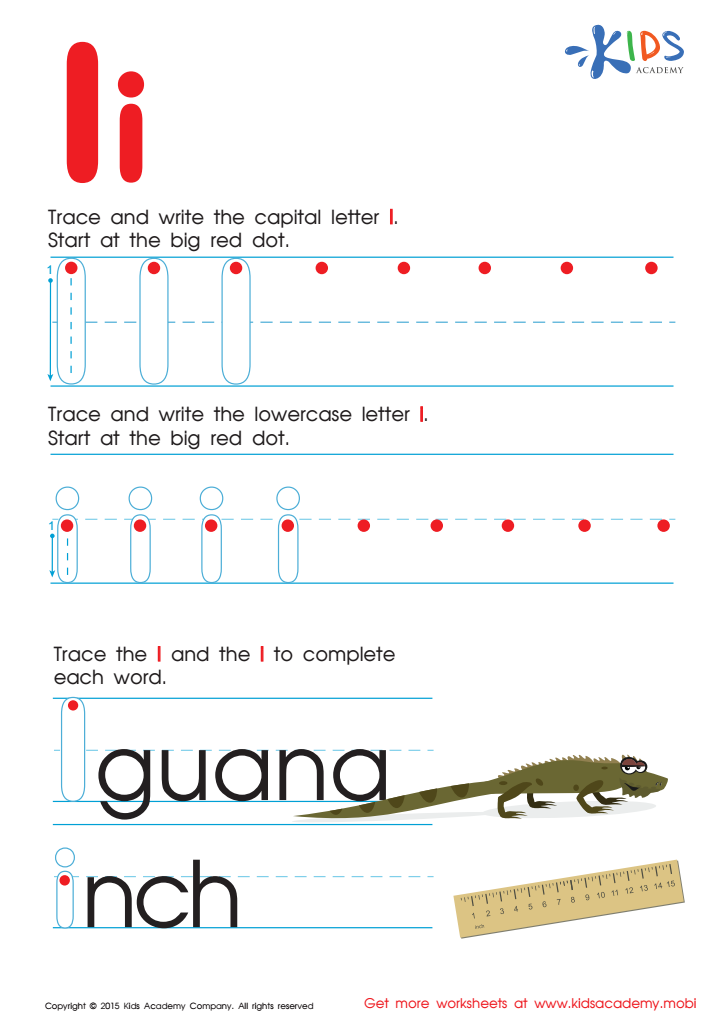
Letter I Tracing Page
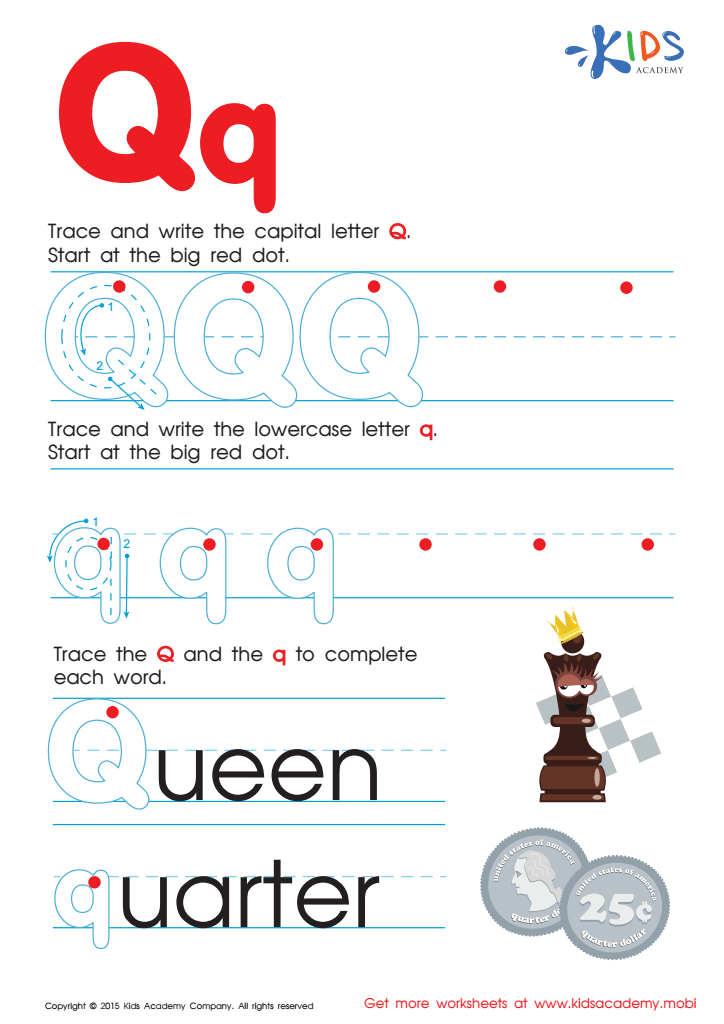
Letter Q Tracing Page
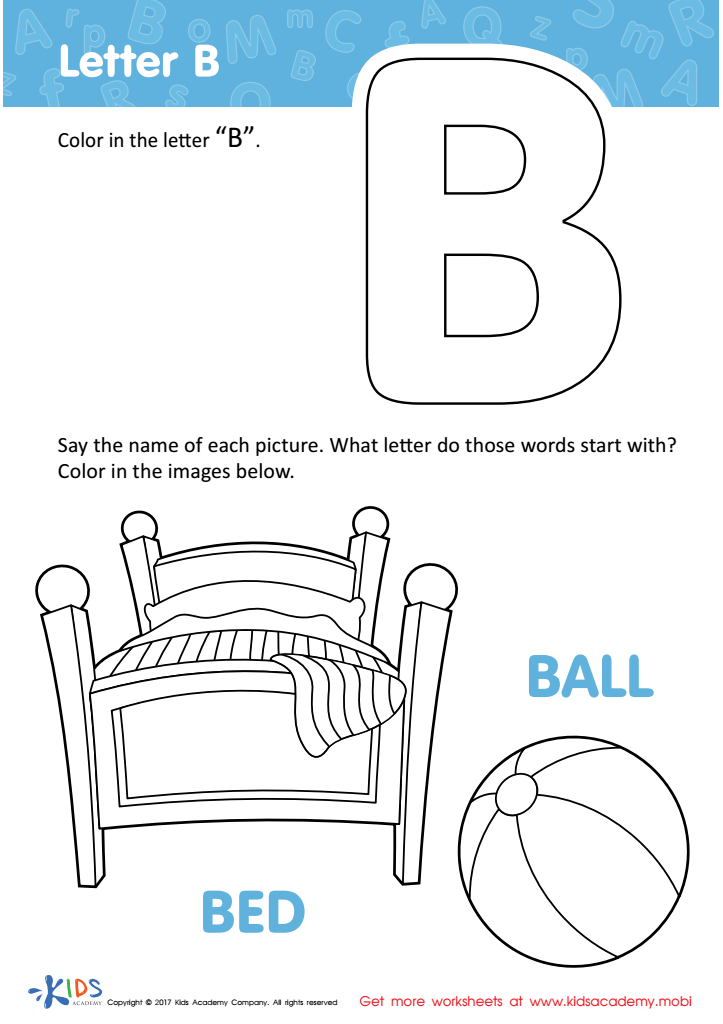
Letter B Coloring Sheet
Assign to My Students
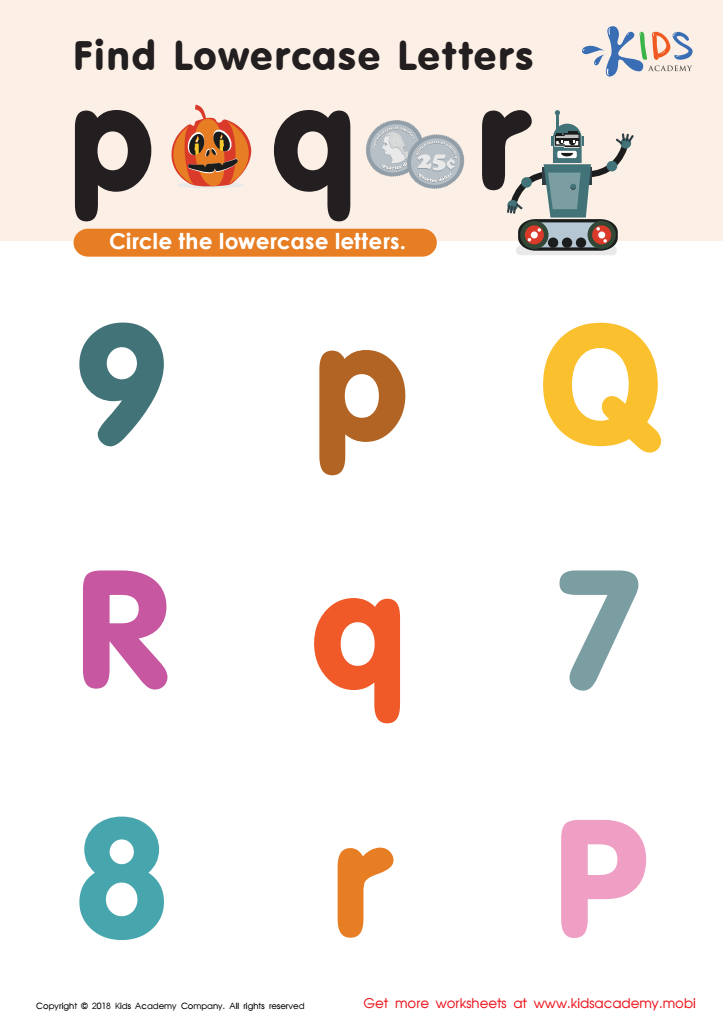
Find lowercase Letters p q r Worksheet
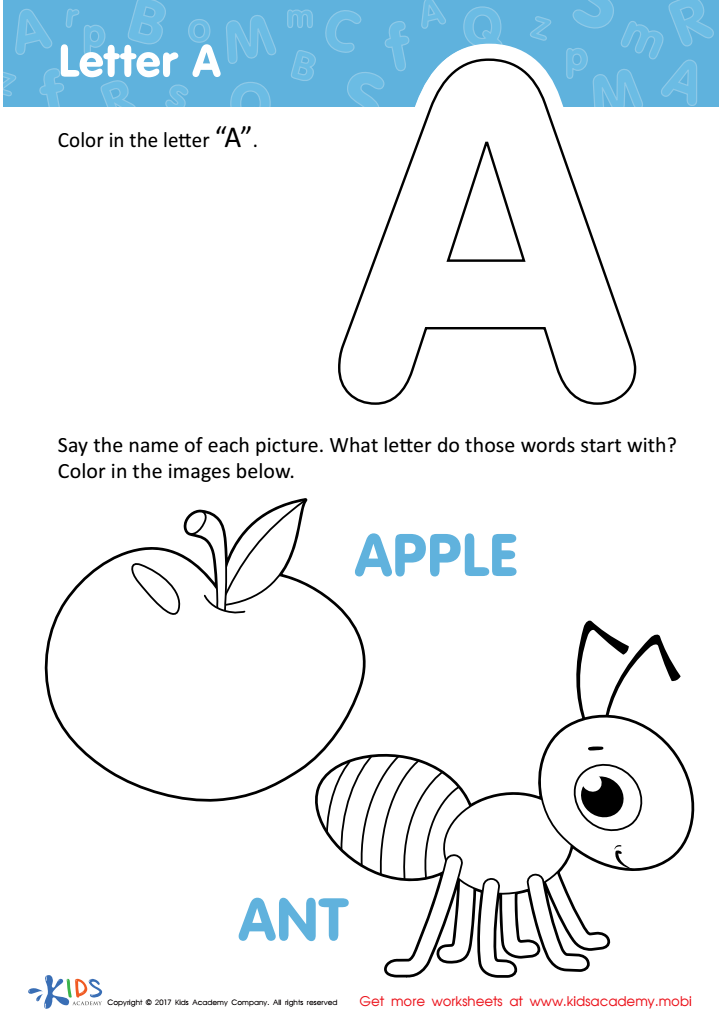
Letter A Coloring Sheet
Assign to My Students
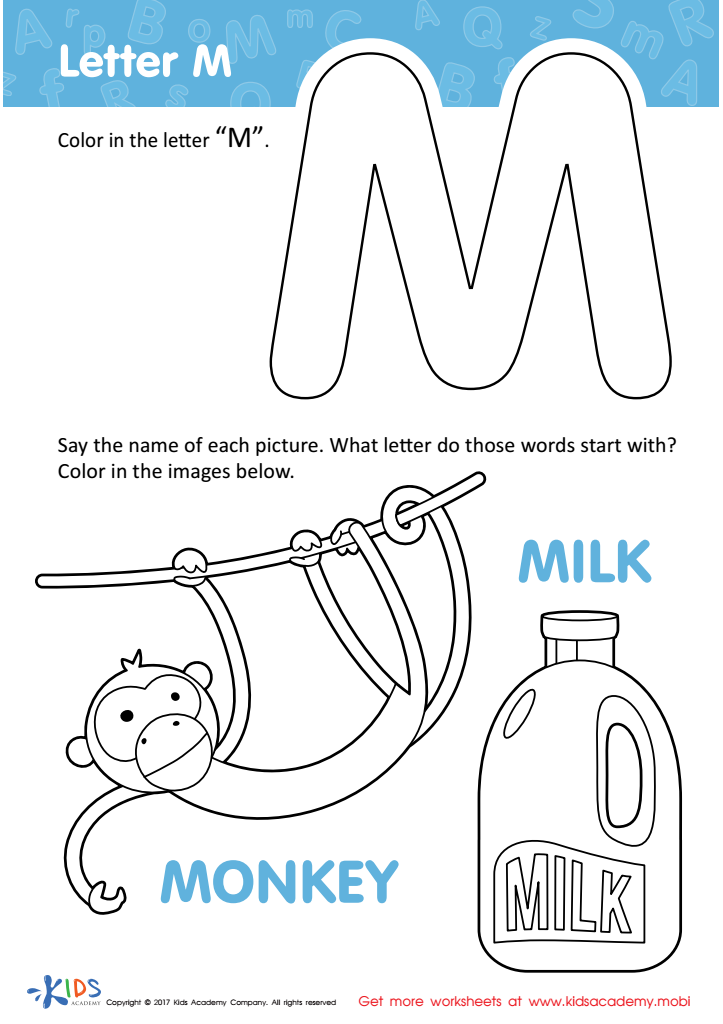
Letter M Coloring Sheet
Assign to My Students
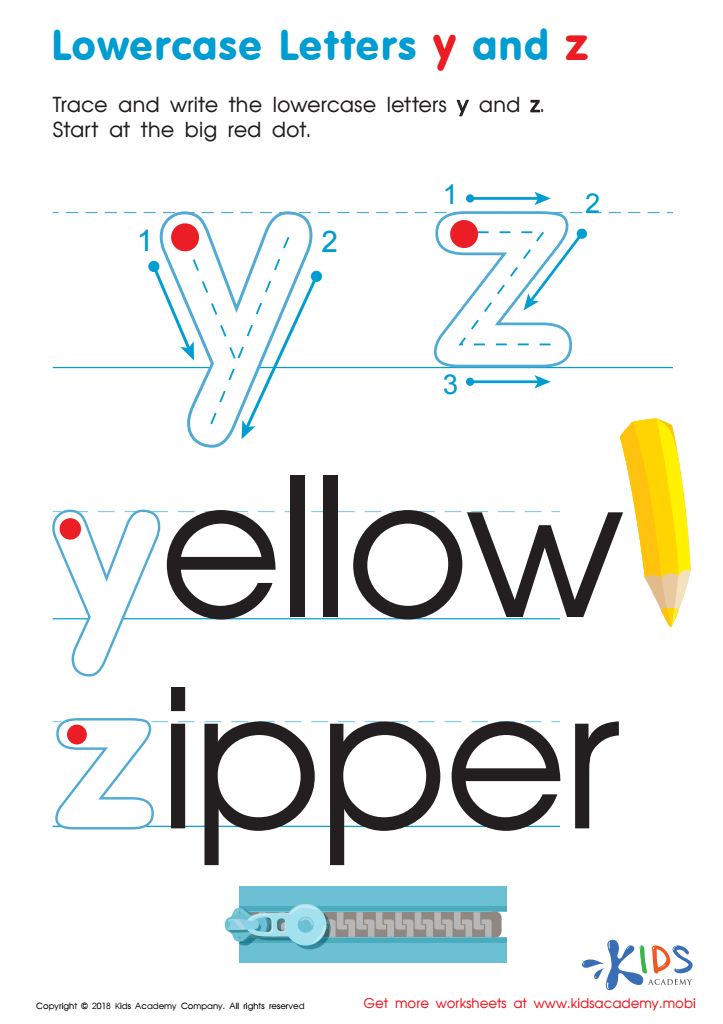
Lowercase Letters y z Worksheet
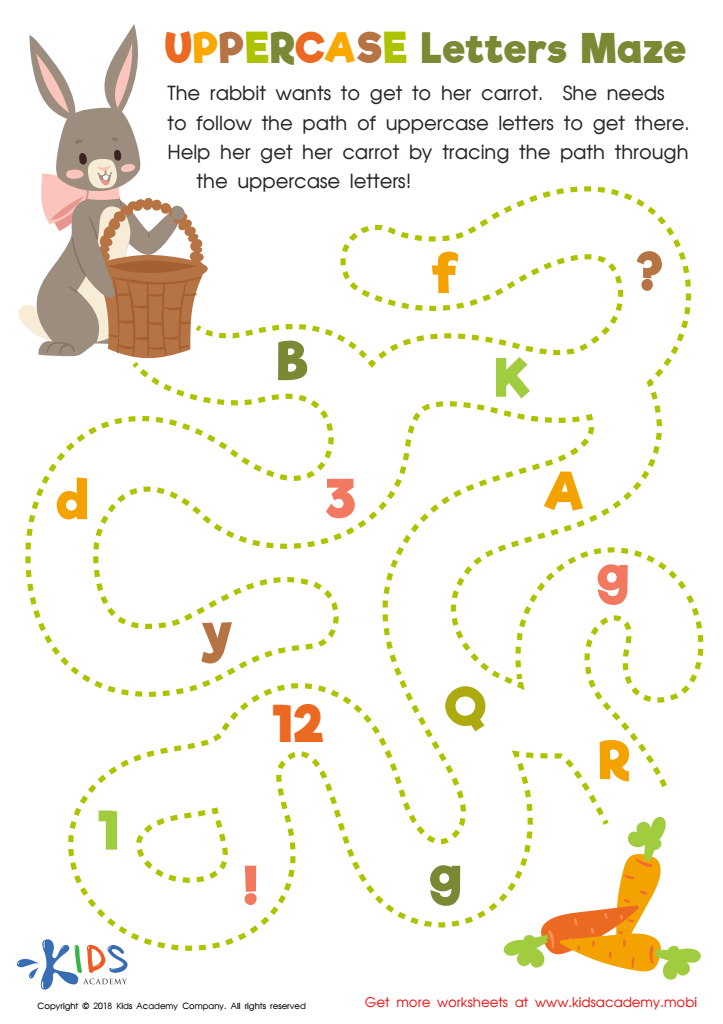
Uppercase Letters Maze Worksheet
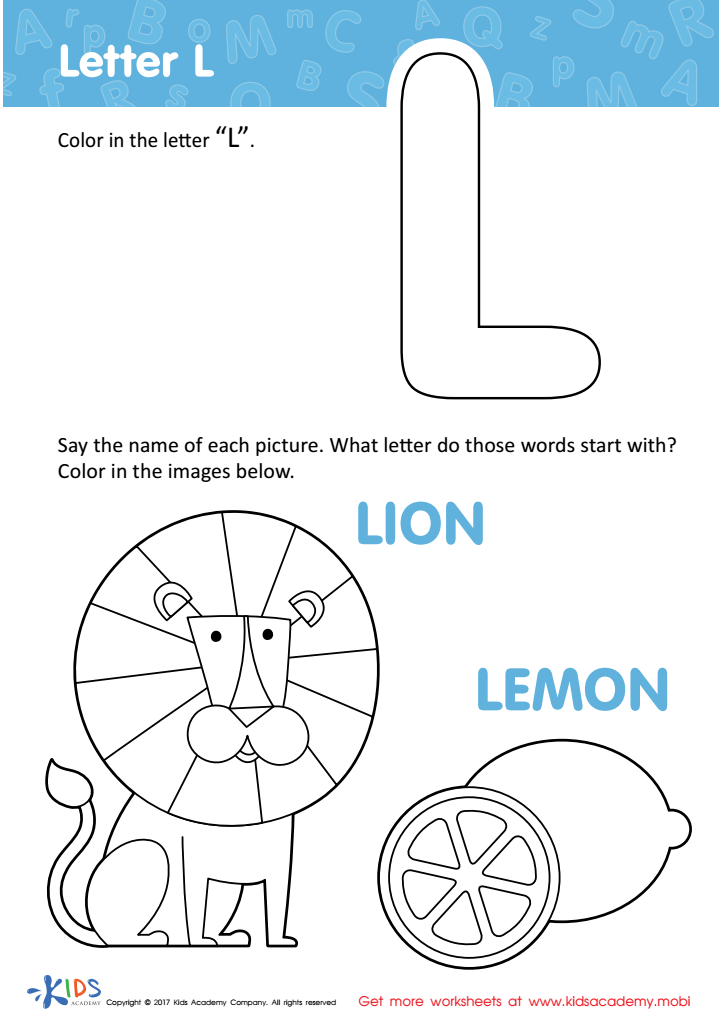
Letter L Coloring Sheet
Assign to My Students
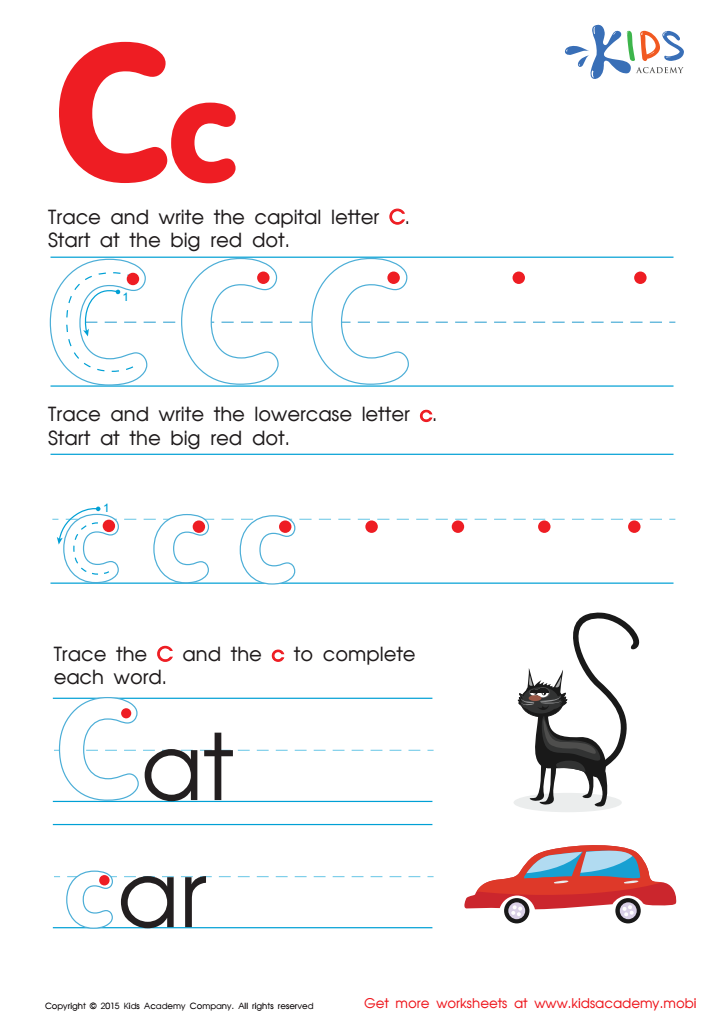
Letter C Tracing Page
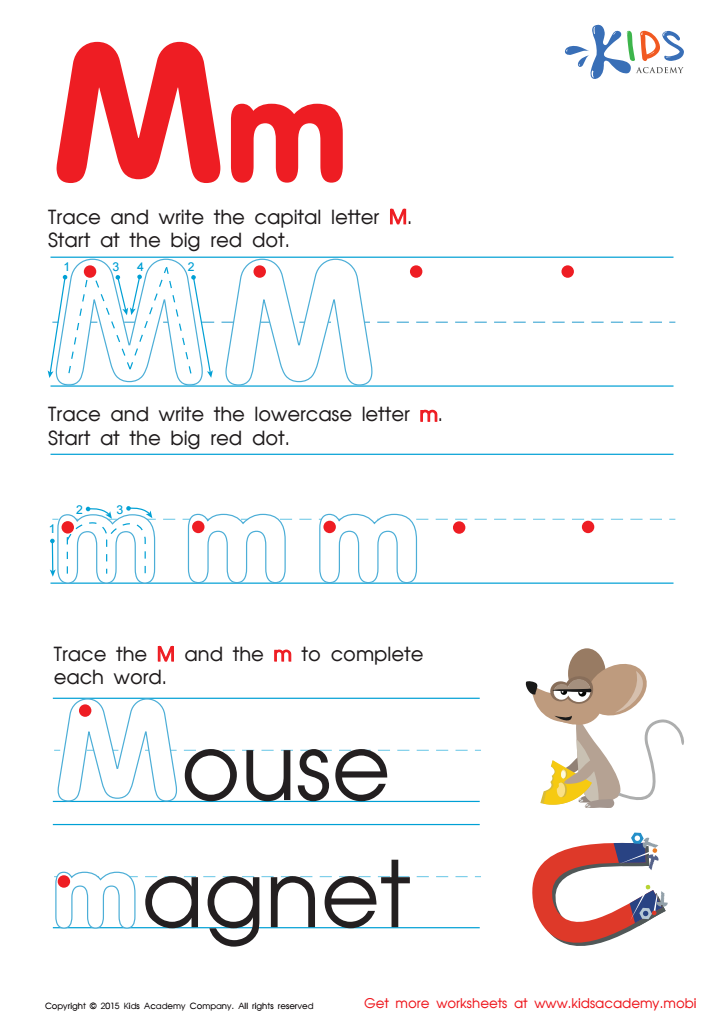
Letter M Tracing Page
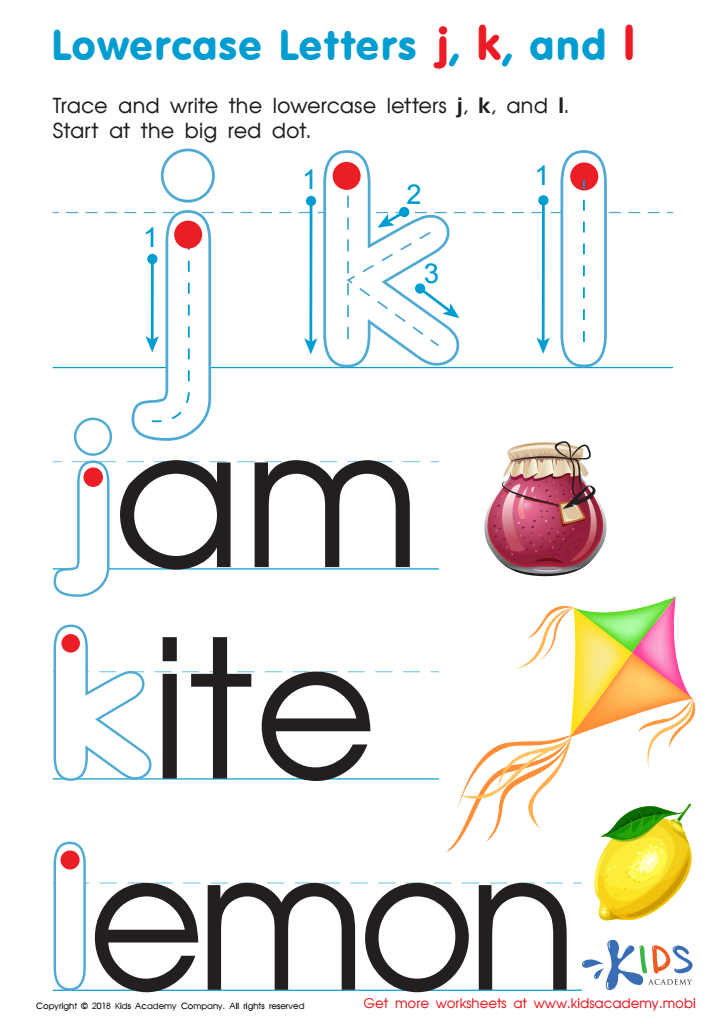
Lowercase Letters j k l Worksheet
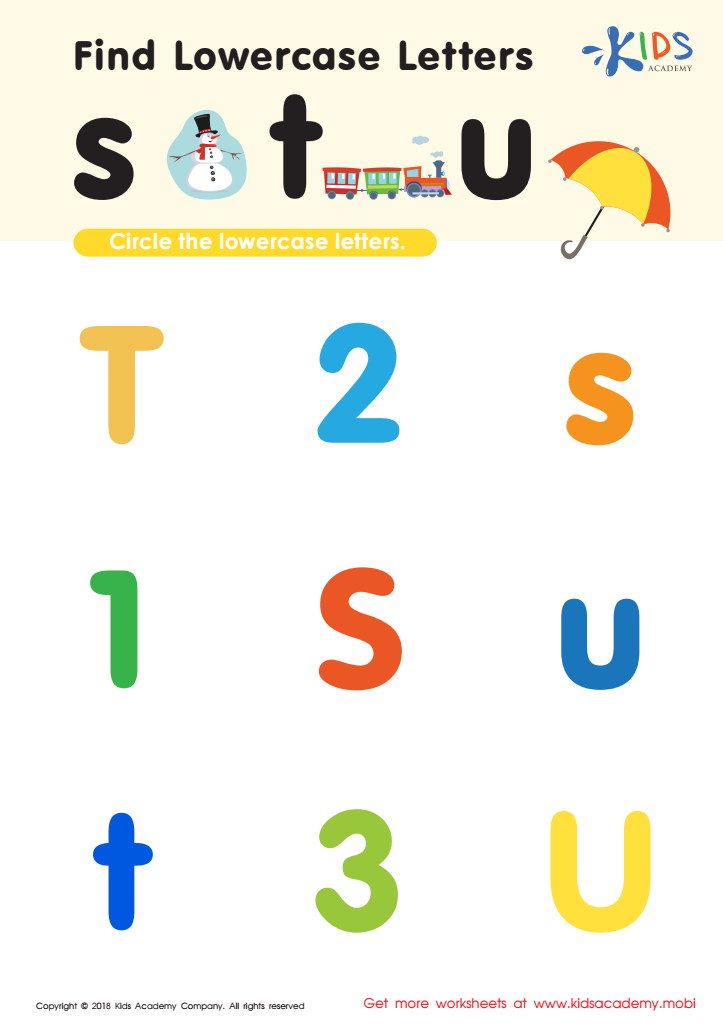
Find lowercase Letters s t u Worksheet

Letter G Tracing Page
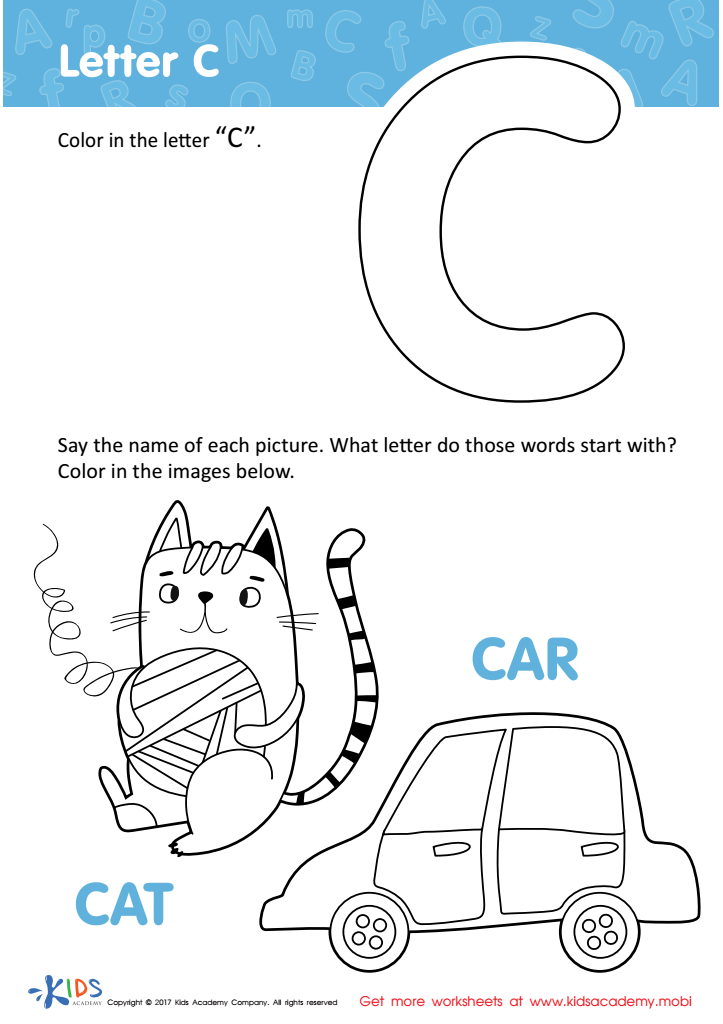
Letter C Coloring Sheet
Assign to My Students
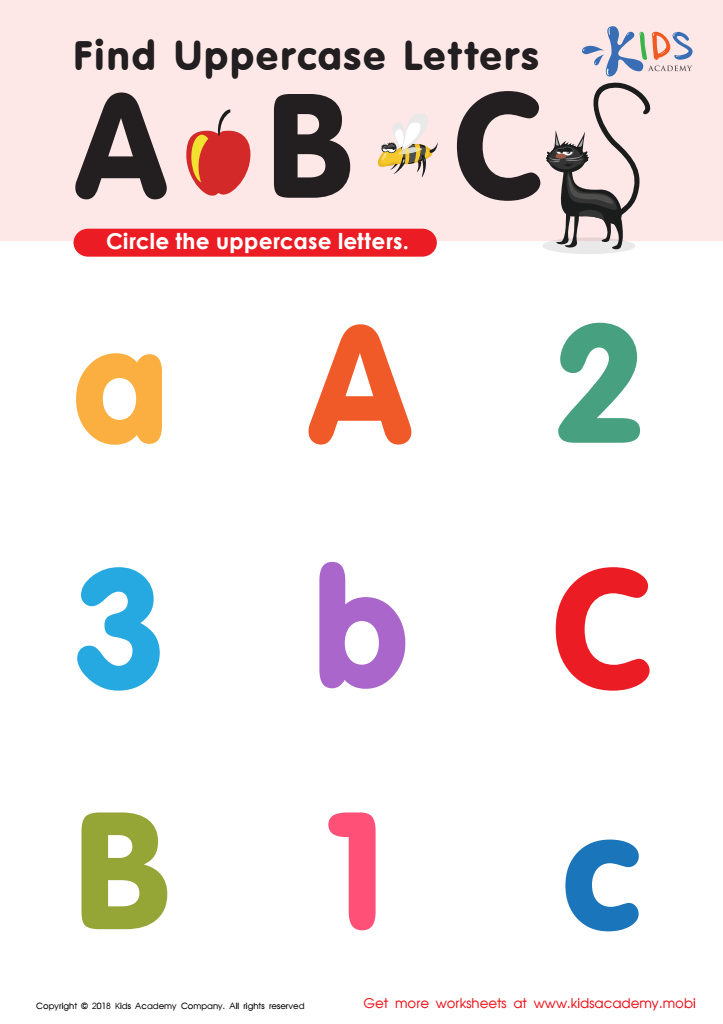
Find Uppercase Letters A, B, and C Worksheet
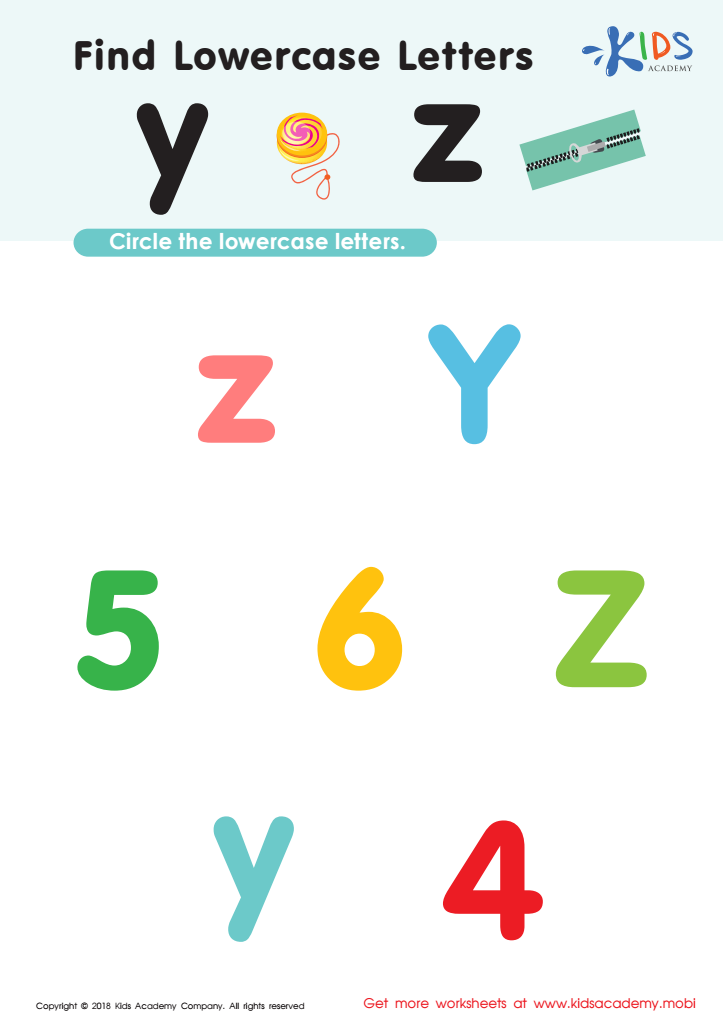
Find Lowercase Letters y z Worksheet
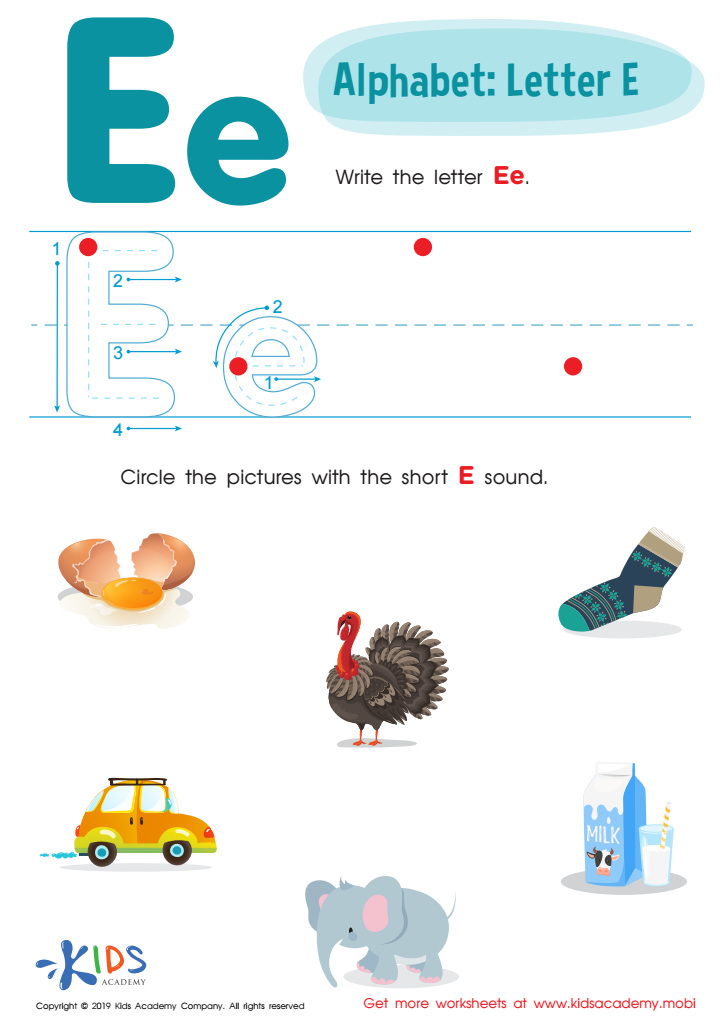
Letter E Tracing Worksheet
Letter I Coloring Sheet
Assign to My Students
Letter W Coloring Sheet
Assign to My Students








Fine motor skills and normal letter recognition are crucial developmental milestones for children aged 6-9, and parents and teachers should pay special attention to them. Fine motor skills involve the small muscles in the hands and fingers, essential for tasks like writing, drawing, and manipulating objects. As children progress through their education, strong fine motor skills enable them to hold pencils correctly, cut with scissors, and refine their overall writing abilities. These skills impact their academic performance and self-confidence.
Normal letter recognition, the ability to recognize and name letters, is also fundamental in early literacy development. When children can identify letters, they understand the building blocks of words, paving the way for reading and writing proficiency. Strong letter recognition allows for smoother transitions into more complex literacy tasks, ultimately enhancing comprehension and communication skills.
Furthermore, a solid foundation in fine motor skills and letter recognition fosters a love for learning and exploration. As children become more skilled, they are likely to engage positively in classroom activities, leading to better participation and a more enriching educational experience. Therefore, nurturing these skills helps lay the groundwork for a child’s future academic success and personal development, making it vital for parents and teachers to actively support this growth.








