Problem-Solving Skills Normal Letter Recognition Worksheets for Ages 6-9
3 filtered results
-
From - To
Explore our engaging "Problem-Solving Skills Normal Letter Recognition Worksheets" designed specifically for children ages 6-9. These worksheets seamlessly blend letter recognition with problem-solving exercises, helping young learners enhance their cognitive abilities while mastering the alphabet. Each activity encourages critical thinking, creativity, and decision-making as kids navigate intriguing challenges that promote their understanding of letters. Perfect for classrooms or at-home learning, our PDFs are easy to print and include a variety of exercises to keep kids motivated. Boost your child’s literacy and analytical skills with these fun, interactive worksheets, fostering a love for learning while building essential problem-solving competencies!
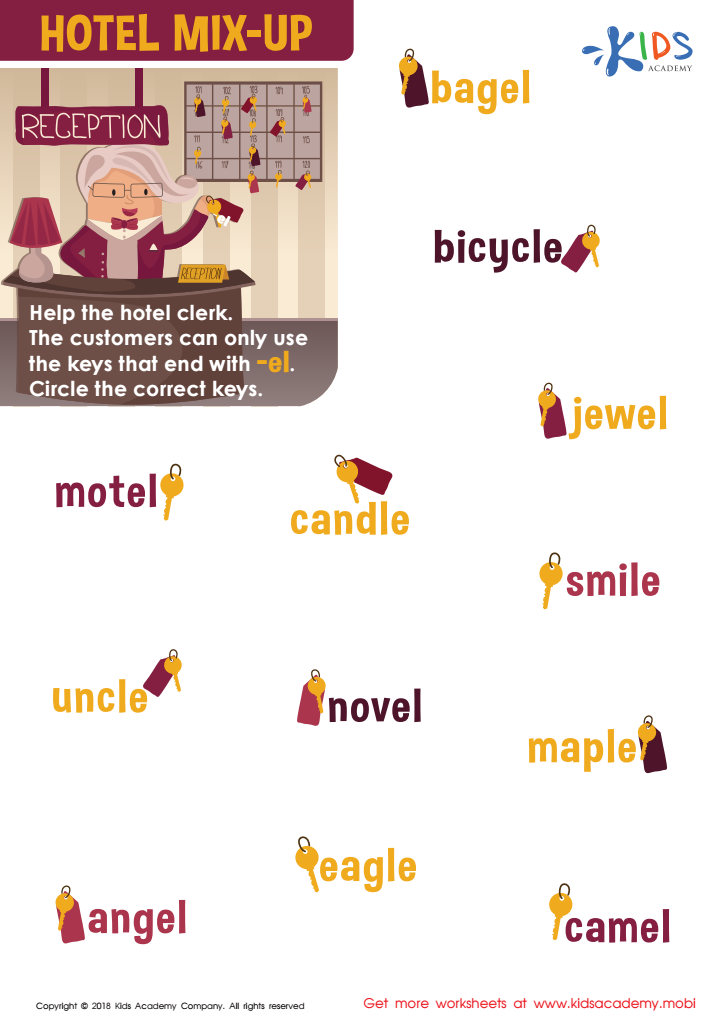
Hotel Mix-up Worksheet
 Assign to My Students
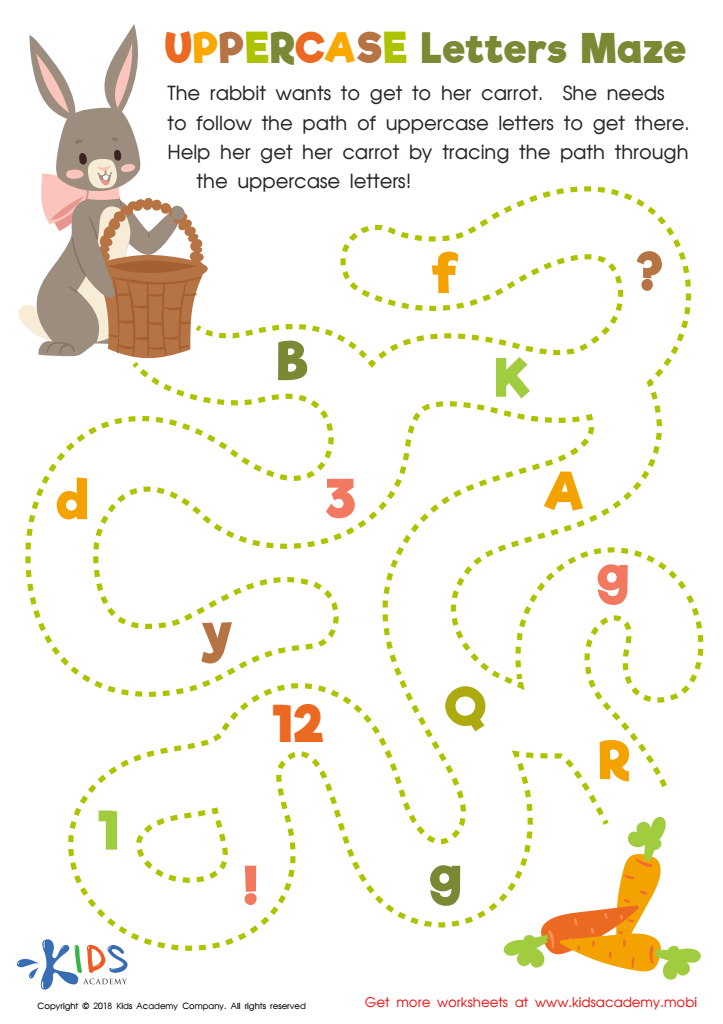
Uppercase Letters Maze Worksheet
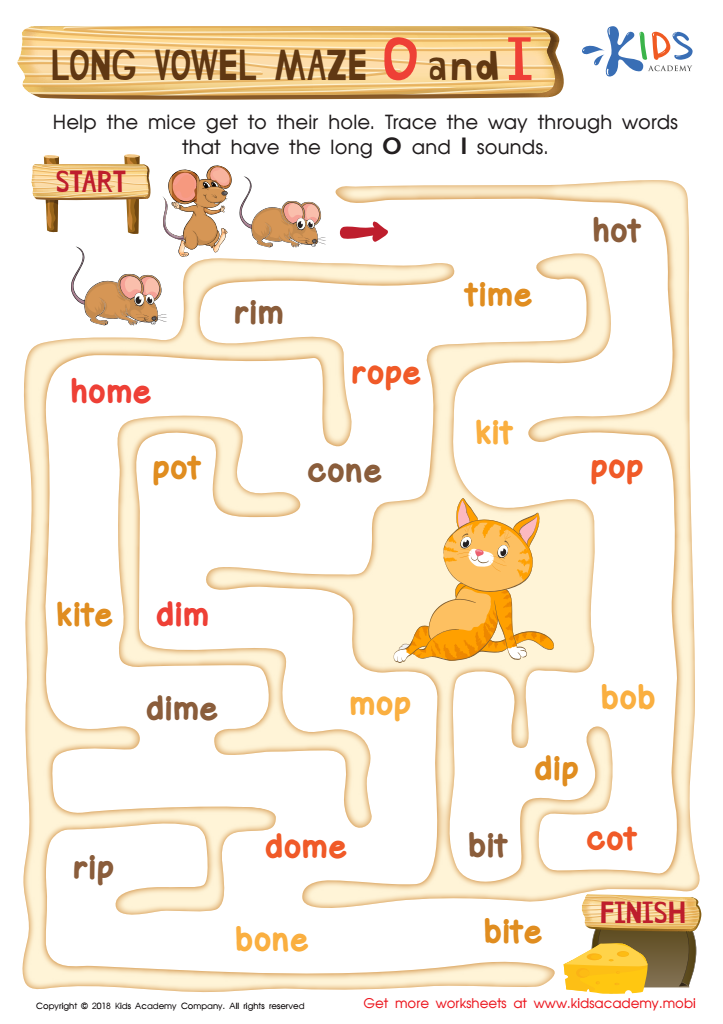
Long Vowel Maze /o/ and /i/ Worksheet








Problem-solving skills and normal letter recognition are critical components of early childhood education, especially for children aged 6-9. Parents and teachers should care because these skills form the foundation of a child's academic success and overall cognitive development.
Beginning with letter recognition, this skill is essential for literacy. Mastering the alphabet allows children to read and write, enabling them to communicate effectively. When children can recognize letters, they can decode words and comprehend stories, fostering a love for reading that benefits every subject they encounter.
Parallelly, problem-solving skills are equally vital. These abilities help children approach challenges with confidence and creativity. Whether it's through math puzzles, scientific inquiries, or everyday situations, strong problem-solving skills encourage critical thinking and independence. Children learn to analyze problems, generate potential solutions, and make informed decisions, which sets the stage for future academic and life challenges.
Incorporating activities that enhance both problem-solving and letter recognition nurtures a child's ability to think logically while keeping learning engaging and fun. By focusing on these skills, parents and teachers can support holistic development, preparing children to thrive in a rapidly changing world. Investing in early education pays lifelong dividends by cultivating resilient, adaptable learners.








