Vocabulary expansion Normal Long And Short Vowel Worksheets for Ages 6-9
5 filtered results
-
From - To
Enhance your child’s vocabulary with our engaging Long and Short Vowel Worksheets designed for ages 6-9! These easy-to-use resources focus on vocabulary expansion, helping young learners recognize and differentiate between long and short vowel sounds. Each worksheet includes fun activities that promote reading and spelling skills, ensuring your child develops a strong foundation in phonics. Ideal for home or classroom use, our worksheets encourage critical thinking and bolster literacy skills through interactive exercises. Watch as your child confidently navigates the world of language, building their vocabulary while having fun! Explore these essential educational tools today for a bright literacy future!
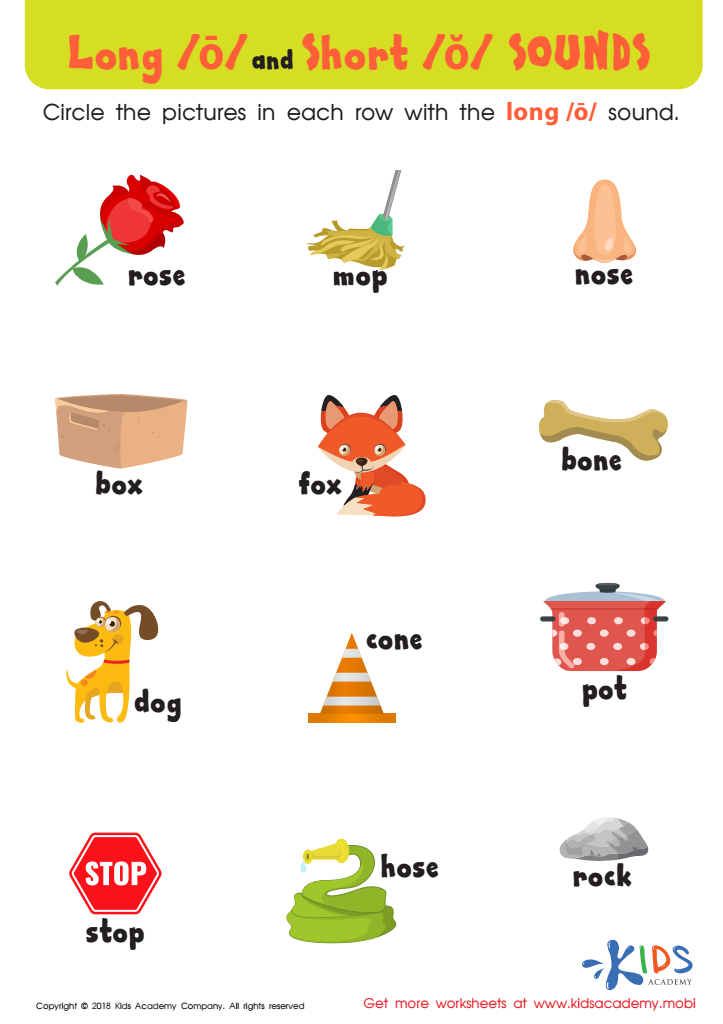
Reading: Long O and Short O Sounds Worksheet
 Assign to My Students
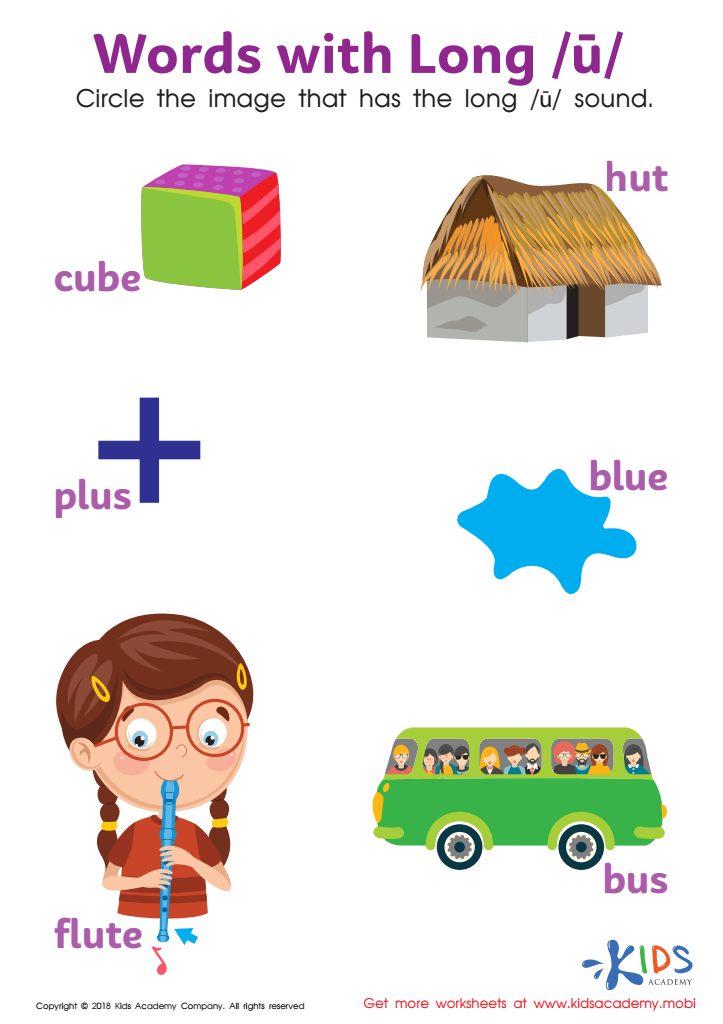
Words with Long U Reading Worksheet
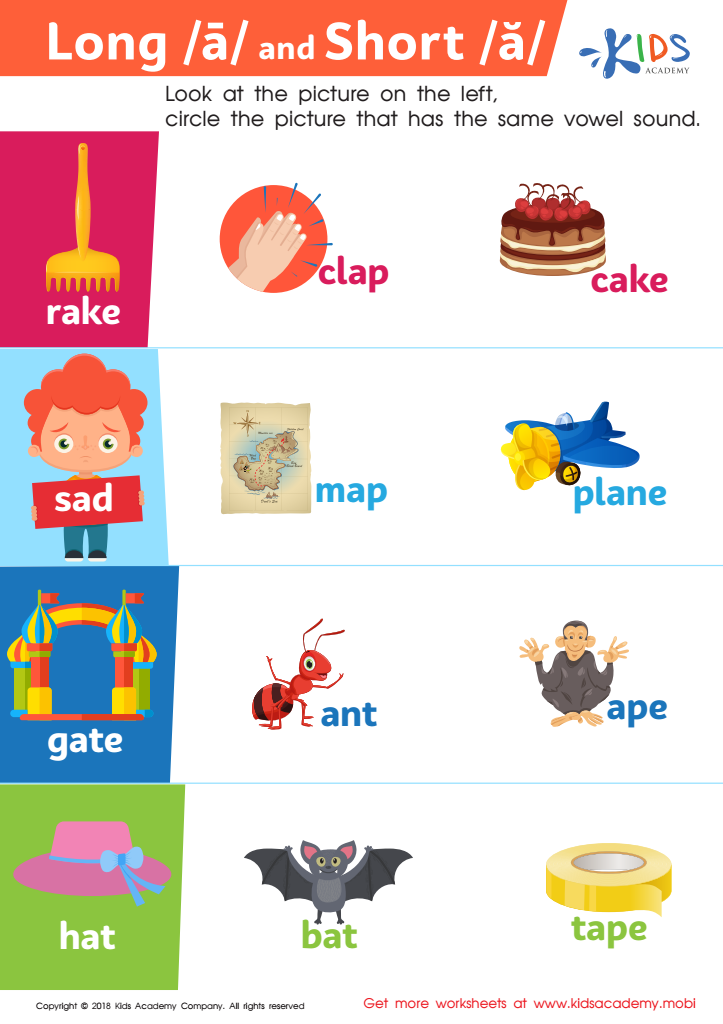
Reading: Long a and Short a Worksheet
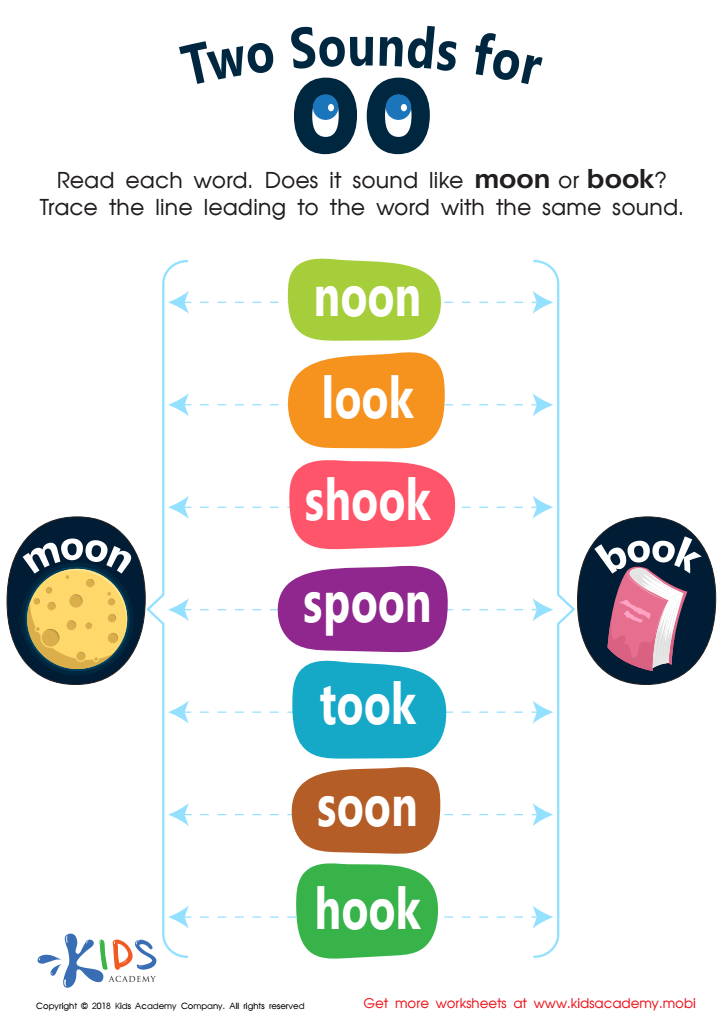
Two Sounds for OO Worksheet
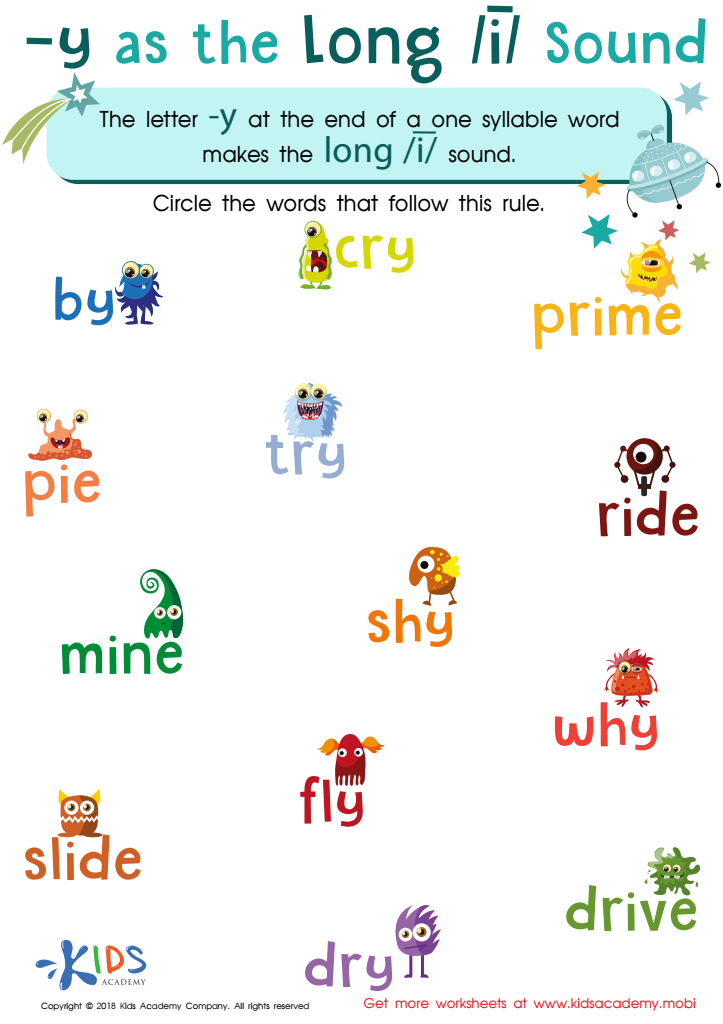
Reading: Y as Long I Worksheet




Vocabulary expansion, particularly with a focus on normal long and short vowel sounds, is crucial for children aged 6-9 for several reasons. Firstly, vocabulary is foundational to reading, writing, and overall language development. A robust vocabulary allows children to express themselves clearly and understand more complex texts, which enhances comprehension skills essential for academic success.
Furthermore, distinguishing between long and short vowels plays a vital role in spelling and pronunciation. Mastery of these sounds enables children to decode new words, fostering independent reading skills. When children are comfortable with vowel sounds, they can tackle increasingly difficult materials, enhancing their learning experience and building confidence in their abilities.
Teachers and parents should also understand that vocabulary expansion is linked to cognitive development. Language skills stimulate critical thinking and creativity in young learners, providing tools for better communication and problem-solving.
Moreover, engaging children with interactive activities centered on vocabulary, such as songs, games, and storytelling, invites fun into learning. This approach not only makes language acquisition enjoyable but also reinforces the educational bond between adults and children. By prioritizing vocabulary expansion, parents and teachers can significantly impact children's literacy and personal growth.