Alphabet Recognition Normal Upper & Lowercase Letters Worksheets for Ages 6-9
19 filtered results
-
From - To
Enhance your child's alphabet recognition with our expertly designed worksheets, perfect for ages 6-9! These printable activities focus on identifying and matching uppercase and lowercase letters, promoting essential literacy skills. Each worksheet offers engaging exercises that not only reinforce letter recognition but also improve handwriting and fine motor skills. Ideal for both classroom and home learning, our carefully crafted resources ensure a fun and effective alphabet learning experience. Visit Kids Academy to download and print these educational worksheets, and watch your young learner's confidence and proficiency grow as they master the alphabet!
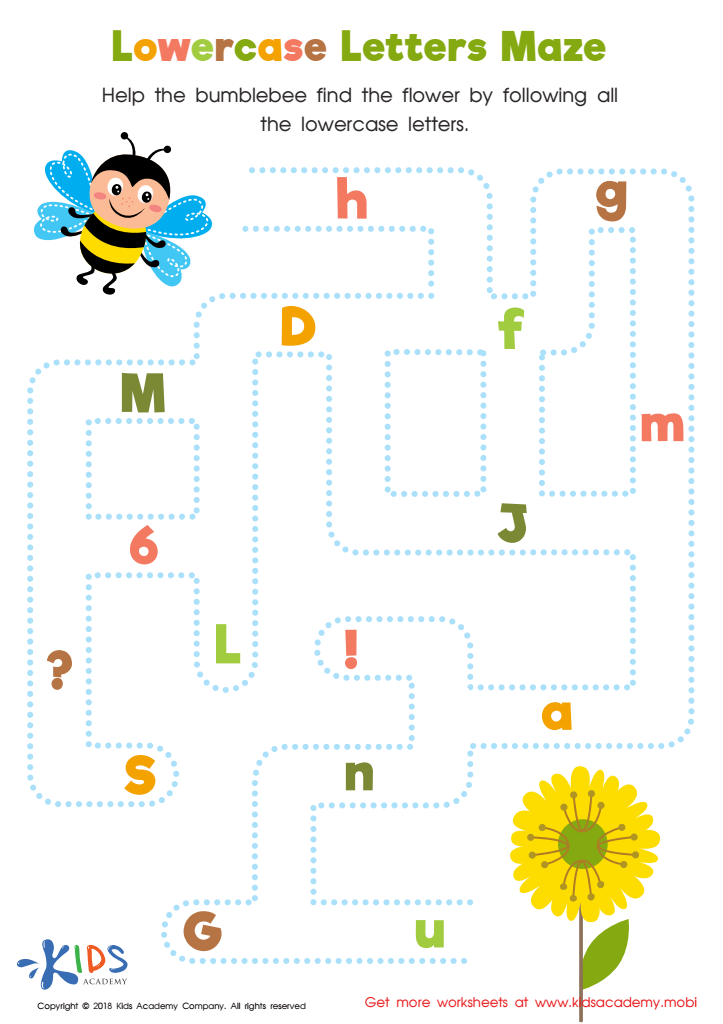
Lowercase Letters Maze Worksheet
 Assign to My Students

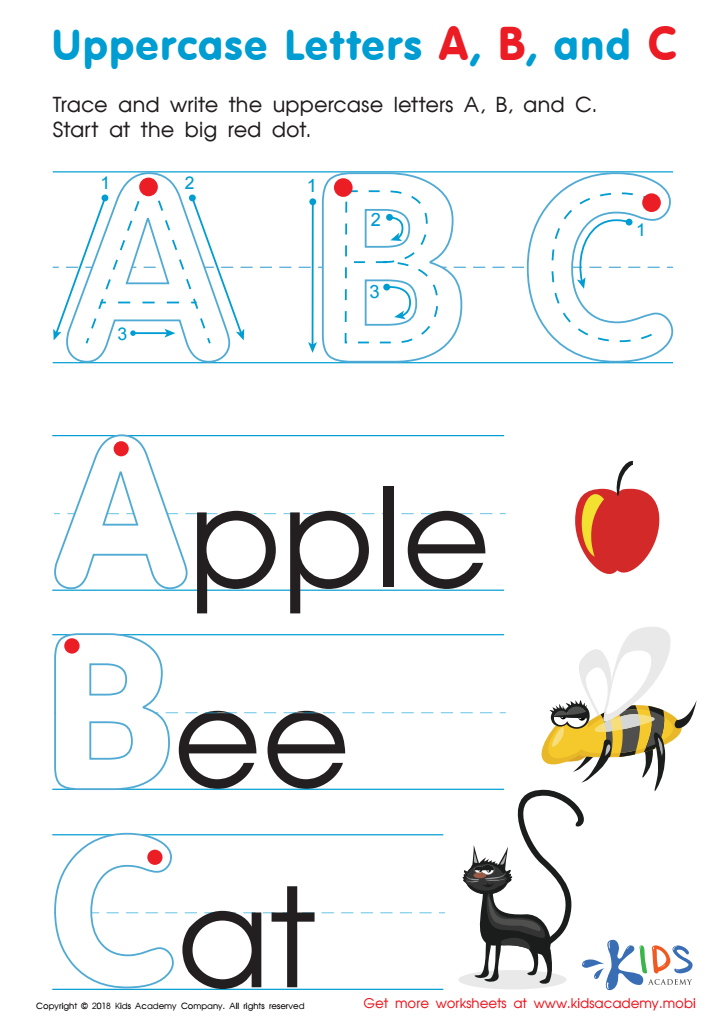
Uppercase Letters A, B, and C Worksheet
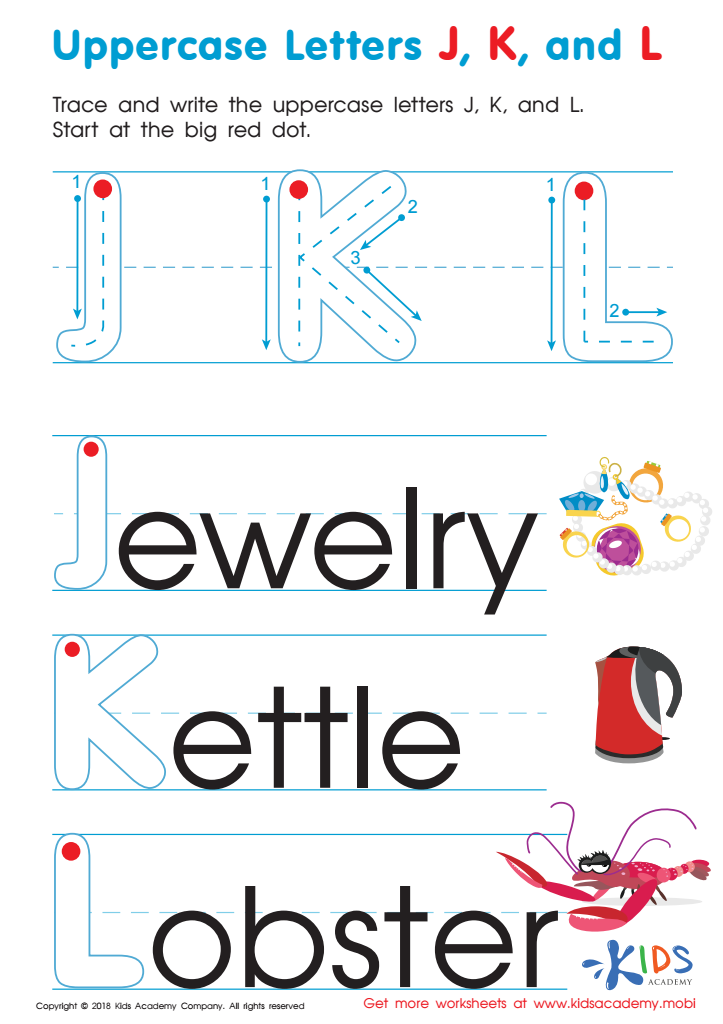
Uppercase Letters J, K, and L Worksheet
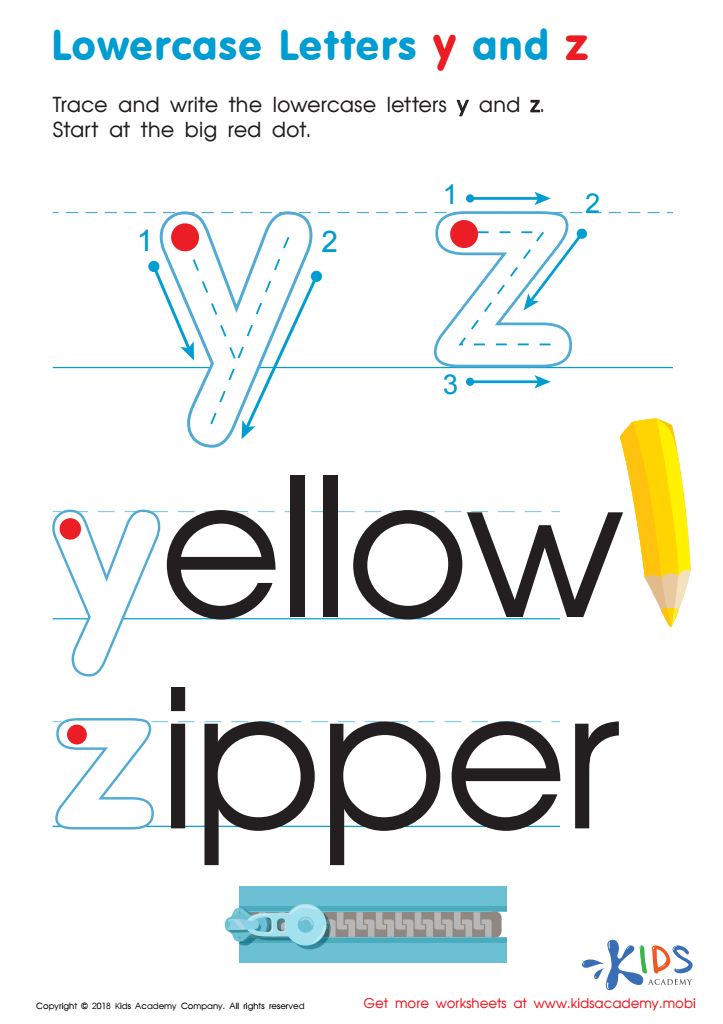
Lowercase Letters y z Worksheet
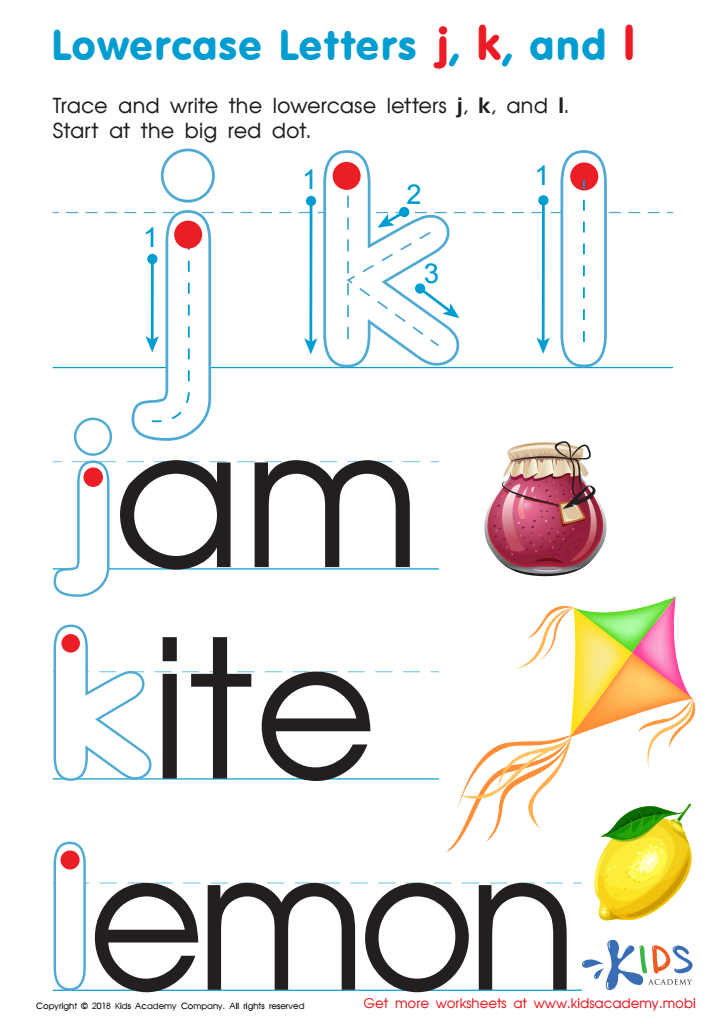
Lowercase Letters j k l Worksheet
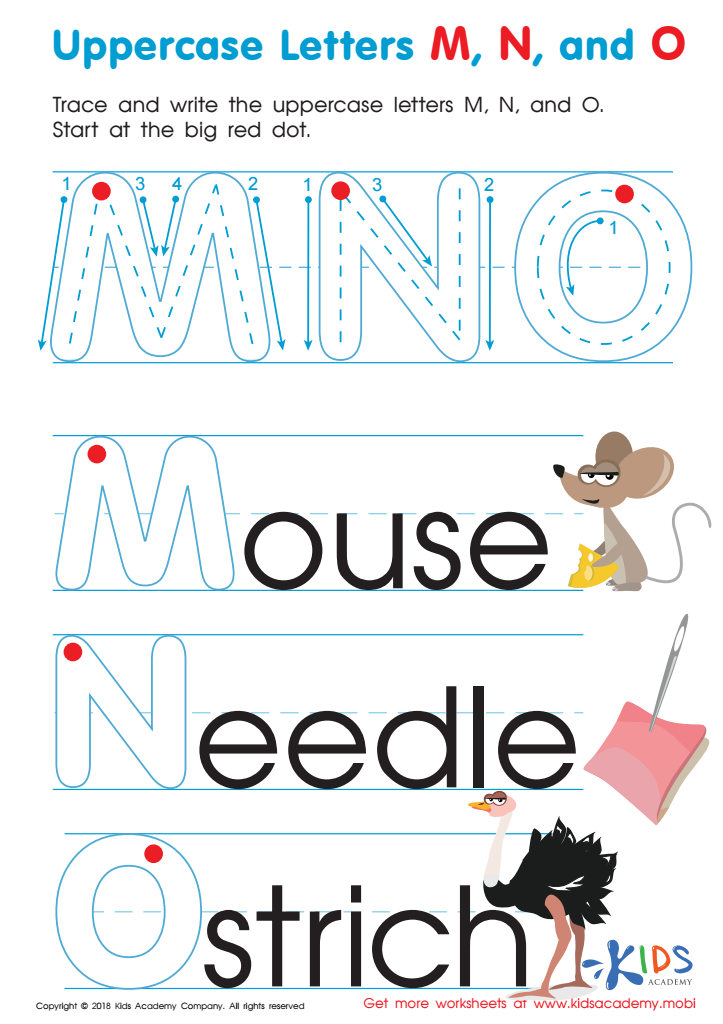
Uppercase Letters M, N, and O Worksheet
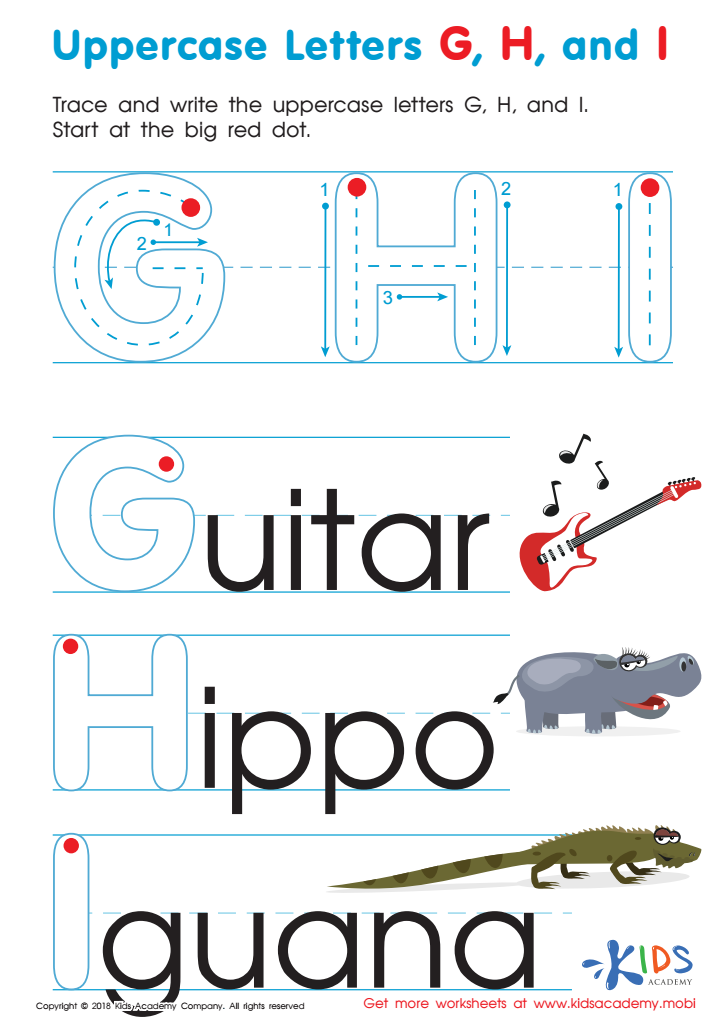
Uppercase Letters G, H, and I Worksheet
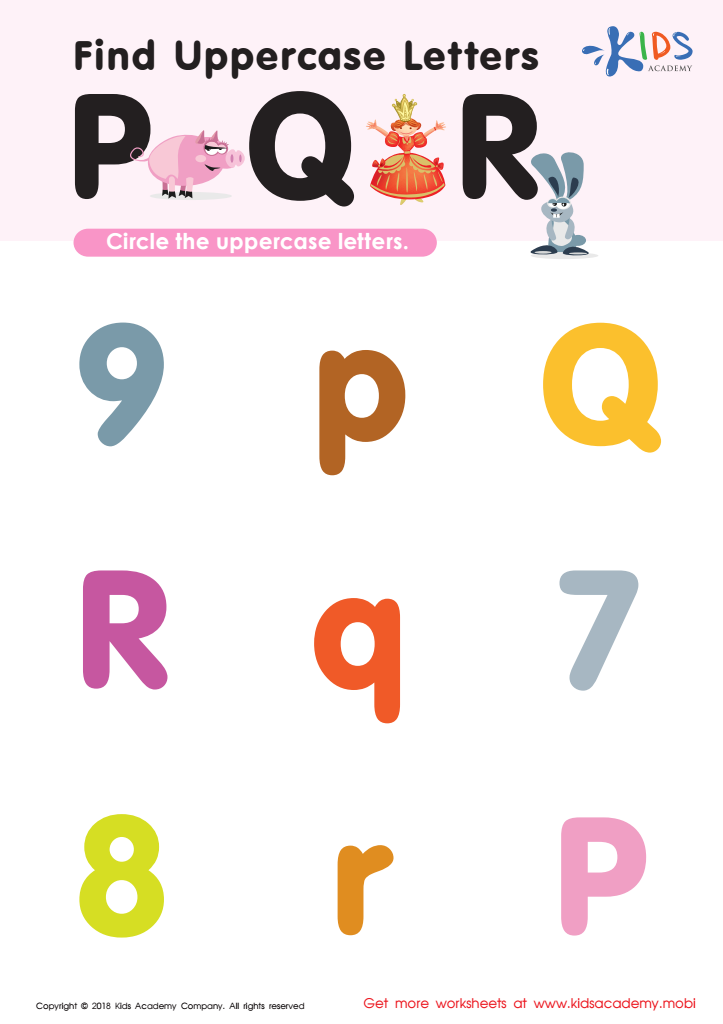
Find Uppercase Letters P, Q, and R Worksheet
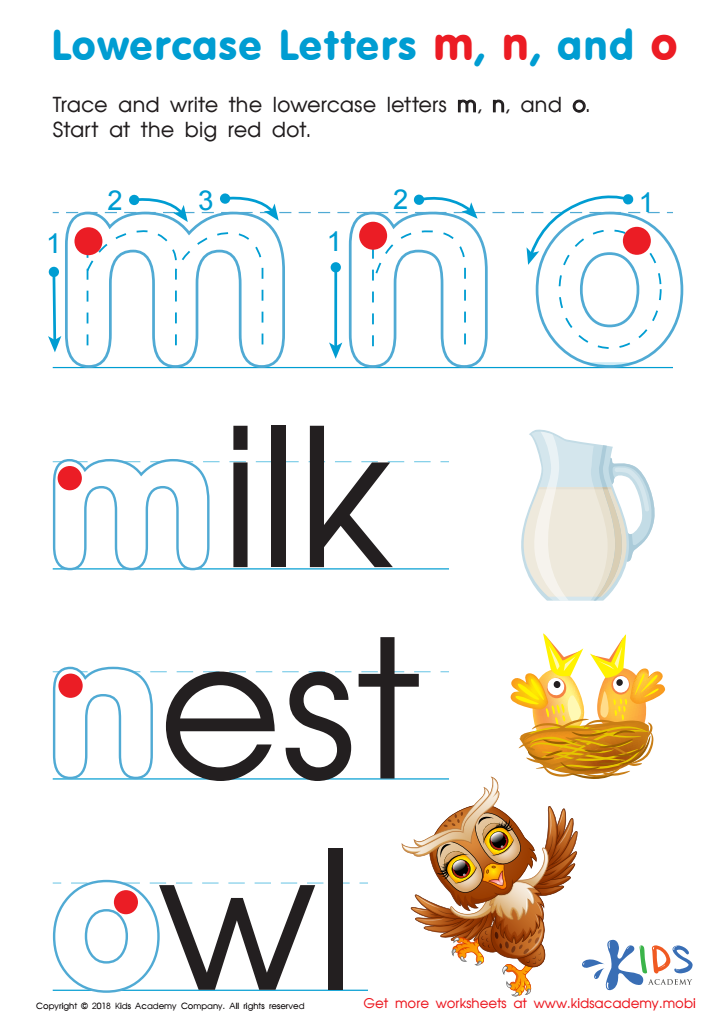
Lowercase Letters m n o Worksheet
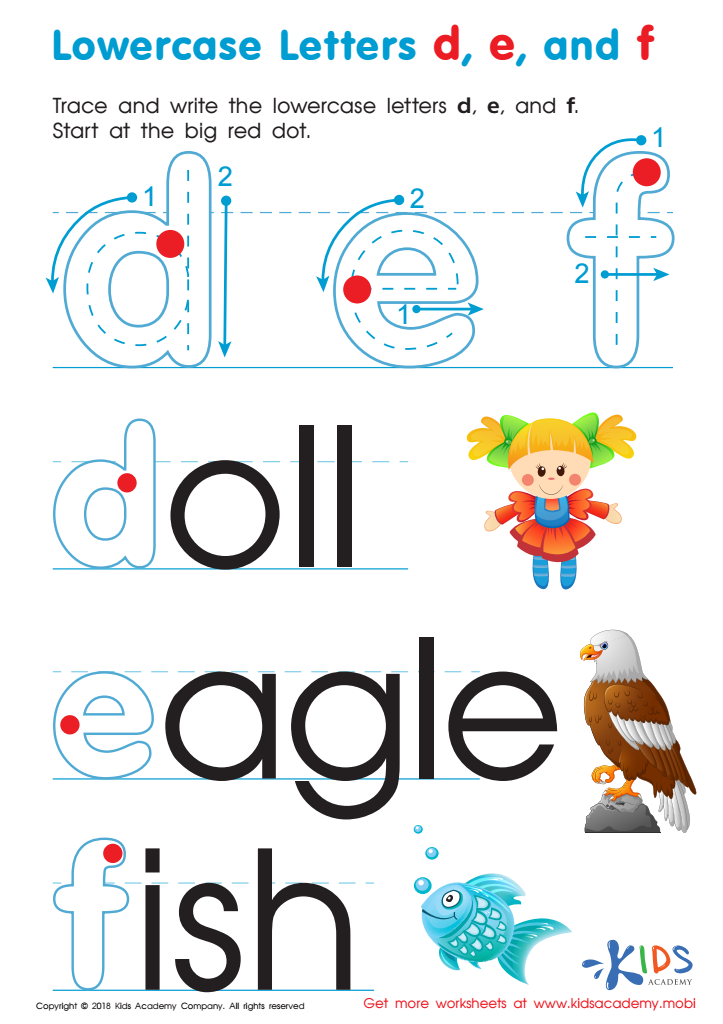
Lowercase Letters d e f Worksheet
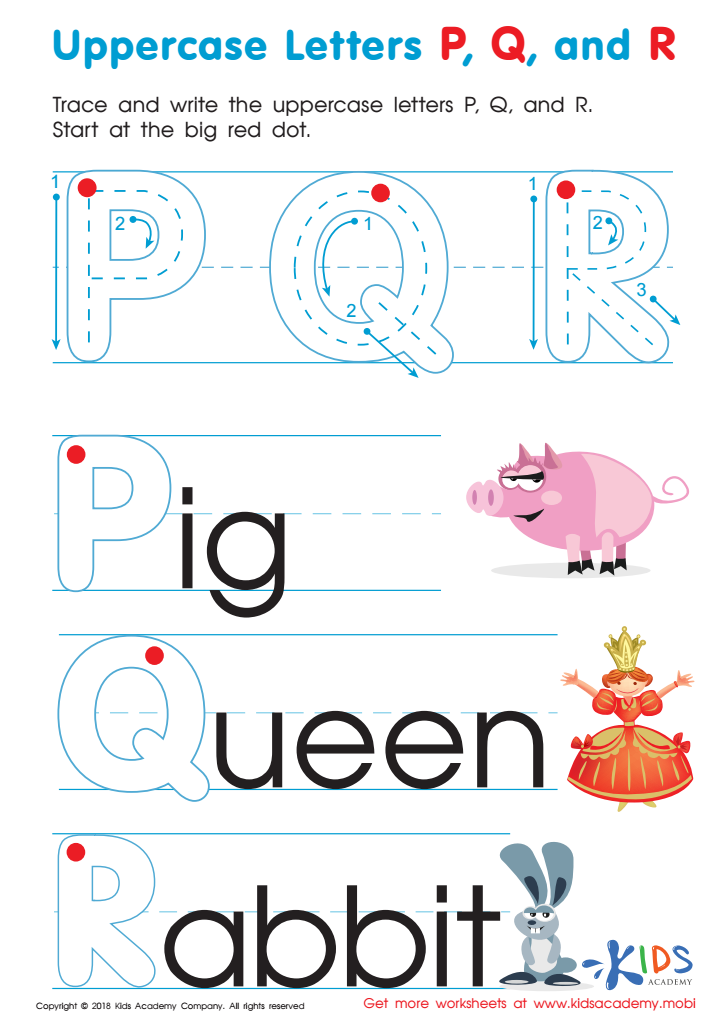
Uppercase Letters P, Q, and R Worksheet
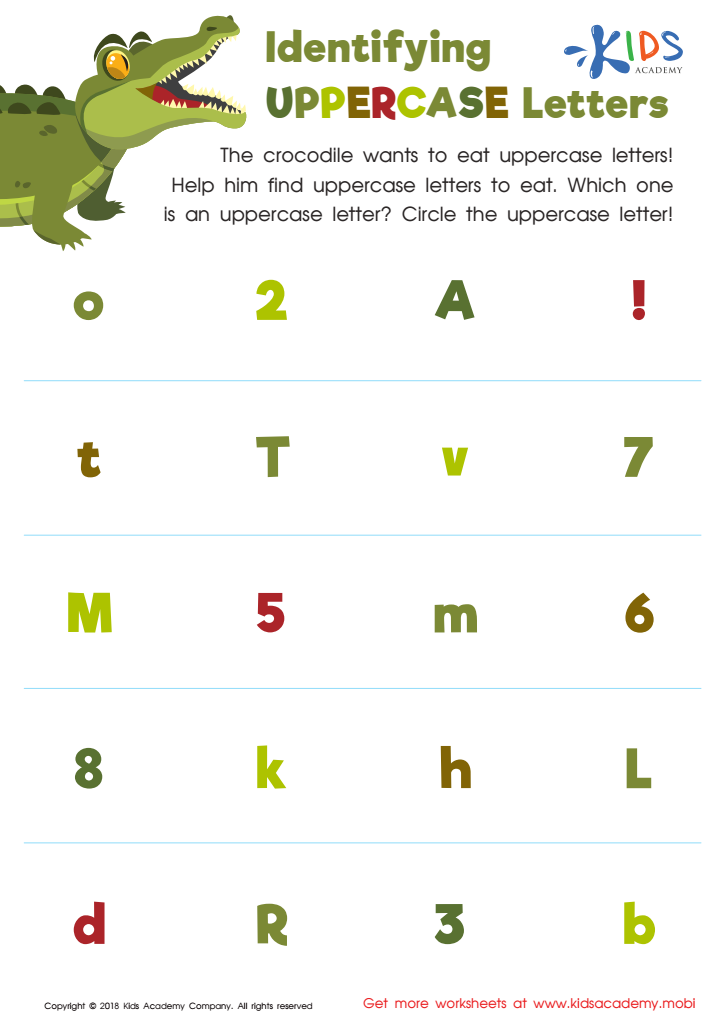
Identifying Uppercase Letters Worksheet
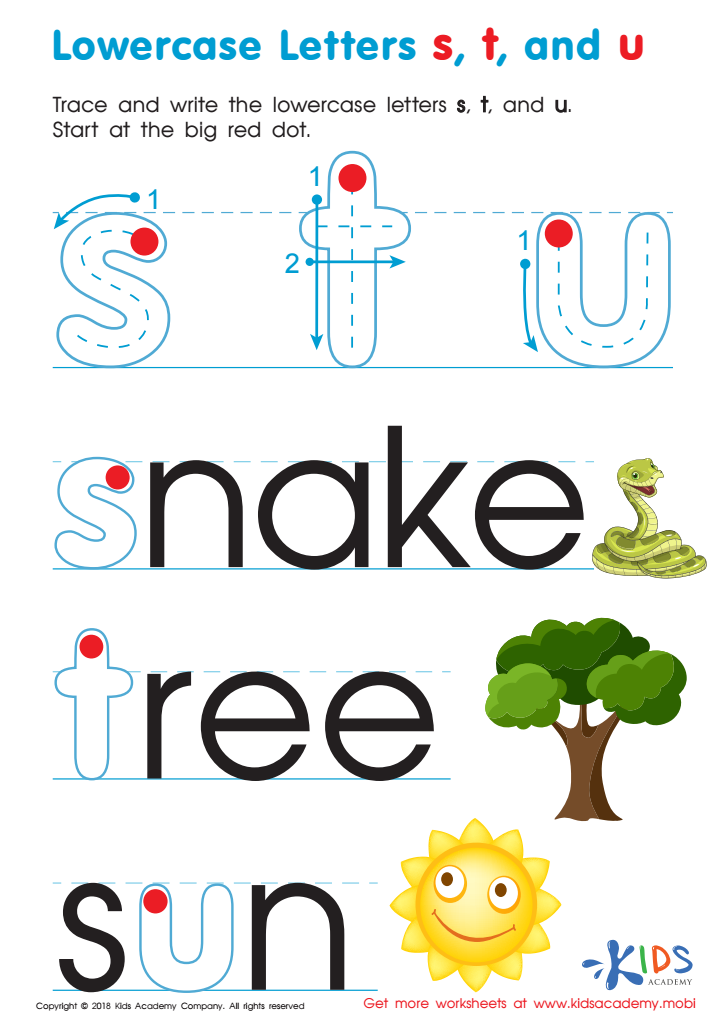
Lowercase Letters s t u Worksheet
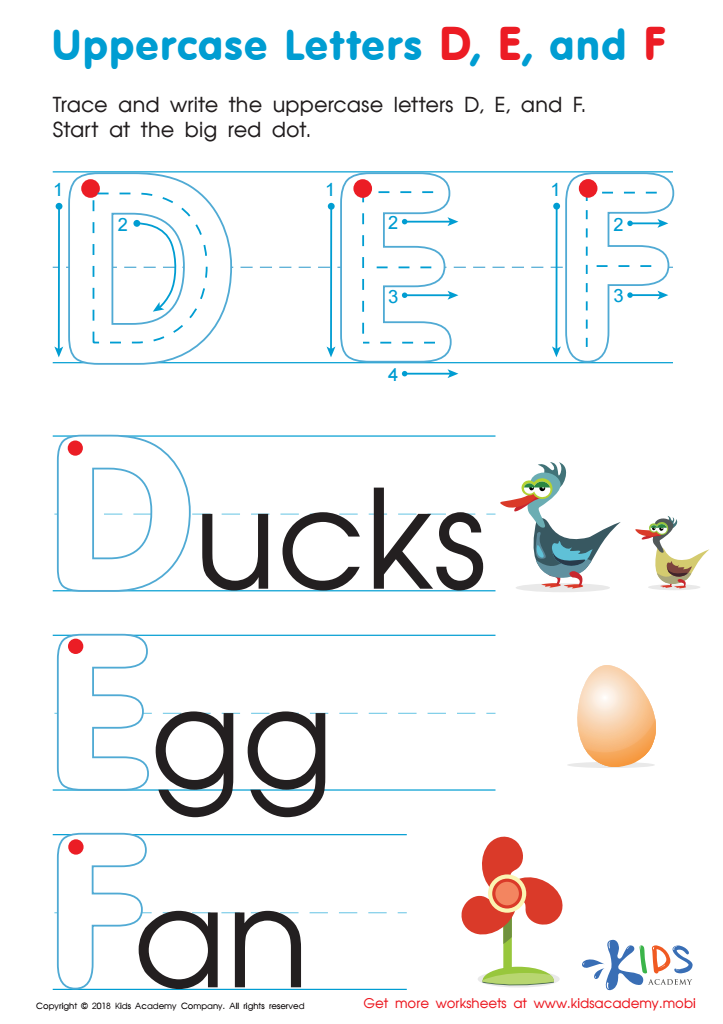
Uppercase Letters D, E, and F Worksheet
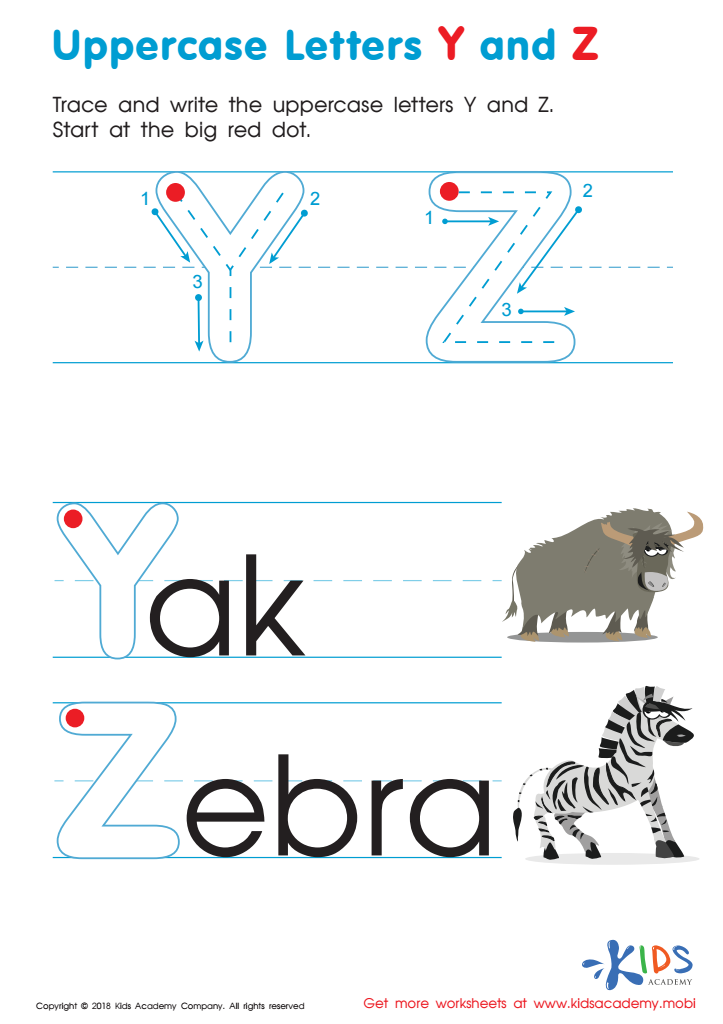
Uppercase Letters Y Z Worksheet
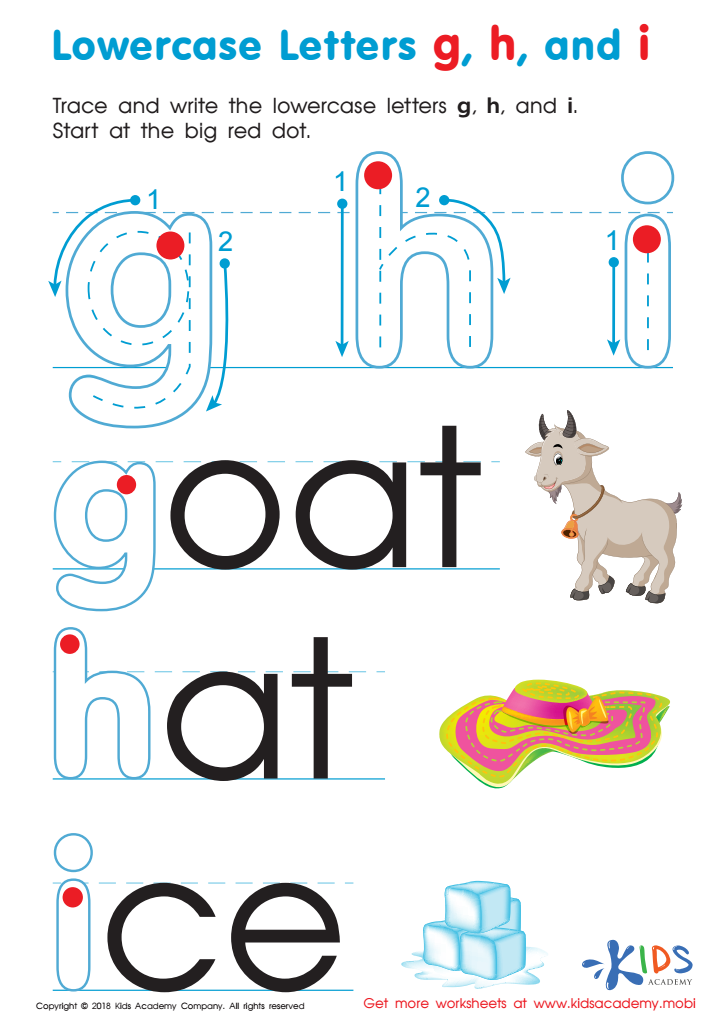
Lowercase Letters g h i Worksheet
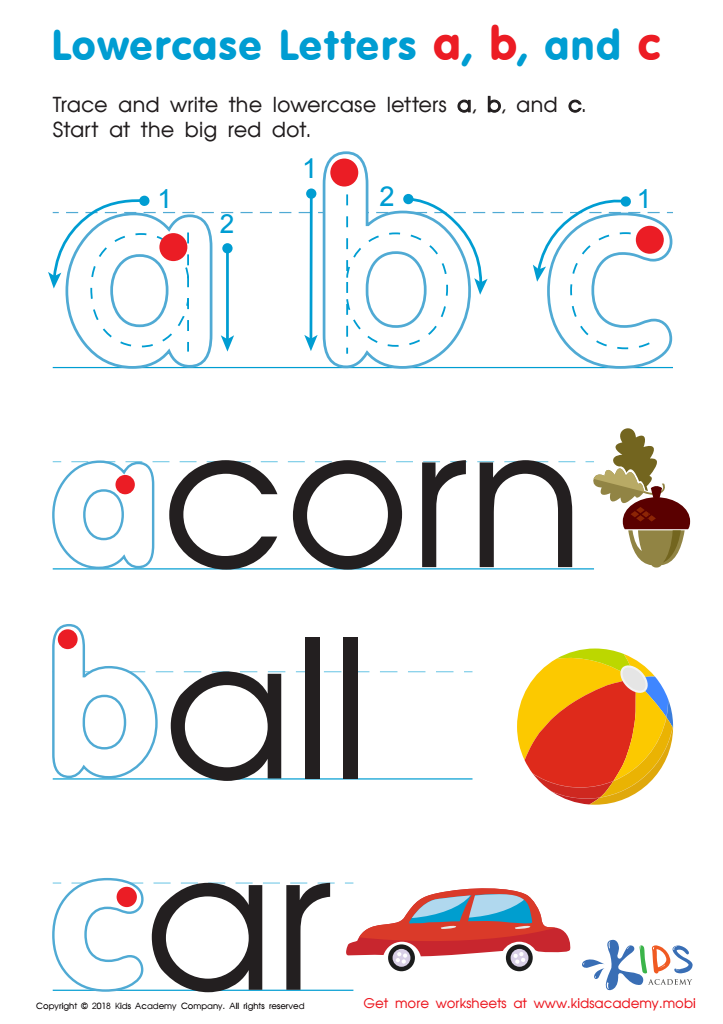
Lowercase Letters a b c Worksheet
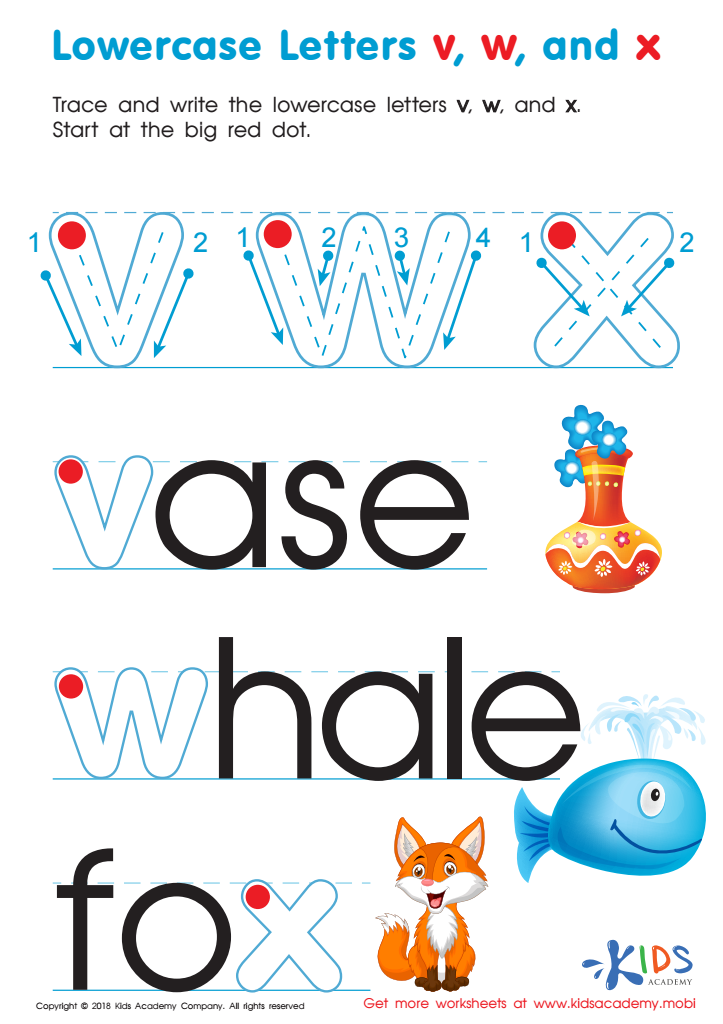
Lowercase Letters v w x Worksheet
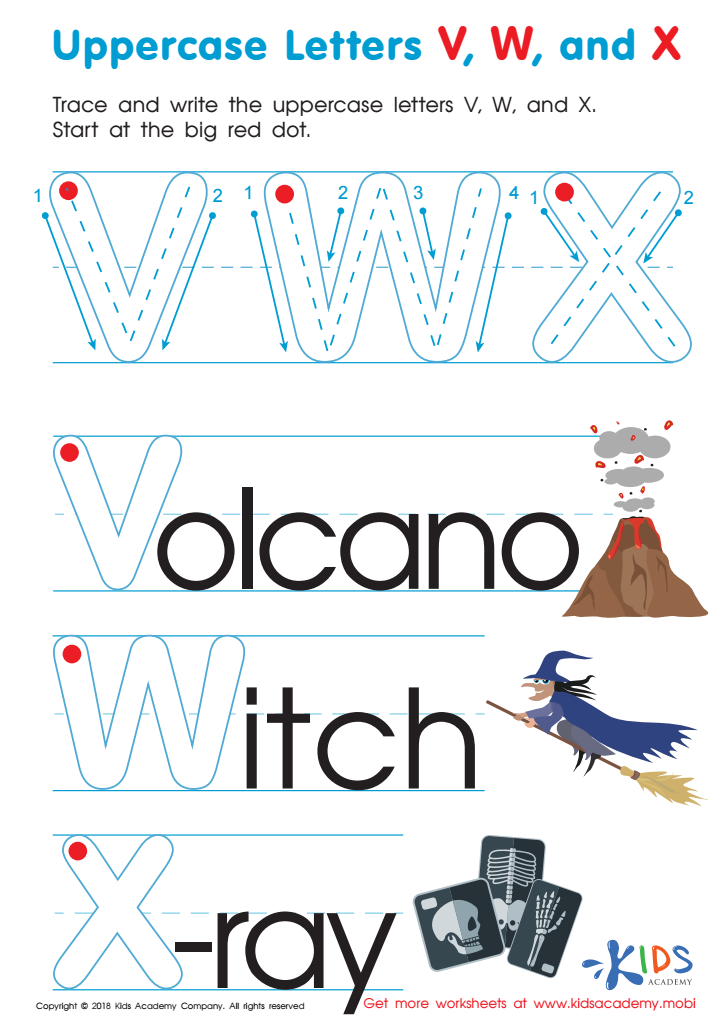
Uppercase Letters V, W, and X Worksheet






Alphabet recognition of both uppercase and lowercase letters is a foundational skill critical for children aged 6-9. During these crucial early years, mastering this skill lays the groundwork for a child's reading and writing abilities. Recognizing letters allows children to understand that written symbols correspond to sounds in spoken language. This phonemic awareness facilitates the decoding process, making it easier for children to read new words and comprehend texts.
Moreover, it helps with other essential literacy components like spelling and grammar. For example, knowing the difference between "B" and "b" can help children properly start sentences with capital letters and recognize names while keeping lowercase letters consistent.
Parents and teachers should focus on both uppercase and lowercase alphabet recognition because texts children encounter daily (like books, worksheets, and digital screens) contain a mix of both. Adequate instruction and practice in recognizing these letters can avoid confusion and foster confidence when reading or writing.
Finally, early proficiency in alphabet recognition can positively impact a child's attitude toward learning, reducing frustration and encouraging a love of reading. This is particularly important as children's attitudes towards school can influence their academic and emotional development. Engaging children in activities that reinforce this recognition can make learning feel like a fun, attainable challenge rather than a daunting task.







