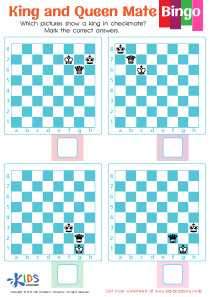
Memory enhancement Normal Chess Worksheets for Ages 6-9
3 filtered results
-
From - To
Unlock your child’s cognitive potential with our Memory Enhancement Normal Chess Worksheets tailored for ages 6-9. Designed by education experts, these engaging worksheets sharpen young minds by combining traditional chess activities with memorable learning exercises. By solving chess puzzles and remembering moves, children strengthen their memory, focus, and problem-solving abilities. Each worksheet is crafted to make learning exciting and rewarding, promoting strategic thinking and concentration. With our fun, educational worksheets, your child can enjoy hours of stimulating chess-based challenges that enhance memory skills while fostering a love for one of the world's oldest games.
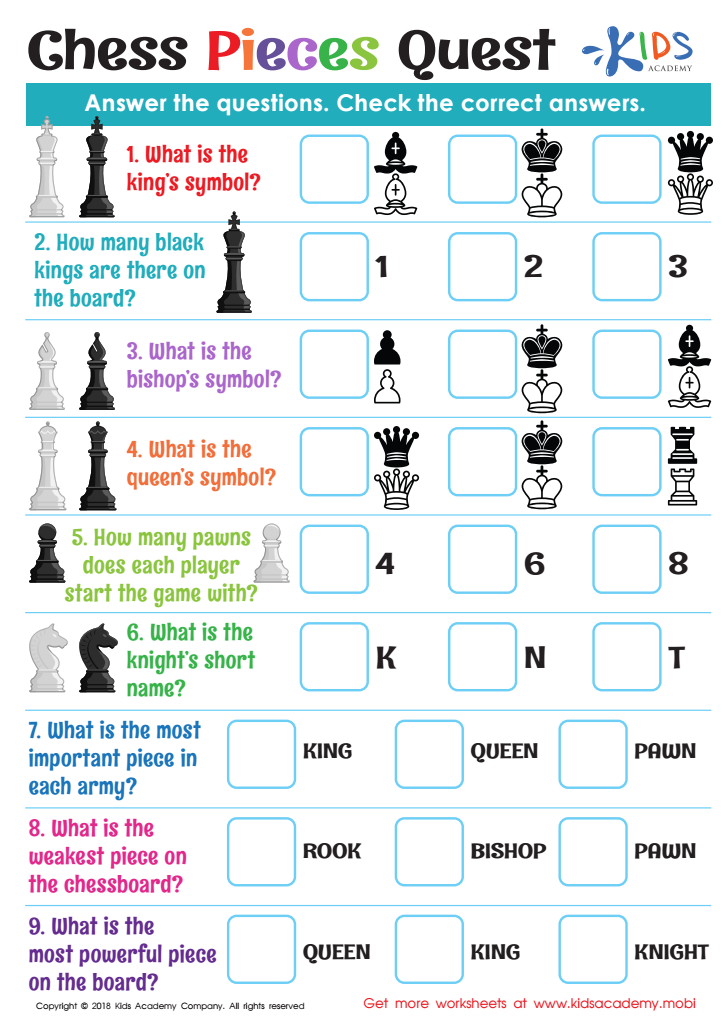
Chess Pieces Quest Worksheet
 Assign to My Students
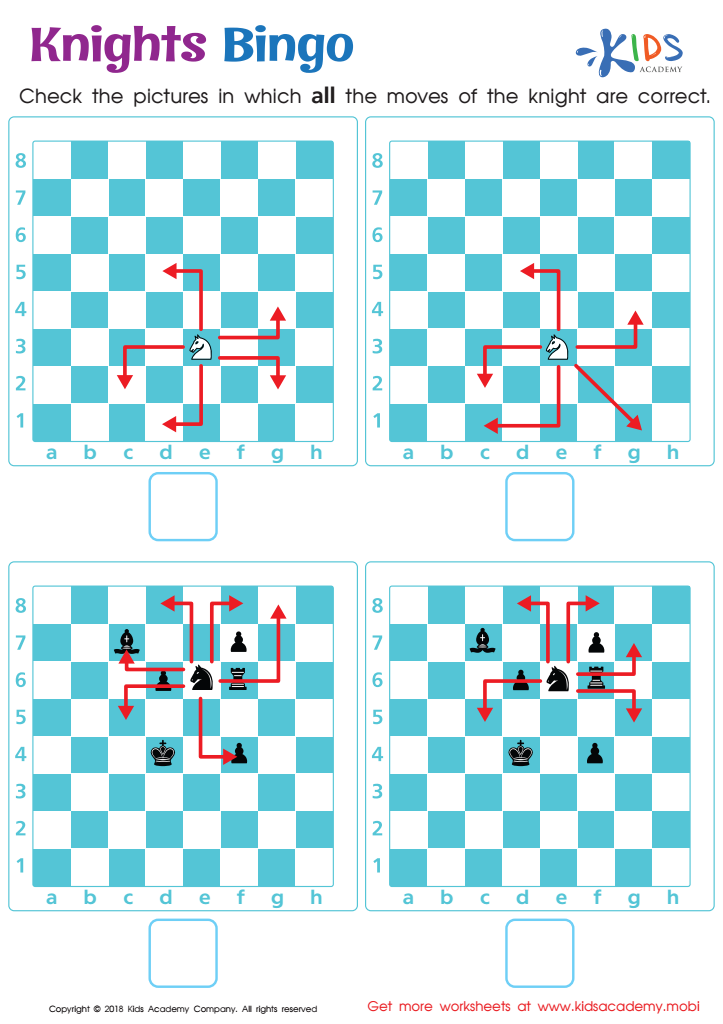
Knights Bingo Worksheet
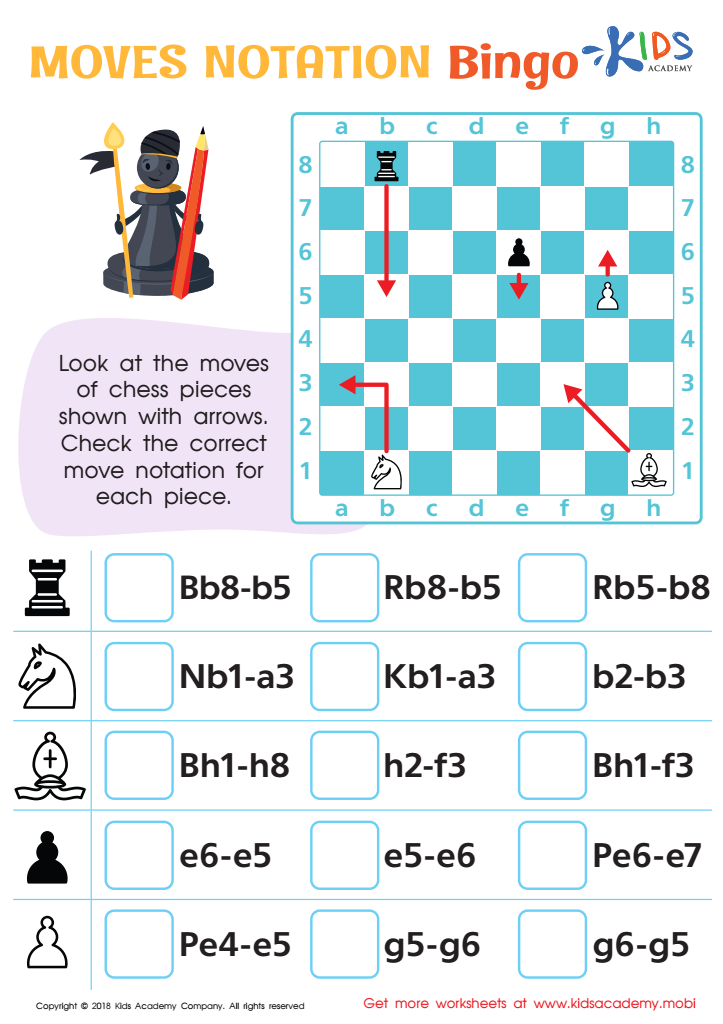
Moves Notation Bingo Worksheet



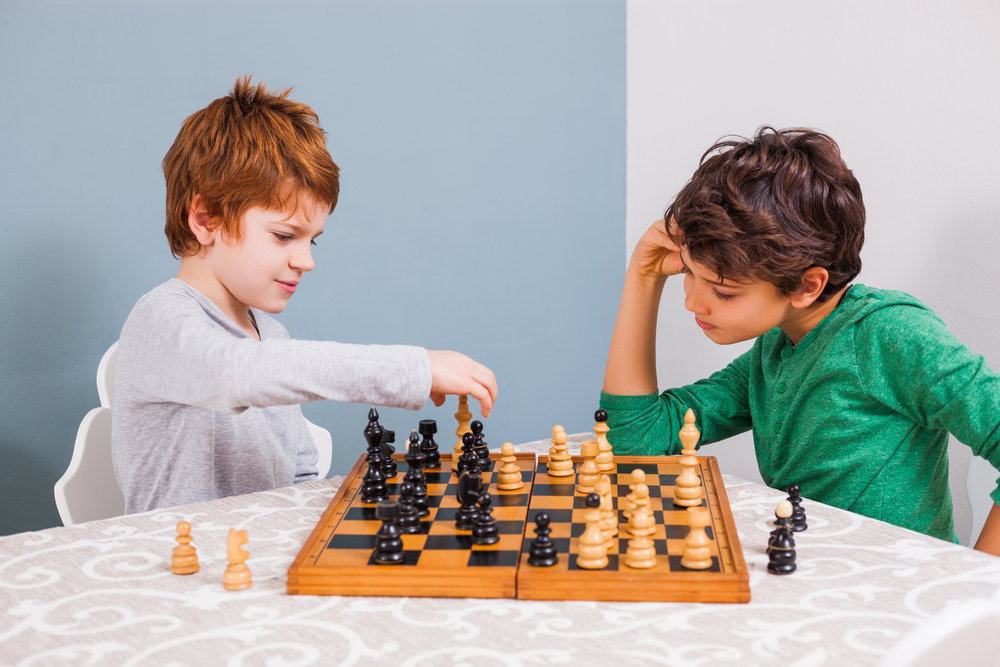

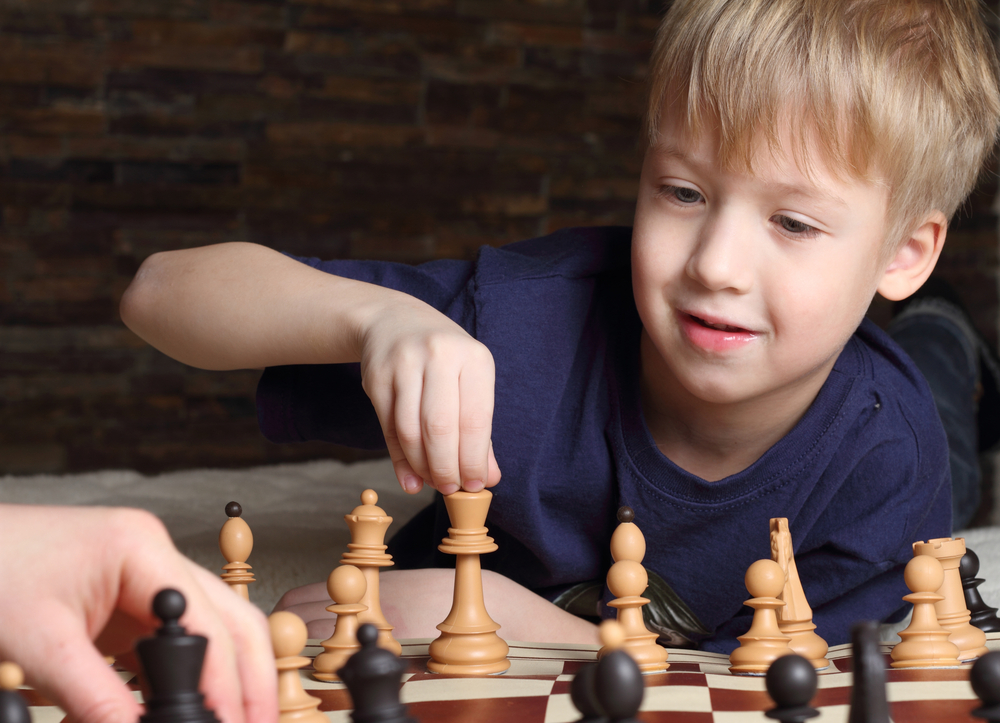
Memory enhancement through playing Normal Chess can be incredibly beneficial for children aged 6-9 for several reasons. First and foremost, it enhances cognitive skills. Chess requires players to remember the positions of various pieces, possible moves, and potential strategies, thus actively engaging a child's working memory. Strengthening this aspect can lead to improved performance in academic areas, particularly in subjects that require logical thinking and problem-solving, like mathematics.
In addition to cognitive benefits, playing chess fosters concentration and focus. Children must pay attention to their opponent's moves and think ahead, which can help improve their ability to concentrate on a given task. This skill can be easily transferred to classroom settings, where focused attention is key to learning new material.
Chess also enhances foresight and planning. The game encourages players to think several steps ahead, considering various outcomes and strategies. This advanced thinking promotes executive functioning skills such as planning and decision-making, which are crucial for academic and real-life success.
Moreover, chess is a social activity. While engaging in this structured yet competitive game, children learn patience, sportsmanship, and how to handle wins and losses gracefully. These social skills are essential for creating a positive and respectful learning environment in school.
Overall, integrating normal chess into a child's routine can be a multifaceted tool for enhancing both cognitive and social abilities.