Alphabetical order understanding Normal Worksheets for Ages 6-9
3 filtered results
-
From - To
Discover our engaging "Alphabetical Order Understanding Normal Worksheets," designed specifically for children aged 6-9! These comprehensive worksheets aim to enhance your child's grasp of alphabetical order through interactive and fun activities. Each worksheet features colorful illustrations and varied exercises that guide young learners in organizing words alphabetically, helping expand their vocabulary and language skills. Ideal for classroom use or at-home learning, our resources promote critical thinking and boost literacy abilities. Whether they are sorting words or understanding the sequence, these worksheets create an exciting journey into the world of letters. Enrich your child's learning experience today with our thoughtfully designed worksheets!
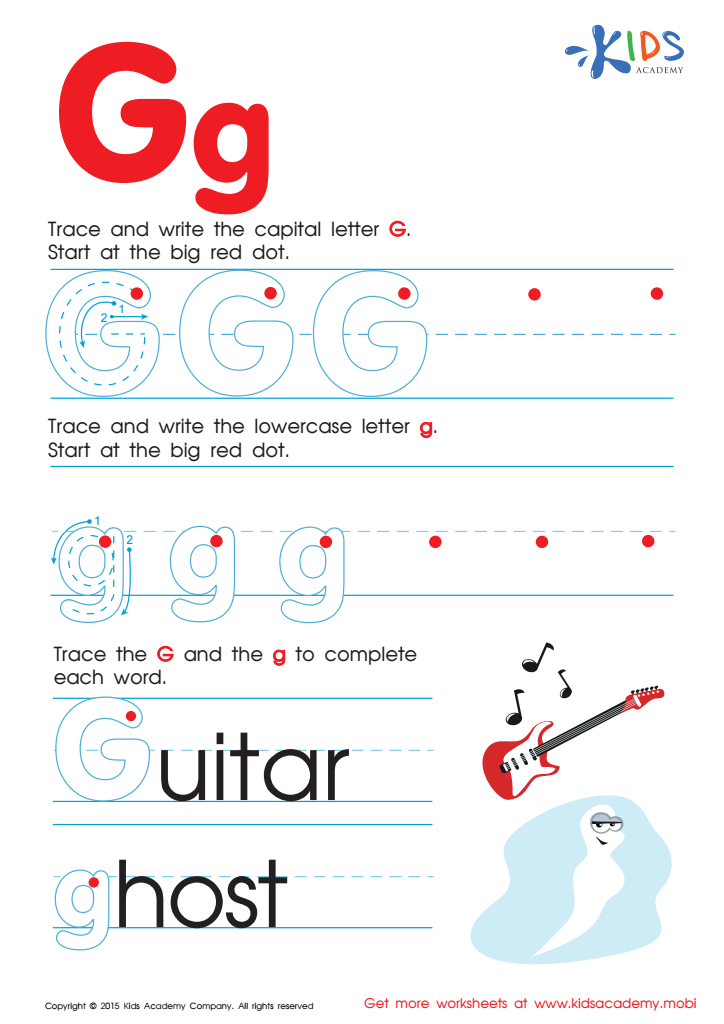
Letter G Tracing Page
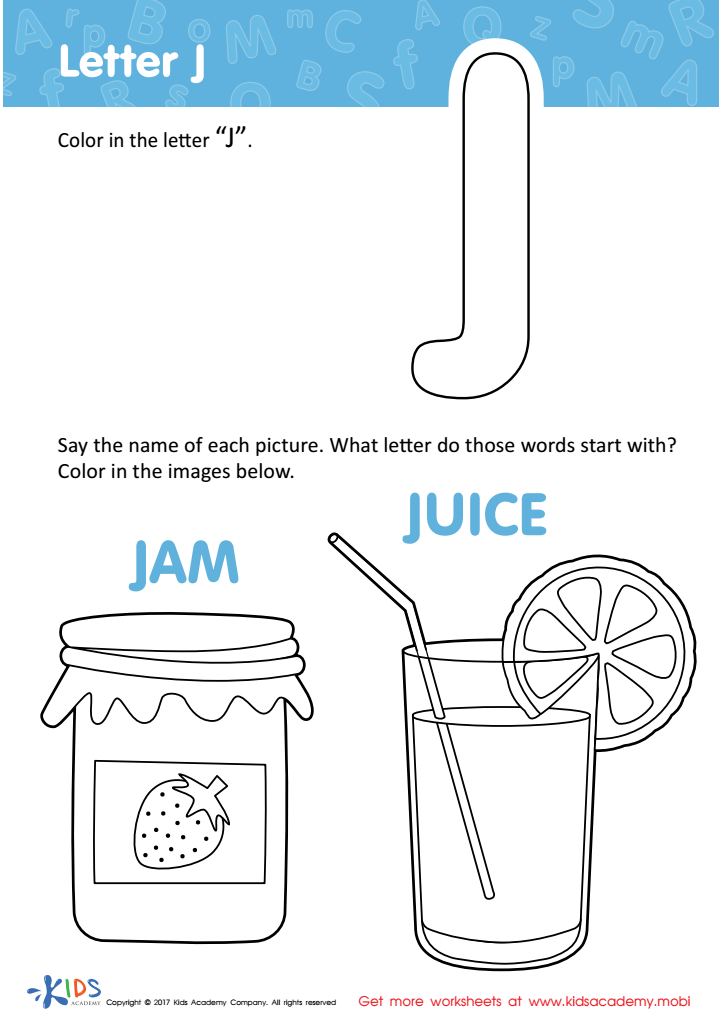
Letter J Coloring Sheet
 Assign to My Students
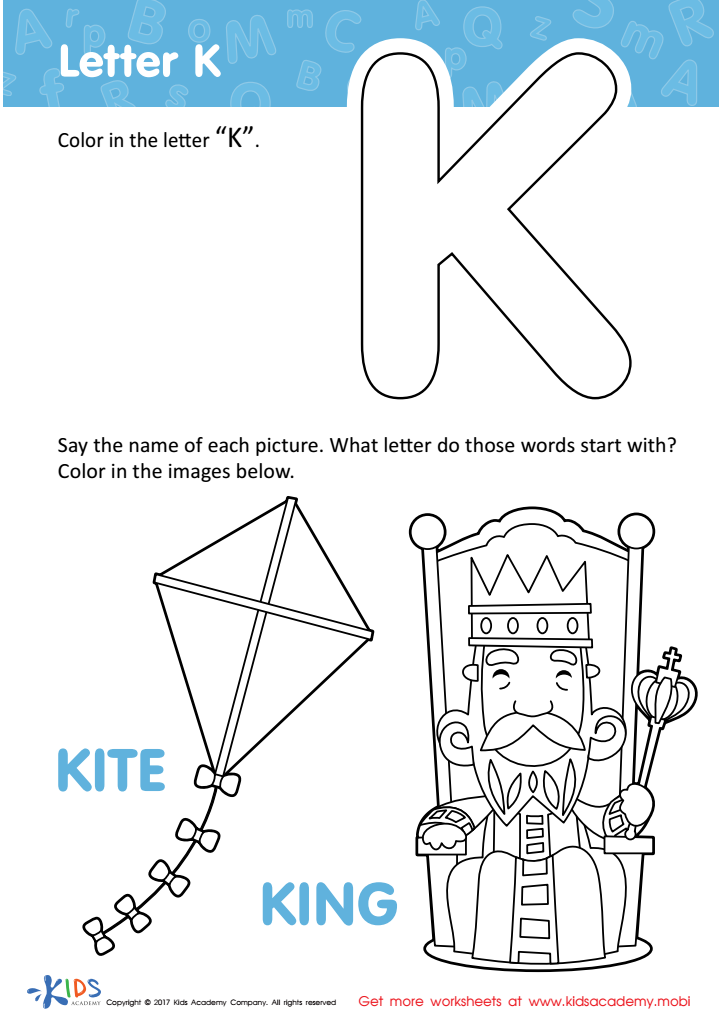
Letter K Coloring Sheet
Assign to My Students







Understanding alphabetical order is crucial for children ages 6-9 for several reasons. Firstly, it enhances literacy skills, which are foundational for successful reading and writing. Alphabetizing helps children recognize letters and sounds, reinforcing phonetic skills as they learn to correlate letters with their respective sounds, which is essential for early reading development.
Secondly, learning to alphabetize fosters organizational skills. As children practice putting words or items in alphabetical order, they develop an ability to categorize and systematize information—skills that will benefit them throughout their education and into adulthood. This skill comes in handy in various contexts, such as using dictionaries, encyclopedias, and lists, making research tasks easier and more efficient.
Moreover, understanding alphabetical order builds confidence. As children master this skill, they gain a sense of accomplishment that motivates them to tackle more complex concepts. It encourages independence and enhances classroom collaboration, as students work together on organizing activities or conducting research.
Finally, early familiarity with alphabetical order supports social navigation in school settings, where understanding lists and order is essential for working on group projects or managing classroom materials. Overall, prioritizing alphabetical order learning helps set a strong, comprehensive educational foundation for children.








