Analyzing data Normal Worksheets for Ages 6-9
5 filtered results
-
From - To
Discover our engaging "Analyzing Data Normal Worksheets" designed specifically for children aged 6-9. These printable worksheets provide a fun and interactive way for young learners to develop essential data analysis skills. With a variety of activities, kids will practice interpreting simple graphs, charts, and tables, enhancing their ability to categorize and analyze information effectively. Perfect for reinforcing classroom learning or for at-home practice, these worksheets promote critical thinking and problem-solving skills in an enjoyable format. Spark your child’s curiosity about data and help them build a strong foundation in analytical reasoning with our age-appropriate resources!
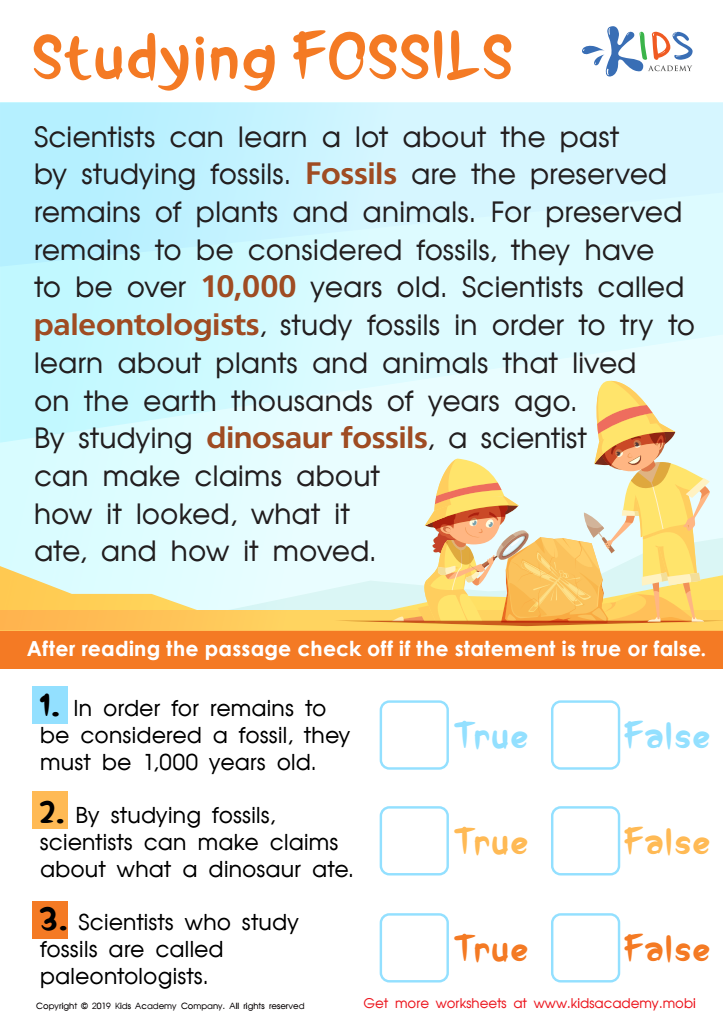
Studying Fossils Worksheet
 Assign to My Students
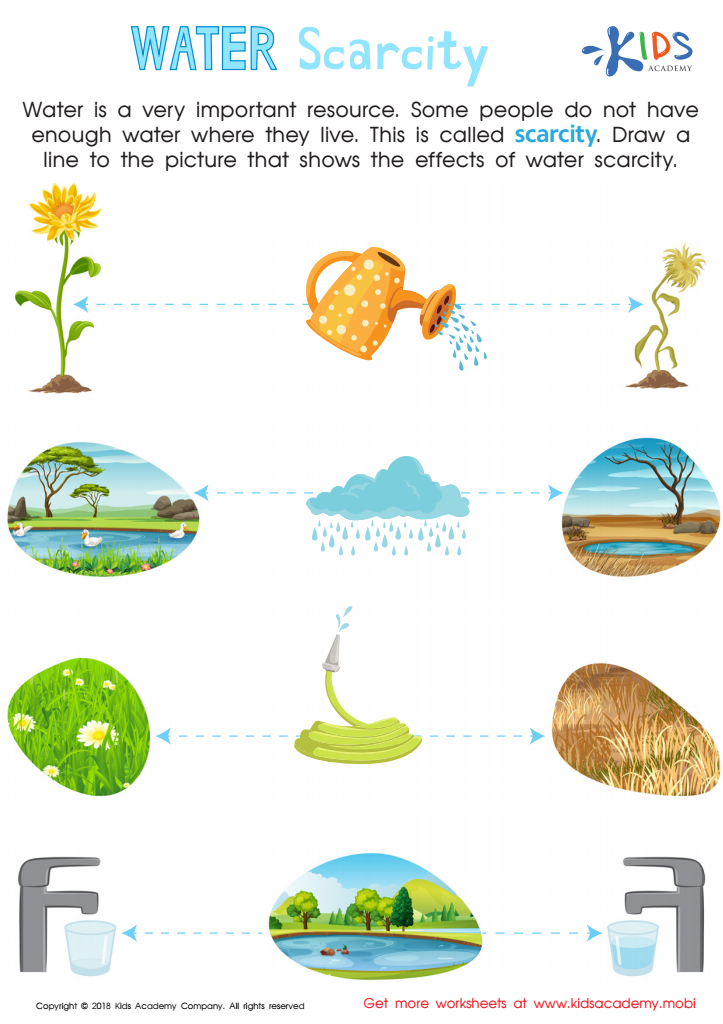
Water Scarcity Worksheet
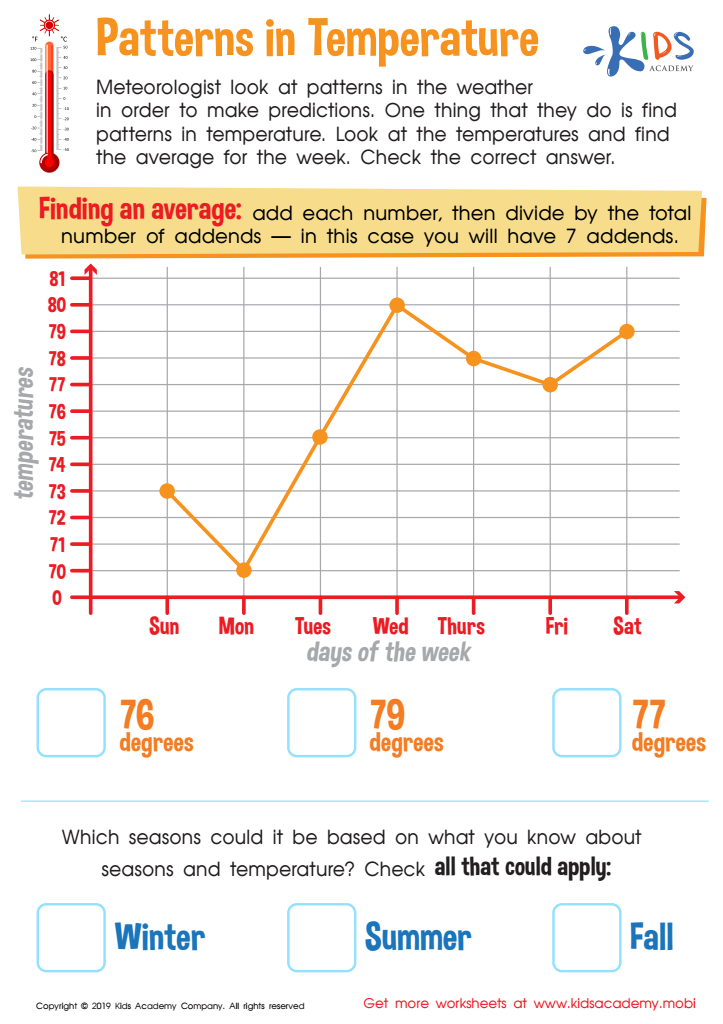
Patterns in Temperature Worksheet
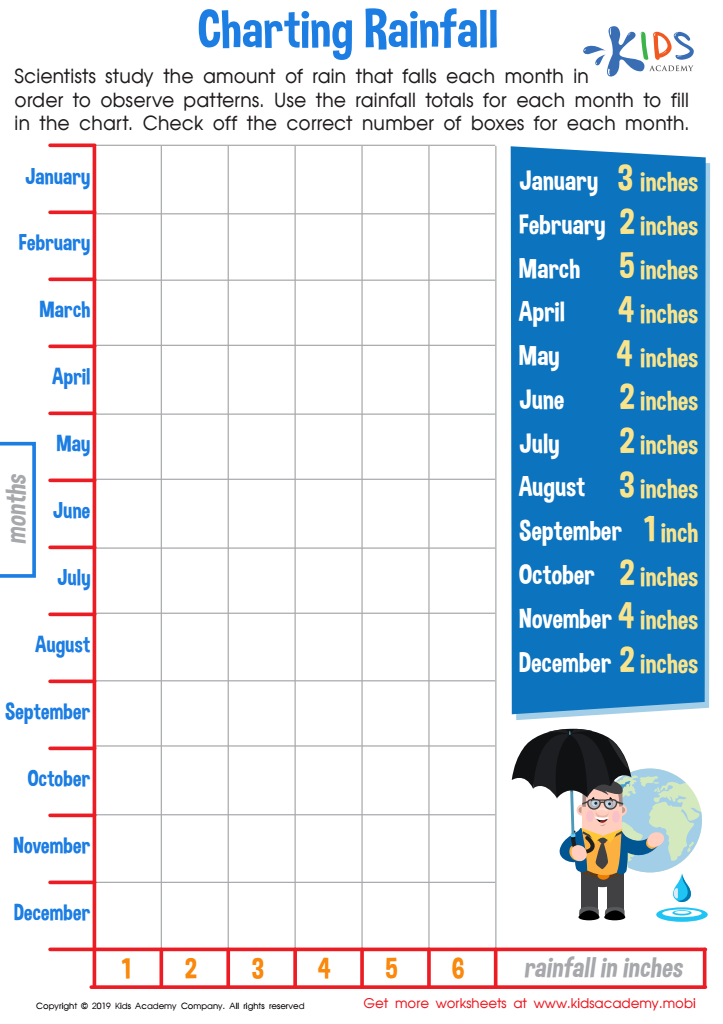
Charting Rainfall Worksheet
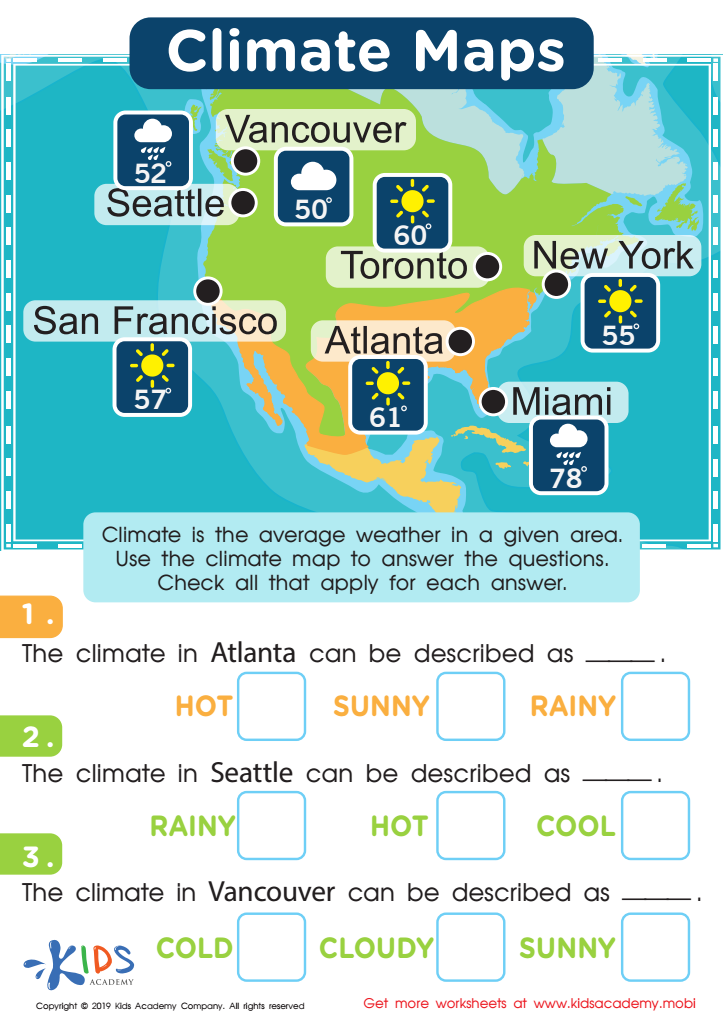
Climate Maps Worksheet








Analyzing data is crucial for parents and teachers of children aged 6-9 as it provides insights into students' learning progress, enables better instructional planning, and fosters targeted support. During these formative years, kids are developing foundational skills in literacy, numeracy, and social interactions. By examining data, educators can identify individual strengths and weaknesses, allowing them to tailor lessons that meet diverse learning needs.
For parents, understanding data-driven assessments can facilitate productive discussions with teachers about their child's educational journey. It helps them to understand areas where their child excels or might require additional help, promoting a collaborative environment for improvement.
Additionally, in this digital age, data plays a significant role in tracking behavioral patterns and social skills, providing a broader perspective on a child’s development. When educators and parents work together to analyze data, it fosters a more comprehensive understanding of each child's unique capabilities and challenges.
Ultimately, teachers and parents should care about analyzing data, as it empowers them to make informed decisions that can enhance the learning experience, boost student motivation, and create a supportive pathway for academic success. Engaging with data not only enriches education but also prepares children for a future where data literacy is crucial.








