Associative learning Normal Worksheets for Ages 6-9
5 filtered results
-
From - To
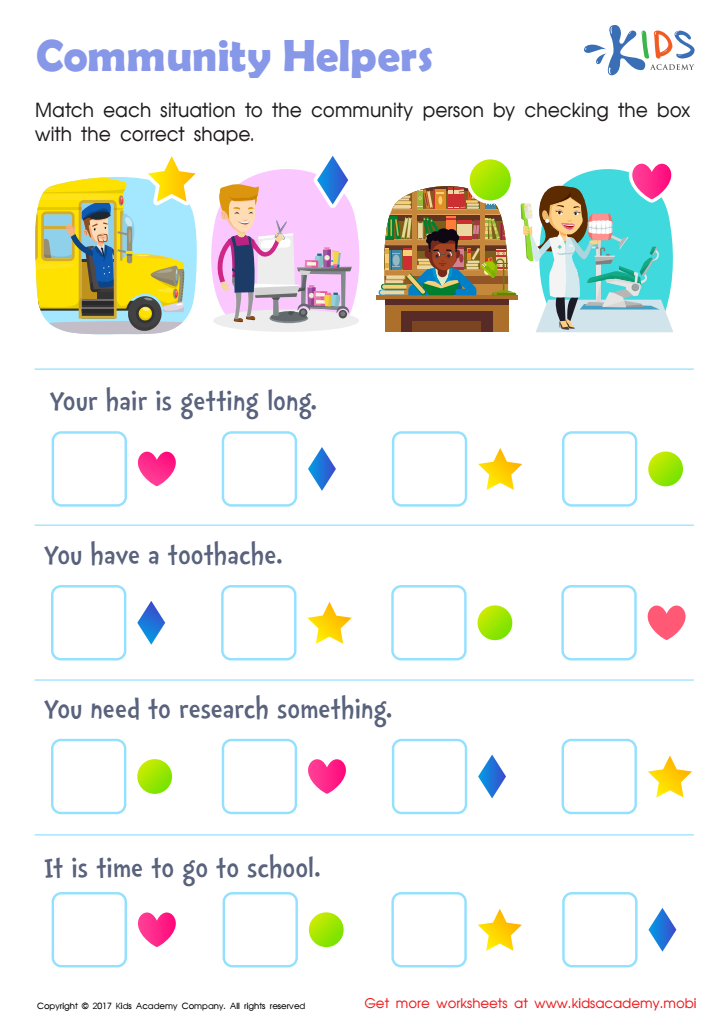
Discover our "Associative Learning Normal Worksheets" designed specifically for children ages 6-9. These engaging and interactive worksheets aim to strengthen your child's ability to make connections between concepts, enhancing their critical thinking and problem-solving skills. With a variety of activities that include matching, sorting, and categorization, children will develop their understanding of relationships in a fun and enjoyable way. Our resources are perfect for classroom settings or at-home learning, promoting cognitive development while keeping kids entertained. Explore colorful designs and age-appropriate content to inspire curiosity and further learning. Start your child's journey into associative learning today!
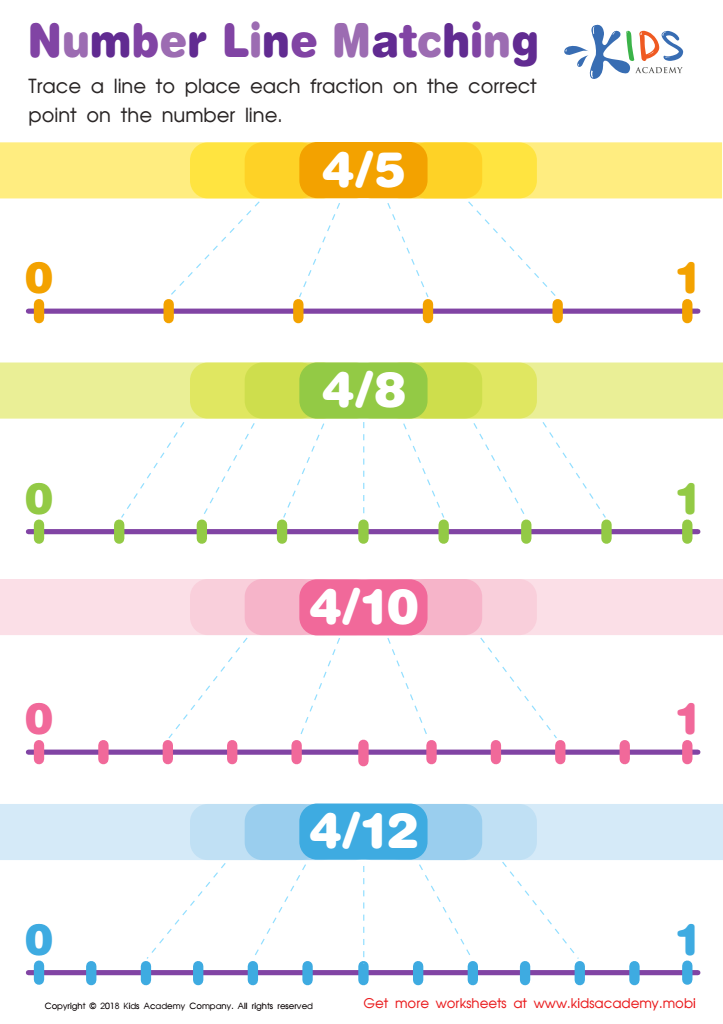
Number Line Matching Worksheet
 Assign to My Students
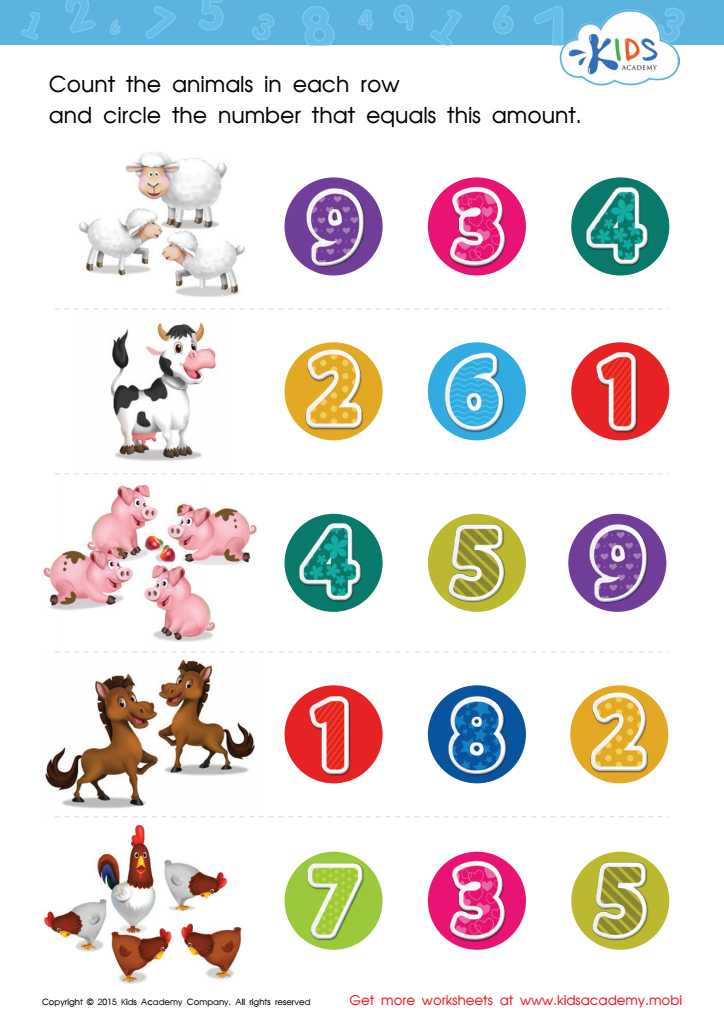
Count and Match 1 – 5 Math Worksheet
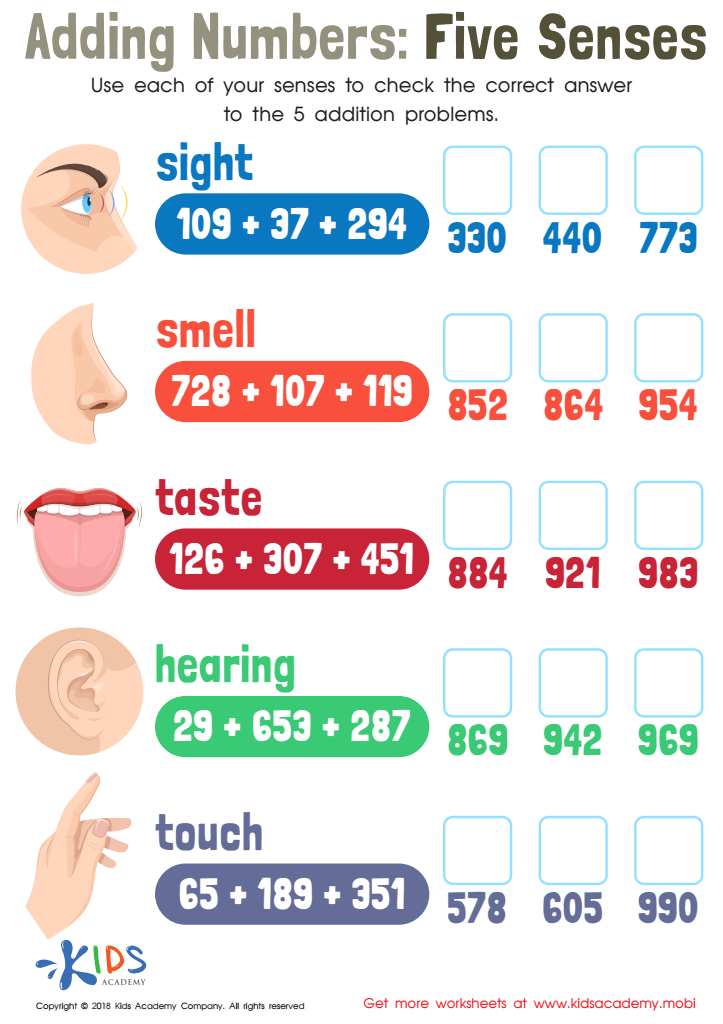
Adding Numbers: Five Senses Worksheet
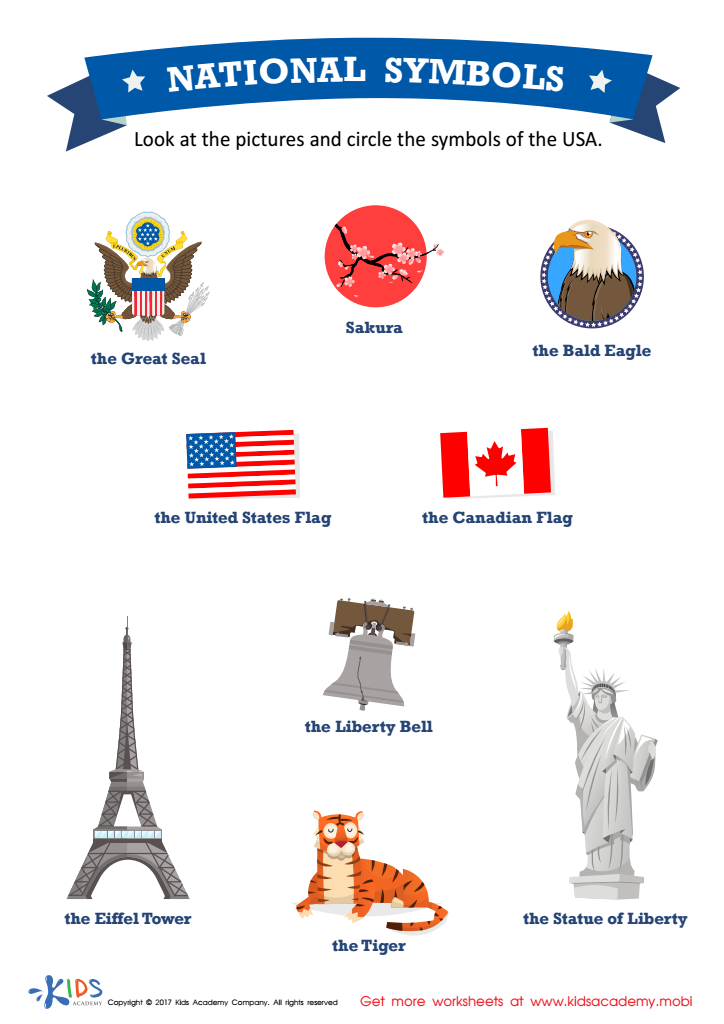







Associative learning is a crucial cognitive process, particularly for children aged 6-9, as it lays the foundation for a multitude of essential skills. At this developmental stage, children begin to link new information with existing knowledge through associations. This helps enhance their comprehension, memory, and problem-solving abilities.
Parents and teachers should care about fostering associative learning because it supports academic achievement. For instance, when children connect mathematical concepts to real-world scenarios, such as using counting while baking, they reinforce their understanding and retention of those concepts. Furthermore, associative learning can foster emotional and social development. For example, children may recognize emotional cues in a story and relate them to their own feelings, enhancing empathy.
Additionally, promoting associative learning encourages curiosity and exploration. By engaging children in experiential activities — such as hands-on experiments or storytelling — educators and parents can cultivate a love for learning. As children form associations, they not only acquire knowledge but also develop critical thinking skills that benefit them throughout life.
Ultimately, supporting associative learning helps build a solid foundation for lifelong learning, equipping children with the tools they need to navigate academics and social situations successfully.








