Data interpretation Normal Worksheets for Ages 6-9
5 filtered results
-
From - To
Explore our "Data Interpretation Normal Worksheets for Ages 6-9" to boost your child's analytical skills! Perfect for young learners, these worksheets by Kids Academy focus on essential data interpretation skills through fun, engaging exercises like reading graphs, understanding charts, and comparing data. Designed to align with classroom learning, these activities help kids practice critical thinking while making data analysis enjoyable and interactive. Ideal for both homeschooling and additional practice, these resources enable kids to excel in math and science. Help your child build a solid foundation in data interpretation—try these worksheets today!
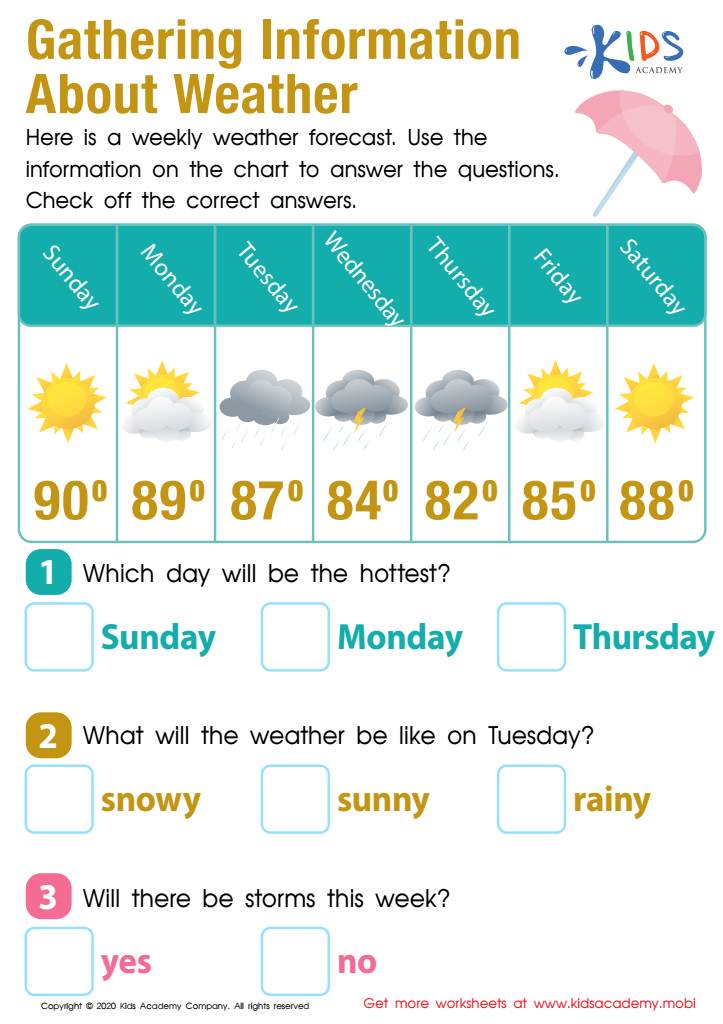
Gathering Information About the Weather Worksheet
 Assign to My Students
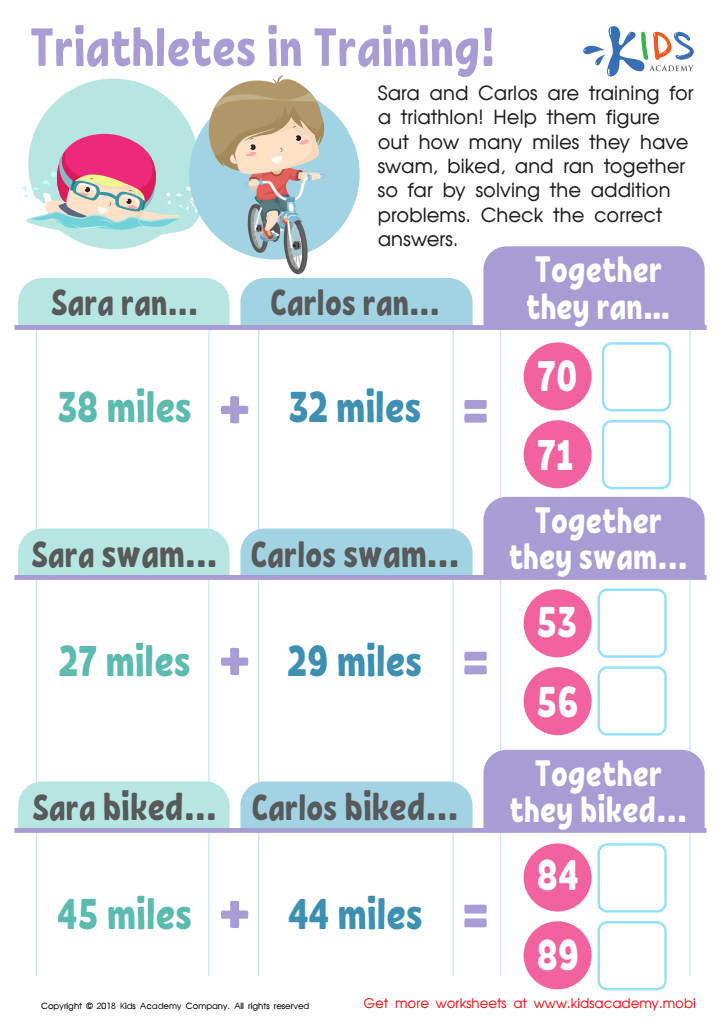
Triathletes in Training Worksheet
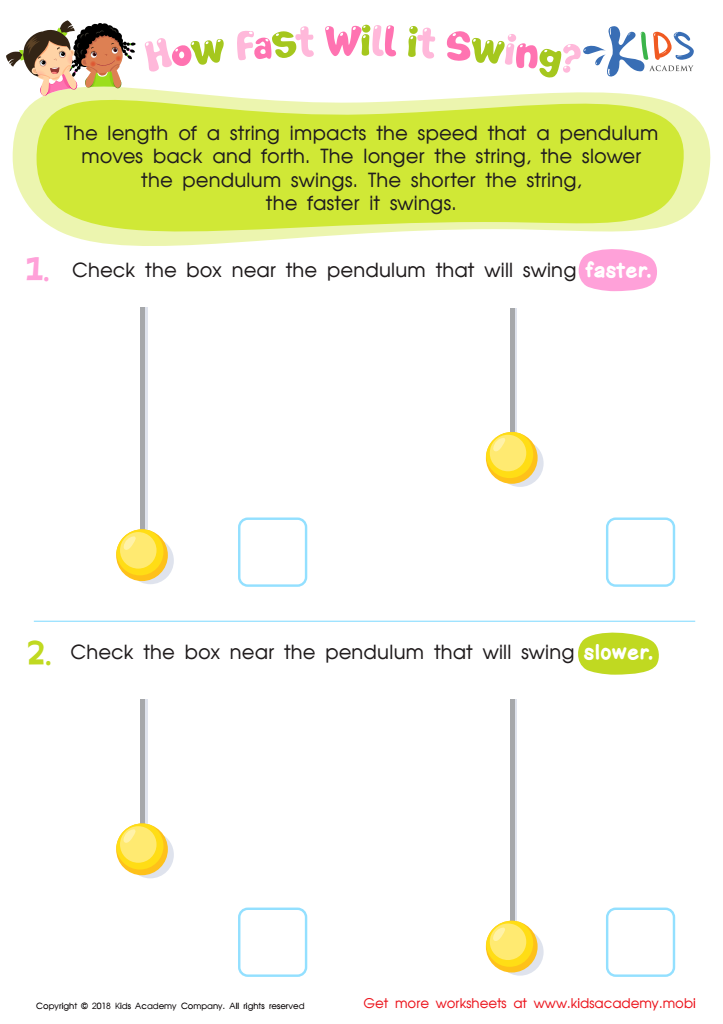
Pendulum Experiment Worksheet For 3rd Grade
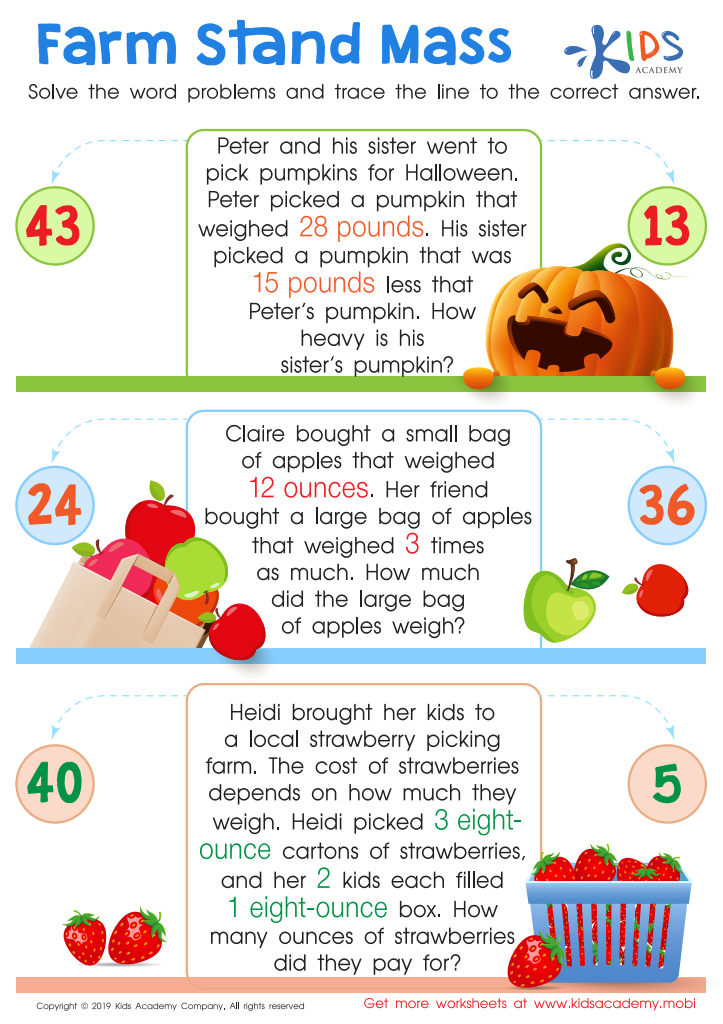
Farm Stand Mass Worksheet
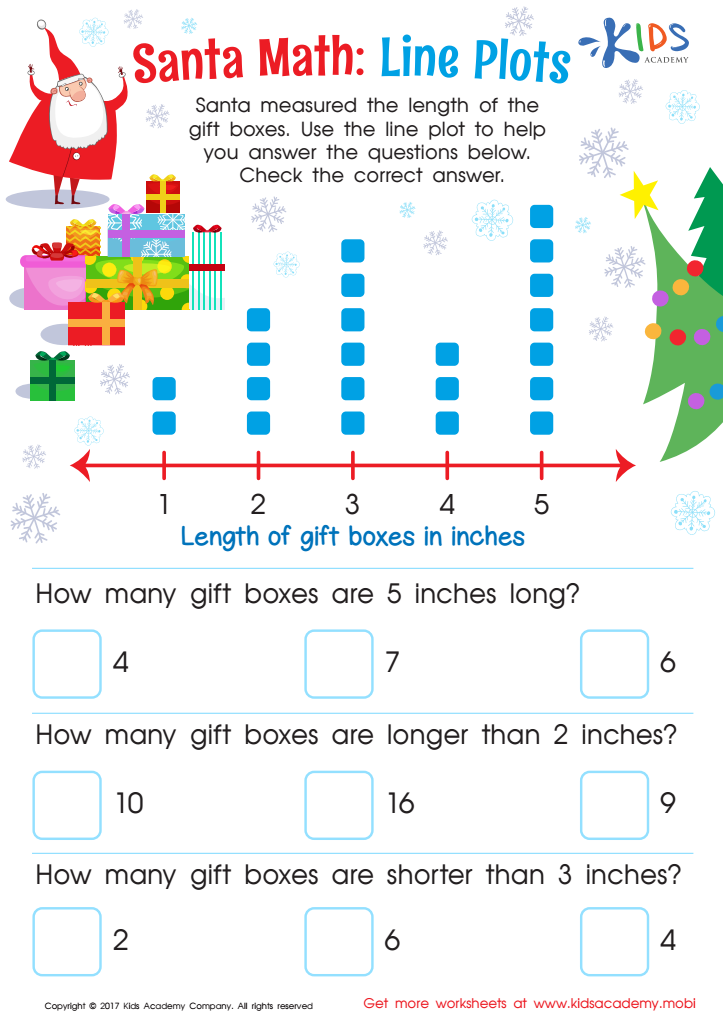
Line Plot Worksheet



.jpg)



Data interpretation skills are essential building blocks for young children, fostering their ability to understand and interact with an increasingly data-driven world. For children aged 6-9, mastering fundamental concepts such as interpreting graphs, understanding basic statistics, and recognizing patterns is crucial for several reasons.
Firstly, data interpretation nurtures critical thinking and analytical skills. By learning how to read charts, tables, and graphs, children learn to ask questions, make predictions, and draw conclusions based on evidence. These skills support problem-solving and logical reasoning, which are valuable across all areas of learning and everyday decision-making.
Secondly, incorporating these skills early on aligns with educational standards that emphasize inquiry-based learning and STEM (Science, Technology, Engineering, and Mathematics) competence. Early exposure ensures that children are better prepared for more complex math and science concepts they will encounter later in their academic journey.
Furthermore, understanding data is a vital life skill. As future consumers and citizens, children will constantly interpret data whether it’s comparing prices, understanding health statistics, or interpreting poll results. Proficiency in data literacy helps them to make informed choices and become responsible, knowledgeable members of society.
Therefore, parents and teachers should prioritize data interpretation for young learners to cultivate a strong foundation for their intellectual development and practical life skills.








