Developing analytical thinking Normal Worksheets for Ages 6-9
5 filtered results
-
From - To
Enhance your child's analytical skills with our specially-designed worksheets for ages 6-9. These worksheets are crafted to stimulate young minds, encouraging them to think critically and solve problems effectively. Perfectly suited for early learners, each worksheet combines fun activities with educational content to build foundational analytical thinking. Topics covered include pattern recognition, logical sequences, and spatial understanding. By integrating these worksheets into daily learning routines, parents and educators can foster a child's ability to analyze, reason, and apply logic in various scenarios. Give your child a head start with tools that make thinking analytically both engaging and enjoyable.
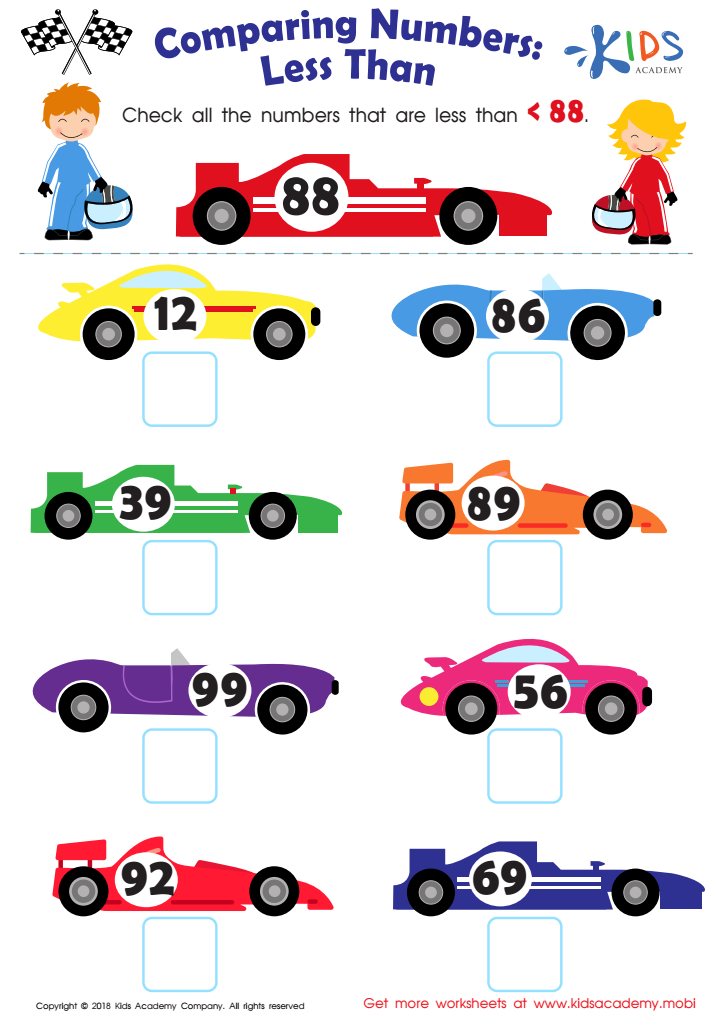
Less Than Worksheet
 Assign to My Students
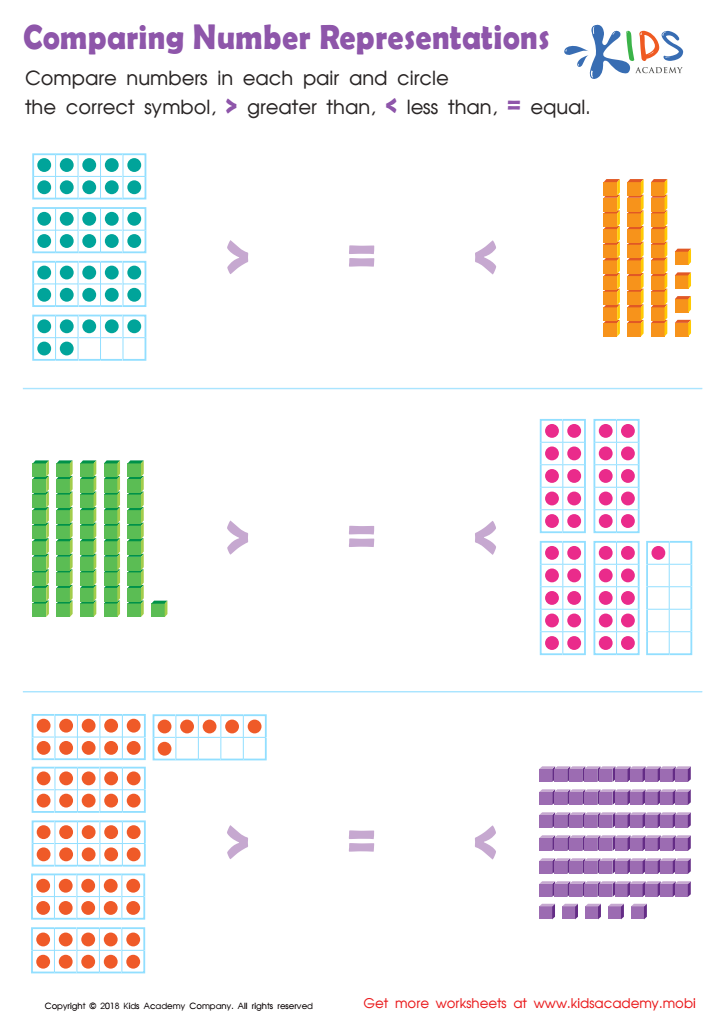
Comparing Number Representations Worksheet
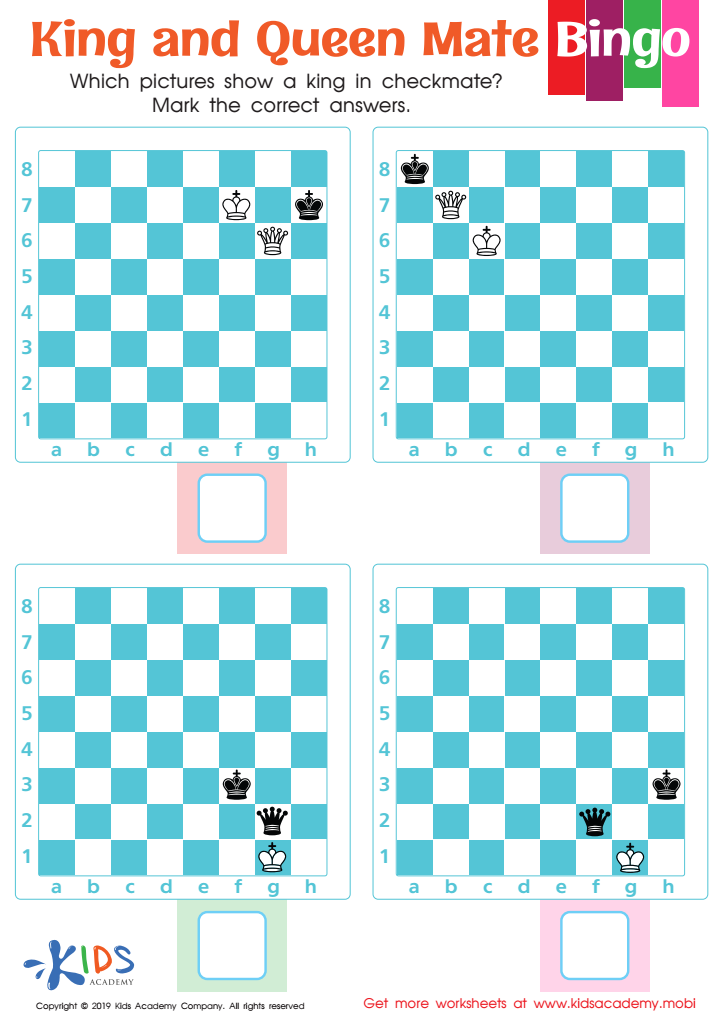
King and Queen Mate: Bingo Worksheet
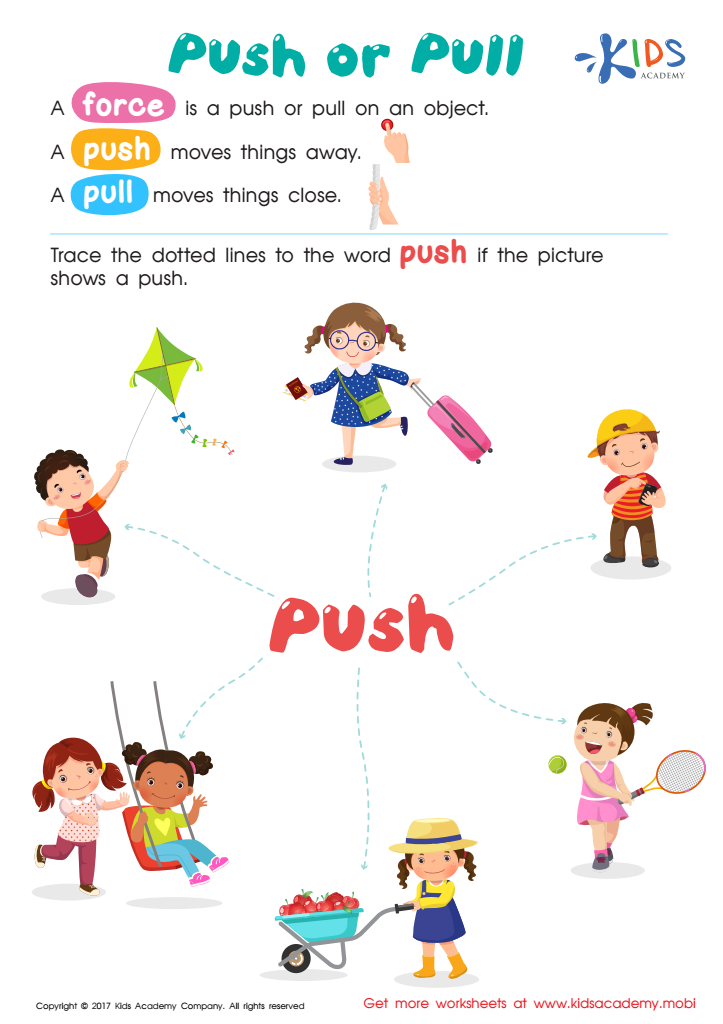
Push or Pull Worksheet
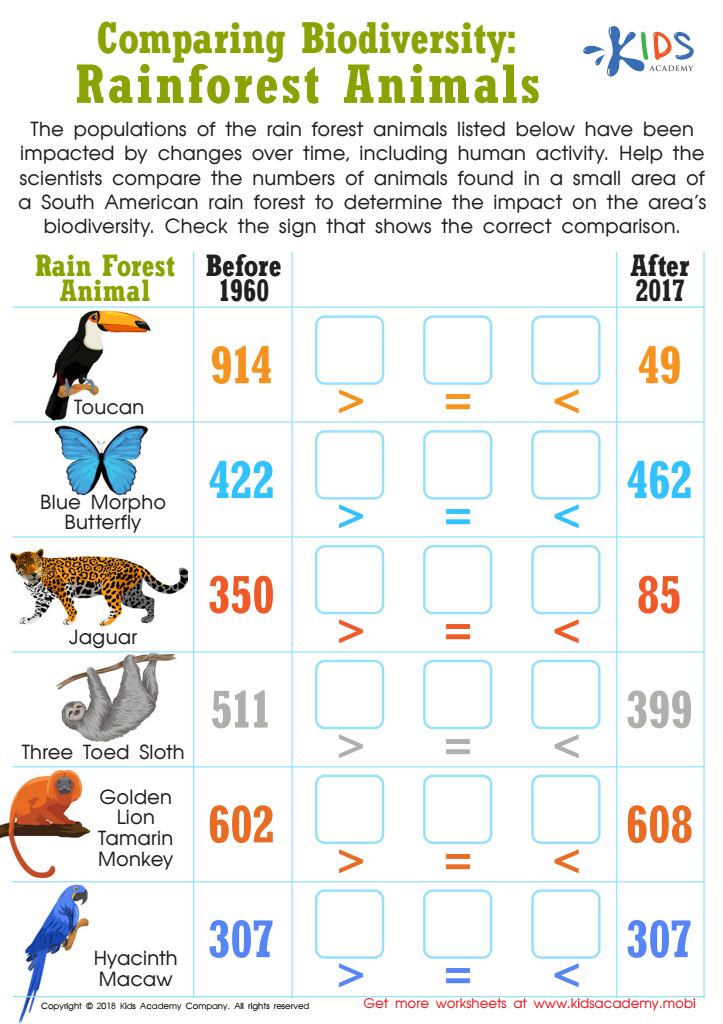
Comparing Biodiversity: Rainforest Animals Worksheet





Developing analytical thinking in children aged 6-9 is crucial for their cognitive and overall development. At this impressionable stage, children's brains are like sponges, ready to absorb and process information from their environments. Encouraging analytical thinking helps them learn to evaluate information critically, discern patterns, and make reasoned decisions.
For parents and teachers, nurturing such skills can have lasting benefits. Analytical thinkers are better problem solvers, capable of approaching complex situations with logical approaches. This ability translates into improved academic performance, not just in subjects like math and science, but across the board as they learn to apply logic and reason in reading, social studies, and even art.
Moreover, analytical thinking fosters independence and confidence. Children learn to trust their reasoning abilities, making them more likely to engage actively in learning and contribute in classroom discussions. In the long term, these skills prepare them for future challenges, equipping them to navigate the rigors of higher education and diverse life situations.
Beyond academics, analytical thinking aids social interactions. Children who can think analytically are better at understanding perspectives, resolving conflicts, and making thoughtful, empathetic choices. Overall, investing in developing analytical thinking skills lays a firm foundation for a child's success, well-being, and lifelong learning.








