
Fine motor skills (drawing) Normal Worksheets for Ages 6-9
4 filtered results
Difficulty Level
Grade
Age
-
From - To
Subject
Activity
Standards
Discover our engaging "Fine Motor Skills (Drawing) Normal Worksheets" designed specifically for children aged 6 to 9. These worksheets promote the development of essential fine motor skills through creative drawing activities. Each worksheet provides fun, age-appropriate challenges that encourage children to enhance their hand coordination, control, and dexterity. Whether they are tracing lines, coloring intricate designs, or completing simple drawings, your child will enjoy enhancing their artistic abilities while improving their cognitive skills. Perfect for teachers, parents, or caregivers looking to support skill development at home or in the classroom, these downloadable resources make learning effective and enjoyable! Start nurturing creativity today!
Favorites
With answer key
Interactive
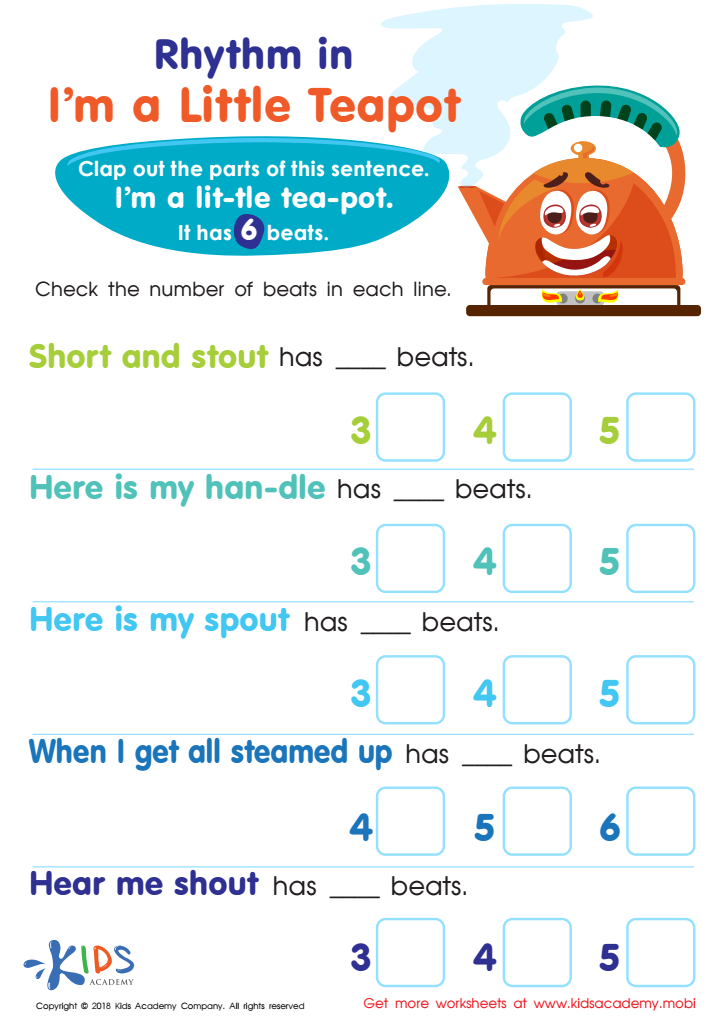
Rhythm in I'm a Little Teapot Worksheet
Clap along and count the beats of this classic children's song! With this worksheet, help your child read and clap out each phrase. Check the boxes for the correct number of syllables in each word. Have fun counting and learning with this cute ELA activity!
 Assign to My Students
Rhythm in I'm a Little Teapot Worksheet
Worksheet
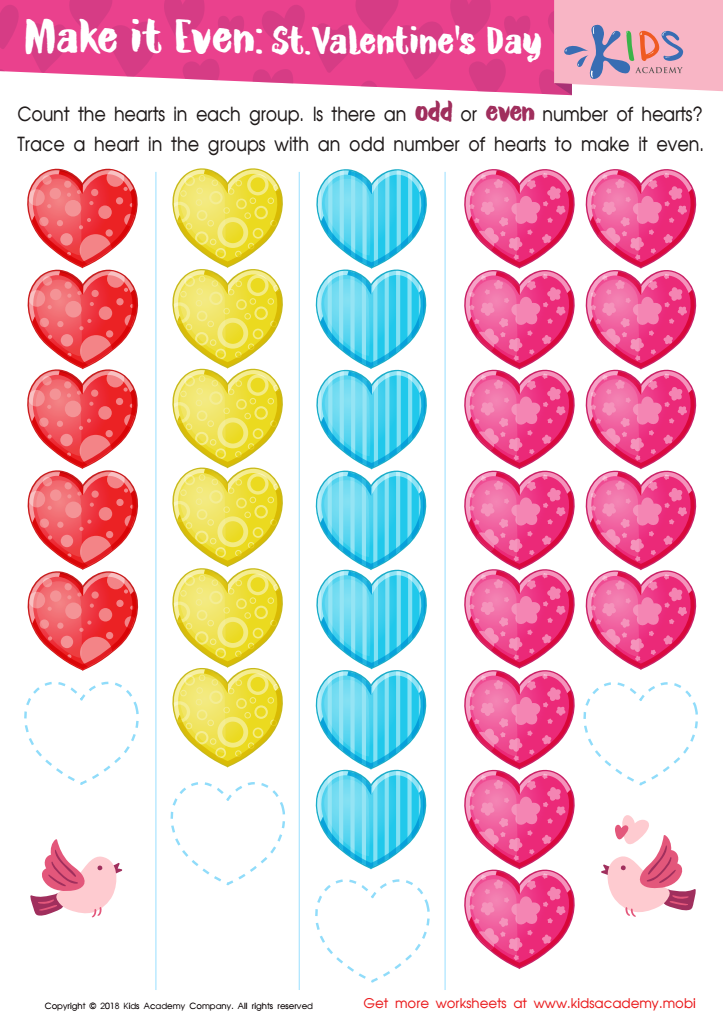
Make it Even: St. Valentine's Day Worksheet
Does your child love Valentine's Day? Make it special with this worksheet! Kids can use their counting skills to determine if each group has an even or odd number of hearts, then trace a heart in the odd groups. Help them make it even and have fun!
Make it Even: St. Valentine's Day Worksheet
Worksheet
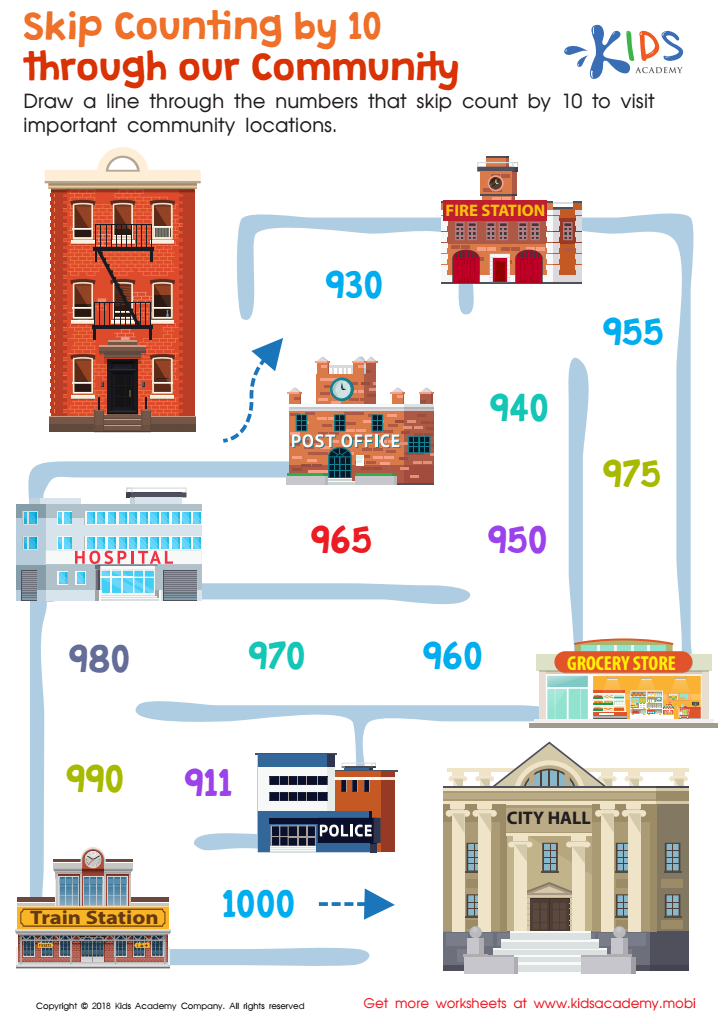
Skip Counting by 10 Through Our Community Worksheet
Our kids need to 'make a ten' and skip count by tens to boost their speed and accuracy in math. This cool, free worksheet takes them on a journey through their local community to practice counting by tens. They'll work on social studies and fine motor skills while having fun with the maze they get to count by tens in!
Skip Counting by 10 Through Our Community Worksheet
Worksheet
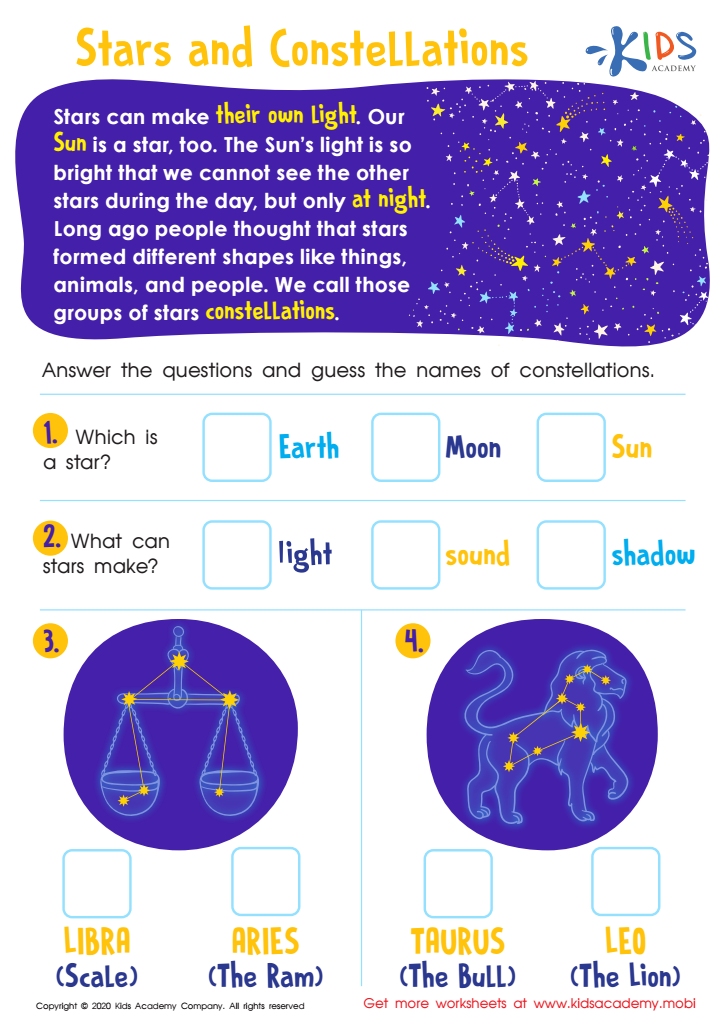
Stars and Constellations Worksheet
Learn about stars and constellations with this entertaining worksheet! Read the passage at the top of the page to gain an understanding of stars, then test your child's knowledge with the questions below. Check the right answers and finish this science worksheet with your child - they'll be amazed that stars can make their own light, just like the sun!
Stars and Constellations Worksheet
Worksheet
Join Kids Academy for Free
Who is primarily going to use this learning content?








Fine motor skills, particularly in activities like drawing, are essential for children aged 6-9 as they lay the foundation for various academic and life skills. At this stage, children develop their hand-eye coordination and dexterity, which are vital for tasks such as writing, cutting, and manipulating small objects. These skills contribute significantly to a child's ability to express themselves creatively and communicate ideas visually.
Parents and teachers should care about fine motor skills because they directly impact a child’s confidence and self-esteem. Children who can draw well often feel more capable in other areas, leading to a positive mindset toward learning. Furthermore, the process of drawing enhances cognitive development by improving concentration, promoting problem-solving abilities, and encouraging patience.
Engaging in drawing and related activities helps foster creativity and imagination, essential components of holistic education. Moreover, developmentally, proper fine motor skills can help identify children who may need additional support in their learning journey. By nurturing these skills, parents and educators can better prepare children for future challenges, both in school and everyday life, making early intervention in fine motor development critical for long-term success.








