Fine Motor Skills Normal Worksheets for Ages 6-9 - Page 6
124 filtered results
-
From - To

Letter D Tracing Page
 Assign to My Students
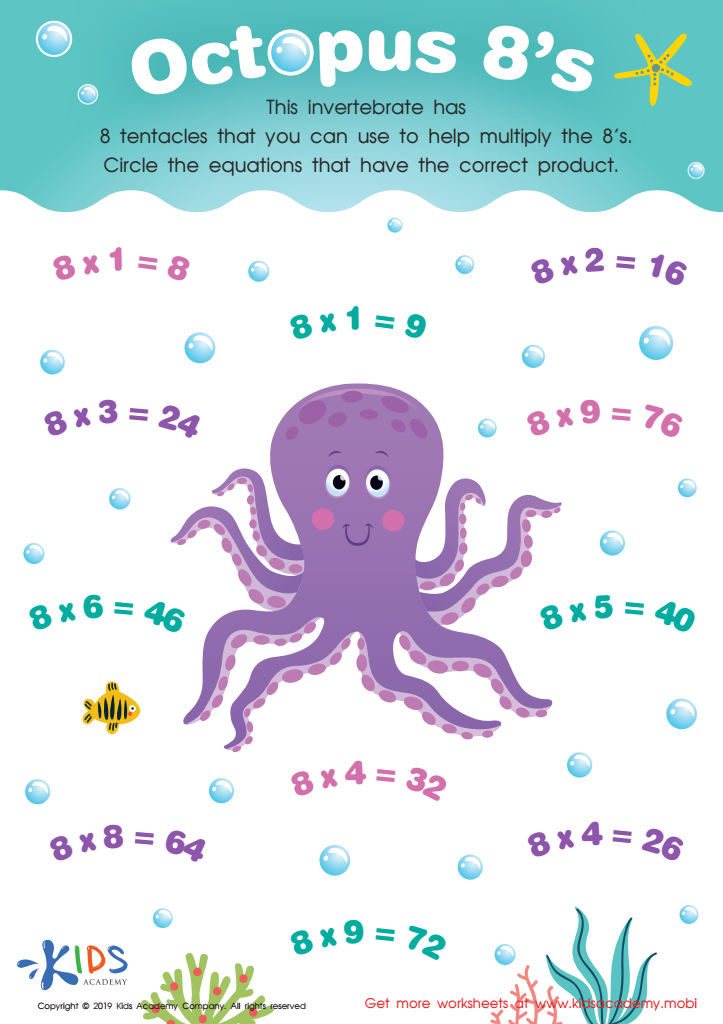
Octopus 8’s Worksheet
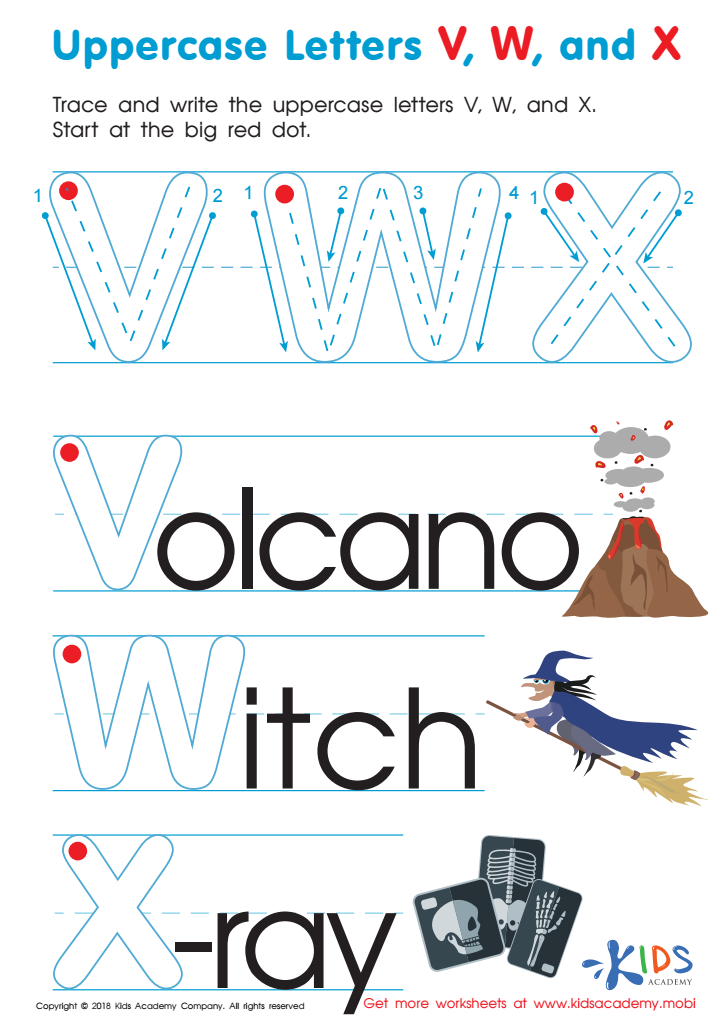
Uppercase Letters V, W, and X Worksheet
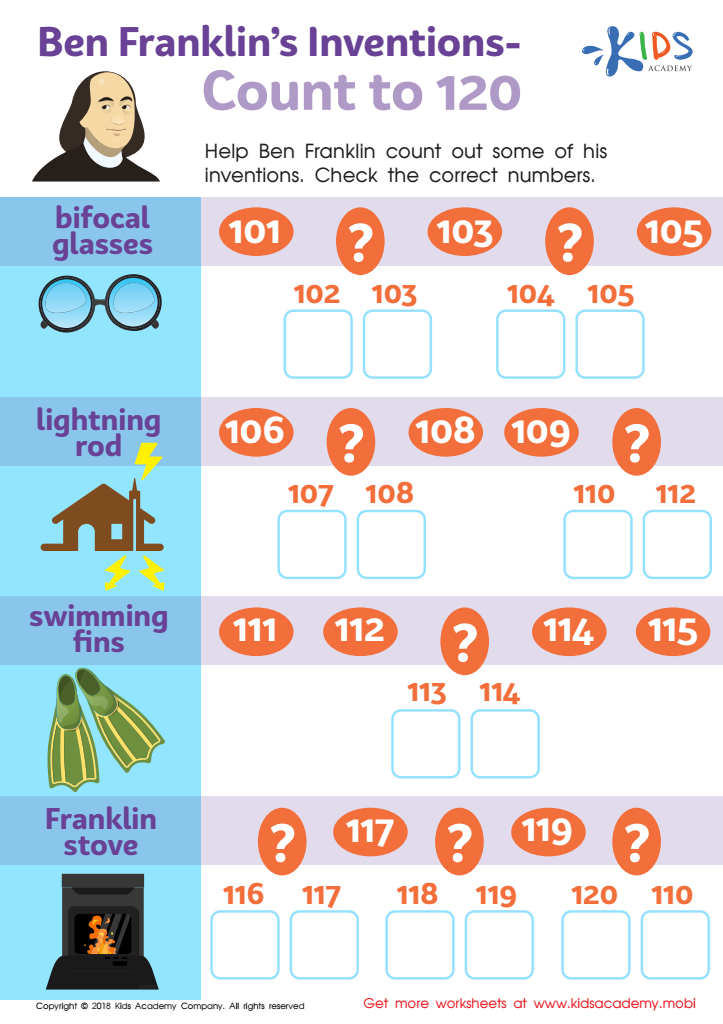
Ben Franklin’s Inventions – Count to 120 Worksheet



.jpg)




Fine motor skills refer to the coordination of small muscles, especially those in the hands and fingers, typically involving precise movements and eye-hand coordination. For children ages 6-9, the development of these skills is crucial for several reasons.
Firstly, fine motor skills significantly impact a child's ability to participate effectively in academic tasks. Skills such as writing, cutting with scissors, and manipulating small objects are essential for success in school. Poor fine motor skills can lead to frustration, negatively affecting a child's academic performance and self-esteem.
Secondly, these skills are pivotal for daily activities and independence. Tasks like buttoning clothes, tying shoelaces, and managing utensils require fine motor coordination. Proficiency in these activities fosters self-reliance and confidence.
Additionally, engaging in activities that enhance fine motor skills can be beneficial for cognitive development. These tasks often require planning, attention to detail, and problem-solving skills, which contribute to overall intellectual growth.
Therefore, by encouraging and supporting the development of fine motor skills through appropriate activities—like drawing, puzzles, and crafts—parents and teachers can greatly contribute to a child's educational, personal, and cognitive development. Investing time and resources in this area will provide children with a strong foundation for future success.








