Information processing Normal Worksheets for Ages 6-9
4 filtered results
-
From - To
Discover our engaging Information Processing Normal Worksheets for Ages 6-9, designed to enhance children's critical thinking and data analysis skills. These expertly crafted worksheets help young learners develop abilities to observe, compare, categorize, and interpret information effectively. Each activity is tailored to be both fun and educational, encouraging kids to explore concepts through patterns, sequences, and logical problem-solving. Ideal for educators and parents, our resources support classroom learning and home practice. Equip your child with essential information-processing skills to boost their academic growth and daily life competence. Access our worksheets now for a bright learning adventure!
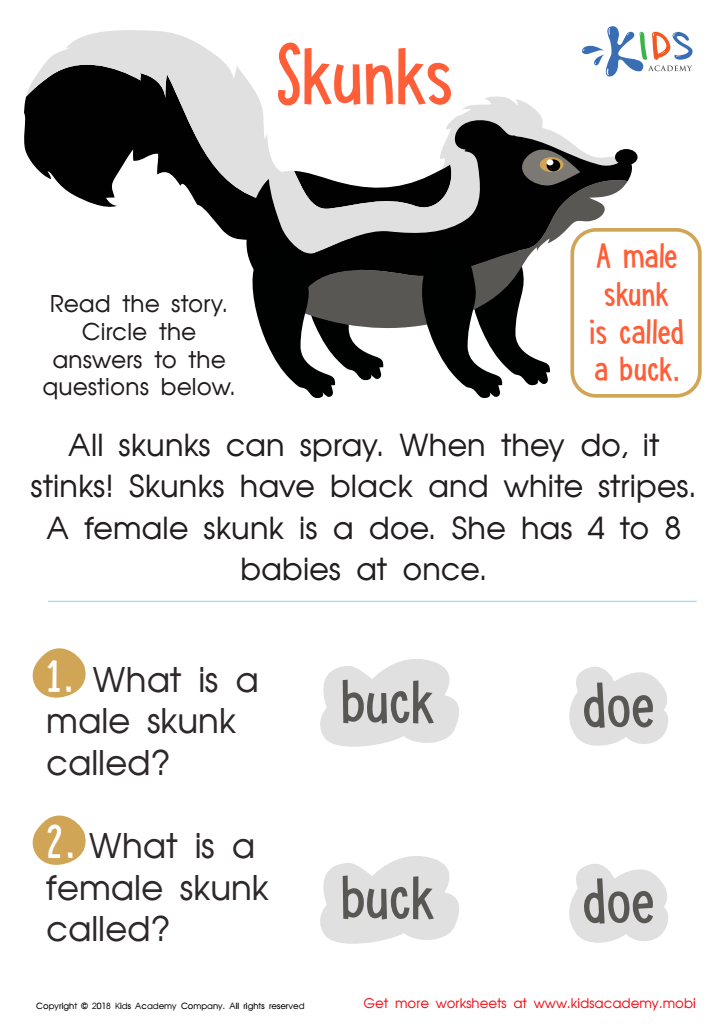
Skunks Worksheet
 Assign to My Students
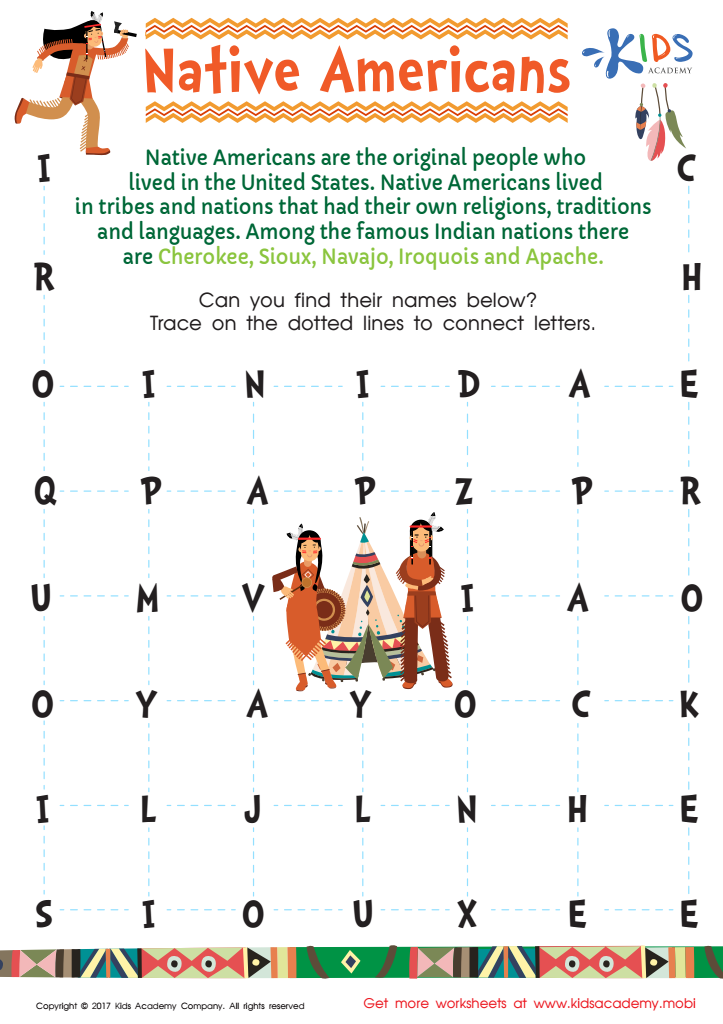
Native American Word Search Printable

Golden Eagles Worksheet
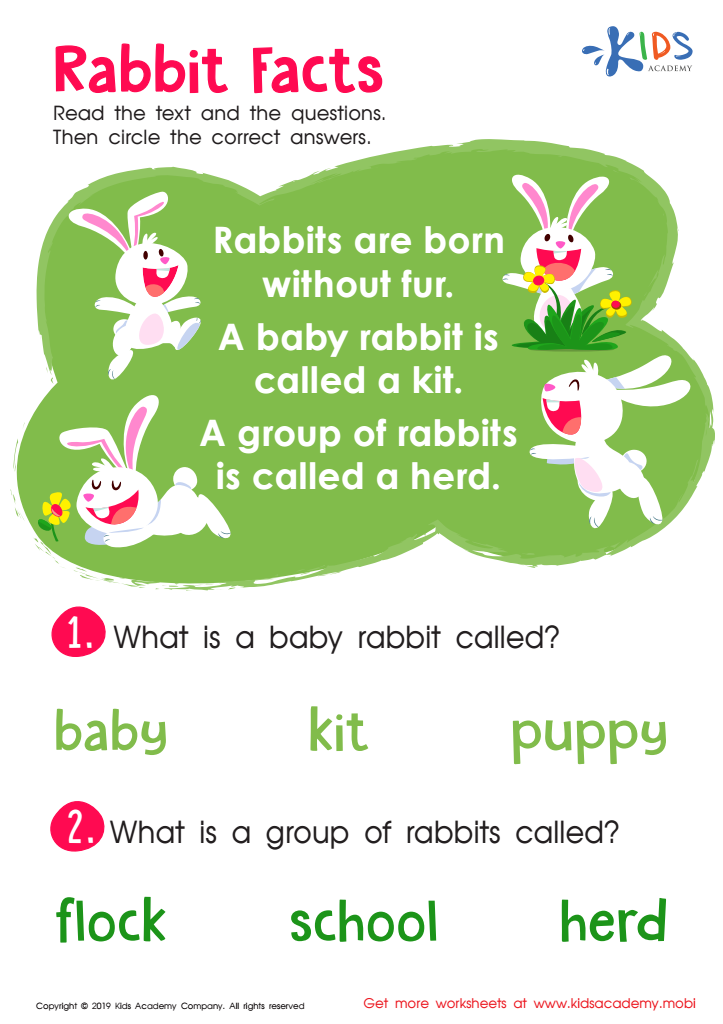
Rabbit Facts Worksheet




Understanding the normal range of information processing in children aged 6-9 is crucial for both parents and teachers. At this developmental stage, children undergo significant cognitive growth, learning how to absorb, process, and respond to information more effectively. Being aware of what constitutes normal information processing helps adults set appropriate expectations and provide the necessary support to foster optimal learning environments.
For teachers, recognizing typical information processing abilities ensures their instructional methods and pace align with their students' cognitive capacities. It allows them to identify signs of potential learning difficulties early, thereby enabling timely interventions. Differentiated instruction can be consistently applied to meet diverse learning needs, ensuring that no child falls behind unnecessarily.
Parents benefit from this understanding by being more attuned to their child's academic and social development. By recognizing what is developmentally appropriate, parents can support their children's learning at home through activities that reinforce classroom teachings, such as reading together or playing educational games. Additionally, informed parents can collaborate more effectively with teachers, sharing observations from home that might be crucial for tailored educational strategies.
Ultimately, a nuanced comprehension of normal information processing bolsters a child’s confidence and academic success, laying a resilient foundation for future learning and cognitive development.








