Number comparison Normal Worksheets for Ages 6-9
5 filtered results
-
From - To
Explore our engaging Number Comparison Normal Worksheets designed for children aged 6-9! These worksheets provide an interactive way for young learners to master number comparisons through fun exercises that boost their arithmetic skills. Students will practice identifying greater than, less than, and equal to relationships, enhancing their number sense and critical thinking. With colorful designs and clear instructions, these worksheets make learning enjoyable and straightforward, ideal for both classroom use and home practice. Perfect for differentiated instruction, our number comparison resources support various learning styles, ensuring every child can confidently refine their math abilities. Download now and watch your students thrive!
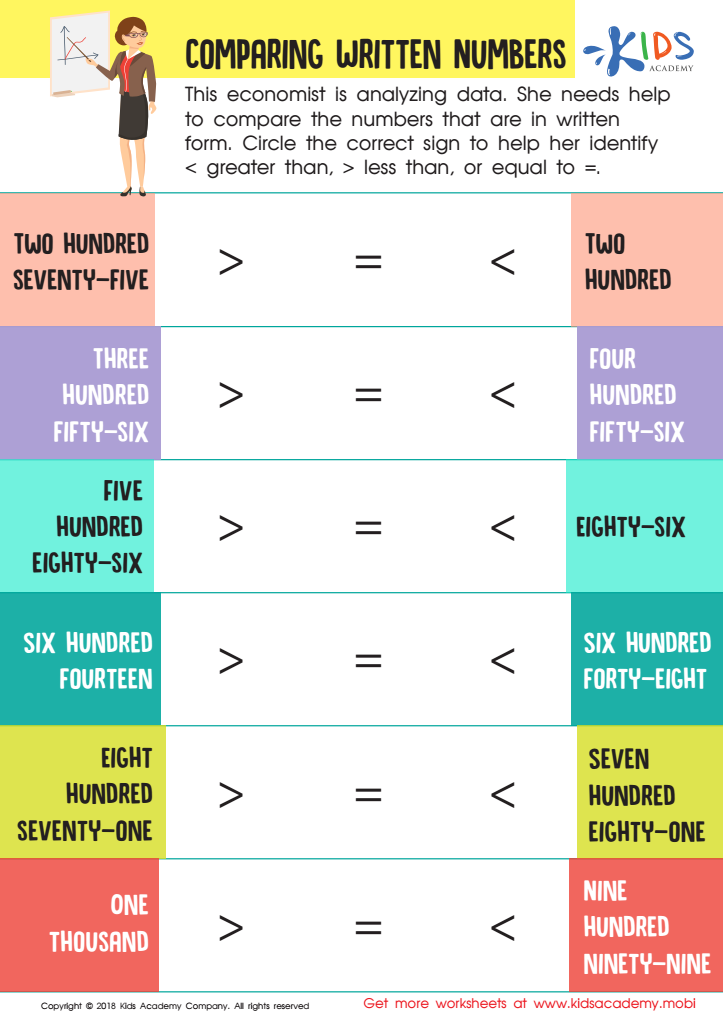
Comparing Written Numbers Worksheet
 Assign to My Students
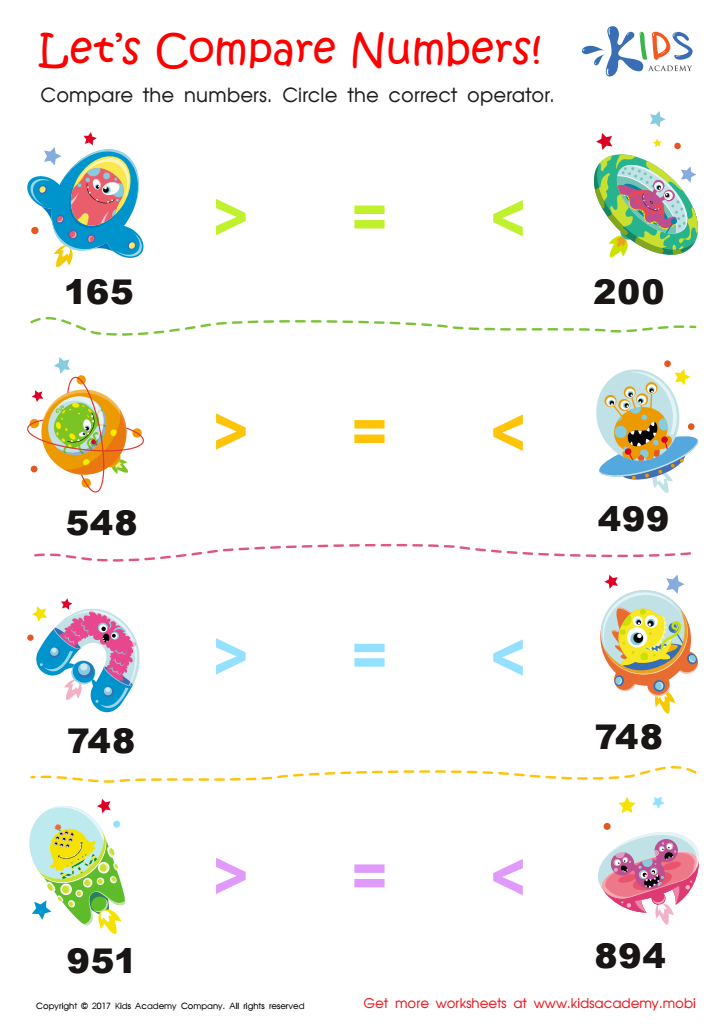
Comparing Numbers Worksheet for 2nd Grade
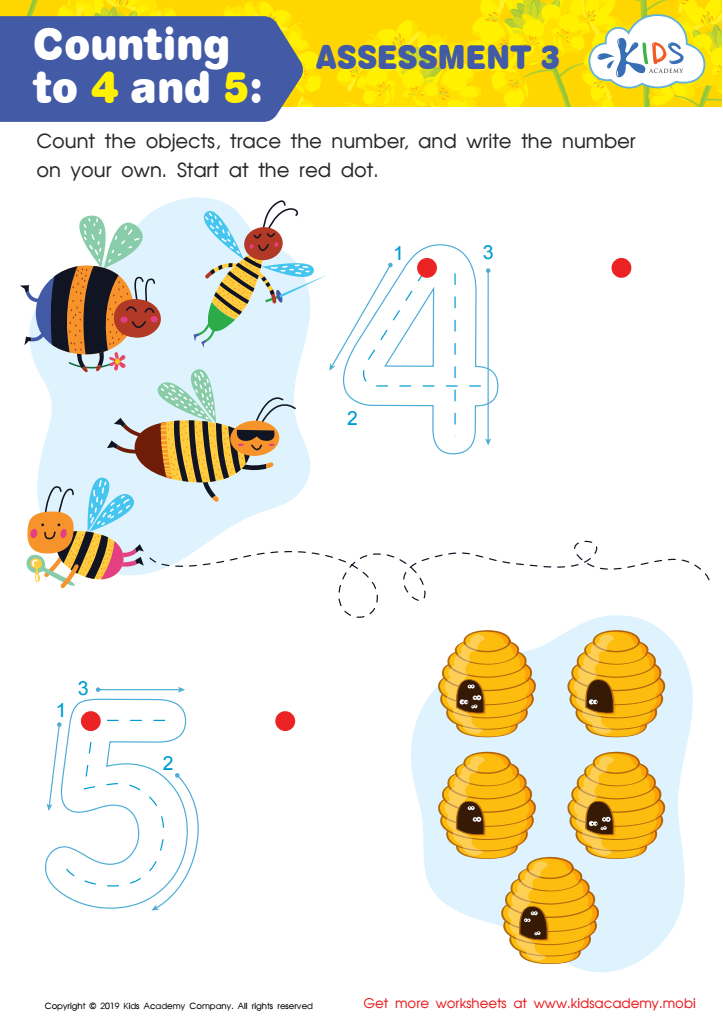
Counting to 4 and 5: Assessment 3 Worksheet
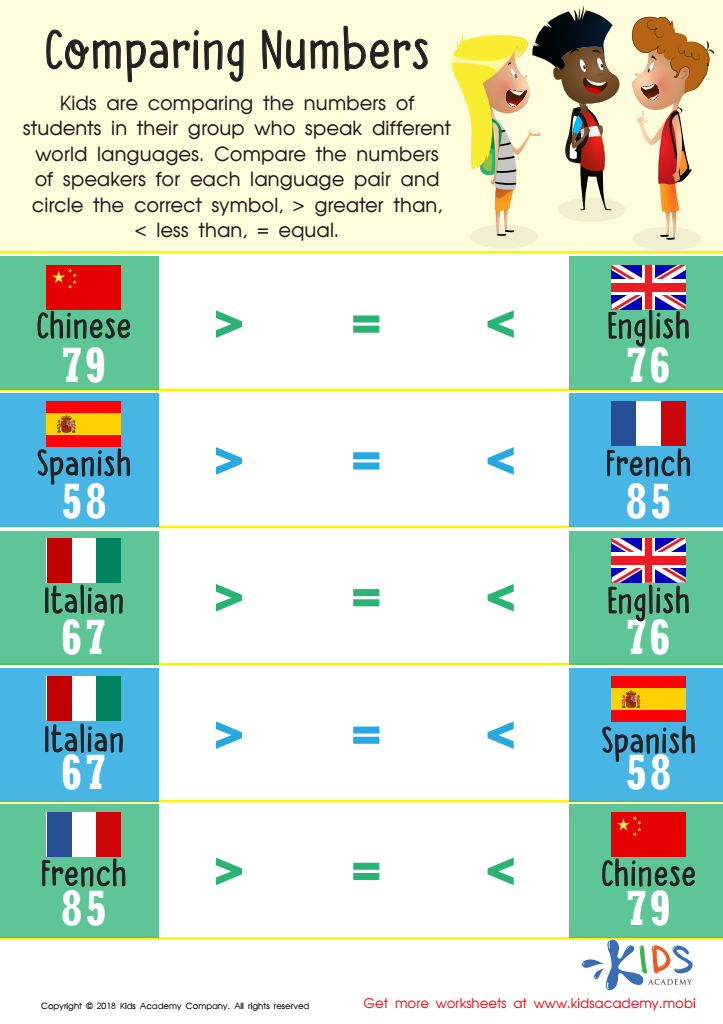
Comparing Numbers Worksheet for 1st Grade
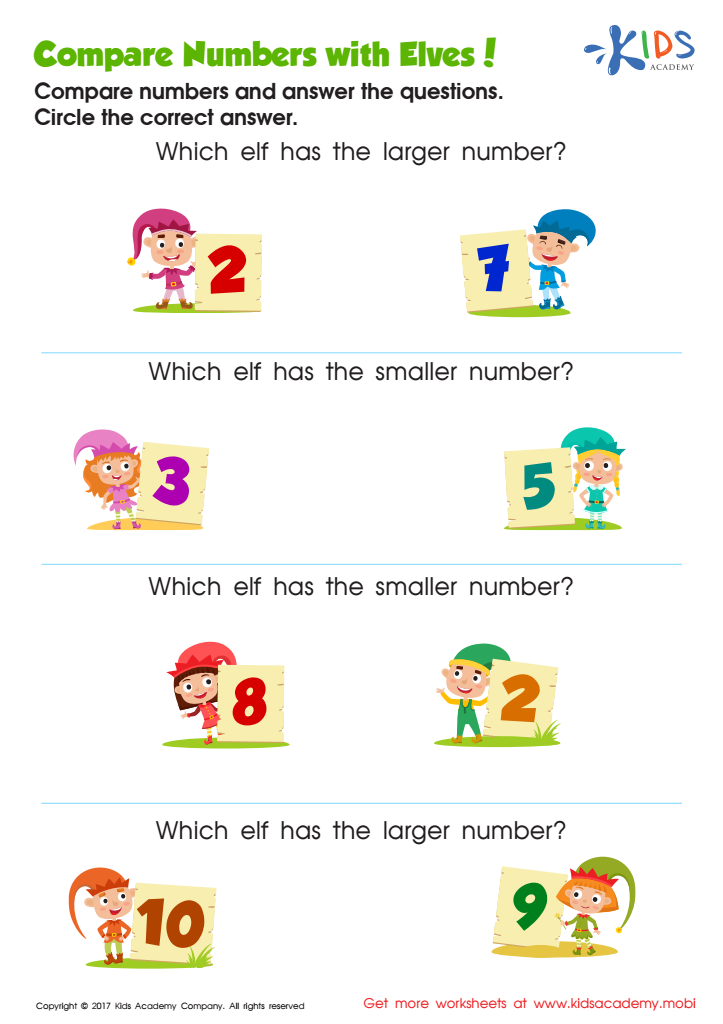
Comparing Numbers Worksheet for Kindergarten







Number comparison is a fundamental skill for children aged 6-9, as it lays the groundwork for future mathematical understanding and critical thinking. During these formative years, children are developing their cognitive abilities and improving their reasoning skills. By focusing on number comparison, parents and teachers can help children learn to differentiate between quantities and develop a strong number sense.
This skill is critical not only for arithmetic operations but also for problem-solving in everyday situations. Children who can compare numbers can make informed choices, understand basic concepts of greater than, less than, and equal to, and engage with more complex math concepts as they advance. Additionally, mastering number comparison strengthens children's confidence and encourages a positive attitude toward mathematics.
Moreover, early comprehension of number comparison can prevent learning difficulties later on. When parents and teachers prioritize this skill, they provide children with a solid foundation that fosters a love for math and enhances academic success. Engaging activities such as games, visual aids, and practical applications can make the learning process enjoyable and effective. Ultimately, parents and educators play a crucial role in ensuring children build this essential skill for their future.








