Sequencing Skills Normal Worksheets for Ages 6-9
6 filtered results
-
From - To
Unlock the power of sequencing skills in young learners with our comprehensive worksheets designed for ages 6-9. These engaging activities help children grasp the concept of order and develop critical thinking. Students will arrange events, understand patterns, and enhance their reading comprehension through fun, age-appropriate exercises. Ideal for classroom and home use, these worksheets pave the way for structured thinking, boosting academic performance across various subjects. Start your child's journey to mastering sequencing today with our expertly crafted materials that make learning enjoyable and effective. Empower your child with skills that promote organization and logical progression!
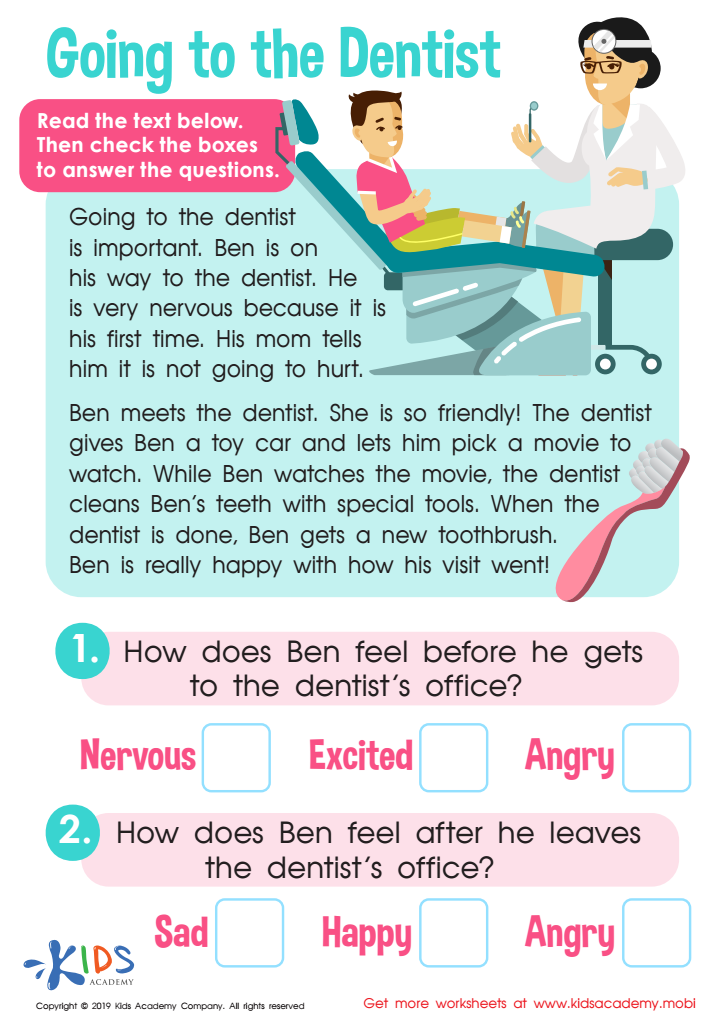
Going to the Dentist Worksheet
 Assign to My Students
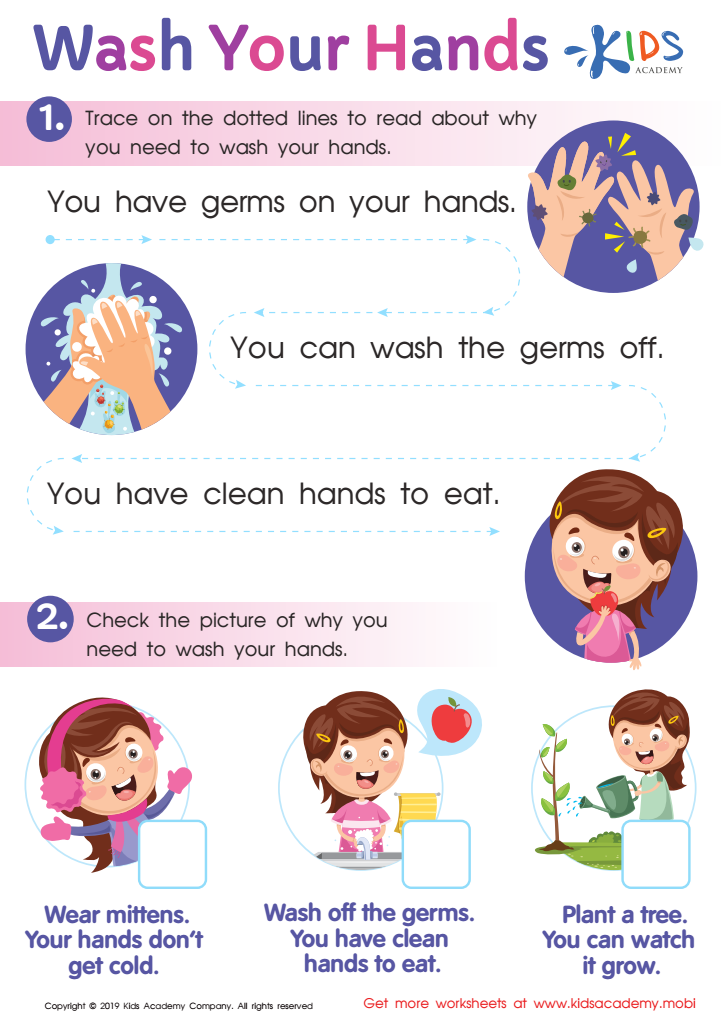
Wash Your Hands Worksheet
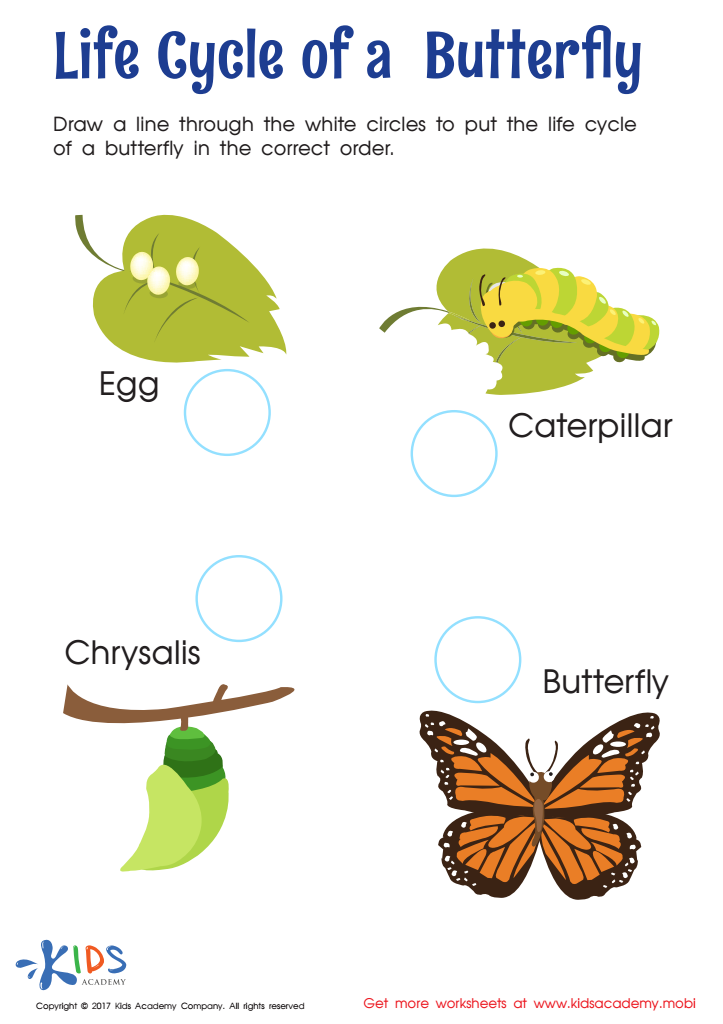
Life Cycle of Butterfly Worksheet
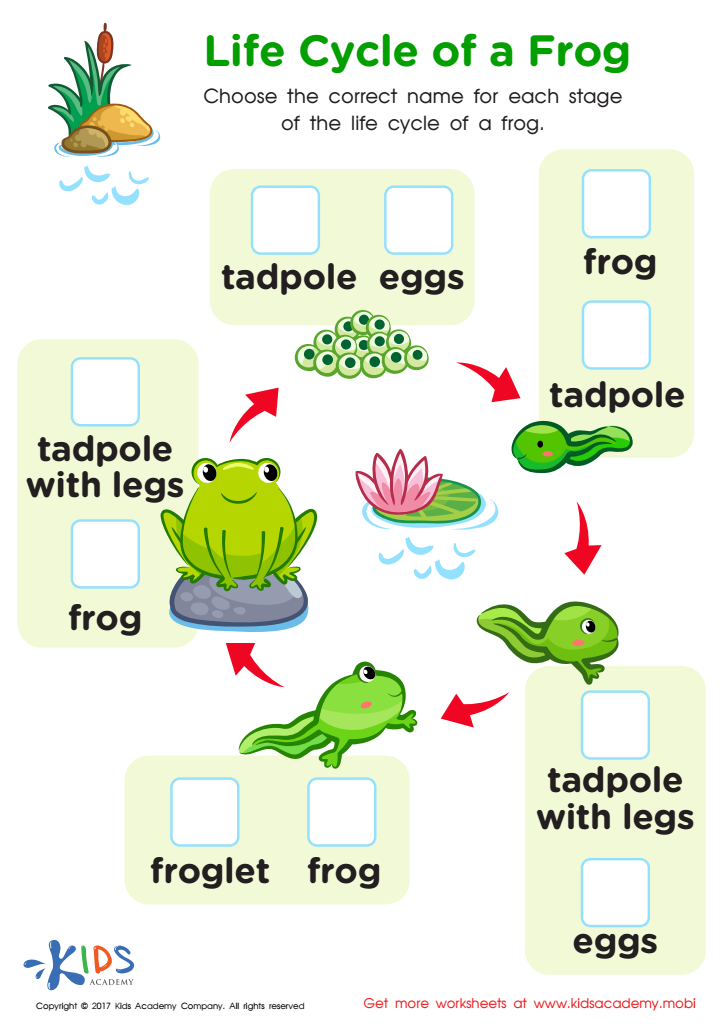
Life Cycle Frog Printable
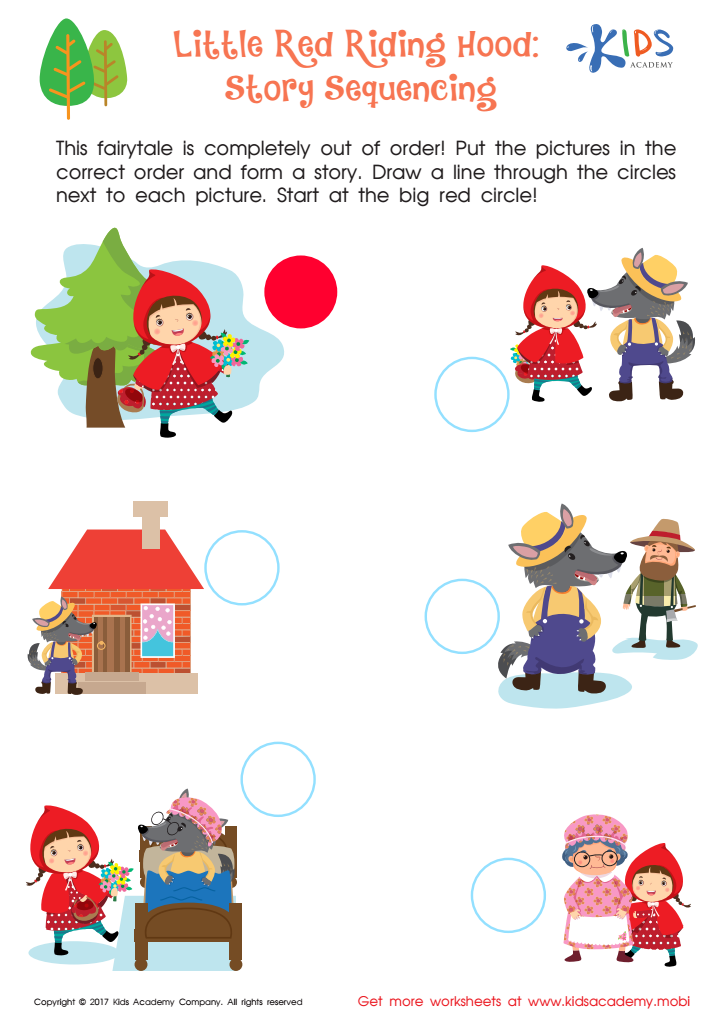
Story Sequencing Printable
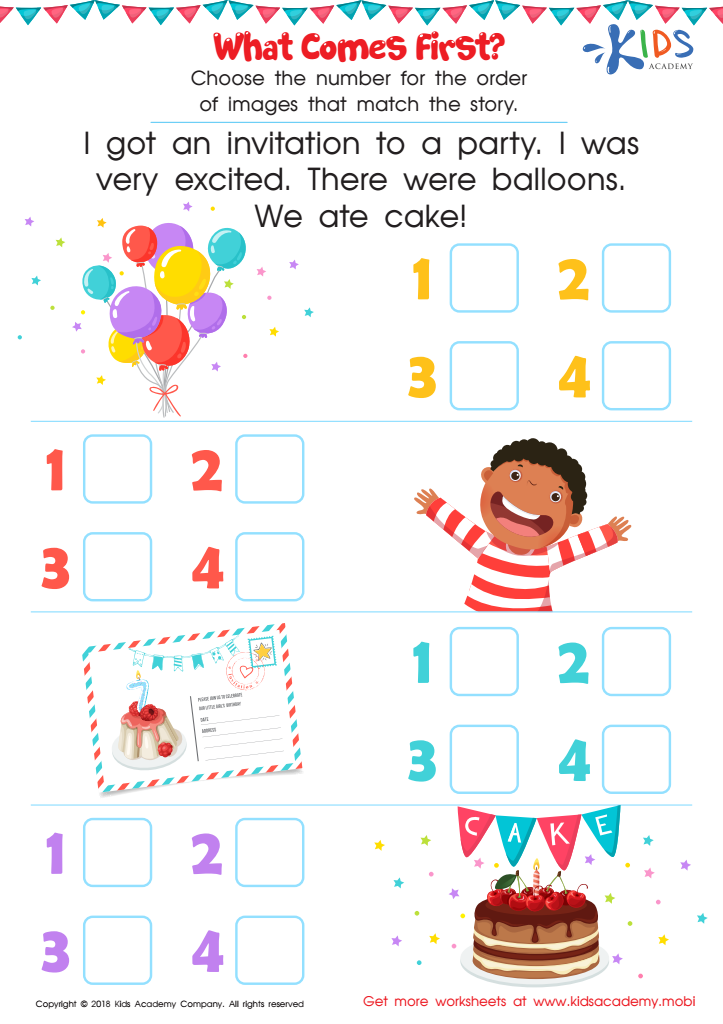
What Comes First Worksheet






Sequencing skills, the ability to understand and organize events or steps in a logical order, are critical for children aged 6-9 as they lay the foundation for numerous aspects of cognitive and academic development. Parents and teachers should care about nurturing these skills because they directly affect comprehension and problem-solving abilities essential throughout a child's education.
Children in the 6-9 age range are moving beyond simple recall and into more complex thought processes. Sequencing aids in story comprehension, enabling children to predict outcomes and understand cause and effect. These skills are crucial in subjects like reading, where recognizing the order of events increases comprehension, and in mathematics, where understanding the sequence of steps is necessary for problem-solving.
Moreover, sequencing helps in daily life tasks, fostering independence and confidence. Academic performance improves as children can follow instructions more accurately and manage multi-step tasks efficiently. Socially, sequencing allows better organization of thoughts, enhancing communication and storytelling abilities, critical for sharing experiences and forming relationships.
Neglecting sequencing skills can result in challenges across multiple areas. Therefore, integrating activities such as ordering story cards, following recipes, or simple coding games will make learning interactive and effective. Prioritizing these skills ensures the holistic development of young learners, setting them on a path to success.








