Shape identification Normal Worksheets for Ages 6-9
7 filtered results
-
From - To
Discover our engaging Shape Identification Normal Worksheets designed specifically for children aged 6-9! These worksheets provide young learners with a fun and interactive way to explore and recognize various shapes, enhancing their geometric awareness and critical thinking skills. Each worksheet includes vibrant illustrations and diverse activities, allowing students to match, draw, and identify shapes in an enjoyable manner. Aligned with educational standards, our resources not only support classroom learning but also make perfect supplementary materials for homeschooling. Foster creativity and confidence in your child while teaching them important concepts in geometry. Start shaping their minds today!
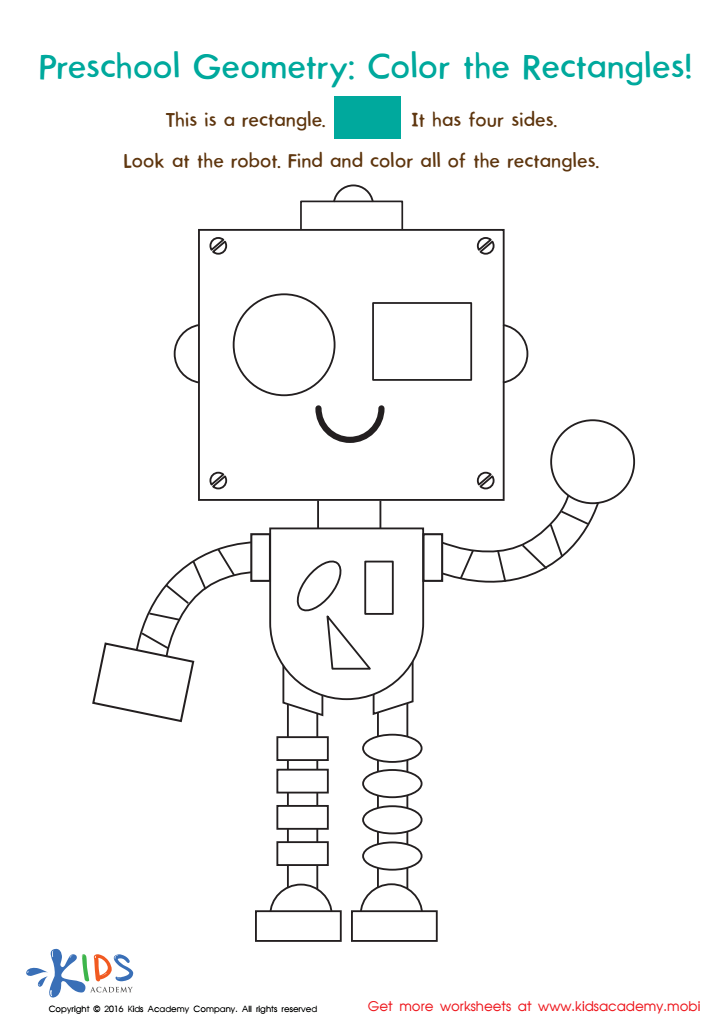
Geometry Worksheet
 Assign to My Students
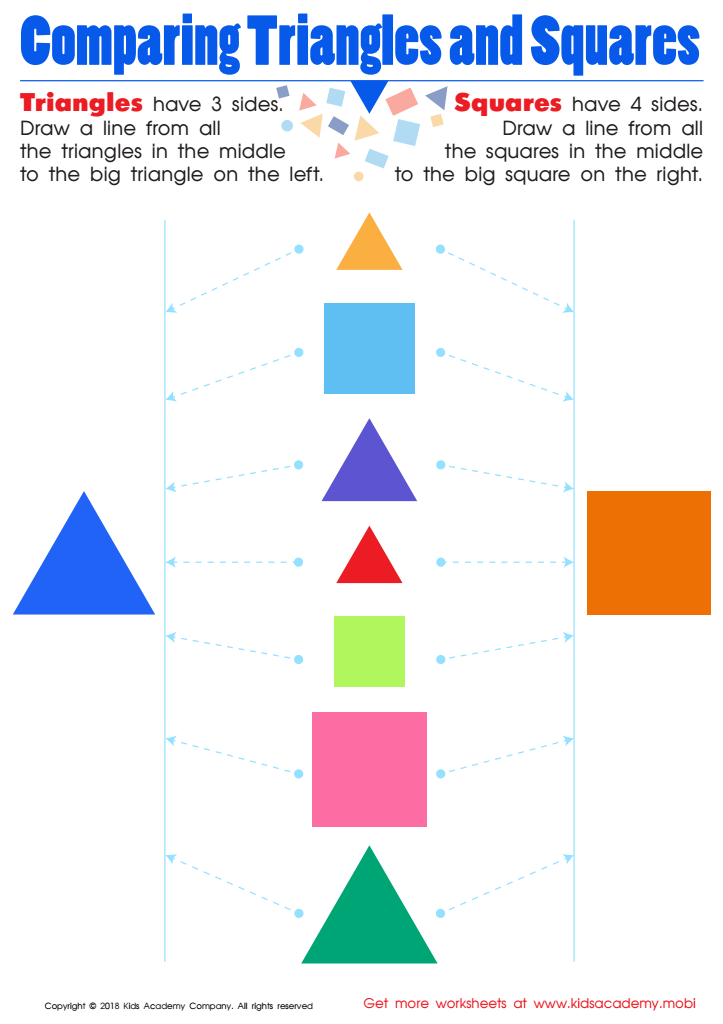
Comparing Triangles Squares Worksheet
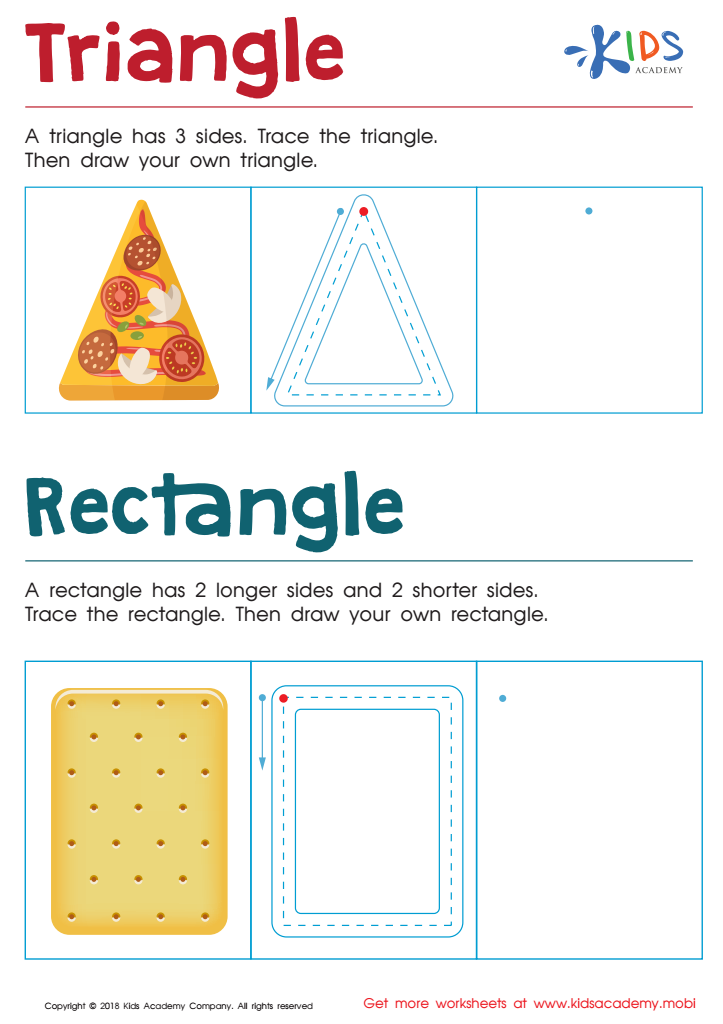
Triangle Rectangle Worksheet
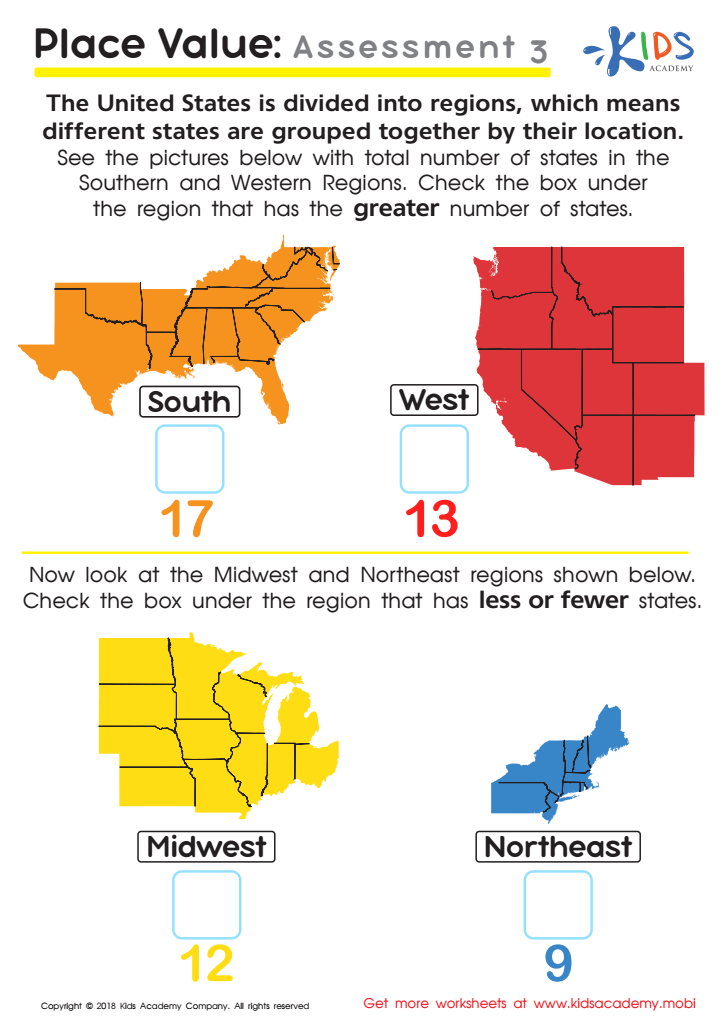
Place Value: Assessment 3 Worksheet
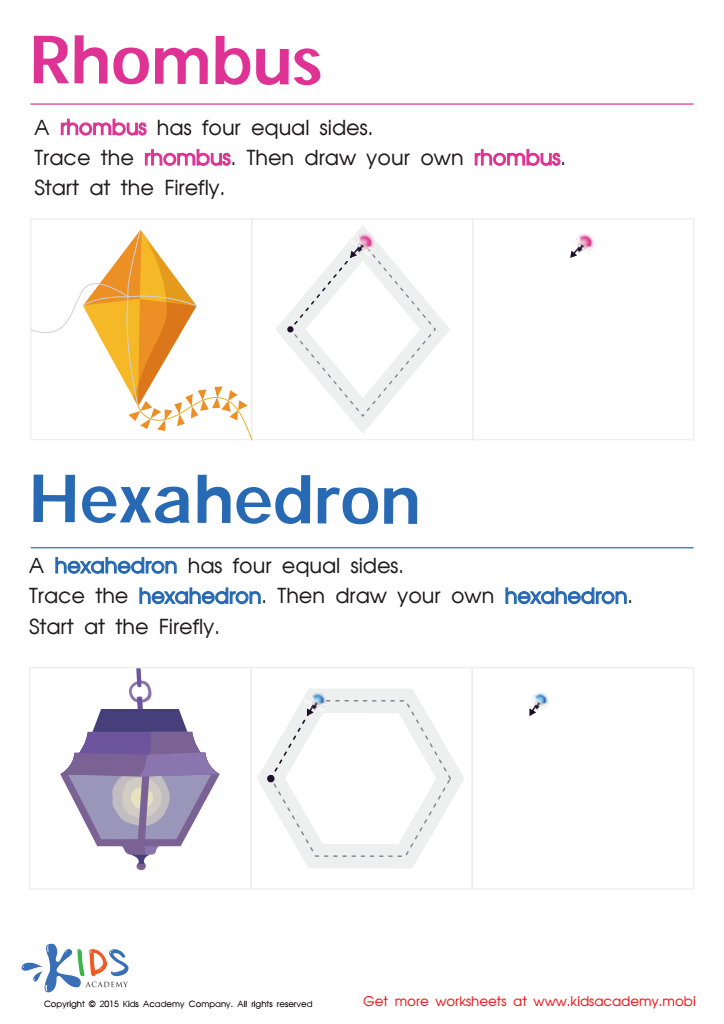
Draw a Rhombus And a Hexahedron Printable
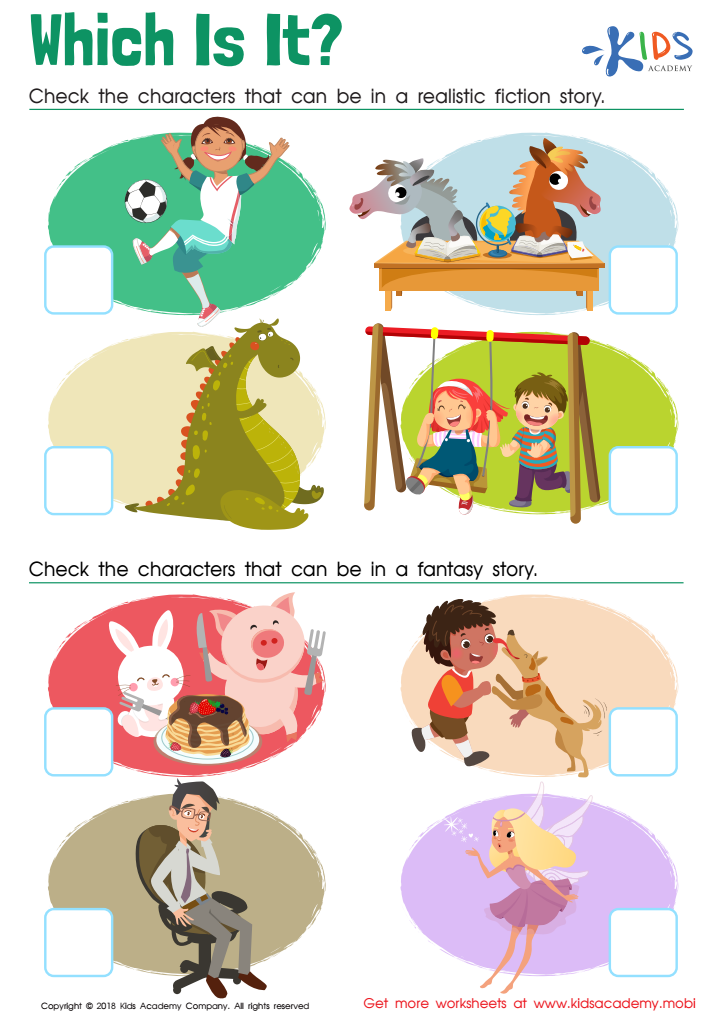
Which Is It? Worksheet
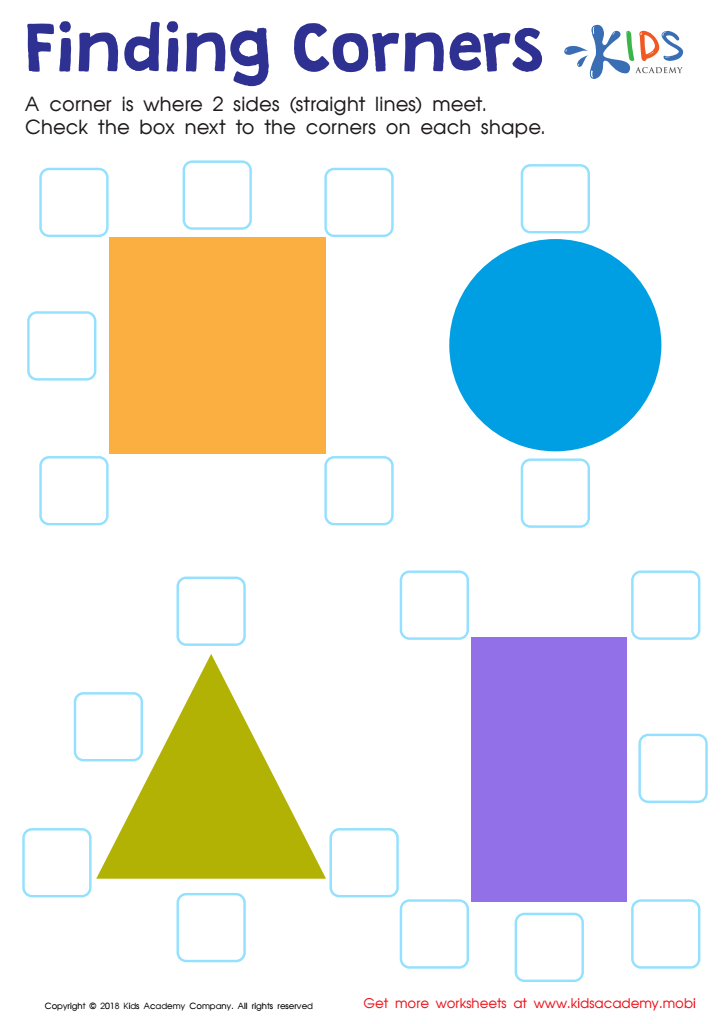
Finding Corners Worksheet








Shape identification is a foundational skill for children aged 6-9, critical for their cognitive and spatial development. Understanding shapes goes beyond mere identification; it fosters early math skills, including recognition of patterns, symmetry, and geometry. Parents and teachers should prioritize this skill because it forms the basis for solving more complex mathematical problems in the future.
Additionally, shape identification enhances a child’s ability to make connections in the world around them. This understanding builds their visual-spatial skills, which are essential for tasks such as reading maps, recognizing perspectives, and even in everyday activities like assembling puzzles or recognizing objects.
Moreover, mastering shapes can instill confidence in problem-solving skills as students begin to see how geometric concepts apply to real-life situations, such as art and design. For parents and teachers, engaging children in fun shape-related activities—like drawing, crafting, or playing games—creates opportunities for bonding and open dialogue, reinforcing learning through play. Ultimately, nurturing shape identification not only contributes to improved academic performance but also promotes practical skills that will benefit children throughout their lives. Investing time in this area is crucial for laying the groundwork for lifelong learning and critical thinking.








