Sound discrimination Normal Worksheets for Ages 6-9
3 filtered results
-
From - To
Enhance your child's auditory skills with our Sound Discrimination Worksheets, specifically designed for ages 6-9. These engaging and interactive worksheets help young learners develop the essential ability to distinguish between different sounds, fostering critical listening skills that support reading and language development. With a variety of fun activities, children will practice identifying, comparing, and contrasting sounds, improving their overall phonemic awareness. Each worksheet is carefully crafted to keep kids motivated and focused while learning. Ideal for both classroom use and at-home practice, these resources will aid in building a strong foundation in literacy. Discover the joy of sound learning with us!
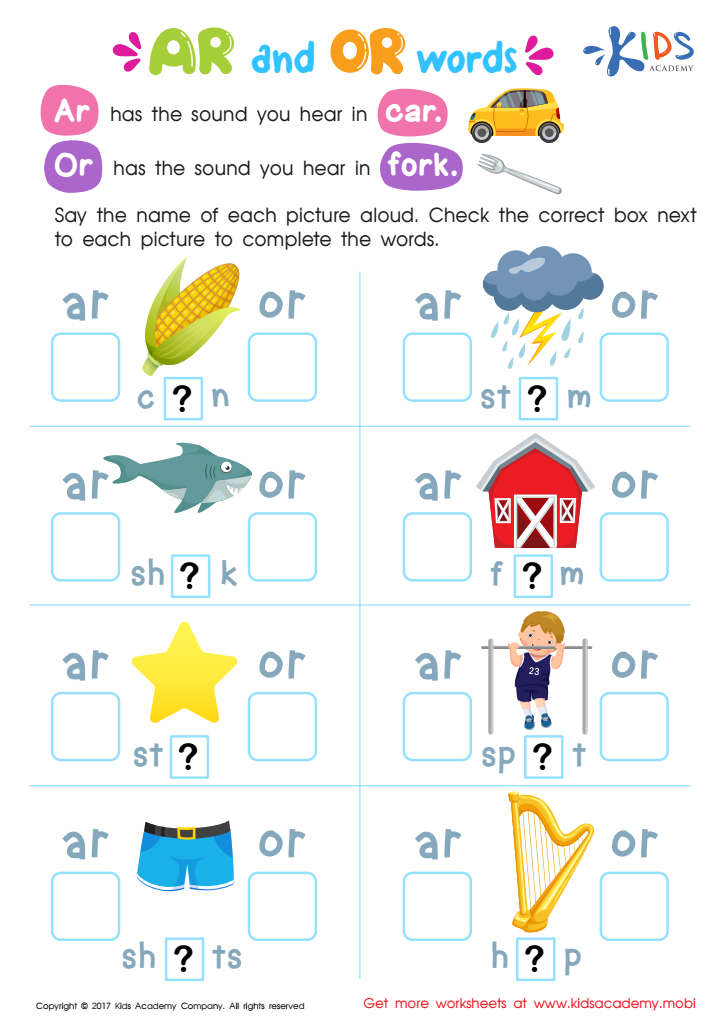
Ar and Or Words Phonics Worksheet
 Assign to My Students
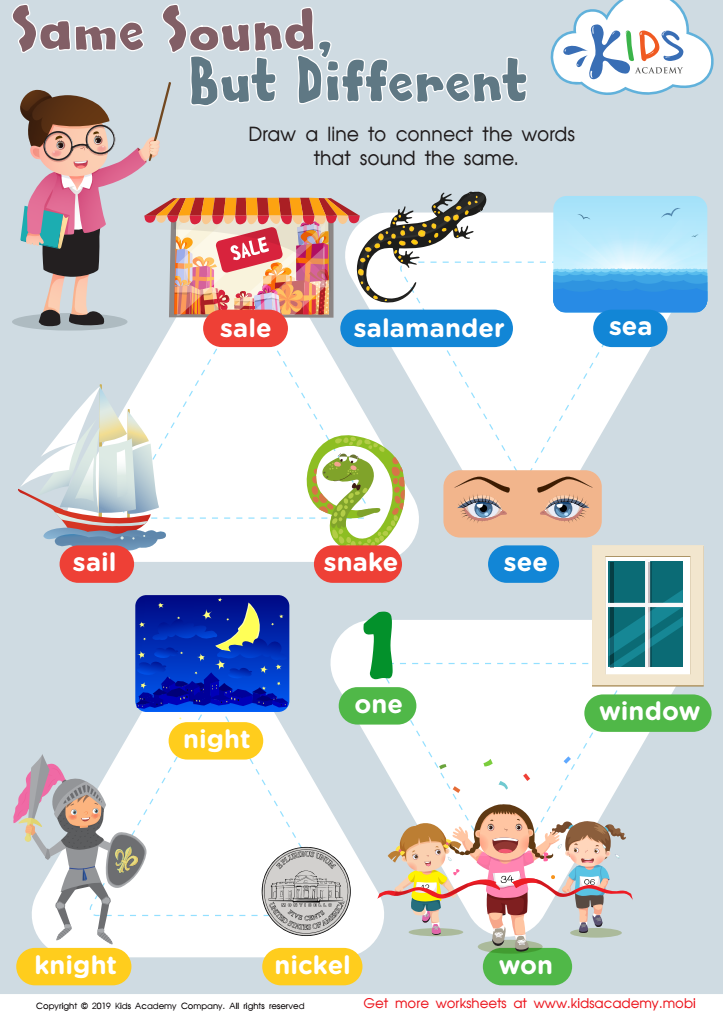
Sound Different Worksheet
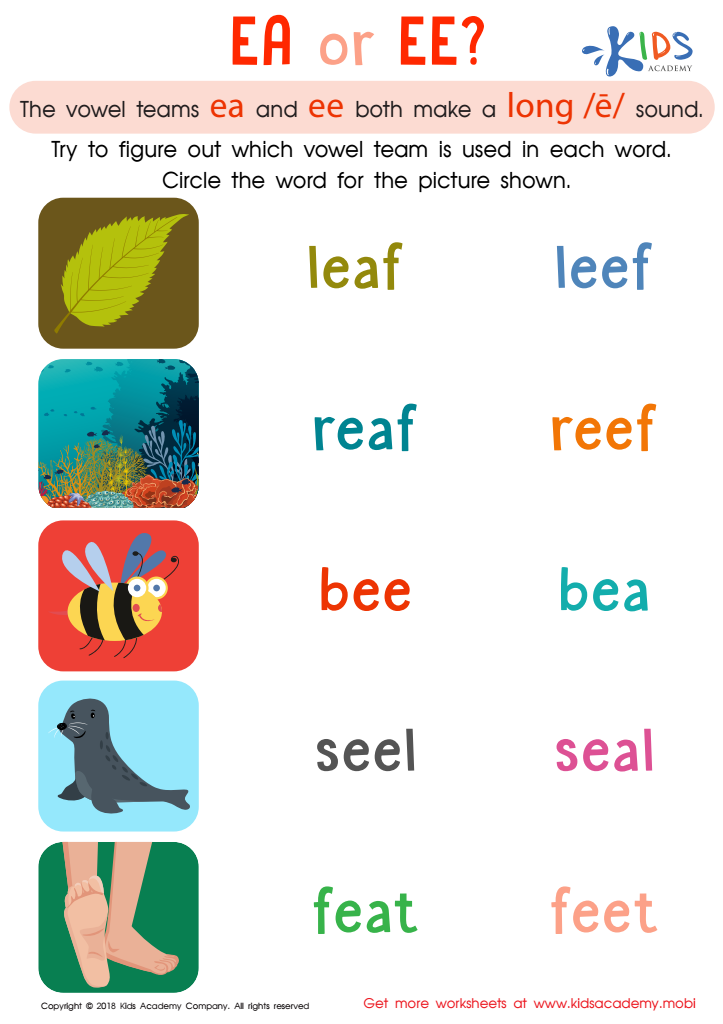
Reading: EA and EE Worksheet





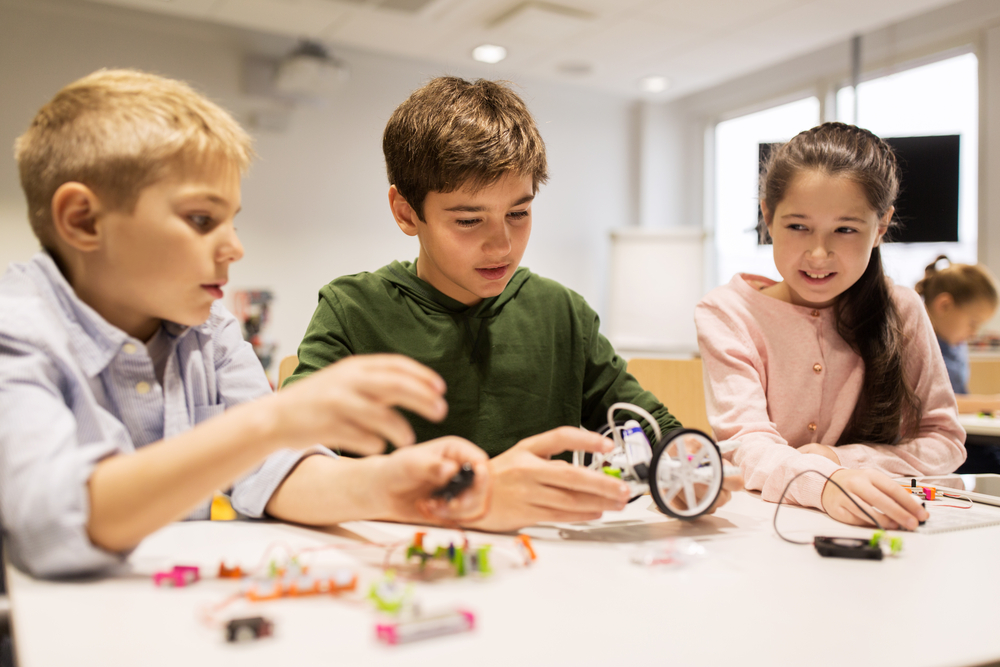


Sound discrimination is a crucial skill for children aged 6-9, as it forms the foundation for language development, reading proficiency, and effective communication. At this age, children are beginning to decode written language and enhance their vocabulary, making sound discrimination vital for recognizing phonemes, the smallest units of sound in speech. When children can distinguish between similar sounds, they are better equipped to articulate words correctly, understand the nuances of language, and improve their spelling and reading abilities.
Parents and teachers should care about fostering sound discrimination because it significantly impacts a child's academic success and overall confidence. Children who struggle with this skill may find it challenging to read fluently, which can lead to frustration, decreased motivation, and lower self-esteem. Moreover, strong sound discrimination enhances listening skills, which are essential for effective learning in all areas of education.
Supporting sound discrimination through engaging activities, games, and targeted exercises can help bolster a child’s learning. By nurturing this skill, adults can create a supportive environment that promotes a love for reading and learning, ultimately laying the groundwork for lifelong academic achievement and effective communication. Focusing on sound discrimination is an investment in a child’s future.








