Understanding shapes Normal Worksheets for Ages 6-9
4 filtered results
-
From - To
Discover the exciting world of shapes with our "Understanding Shapes Normal Worksheets" designed specifically for children aged 6-9! These engaging and interactive worksheets help young learners recognize, identify, and comprehend various shapes in a fun way. Through a mix of colorful illustrations and hands-on activities, kids will strengthen their spatial awareness and boost their problem-solving skills. Perfect for classroom use or home practice, these worksheets cater to different learning styles while encouraging creativity and critical thinking. Watch as your child gains confidence in their understanding of geometric concepts, setting a solid foundation for future math success! Explore our collection today!
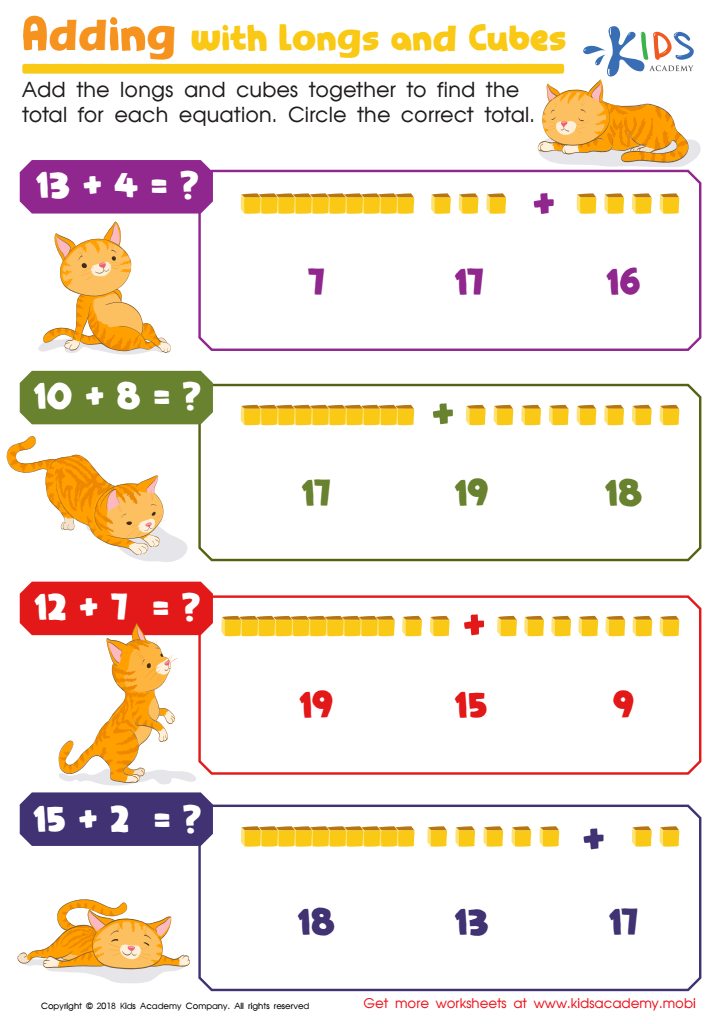
Adding With Longs and Cubes Worksheet
 Assign to My Students
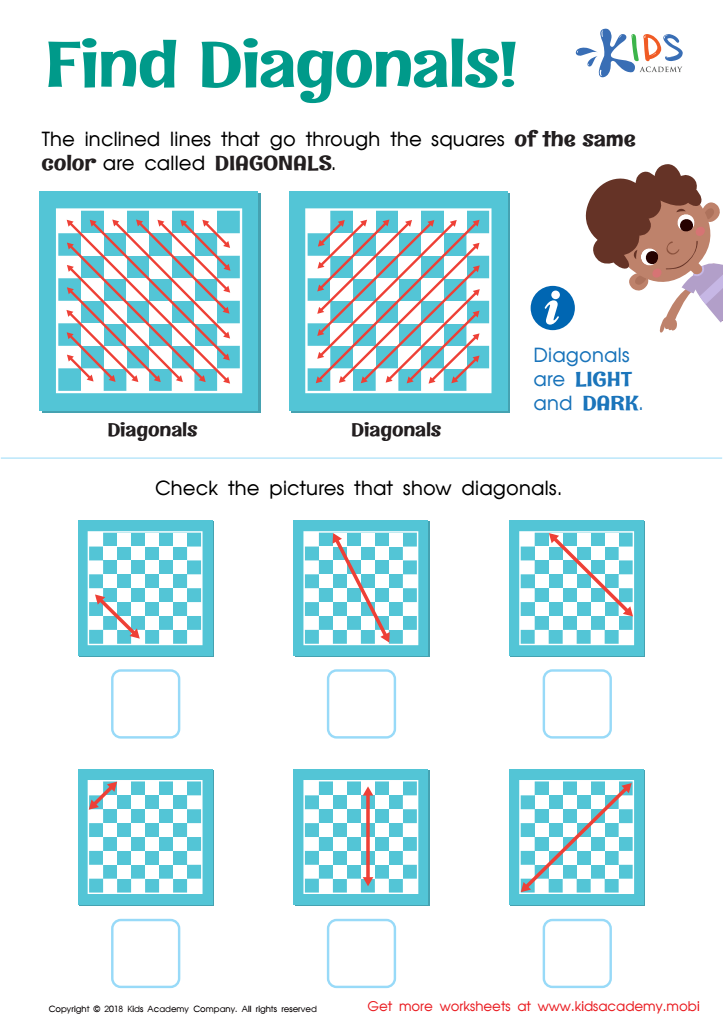
Find Diagonals Worksheet
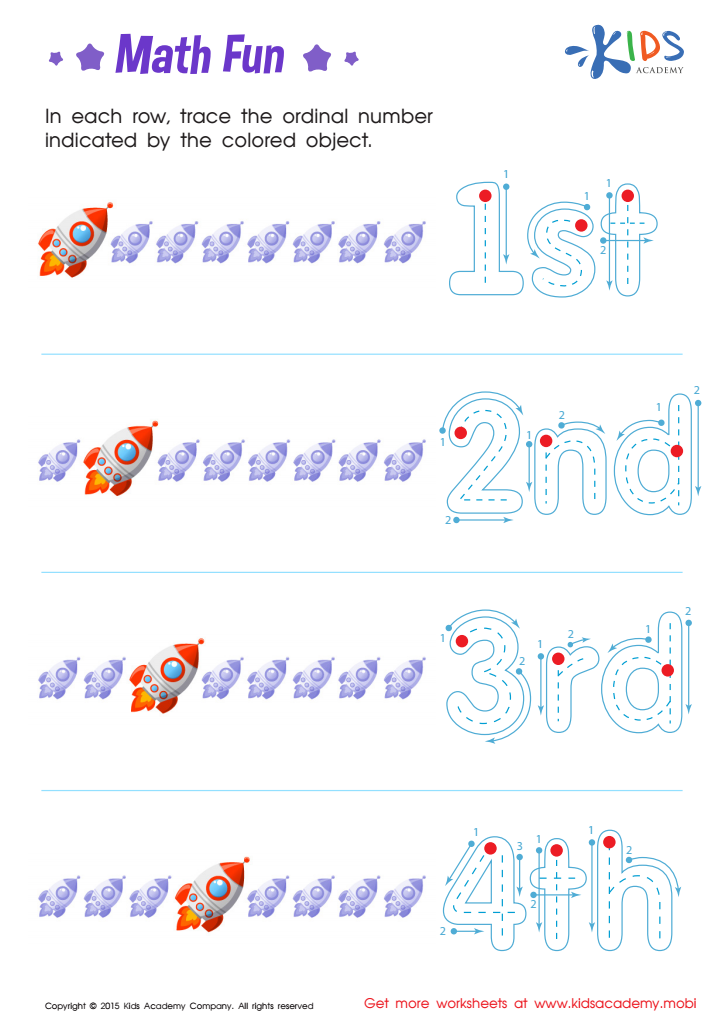
Ordinal Numbers: Math Fun Worksheet
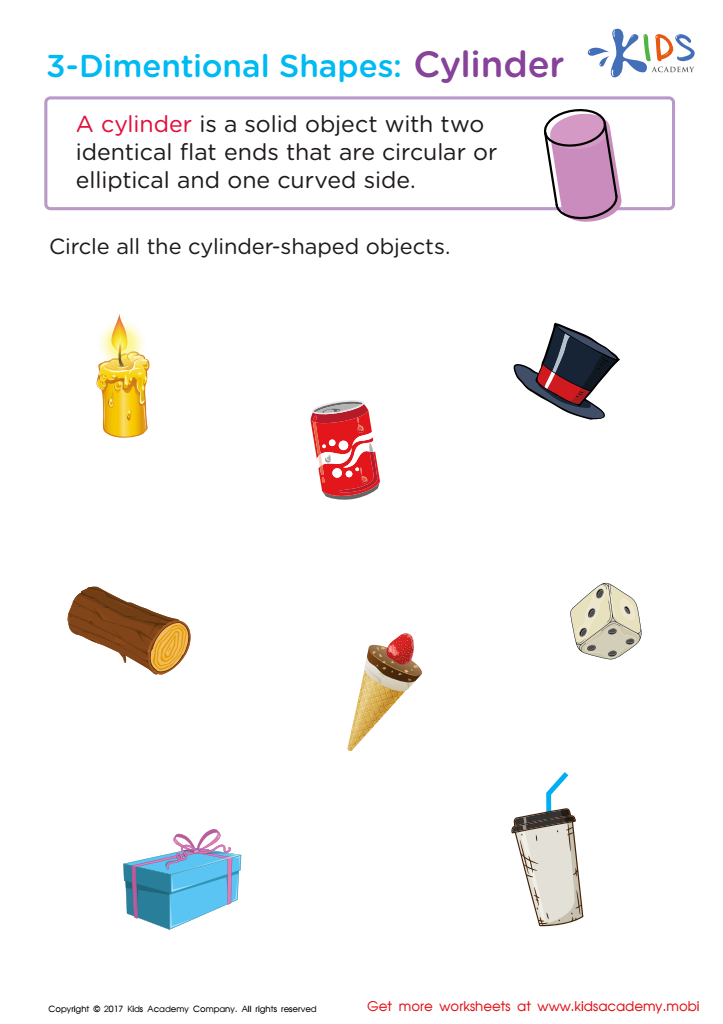
Three–Dimensional Shapes: Cylinder Worksheet







Understanding shapes is a fundamental concept in early childhood education, especially for children aged 6-9. This age group is critical for developing spatial awareness and geometric reasoning skills, which serve as the foundation for advanced mathematical concepts in the future.
Shapes are everywhere in our environment, and recognizing them helps children make sense of the world. When parents and teachers emphasize understanding shapes, they're not just teaching geometry but also enhancing critical thinking skills. Children start to categorize objects, identify patterns, and make connections between different shapes, laying the groundwork for problem-solving abilities.
Moreover, learning about shapes enriches a child's vocabulary and language skills, as they learn to describe and compare. This knowledge helps with comprehension in areas such as art, science, and even music, where spatial relationships play a vital role.
Incorporating shape activities into daily learning can make the educational experience more interactive and engaging. It encourages exploration through play, promoting both creativity and logical thinking. Ultimately, by caring about and emphasizing understanding shapes, parents and teachers are setting children up for lifelong success in academics and beyond, nurturing their innate curiosity about the world around them.








