Understanding symmetry Normal Worksheets for Ages 6-9
4 filtered results
-
From - To
Welcome to our "Understanding Symmetry Normal Worksheets" for ages 6-9! Our thoughtfully designed printable worksheets engage young learners in the fascinating world of symmetry through fun, interactive activities. Kids will explore symmetrical shapes, patterns, and even learn to identify symmetry in everyday objects. These exercises not only enhance their analytical skills but also foster creativity as they draw and color symmetrical designs. Perfect for home or classroom use, our worksheets help educators and parents support children's math development while making learning enjoyable. Dive into the exciting realm of symmetry and watch your child's understanding and appreciation of geometry grow!
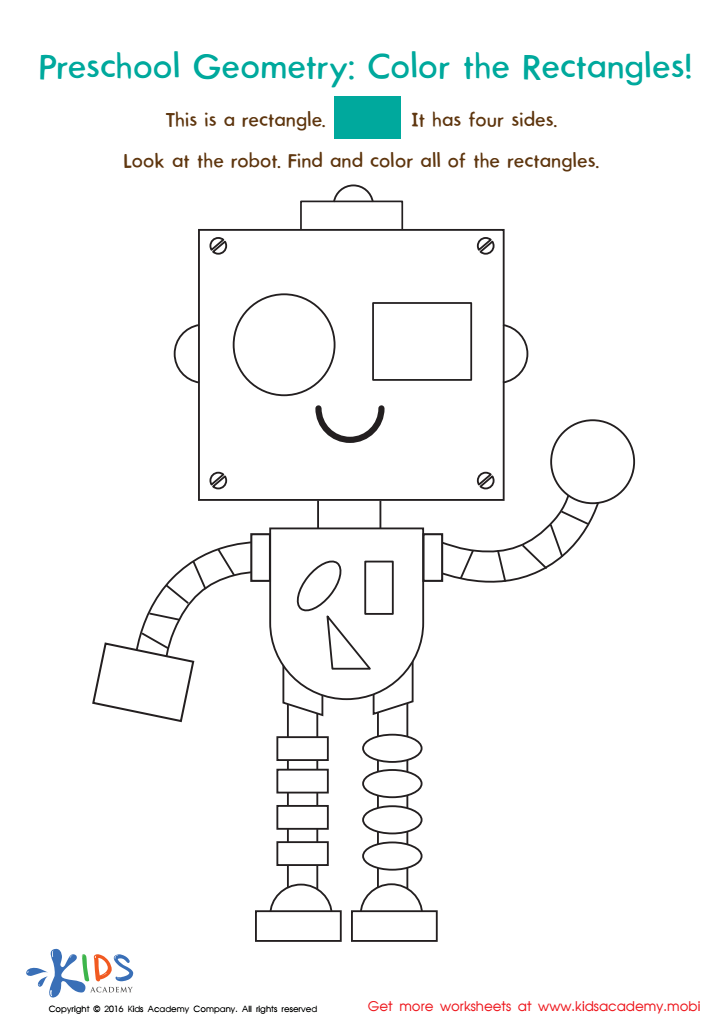
Geometry Worksheet
 Assign to My Students
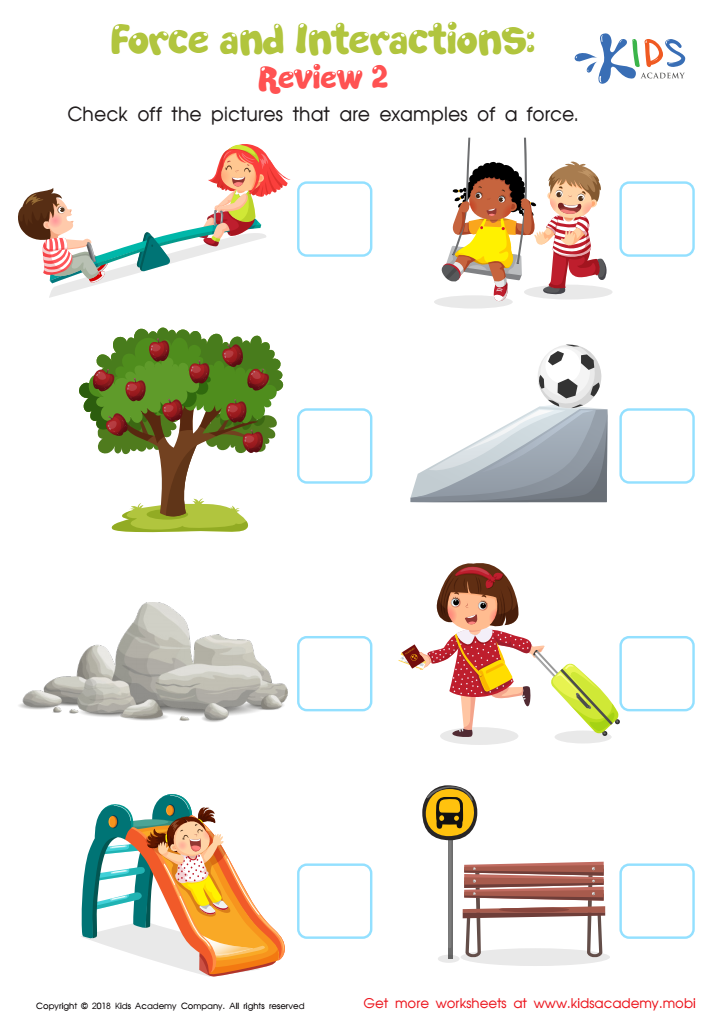
Force and Interactions: Review 2 Worksheet
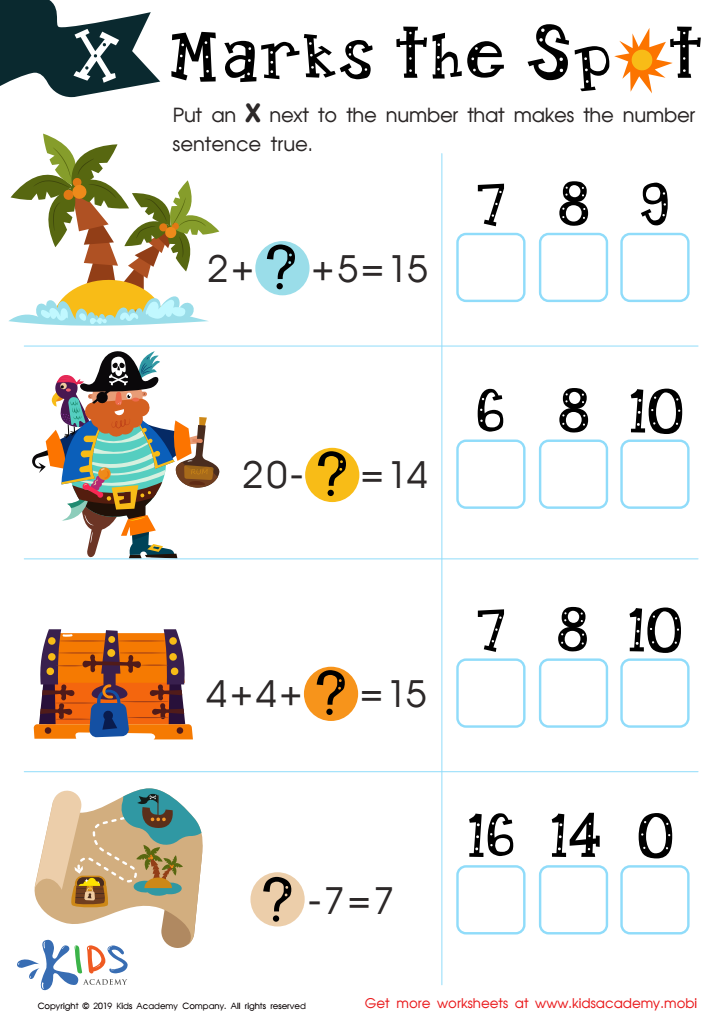
X Marks the Spot Worksheet
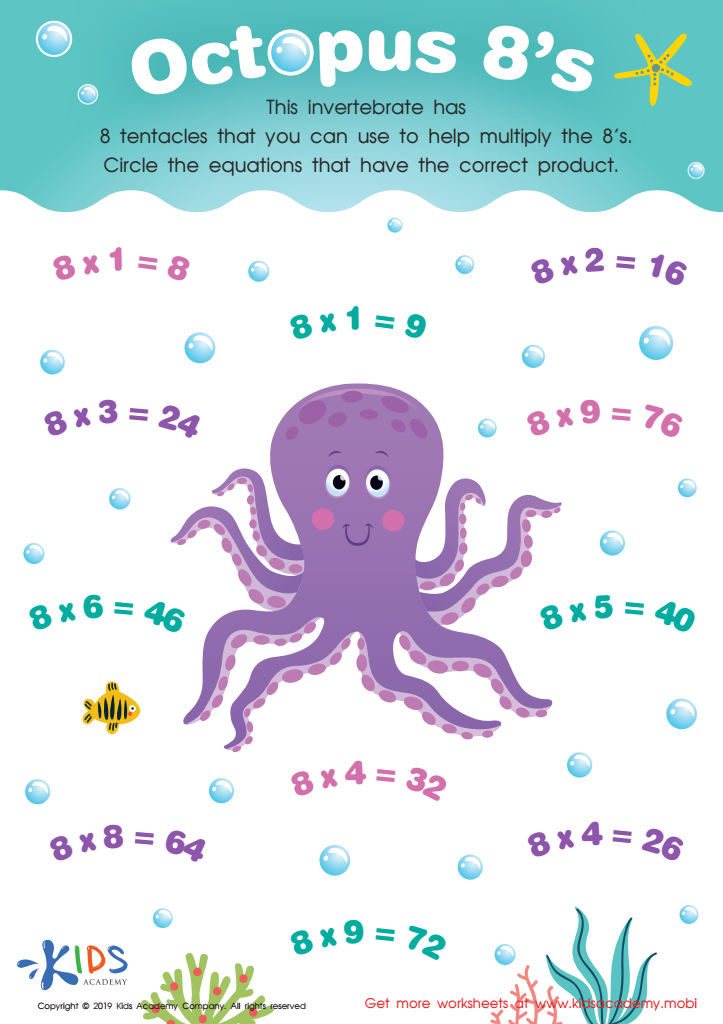
Octopus 8’s Worksheet







Understanding symmetry is essential for children ages 6-9 because it forms the foundation for critical thinking and problem-solving skills. At this stage in development, children are curious and highly engaged in exploring their environment. Teaching them about symmetry not only enhances their mathematical comprehension but also promotes their ability to visualize and analyze shapes, patterns, and designs.
Symmetry is ubiquitous in nature, art, and everyday objects, making it a relevant concept that intrigues young learners. When children recognize symmetrical patterns in their surroundings, it fosters a deeper appreciation for geometry and spatial reasoning. These skills are vital for later subjects like mathematics, science, and even art.
Additionally, understanding symmetry introduces children to concepts such as balance and proportion, which are crucial for developing critical observational skills and cultural awareness. It enables them to be more perceptive towards patterns, leading to stronger cognitive abilities.
Furthermore, incorporating activities centered around symmetry can make learning more enjoyable and interactive, aiding in retention and long-term understanding. Engaging with symmetry through hands-on projects, like folding paper or creating designs, not only makes learning fun but also cultivates collaboration and communication skills among peers. Thus, fostering an appreciation for symmetry contributes positively to a child's overall development.








