
Spelling practice Normal Building Vocabulary Worksheets for Ages 6-9
28 filtered results
Difficulty Level
Grade
Age
-
From - To
Subject
Activity
Standards
Enhance your child's spelling skills with our engaging Normal Building Vocabulary Worksheets designed specifically for ages 6-9. Our comprehensive worksheets provide fun and interactive activities that help young learners improve their spelling and expand their vocabulary. Each worksheet is crafted to align with educational standards, incorporating colorful visuals and relatable examples to make learning enjoyable. Children will practice spelling common words, phonics patterns, and essential vocabulary through a variety of exercises such as fill-in-the-blanks, matching, and word searches. Foster a love for language while building confidence in spelling with our expertly designed resources tailored for early learners.
Favorites
With answer key
Interactive
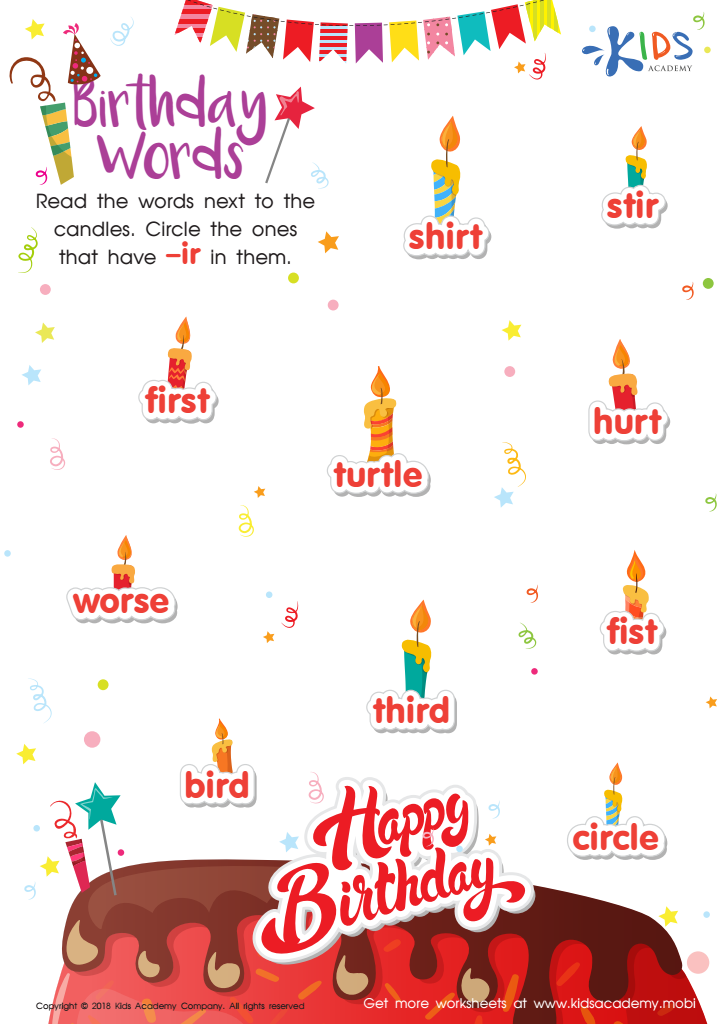
Birthday Words Worksheet
Kids adore birthday parties! Whether it's theirs or a friend's, the event is a huge draw for kids. This fun birthday-themed worksheet teaches kids to identify the letter combination -ir. Get them to scan and circle the colorful words that contain -ir. It's an exciting PDF page they won't want to miss!
 Assign to My Students
Birthday Words Worksheet
Worksheet











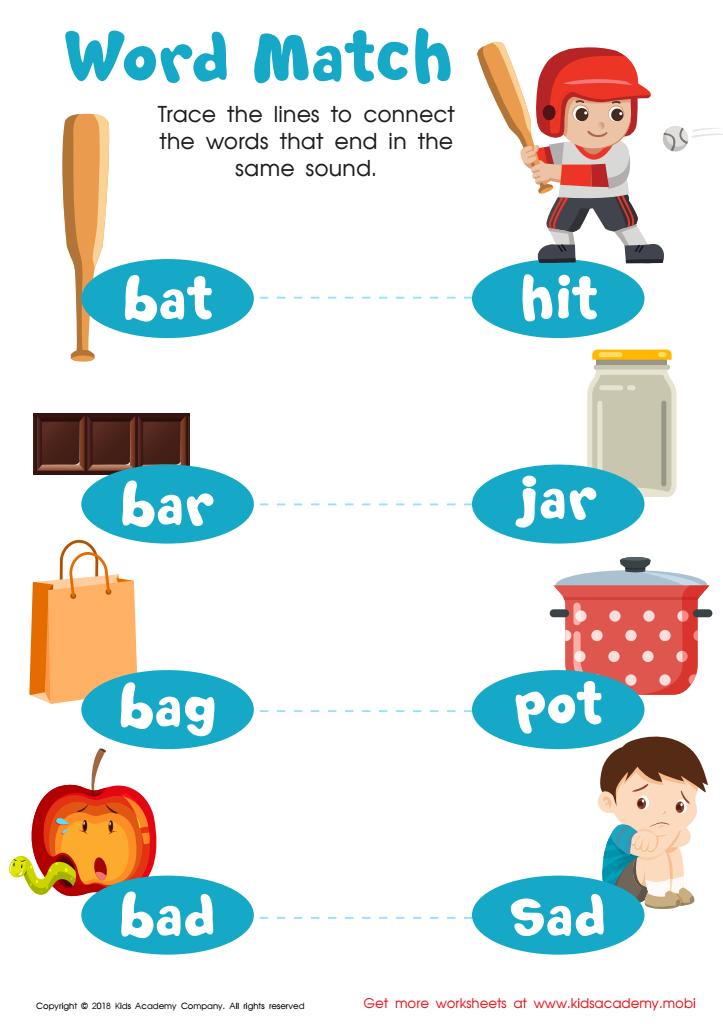
Word Match Reading Worksheet
This printout helps children learn to read fluently by connecting words with the same sound. Colorful pictures aid understanding and context for kindergarten-level students. Tracing lines, they learn to identify the sounds made by letters of the alphabet and deepen their knowledge of phonics.
Word Match Reading Worksheet
Worksheet
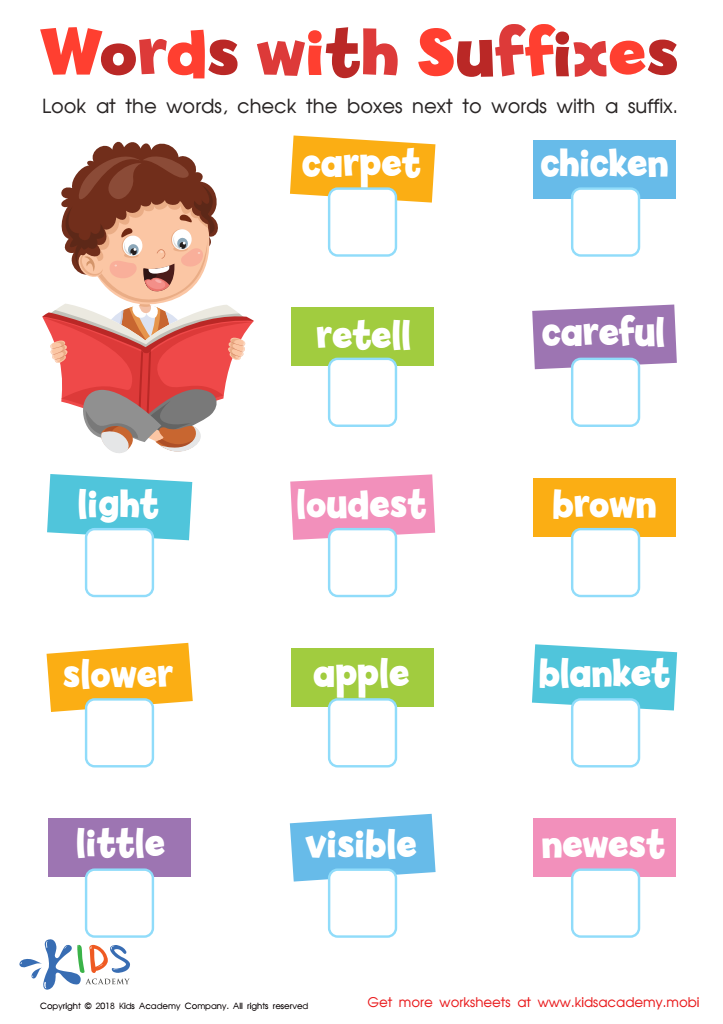
Reading: Words With Suffixes Worksheet
Help your students understand suffixes and build reading fluency with this worksheet. Have them read each word, then choose the ones with a suffix. Practicing this will lead to better comprehension and more confident reading. Save it for future use in language and reading classes.
Reading: Words With Suffixes Worksheet
Worksheet
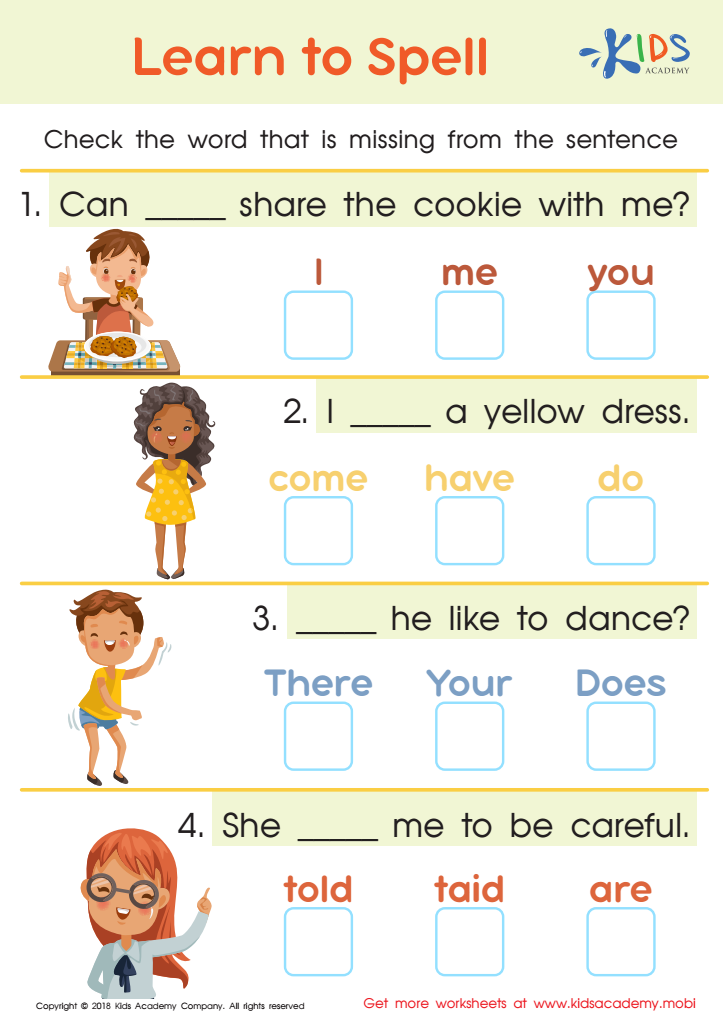
Learn to Spell Worksheet
Help sharpen spelling skills with a simple worksheet. Read sentences aloud and show which word is missing. Ask students to pick the correct word from the options. Ensure they check the missing word for accuracy.
Learn to Spell Worksheet
Worksheet
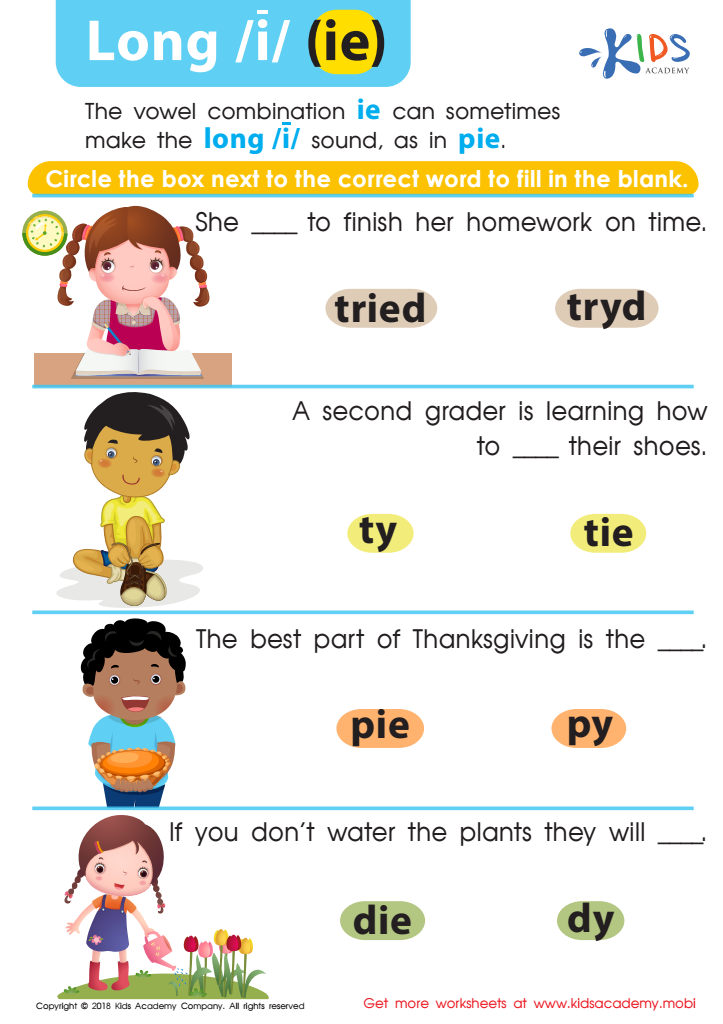
Reading: Long I and IE Worksheet
Have your child list words with the long /i/ sound (eg. 'pie'), and if needed, help them out with some examples. Read each word in the worksheet together and check their answer by having them circle the correct word.
Reading: Long I and IE Worksheet
Worksheet
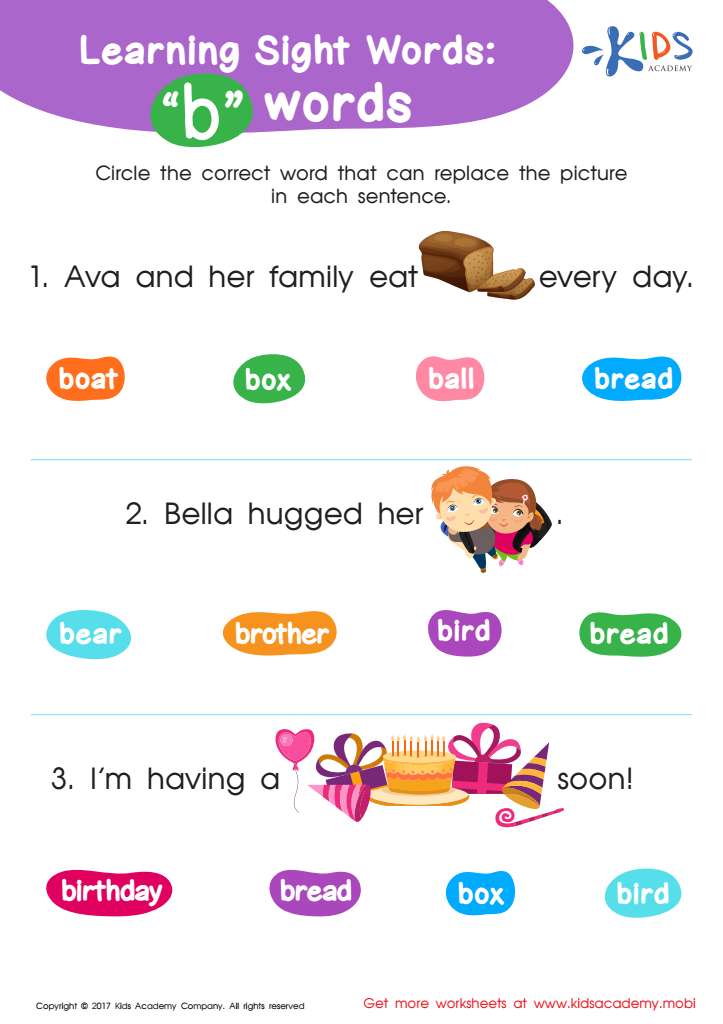
Sight Words Free Worksheet – B Words
This free 2nd grade sight words worksheet – b words – is a great way to help your child expand their sight word repertoire. They can read through each sentence, using the context and illustrations as clues to pick the right answer. Offer your child a quick practice session for even more learning!
Sight Words Free Worksheet – B Words
Worksheet
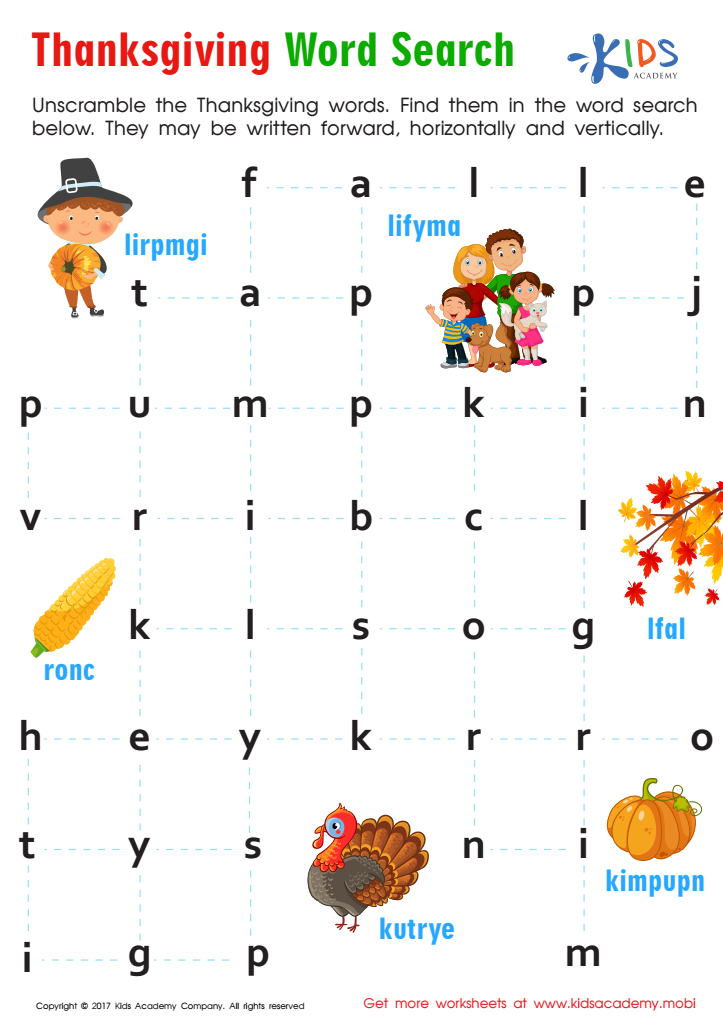
Thanksgiving Word Search Sight Words Worksheet
Unscramble letters to find Thanksgiving-themed sight words with this free worksheet! It's an exciting way to boost your child's reading skills. Download the PDF and enjoy!
Thanksgiving Word Search Sight Words Worksheet
Worksheet
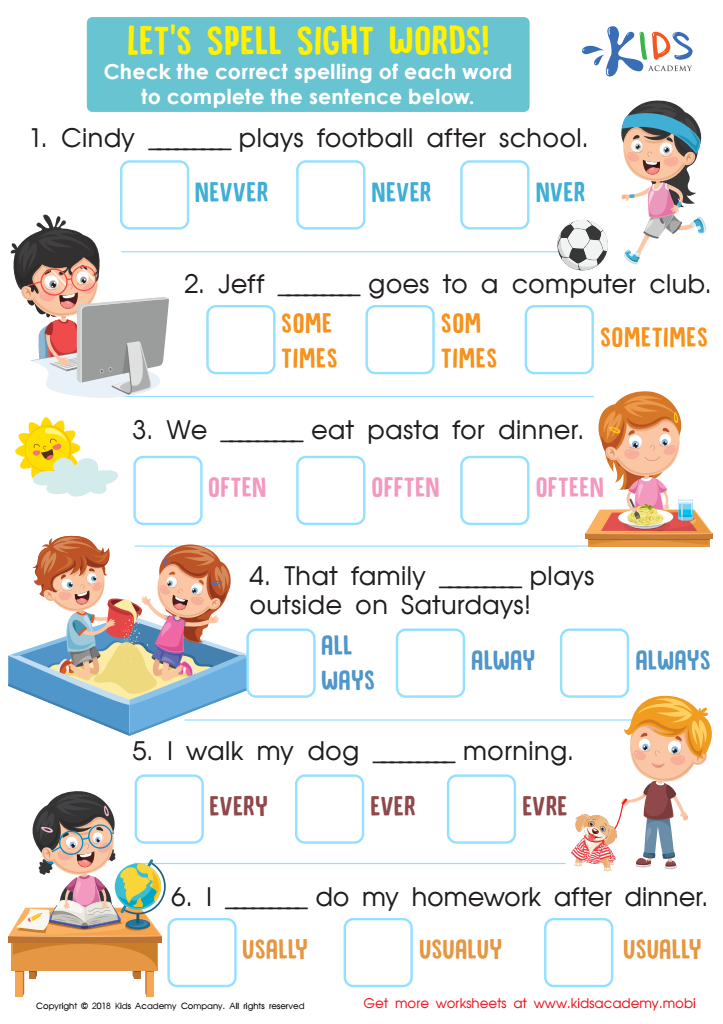
Let's Spell Sight Words Worksheet
Help your kids spell tricky sight words by asking them to spot differences in the sentences of activities they do regularly. This worksheet contains incomplete sentences, with the correct spelling of the word in the options for them to fill in. Get them to look out for words with the wrong spellings.
Let's Spell Sight Words Worksheet
Worksheet
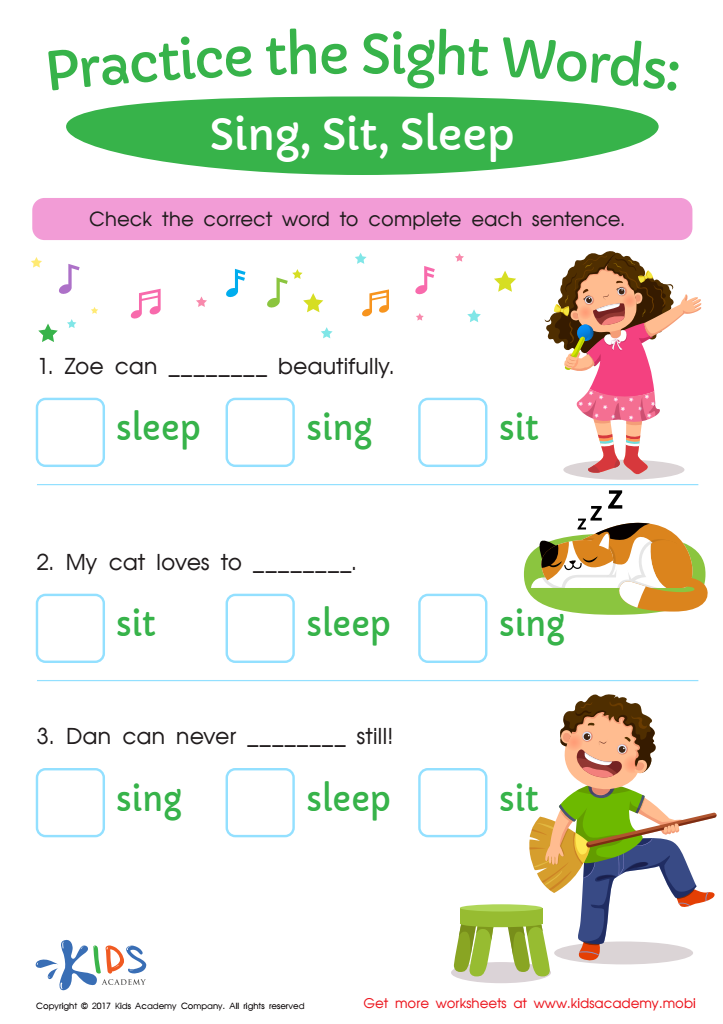
Sing, Sit, Sleep Sight Words Worksheet
Practice sight words with this printable worksheet featuring sing, sit, sleep! Confusing at first, these words can be mastered with the help of simple sentences and fun illustrations.
Sing, Sit, Sleep Sight Words Worksheet
Worksheet
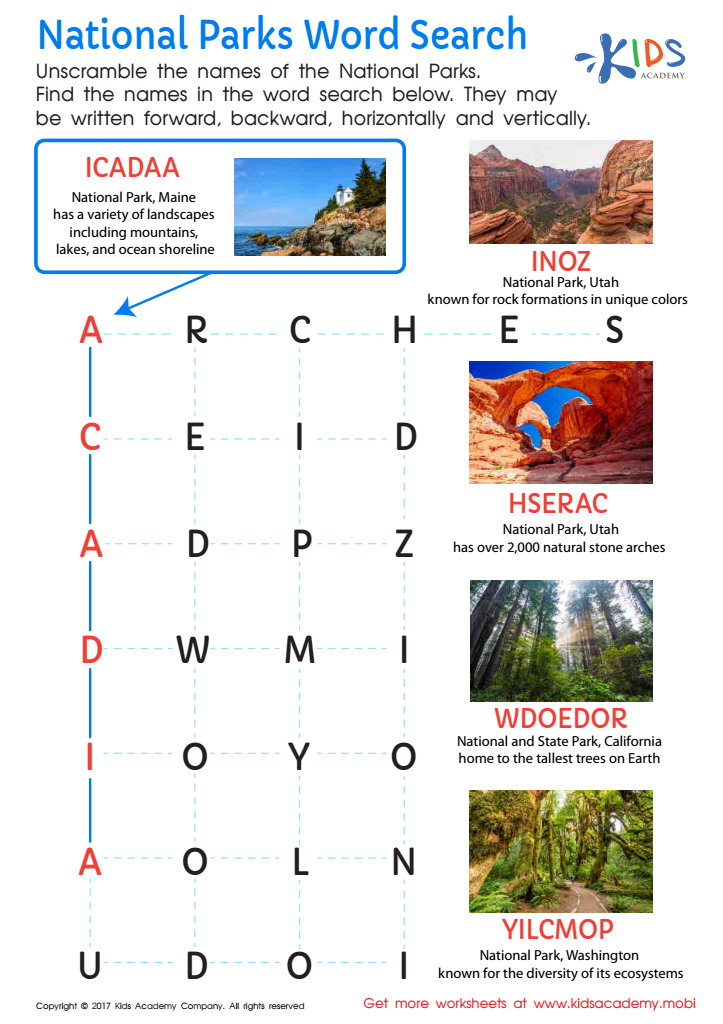
National Parks Word Search Worksheet
Explore the beauty of the USA’s national parks with this fun National Parks word search! Learn more about these majestic sites and boost your knowledge. Take a trip through the sights and sounds of our country with this motivating worksheet.
National Parks Word Search Worksheet
Worksheet
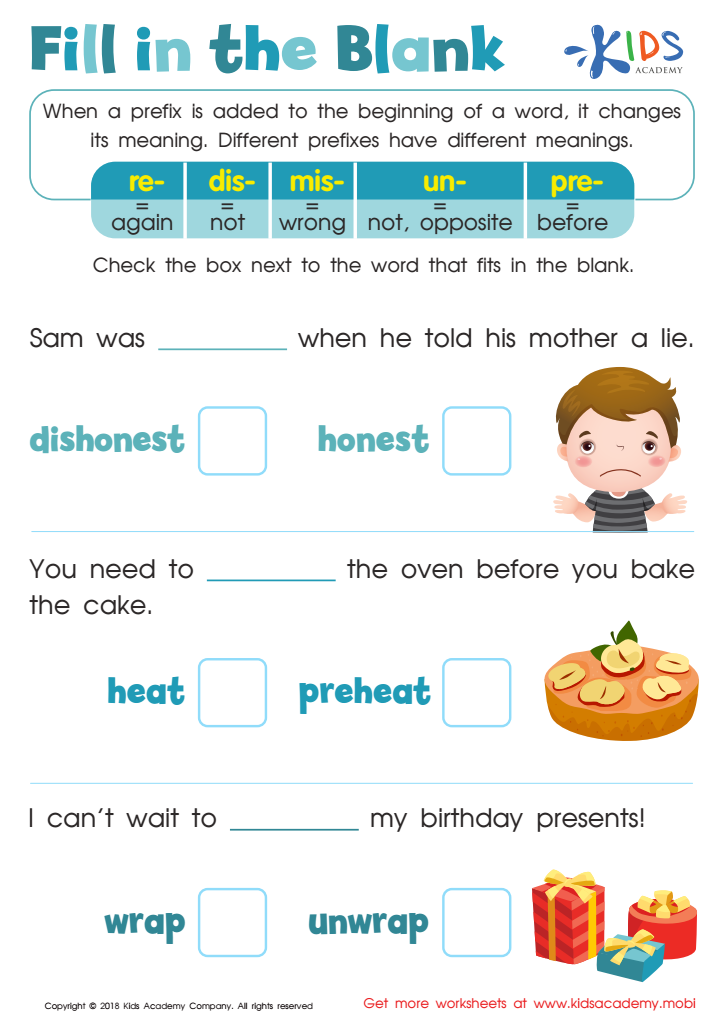
Reading: Fill in the Blank Worksheet
Students can practice understanding the meaning of common prefixes with this worksheet. They read sentences and pick the correct word with the appropriate prefix to complete it. Downloadable and a great addition to reading and vocabulary resources, this helps improve comprehension with mastery of the skill!
Reading: Fill in the Blank Worksheet
Worksheet
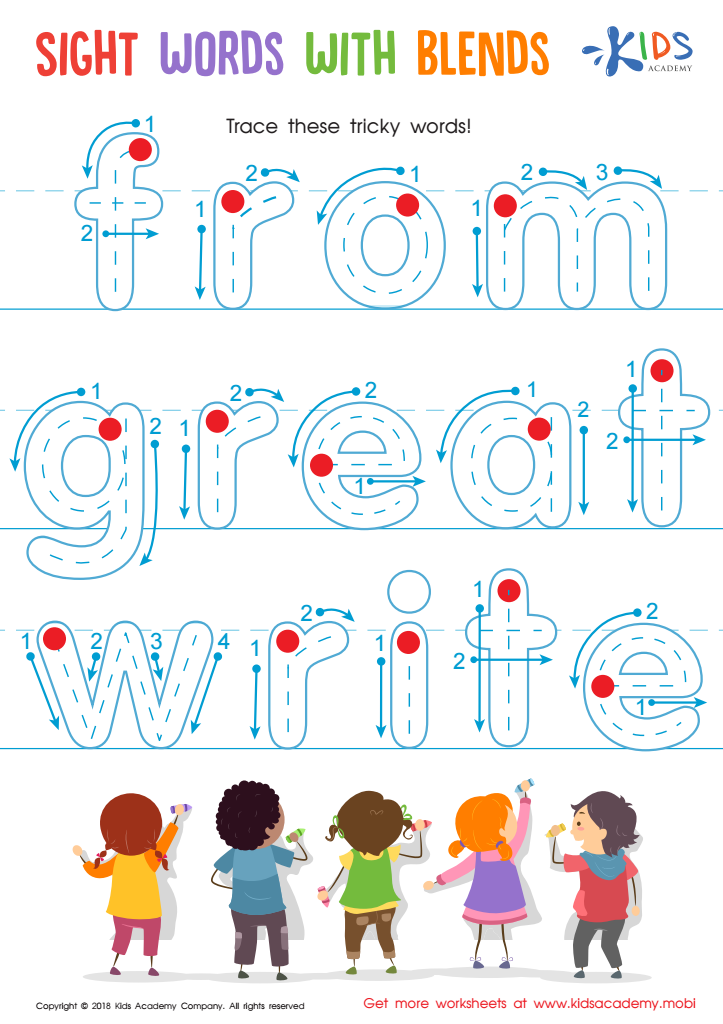
Sight Words with Blends Worksheet
This free PDF lets your children trace and write sight words with tricky blends. The guide numbers help them start from the top, building fine motor skills and enhancing sight word vocab. It's a great way to give your kids a solid foundation for reading!
Sight Words with Blends Worksheet
Worksheet
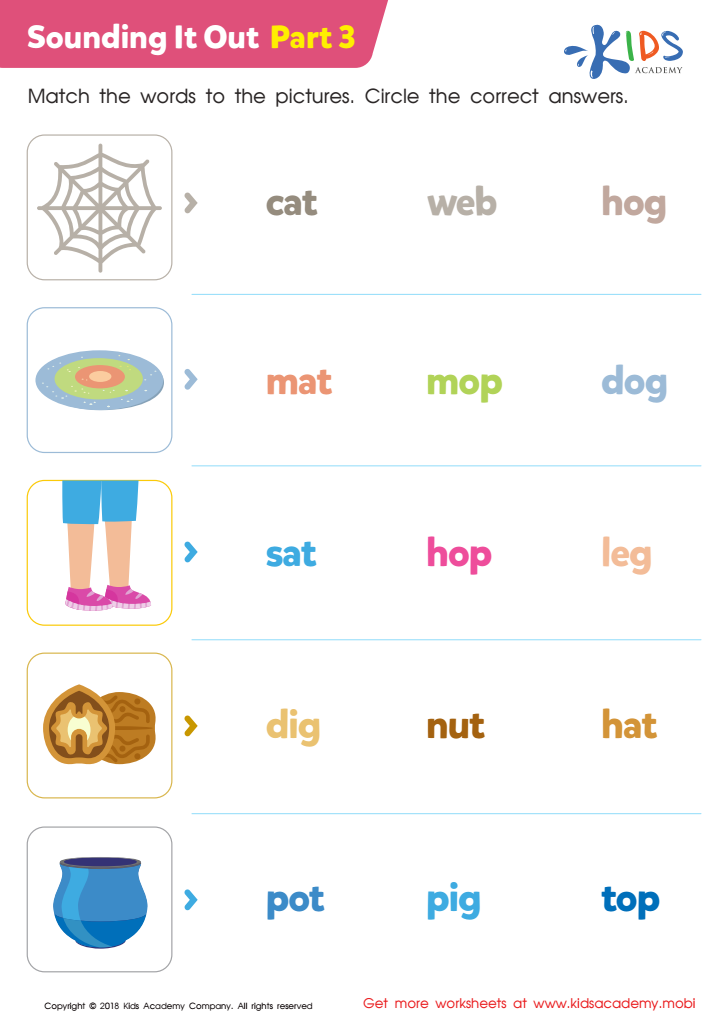
Sounding it Out: Part 3 Worksheet
Once Parts 1 and 2 are complete, this printable phonics worksheet will help kids take their reading skills to the next level! As they gain confidence, give them hints less often and direct their attention to three words in a row. Ask them to read and circle the correct word to complete!
Sounding it Out: Part 3 Worksheet
Worksheet
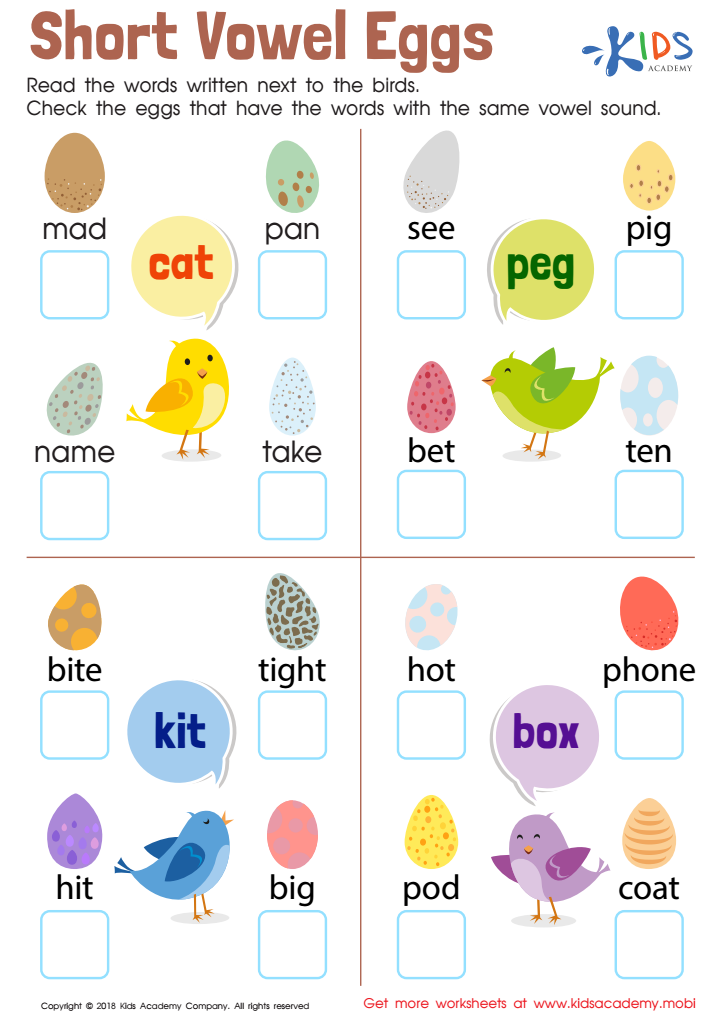
Short Vowel Eggs Worksheet
Your students will love helping these birdies pick the short vowel eggs! Have them read the words in the thought bubbles, then check off the boxes with the same short vowel sounds. The bright colors of this free Worksheet will draw them in and get them practicing their vowels!
Short Vowel Eggs Worksheet
Worksheet
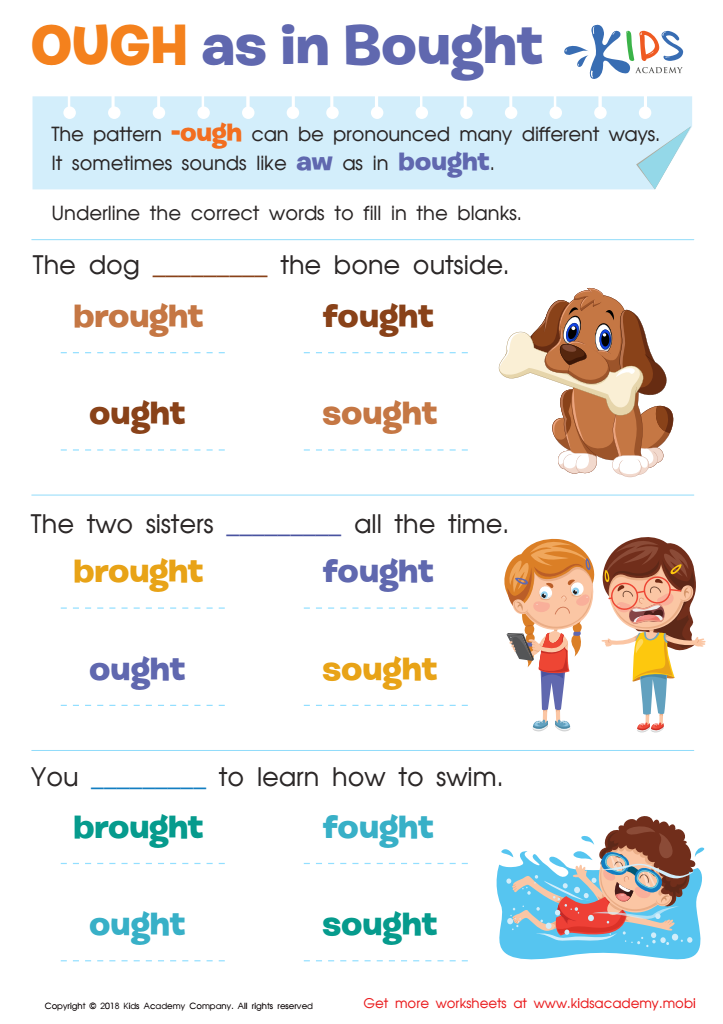
OUGH as in Bought Worksheet
Use this worksheet to teach your child the different pronunciations of -ough. For example, -ough can sound like ‘aw’ in ‘bought’. Ask your child to give more examples and help them underline the correct answers to fill in the blanks.
OUGH as in Bought Worksheet
Worksheet
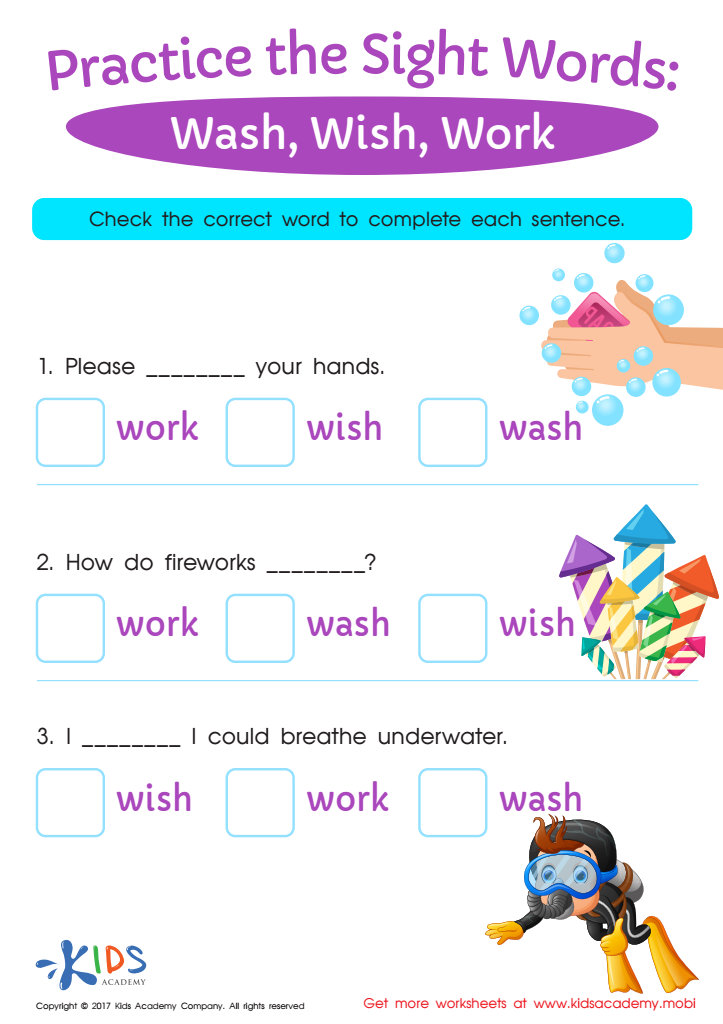
Wash, Wish, Work Sight Words Worksheet
Help your child distinguish between 'wash', 'wish' and 'work' with this sight words printable worksheet. It features sentences with the words and colorful images that aid your child's memory. Help them get one step closer to becoming a confident reader!
Wash, Wish, Work Sight Words Worksheet
Worksheet
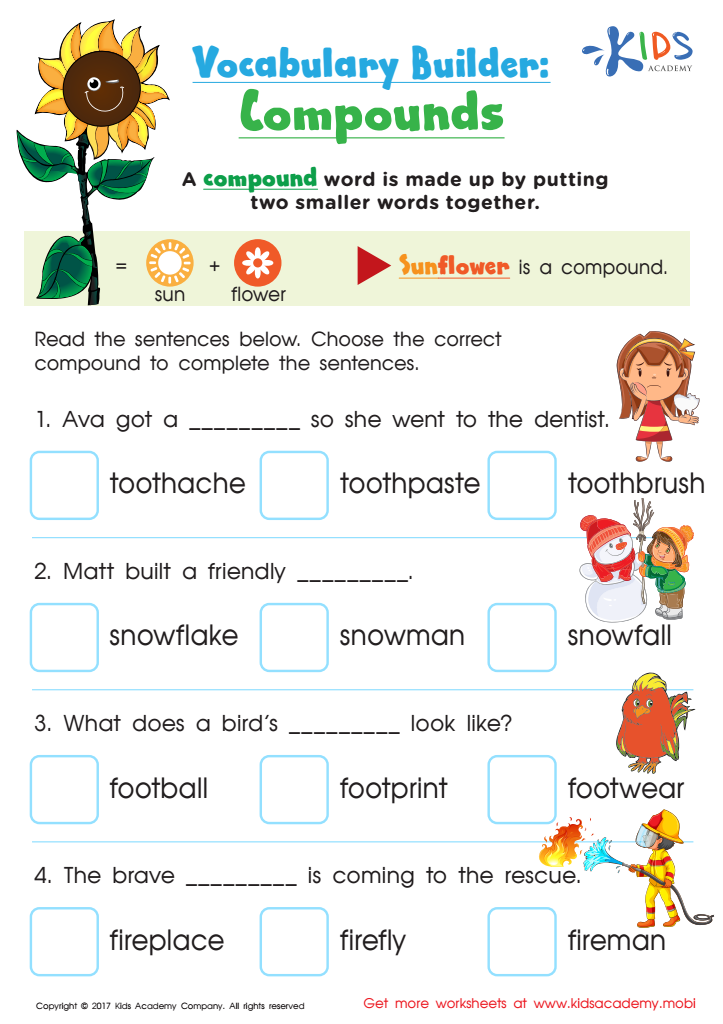
Compound Words Worksheet
Help your child get to grips with compound words! From sunflowers to snowflakes, firemen to fireflies, some words are made up of two. Introduce them to the world of compound words with this grade 2 PDF worksheet, packed with fun activities!
Compound Words Worksheet
Worksheet
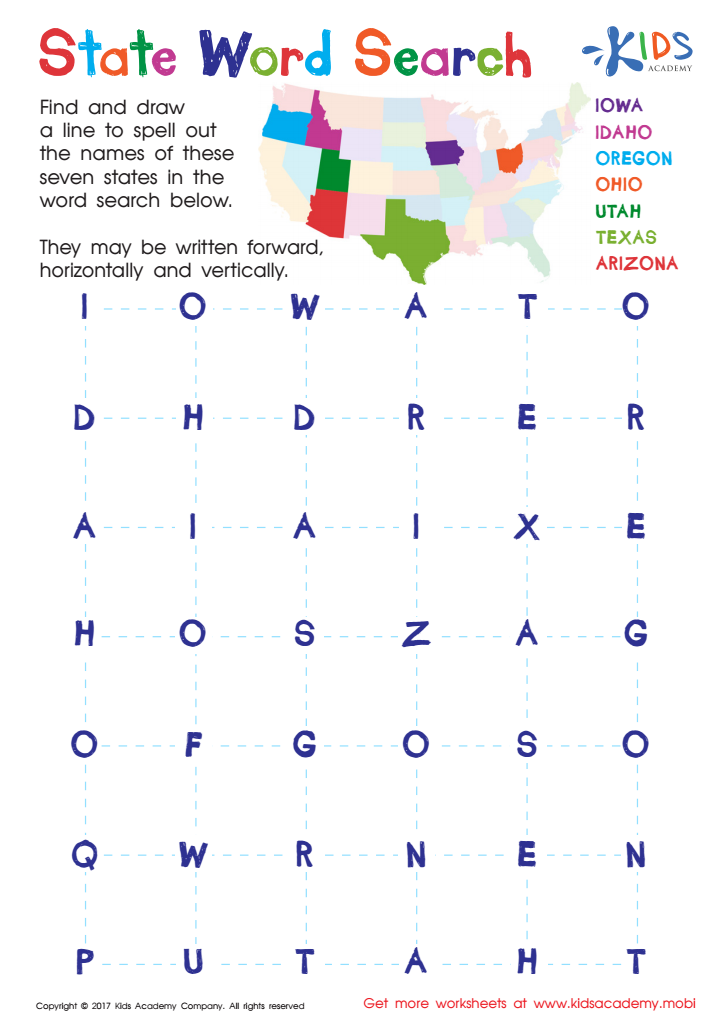
State Word Search Worksheet
Take a road trip across the US with this word search to help your child learn how to identify states. This engaging puzzle makes it easy to remember the 50 states. Get your kids to have fun and learn at the same time!
State Word Search Worksheet
Worksheet
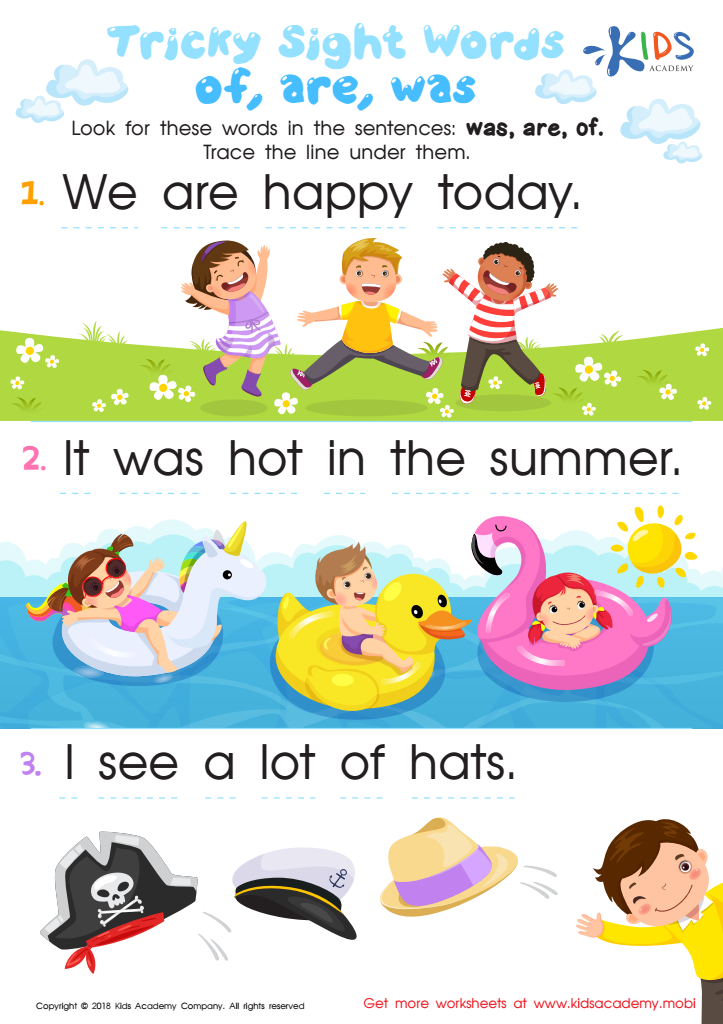
Tricky Sight Words Worksheet
Read the sentences to your students. Ask them to spot words 'of, are, was' and trace the line under them. It could be challenging for them to use them correctly or understand their meanings. Provide help where needed.
Tricky Sight Words Worksheet
Worksheet
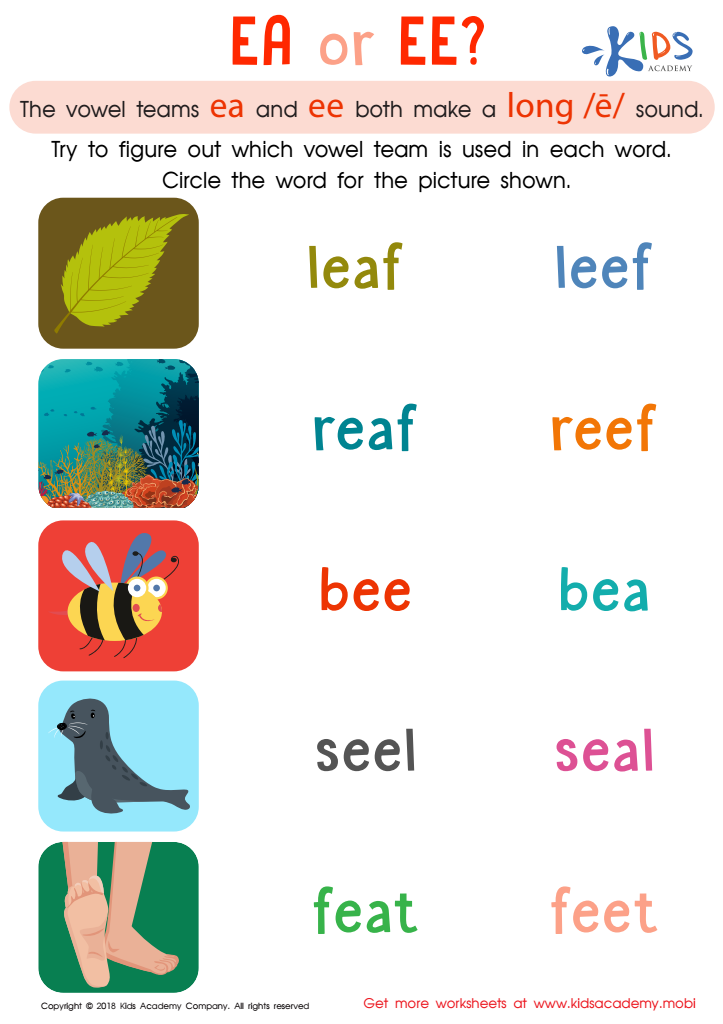
Reading: EA and EE Worksheet
Confused by the long E sound's varying spellings? Give students practice with this printable. It will improve their reading and spelling skills by helping them identify the correct spellings for words with the /ee/ and /ea/ vowel teams. Clear up the confusion and sharpen their skills.
Reading: EA and EE Worksheet
Worksheet
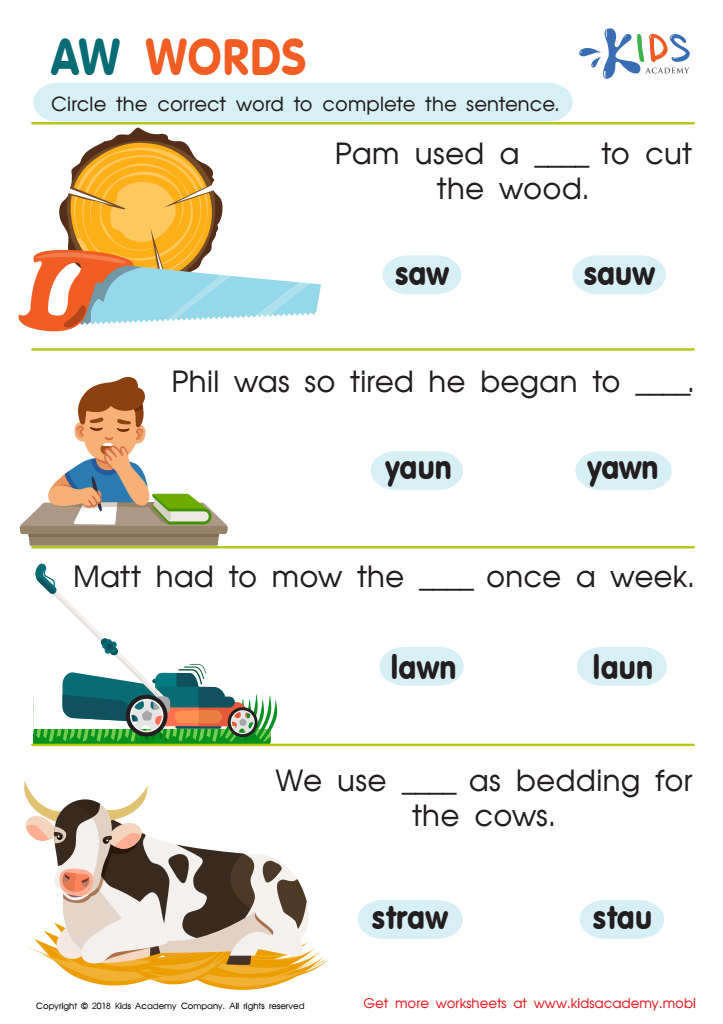
Reading: AW Words Worksheet
Practice decoding the /aw/ digraph with this printable. Students read sentences and select the word with the correct spelling to complete each one. Note, /aw/ is sometimes spelled /au/, so this worksheet helps prevent confusion. Have fun, and practice hard!
Reading: AW Words Worksheet
Worksheet
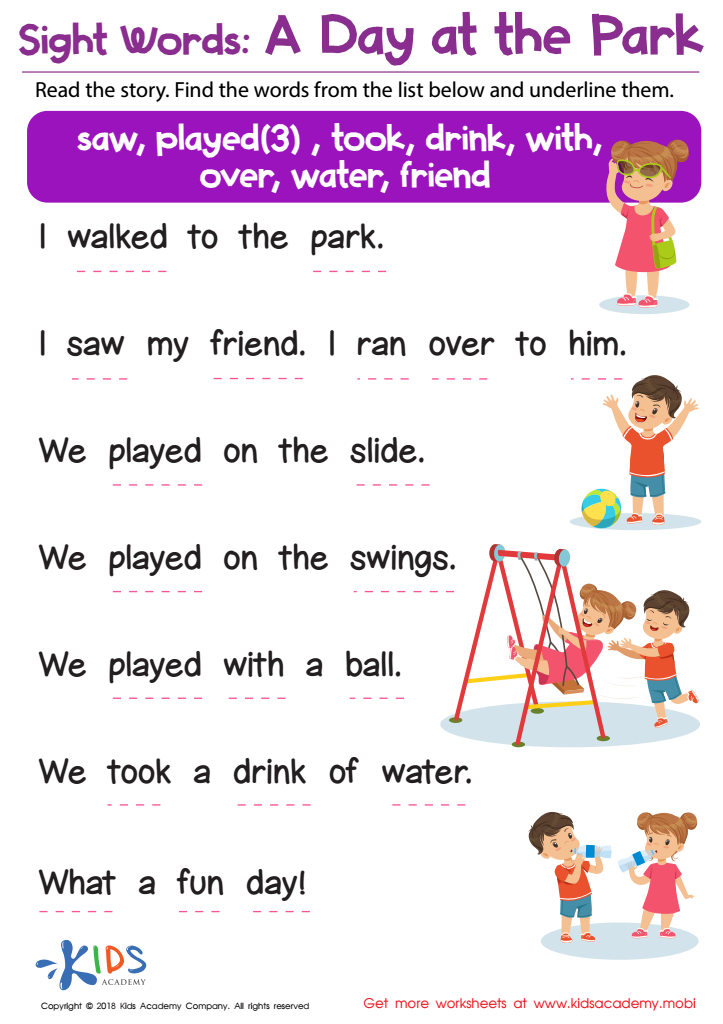
Sight Words: A Day at the Park Worksheet
This worksheet offers kids practice reading sight words in a story. With picture clues and repetitive wording, they'll work with words that can't be sounded out to reinforce their learning. This is an important step in the reading process that helps kids become more confident readers.
Sight Words: A Day at the Park Worksheet
Worksheet
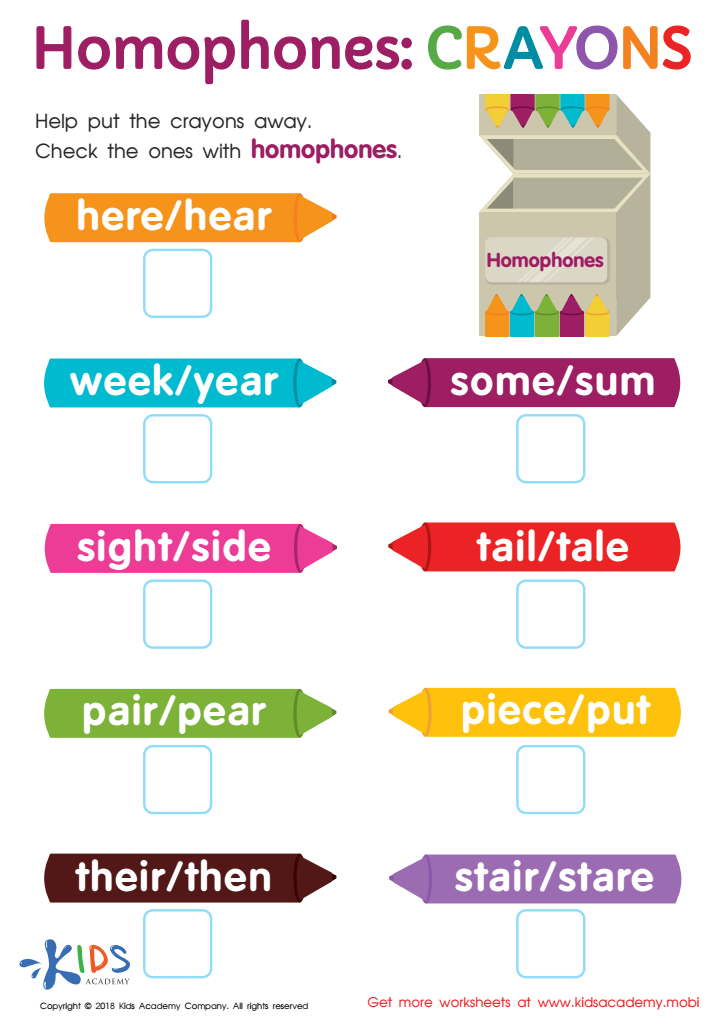
Homophones: Crayons Worksheet
Ask your kids: "What are homophones?" Explain that homophones are words that sound alike but have different meanings, like 'dare' and 'deer'. Ask them to identify homophones by putting the crayons in this printout away according to the words.
Homophones: Crayons Worksheet
Worksheet
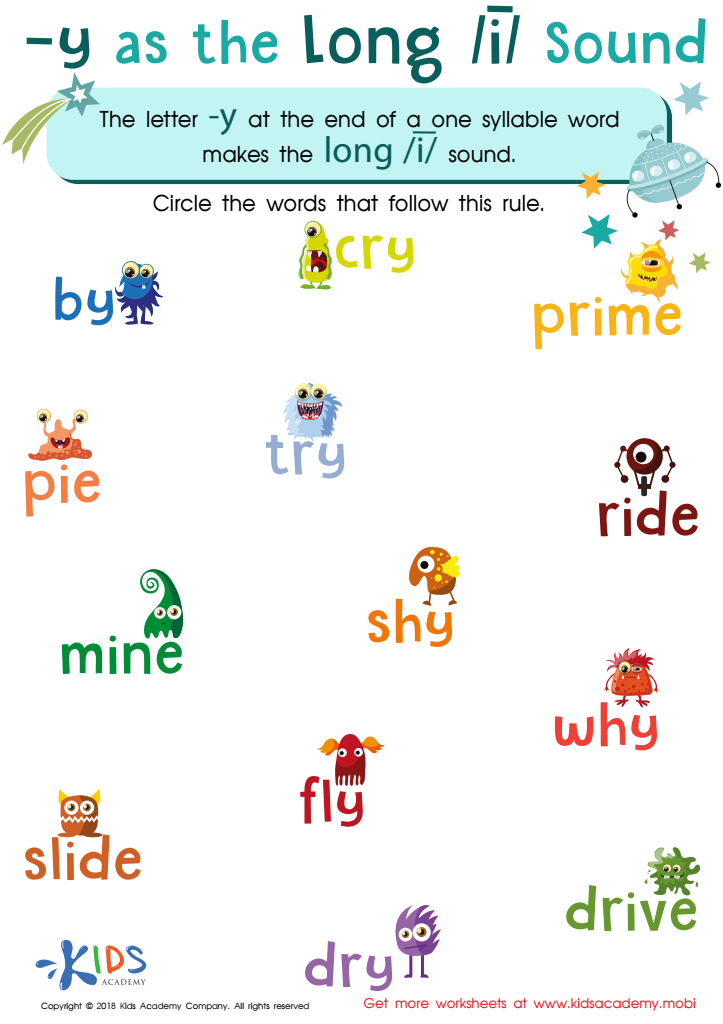
Reading: Y as Long I Worksheet
Students need practice and exposure to letters that make different sounds for decoding and reading success. This printable is a great resource for language arts classes: it explains that words ending with Y and having only one syllable make the long I sound. Students will circle all words with Y that have this sound.
Reading: Y as Long I Worksheet
Worksheet
Join Kids Academy for Free
Who is primarily going to use this learning content?








Spelling practice and building vocabulary are crucial for children aged 6-9, as these skills lay the foundation for effective communication and literacy development. During this formative stage, children are not just learning to spell words correctly; they are also developing an understanding of how language works. This is essential for their overall academic success and future learning.
When parents and teachers prioritize spelling practice, they help children improve their reading comprehension. Recognizing and correctly spelling words enables them to decode and understand texts more efficiently. A strong vocabulary enhances their ability to express thoughts, feelings, and ideas clearly, making communication more effective.
Moreover, spelling and vocabulary exercises cultivate cognitive skills such as memory retention, concentration, and critical thinking. These exercises often incorporate fun, engaging activities that can foster a love for learning.
Additionally, building vocabulary can boost children's confidence as they encounter new words in conversations, stories, and academic materials. A rich vocabulary supports diverse expressions in writing and verbal communication, which is key for their social interactions and personal development. Overall, involvement from parents and teachers in these practices can create a supportive learning environment that promotes lifelong literacy skills.








