Critical Thinking Normal Reading Worksheets for Ages 6-9 - Page 2
37 filtered results
-
From - To
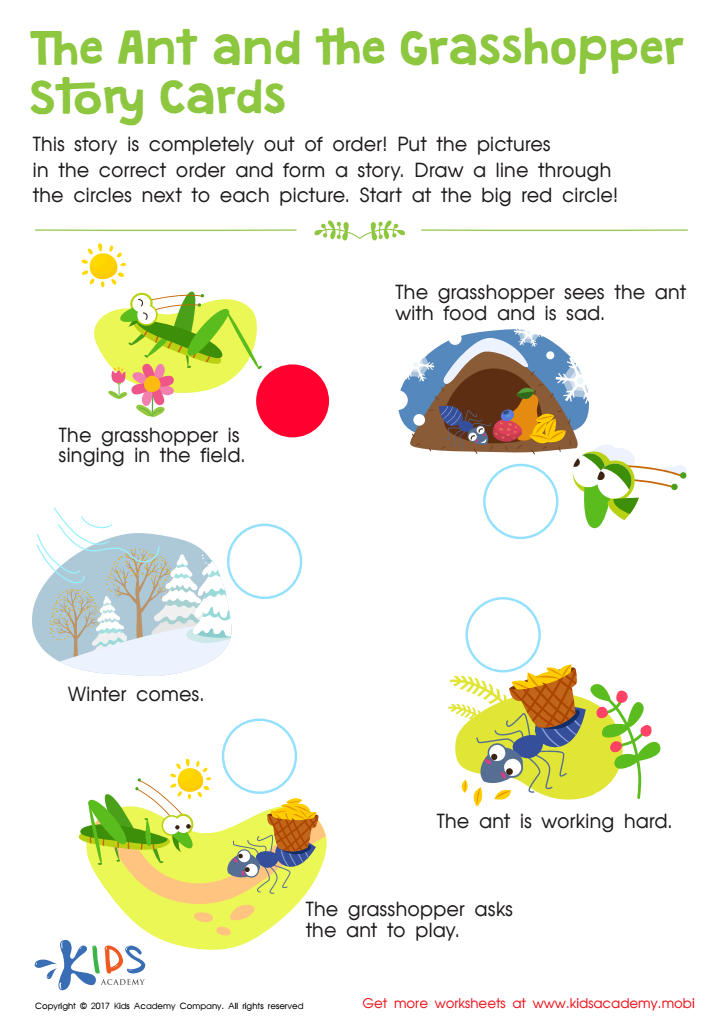
The Ant and The Grasshopper Worksheet
 Assign to My Students
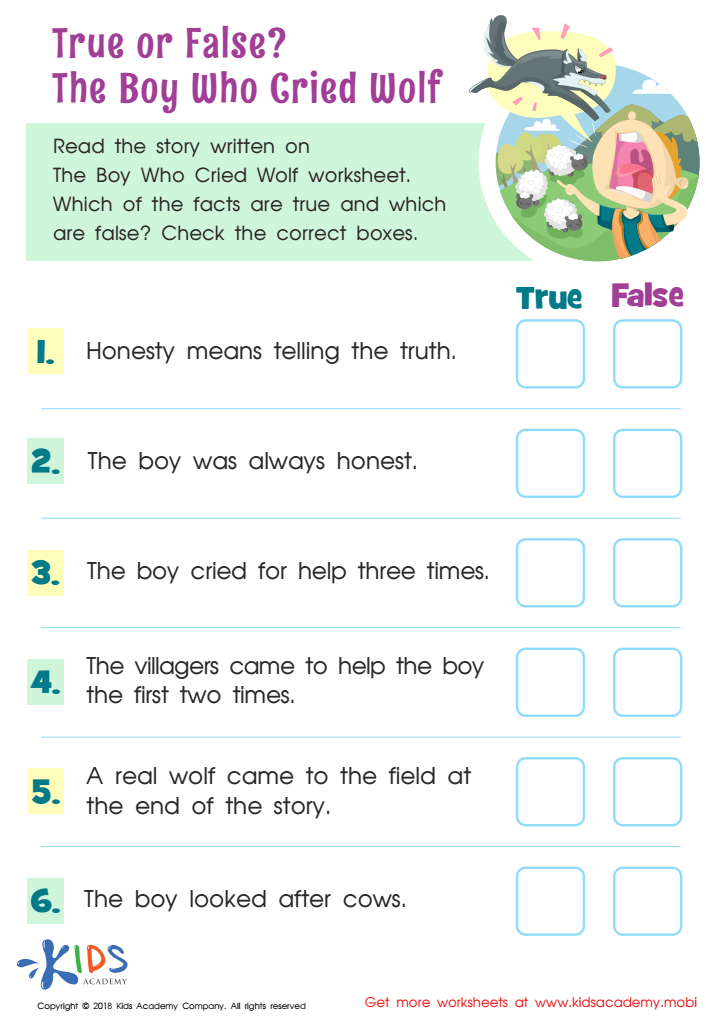
True or False? The Boy Who Cried Wolf Worksheet
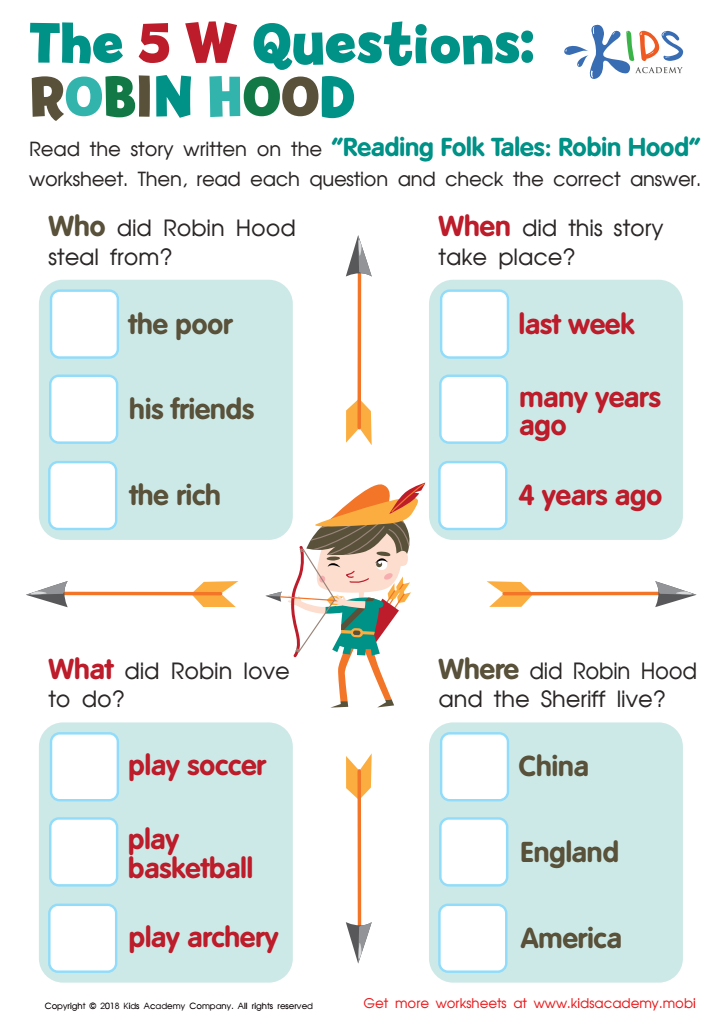
The 5 W Questions: Robin Hood Worksheet
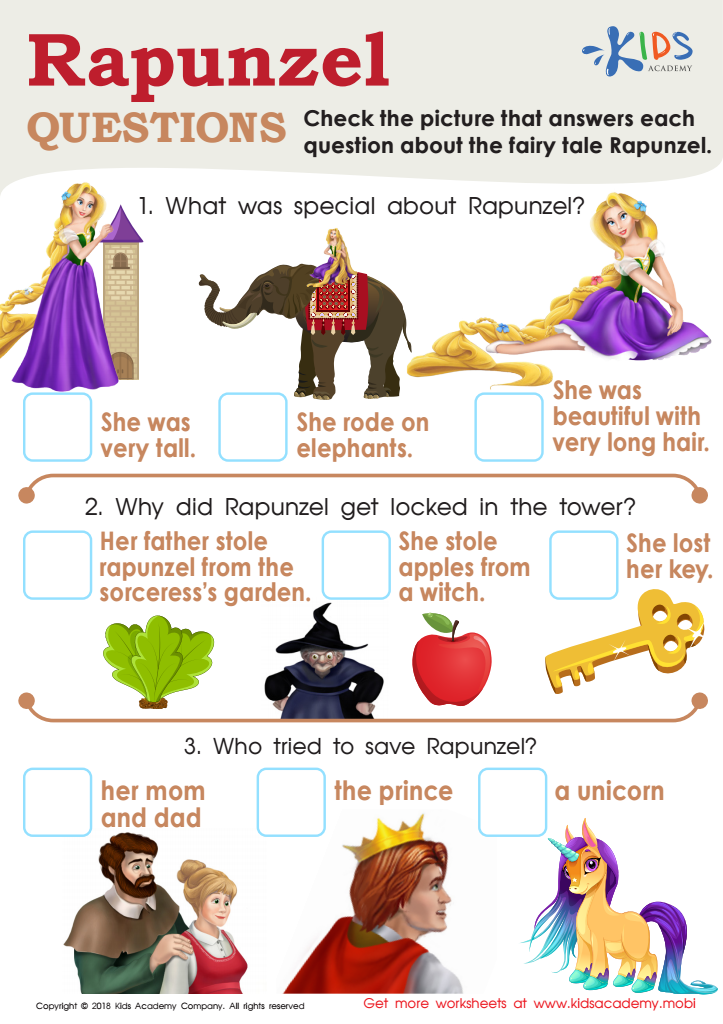
Rapunzel Questions Worksheet
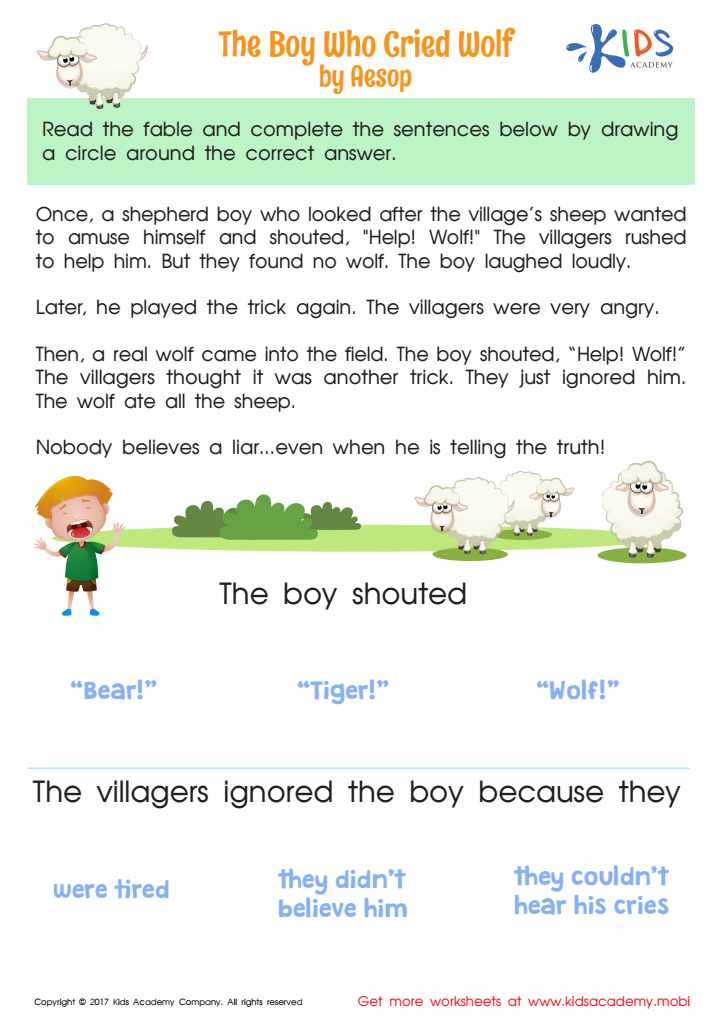
The Boy Who Cried Wolf Worksheet
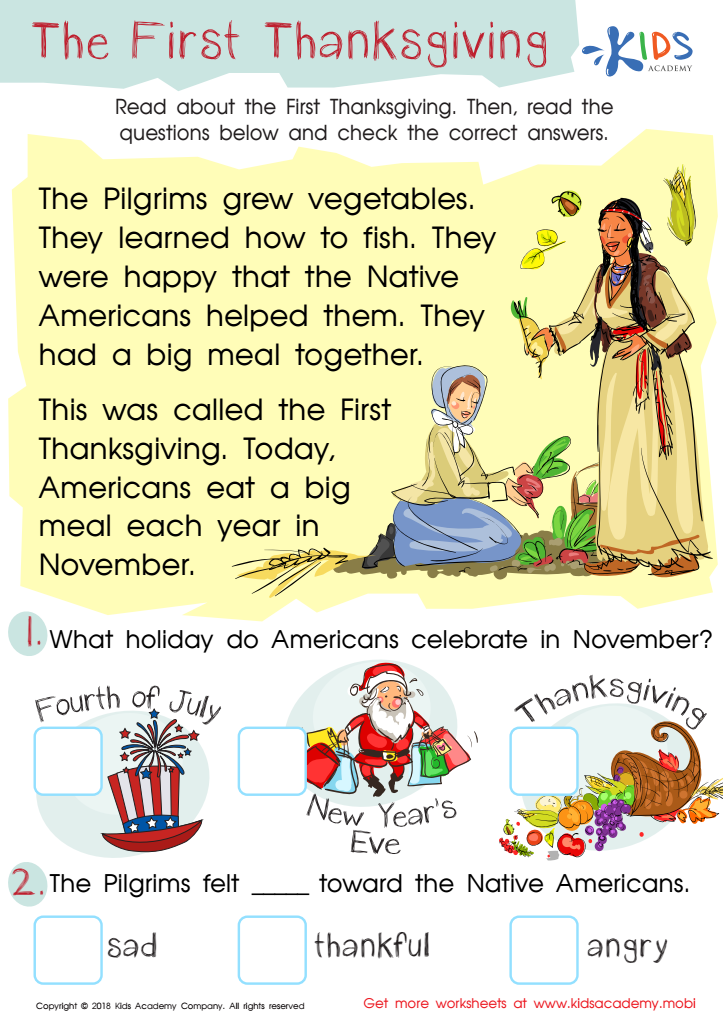
Assessment: First Thanksgiving Worksheet
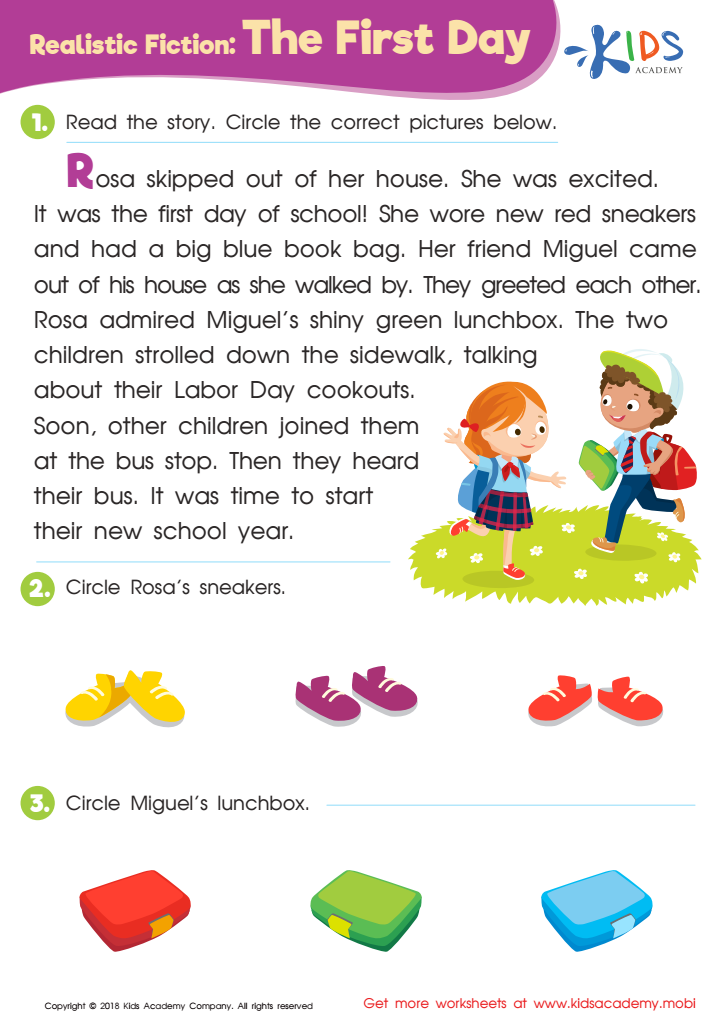
Realistic Fiction: The First Day Worksheet
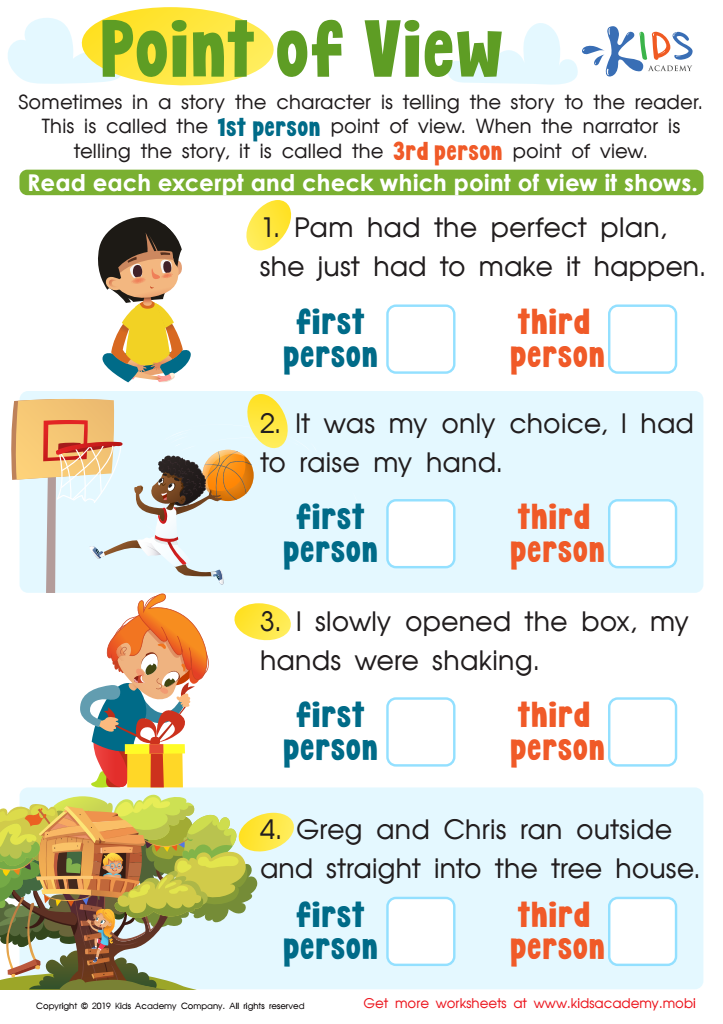
Point of View Printable
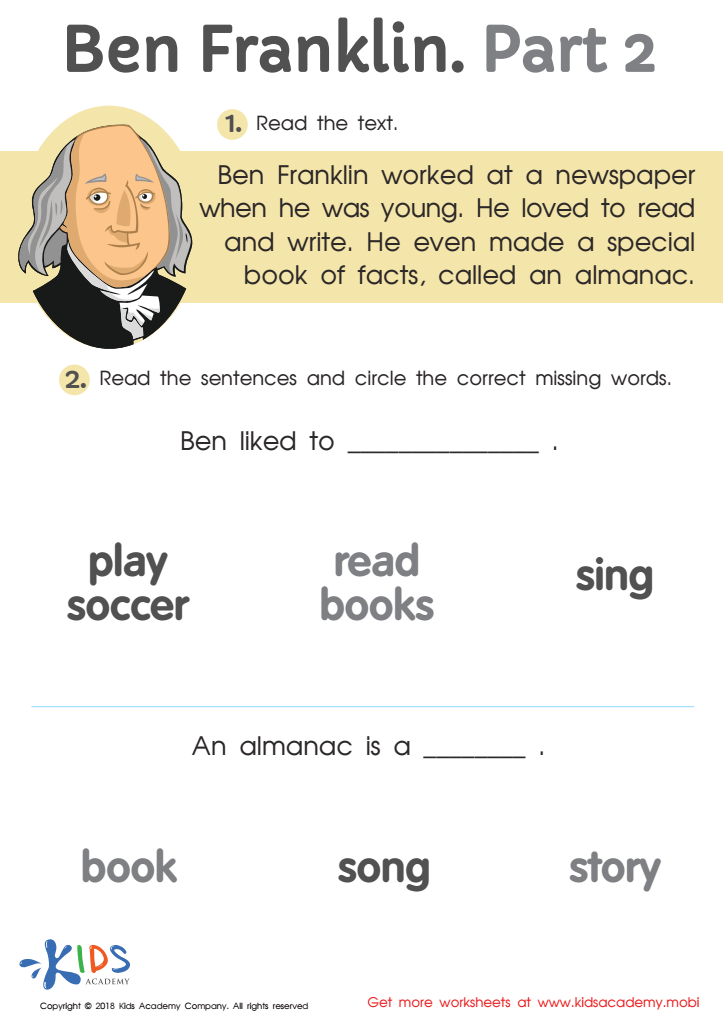
Ben Franklin Part 2 Worksheet
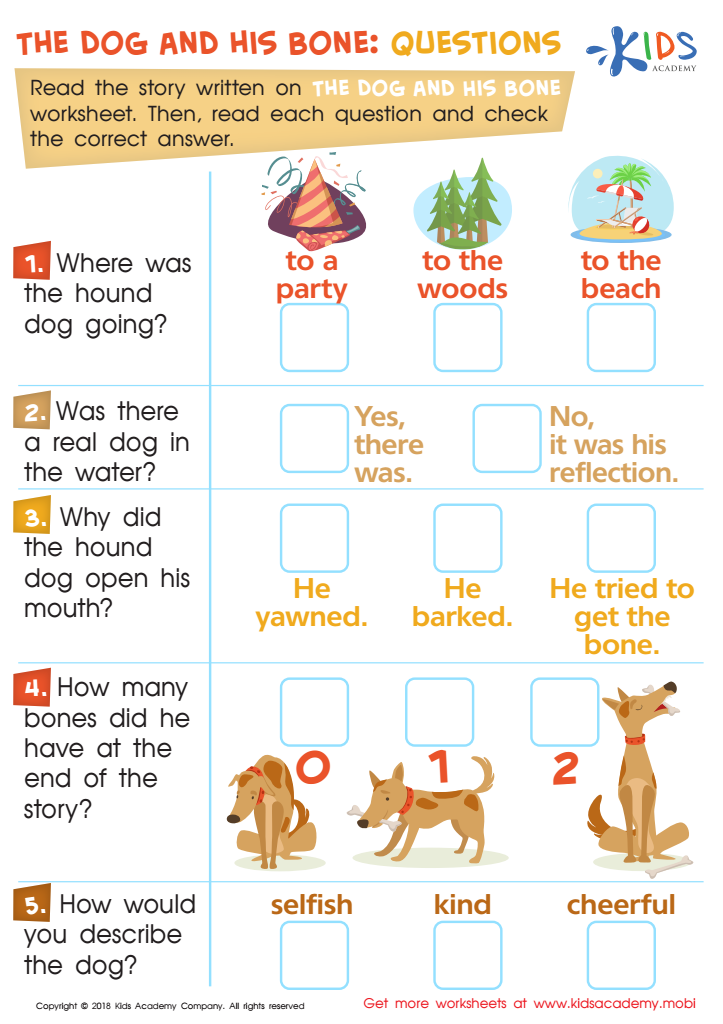
The Dog and His Bone: Questions Worksheet
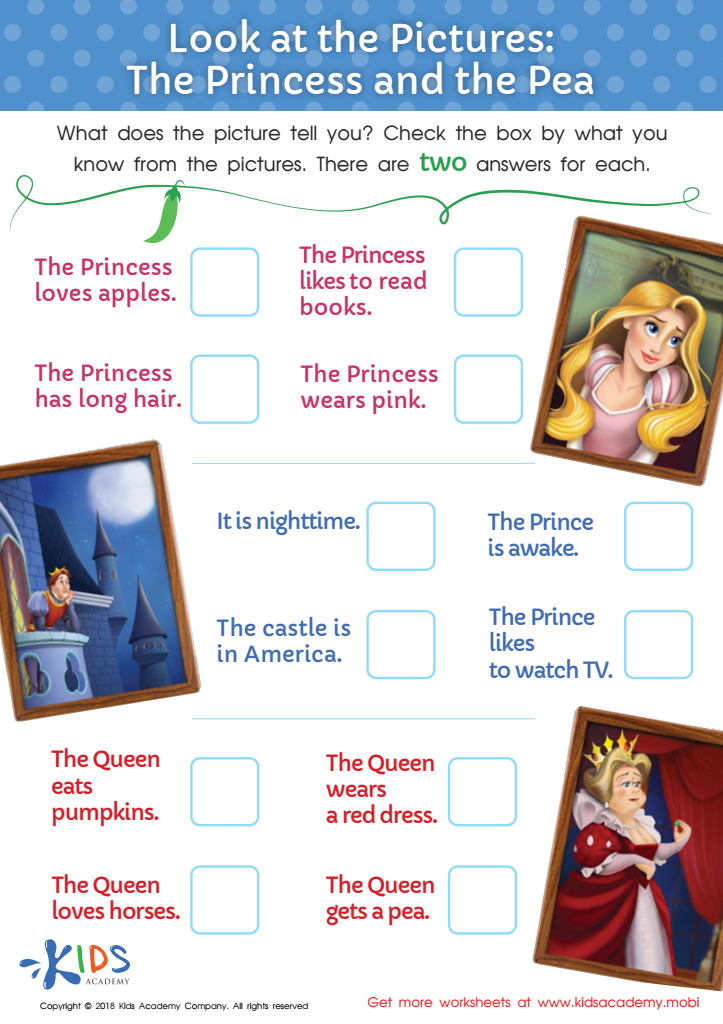
Look at the Pictures: The Princess and the Pea Worksheet
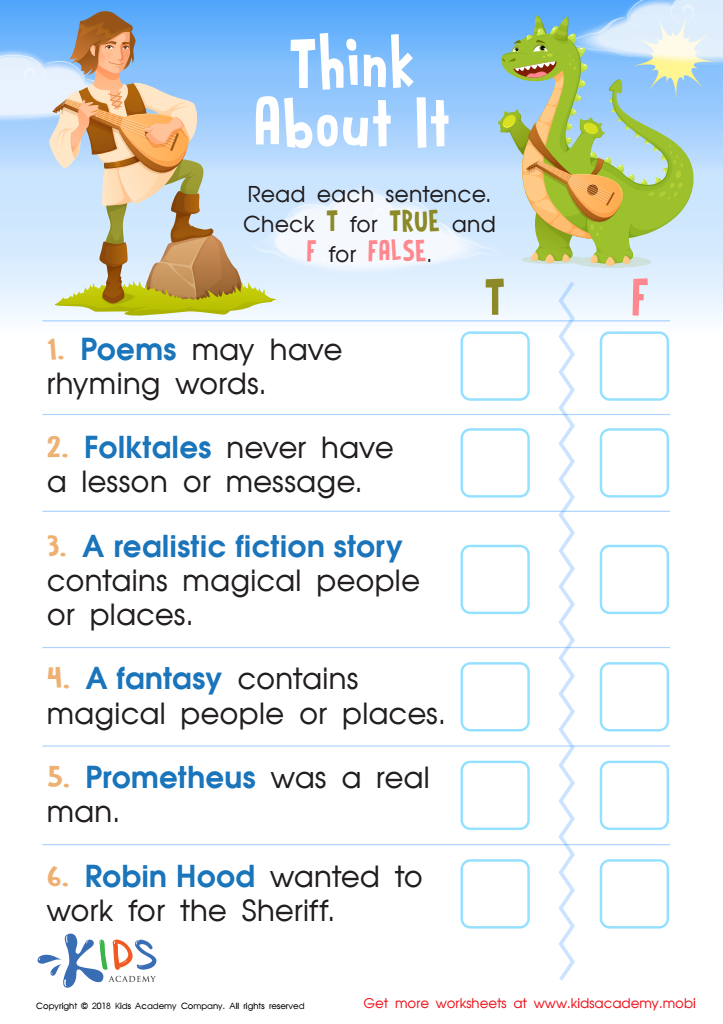
Think About It: Assessment Worksheet
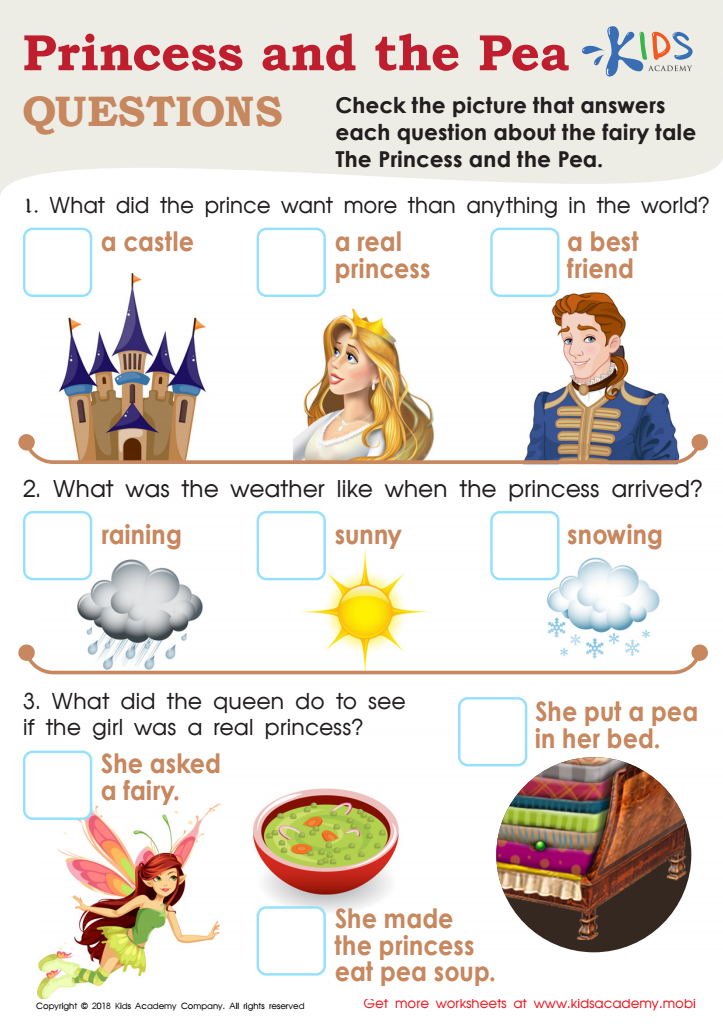
Princess and the Pea Questions Worksheet




.jpg)


Parents and teachers should prioritize critical thinking and normal reading development for children ages 6-9 because these skills are foundational for academic success and lifelong learning. During these formative years, children transition from learning to read to reading to learn. Ensuring that they have strong reading abilities enables them to grasp more complex concepts as they advance in their education.
Critical thinking, on the other hand, empowers children to analyze, evaluate, and create new ideas based on the information they read. It helps in understanding stories beyond the literal meaning, fostering comprehension skills that are crucial for subjects like science, math, and social studies. Engaging children in critical thinking exercises while they read—such as asking open-ended questions and encouraging them to make predictions or connections—enhances their cognitive abilities and problem-solving skills.
In addition to academic benefits, strong reading and critical thinking skills boost self-confidence and independence, as children feel more competent and capable of tackling new challenges. These skills not only improve educational outcomes but also prepare children to navigate and contribute meaningfully to the world around them. Therefore, investing in these areas lays a lasting foundation for children’s intellectual and personal growth.








