Language skills development Normal Reading Worksheets for Ages 6-9
3 filtered results
-
From - To
Enhance your child's reading abilities with our specially designed Reading Worksheets for Ages 6-9. Focusing on language skills development, these worksheets provide comprehensive activities to improve comprehension, vocabulary, grammar, and fluency. Each worksheet offers engaging and interactive exercises aimed at boosting your child’s confidence and reading enjoyment. Perfect for both classroom and at-home learning, these resources are crafted to meet educational standards and foster a love for reading. Start your child's journey to becoming a proficient reader with our expert-approved, fun, and educational reading worksheets.}`}
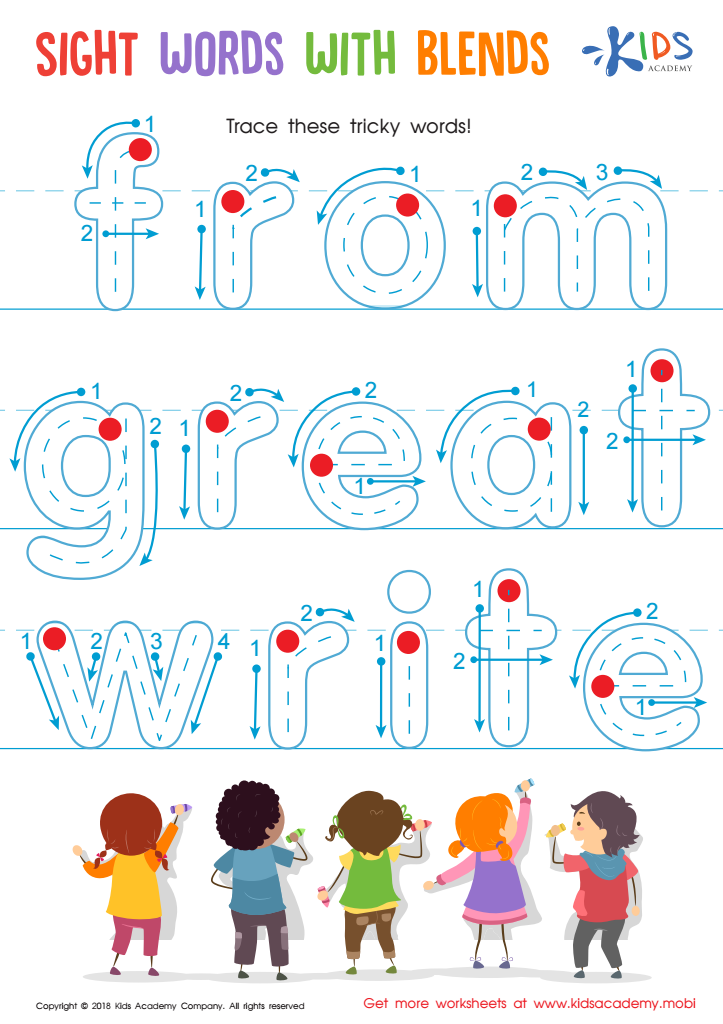
Sight Words with Blends Worksheet
 Assign to My Students
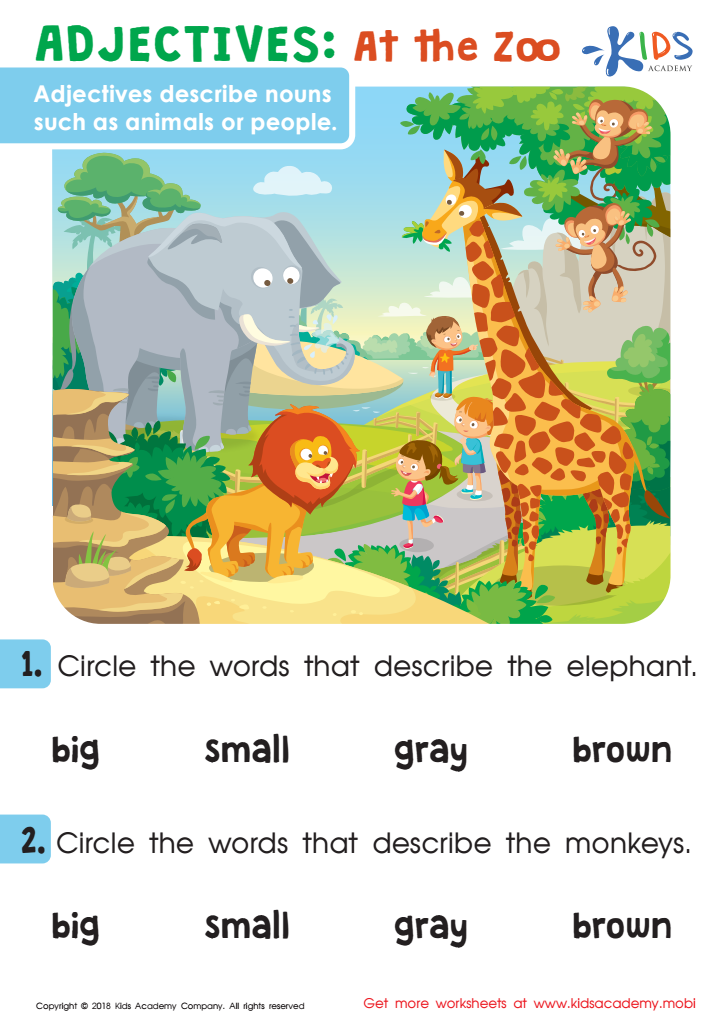
Adjectives: At The Zoo Worksheet
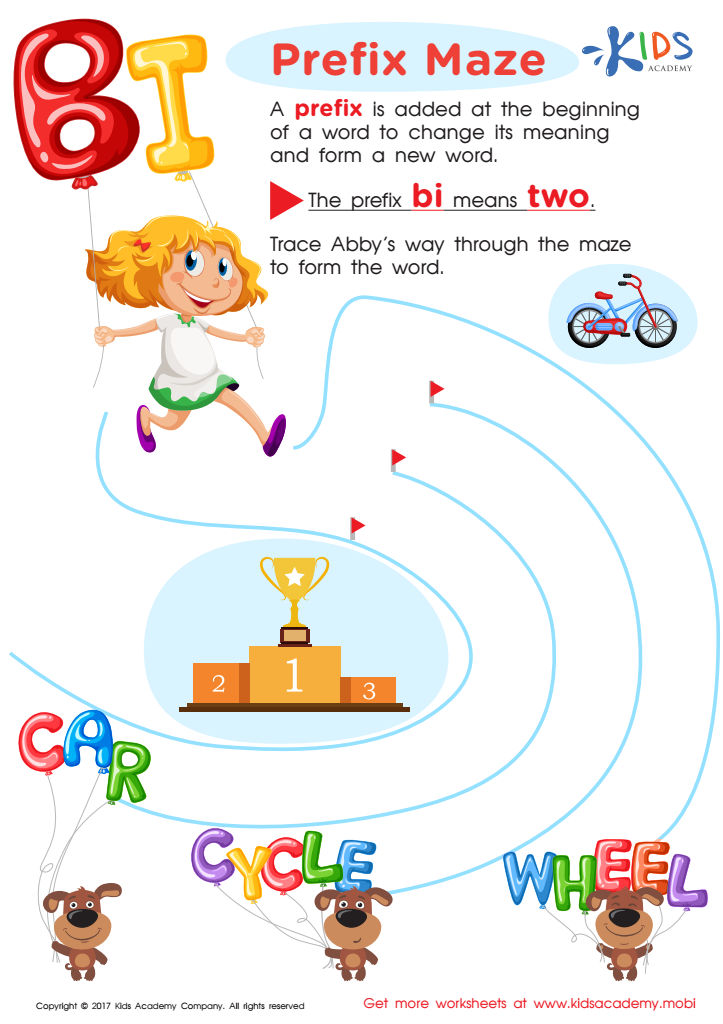
Prefix Bi Words Worksheet








Language skills development and normal reading for children aged 6-9 are crucial stages in learning. Parents and teachers should prioritize this for several key reasons. Firstly, strong language skills form the foundation for academic success across all subjects. At this age, children transition from "learning to read" to "reading to learn." Proficient reading skills are necessary for comprehension in subjects beyond language arts, such as math, science, and history.
Secondly, effective language development enhances communication skills. Children learn to express their thoughts clearly, understand instructions, and interact socially, all of which are essential life skills.
Moreover, early reading proficiency fosters a lifelong love of learning. When reading becomes an enjoyable activity, children are more likely to seek information independently and develop curiosity. This early emphasis on literacy helps build a robust vocabulary and better understanding of complex concepts.
For these critical reasons, it is important for parents and teachers to support and nurture reading habits and language skills during these formative years by encouraging reading at home, providing high-quality materials, and creating environments where language is both practiced and valued. The effort dedicated to developing these skills will have long-lasting educational and social benefits.








