
Logical thinking Normal Reading Worksheets for Ages 6-9
3 filtered results
Difficulty Level
Grade
Age
-
From - To
Subject
Activity
Standards
Enhance your child's logical thinking and reading comprehension with our engaging worksheets designed for ages 6-9. These fun, interactive activities encourage young learners to develop critical thinking skills while making sense of text. Each worksheet is thoughtfully crafted to challenge their understanding, promoting reasoning and problem-solving skills in a playful manner. By integrating logical thinking with reading exercises, your child will gain confidence in their abilities and enhance their academic success. Ideal for home or classroom use, our normal reading worksheets provide a valuable resource for nurturing your child's cognitive development. Dive into a world of learning through stimulating challenges today!
Favorites
With answer key
Interactive
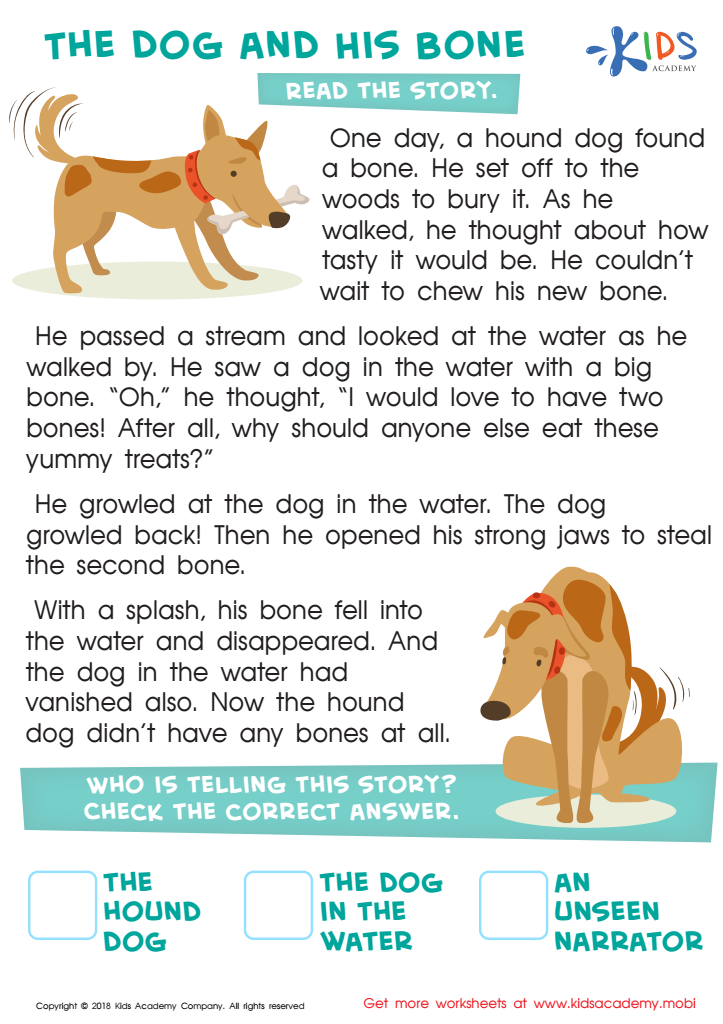
The Dog and His Bone Worksheet
Read the story of The Dog and His Bone to your kids, making sure they take in the details. Ask them the questions in this worksheet and help them check the answers. Encourage them to think carefully.
 Assign to My Students
The Dog and His Bone Worksheet
Worksheet
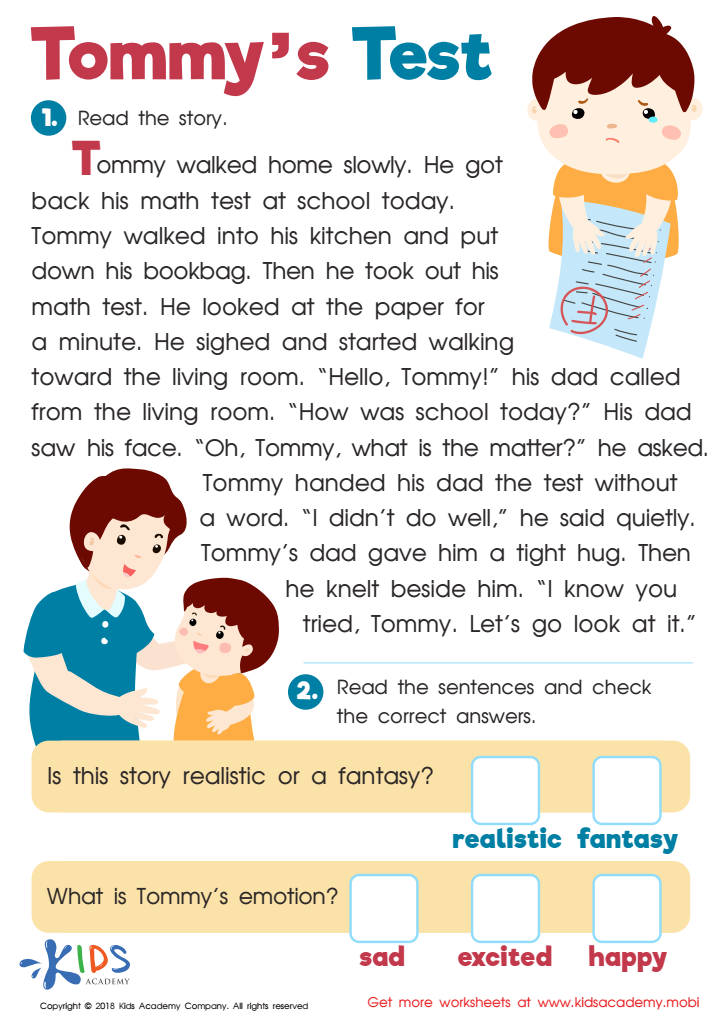
Tommys Test Worksheet
Reading short stories to your students builds a bond, teaches new words and lessons. Read the story aloud and then have them listen for details. Ask them the questions at the bottom and help them check the answers.
Tommys Test Worksheet
Worksheet
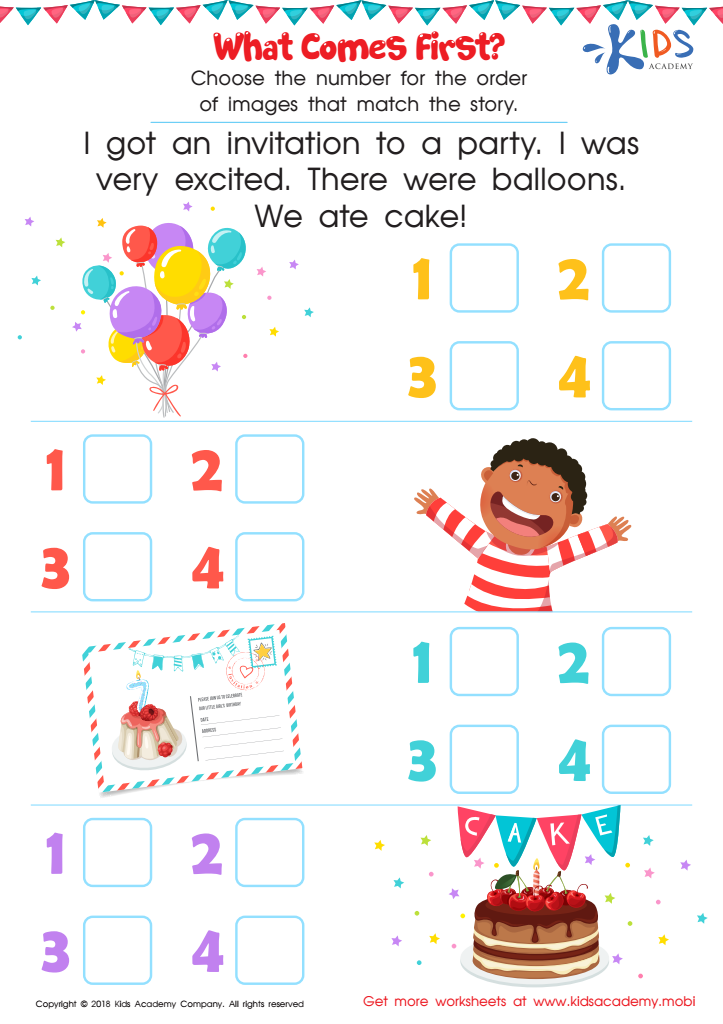
What Comes First Worksheet
Before you start, ask your child what they see in the picture. Read the story aloud together, then show them the images in order, numbered 1-5. Ask them to choose the numbers that match the story. Have fun and enjoy this party worksheet with your little one! (80 words)
What Comes First Worksheet
Worksheet
Join Kids Academy for Free
Who is primarily going to use this learning content?







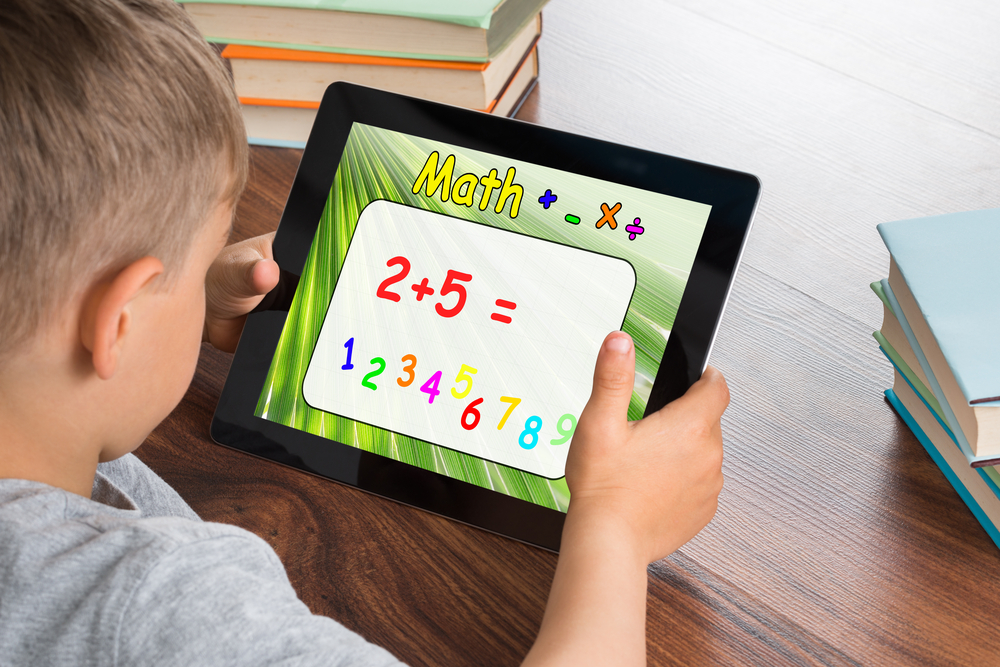
Parents and teachers should prioritize logical thinking skills during the reading development of children aged 6-9, as these are foundational for academic success and everyday problem-solving. Logical thinking involves reasoning, understanding cause and effect, and recognizing patterns—skills that enhance comprehension and critical analysis when reading.
At this age, children are transitioning from learning to read to reading to learn. Encouraging logical thinking helps them make connections between stories and real-life situations, improving their ability to understand themes and messages. For instance, grasping the motivations of characters in a story fosters empathy and social skills, while analyzing plot structure develops predictive reasoning.
Moreover, strong logical thinking skills contribute to math proficiency—a critical area of learning beyond literacy. Activities that integrate reading comprehension with logic, such as discussing what-if scenarios in stories or categorizing characters, sharpen these cognitive abilities.
Furthermore, fostering logical thinking empowers children to become independent learners, providing a robust framework for tackling challenges both in school and beyond. As they grow, these skills will be invaluable in higher education and diverse career pathways. Therefore, parents and teachers should actively engage children in activities that develop logical thinking alongside their reading curriculum.








