Sequencing Skills Normal Reading Worksheets for Ages 6-9
4 filtered results
-
From - To
Enhance your child's reading proficiency with our Sequencing Skills Normal Reading Worksheets, designed specifically for ages 6-9. These engaging worksheets help students grasp the concept of sequencing, a vital comprehension skill that teaches them to arrange events in order. By following stories and activities, kids will improve their logical thinking and reading skills in a fun, interactive way. Our carefully crafted worksheets not only promote literacy but also reinforce critical cognitive abilities. Ideal for classroom use or at-home practice, these resources provide a solid foundation for your child's educational journey. Download now to support your child's learning adventure!
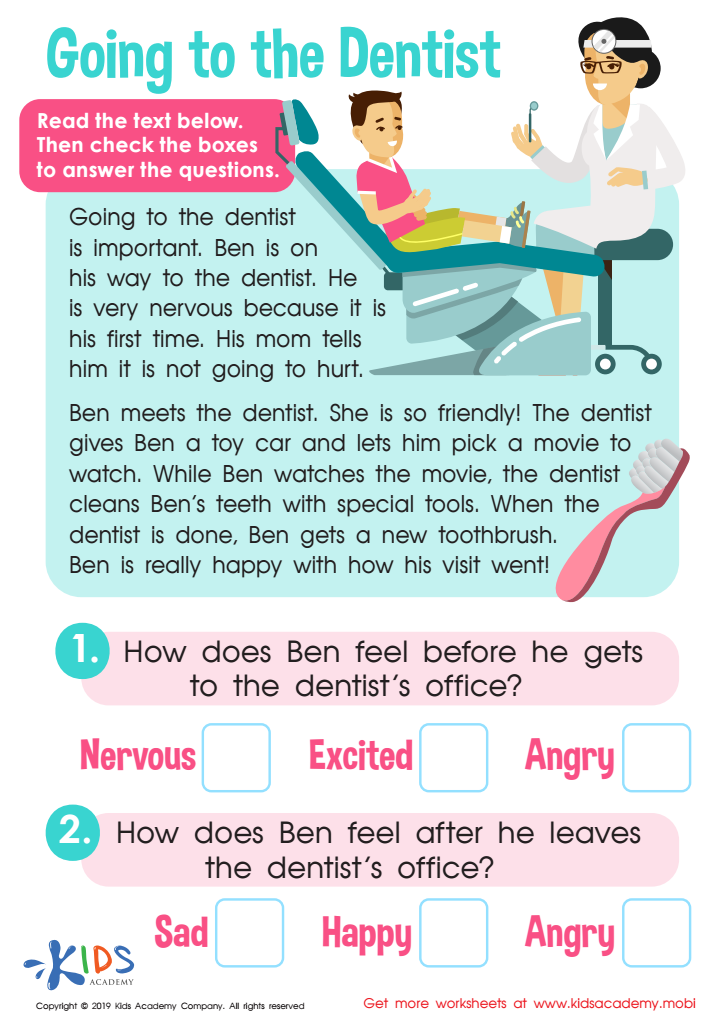
Going to the Dentist Worksheet
 Assign to My Students
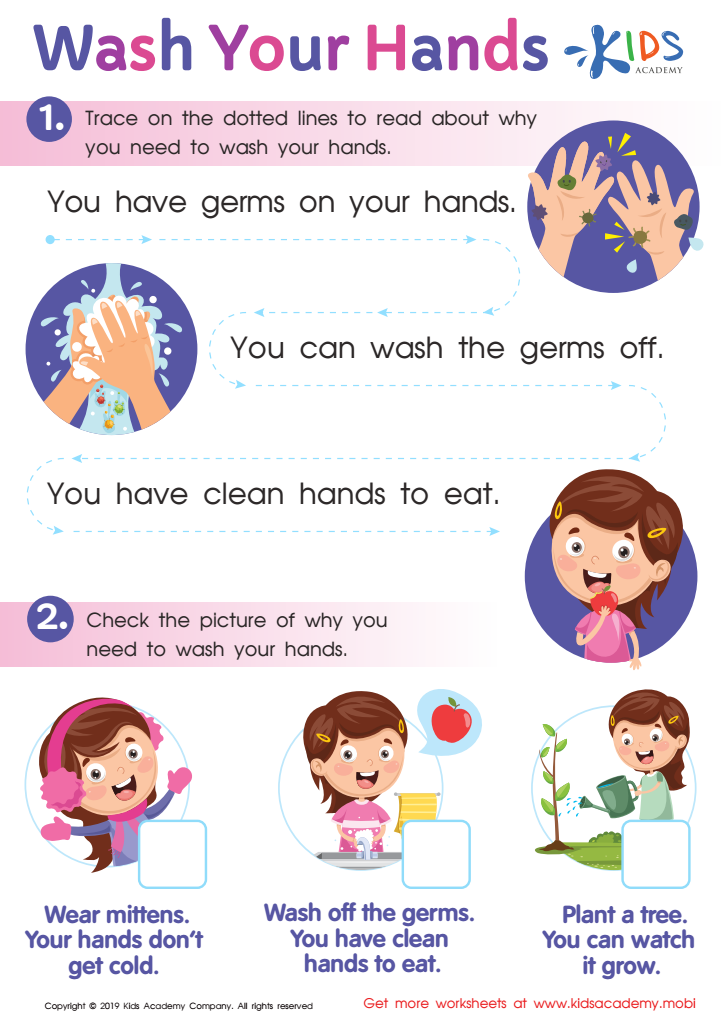
Wash Your Hands Worksheet
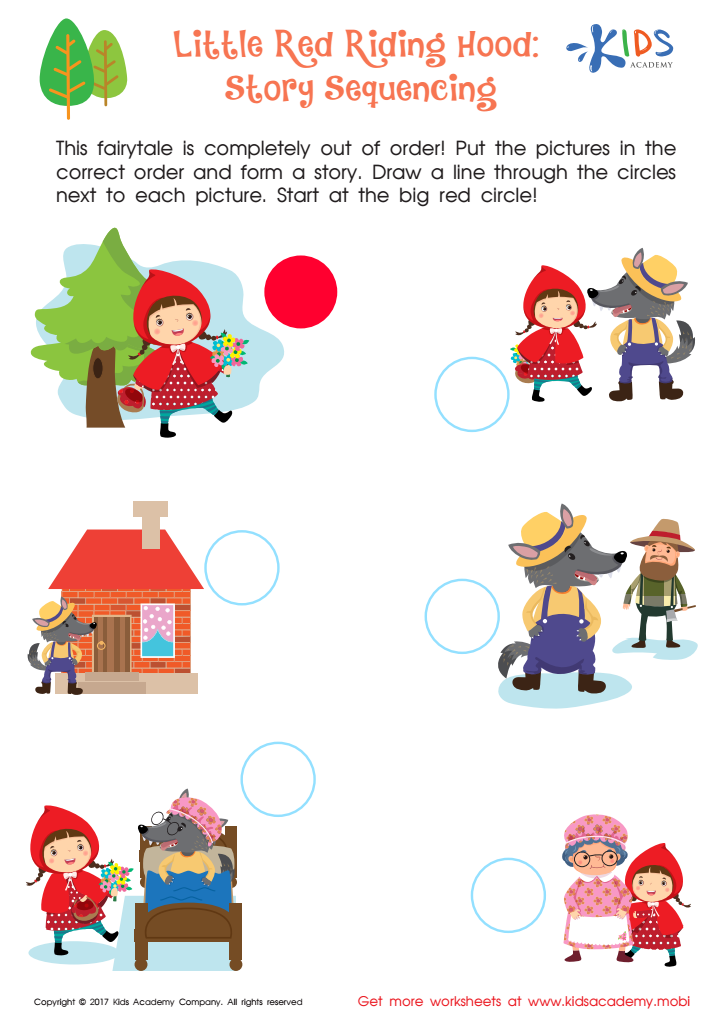
Story Sequencing Printable
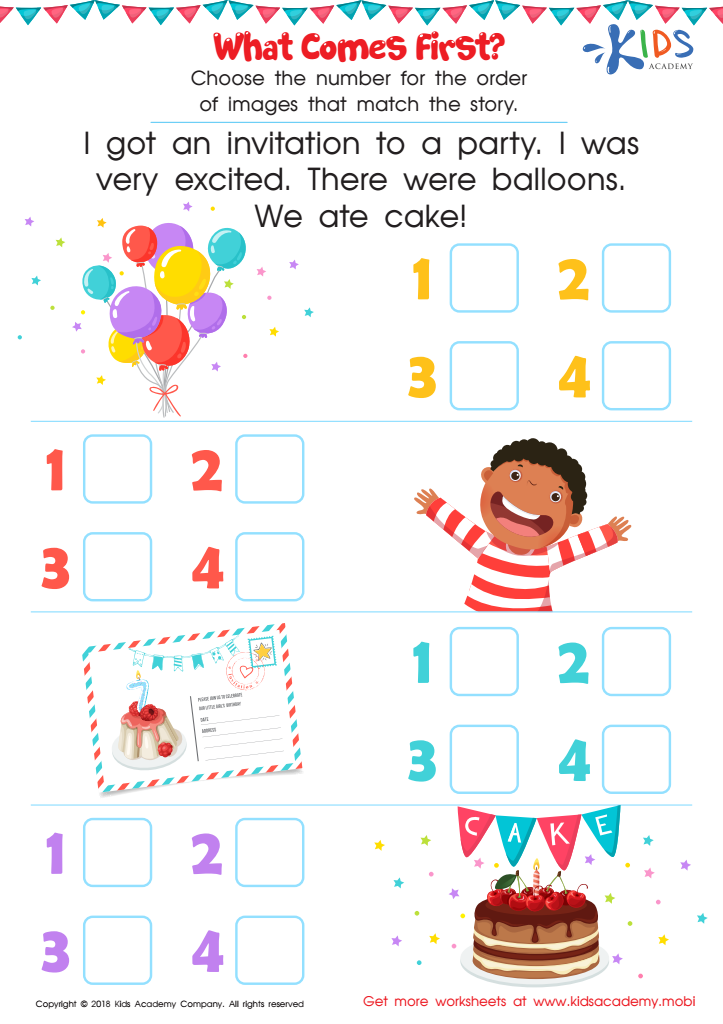
What Comes First Worksheet








Sequencing skills are crucial for children aged 6 to 9 as they form the foundation for comprehension and critical thinking. During these formative years, children learn to understand the order of events in narratives, processes, and everyday routines. Parents and teachers should care about these skills because they impact a child's ability to follow instructions, retell stories, and grasp cause-and-effect relationships.
When children develop strong sequencing skills, they can organize information logically, which is essential in academic settings. For instance, in subjects like mathematics, comprehension of steps in problem-solving tasks is vital; similarly, in science, understanding sequences of processes like the water cycle enhances learning.
Using stories and interactive activities, parents and teachers can provide opportunities for children to practice sequencing. This not only improves their reading comprehension but also enhances writing skills, as a logically sequenced story fosters better narrative structure.
Additionally, strong sequencing abilities can boost children’s confidence in their communication skills, positively affecting social interactions. As children approach critical learning milestones, reinforcing sequencing skills equips them with tools for lifelong learning, making it imperative for caregivers to prioritize this essential competency.








