Vocabulary enhancement Normal Reading Non-Fiction Worksheets for Ages 6-9
14 filtered results
-
From - To
Enhance your child's vocabulary and reading comprehension with our interactive non-fiction worksheets, specially designed for ages 6-9. These engaging resources provide relatable content that fosters a love for reading while building essential vocabulary skills. Each worksheet features well-structured activities and reading passages that introduce new words in a meaningful context. Encourage your young learner to explore various topics and expand their language proficiency, making reading both fun and educational. Perfect for supplementing school curriculum or at-home learning, these worksheets empower children to achieve reading fluency and master new vocabulary confidently. Discover more and support your child's literacy journey today!
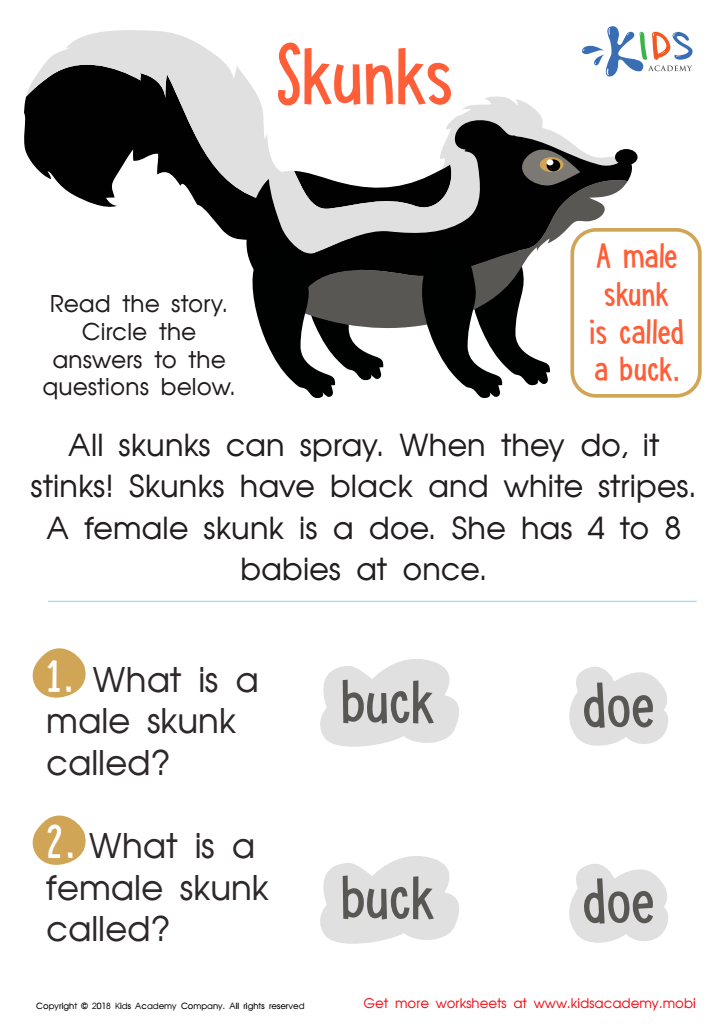
Skunks Worksheet
 Assign to My Students
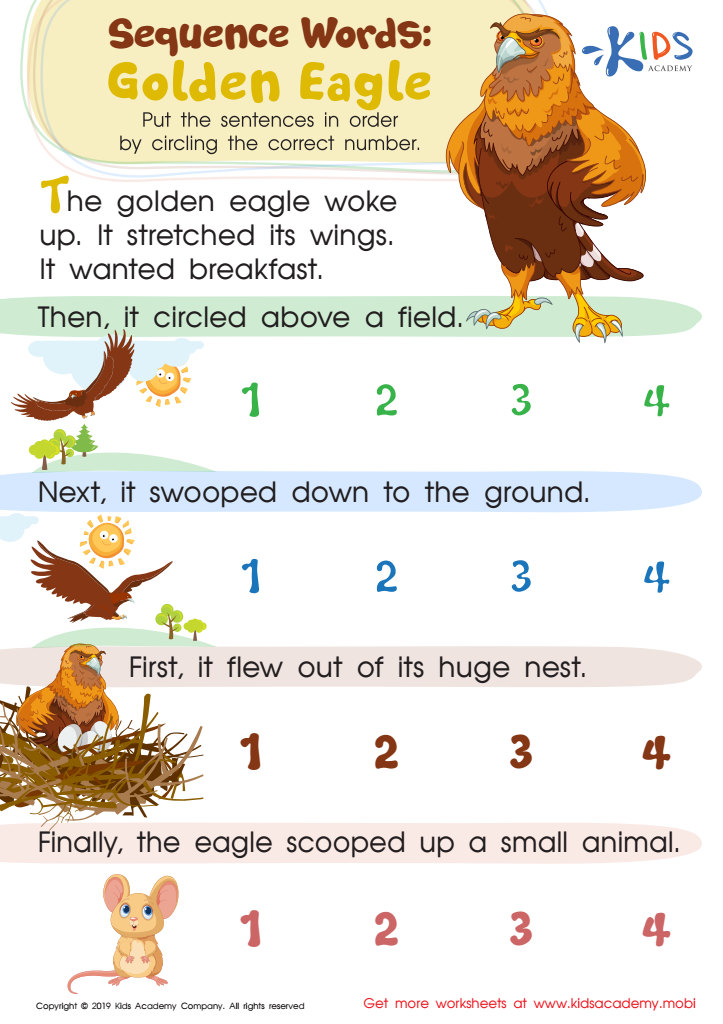
Sequence Word Eagle Worksheet
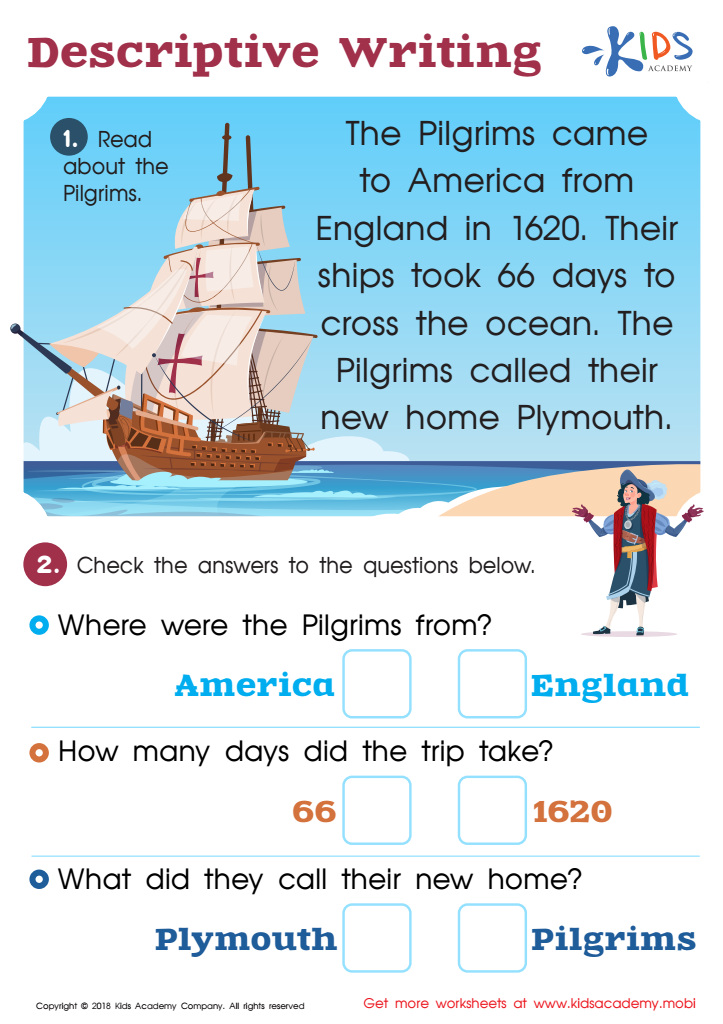
Descriptive Writing Worksheet: Part 1
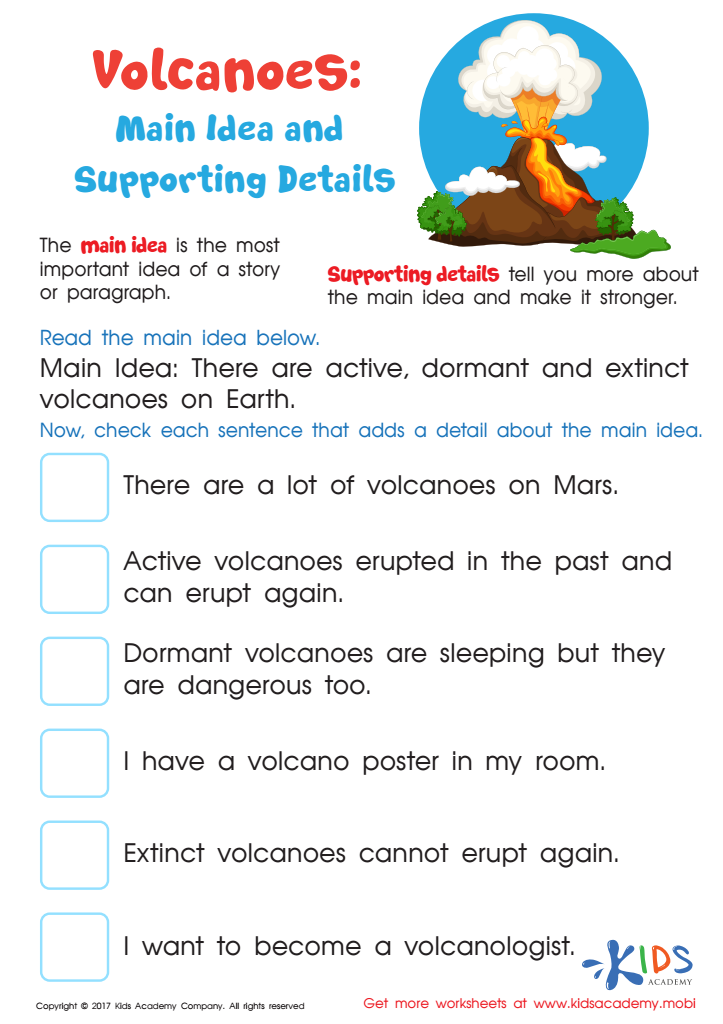
Volcano Facts Worksheet
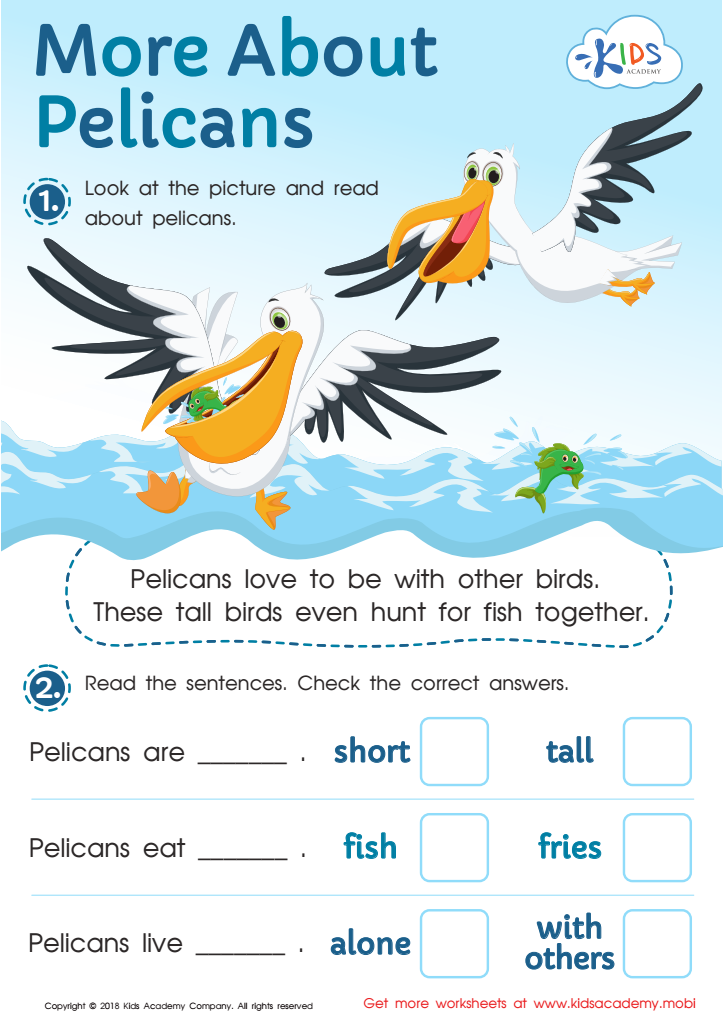
More About Pelicans Worksheet
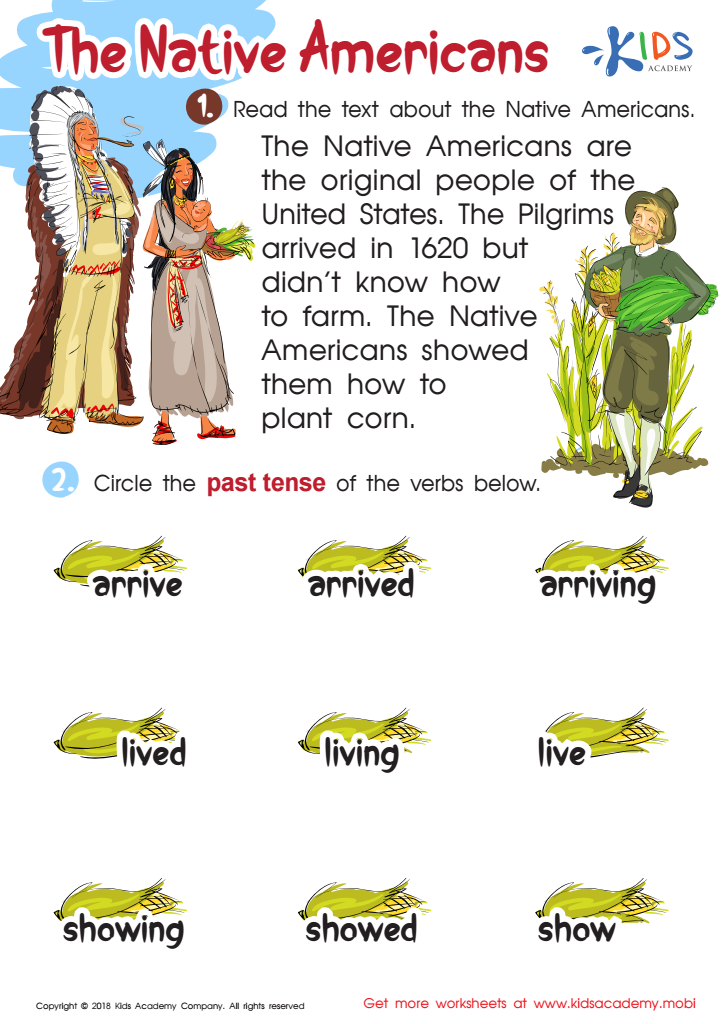
The Native Americans Worksheet
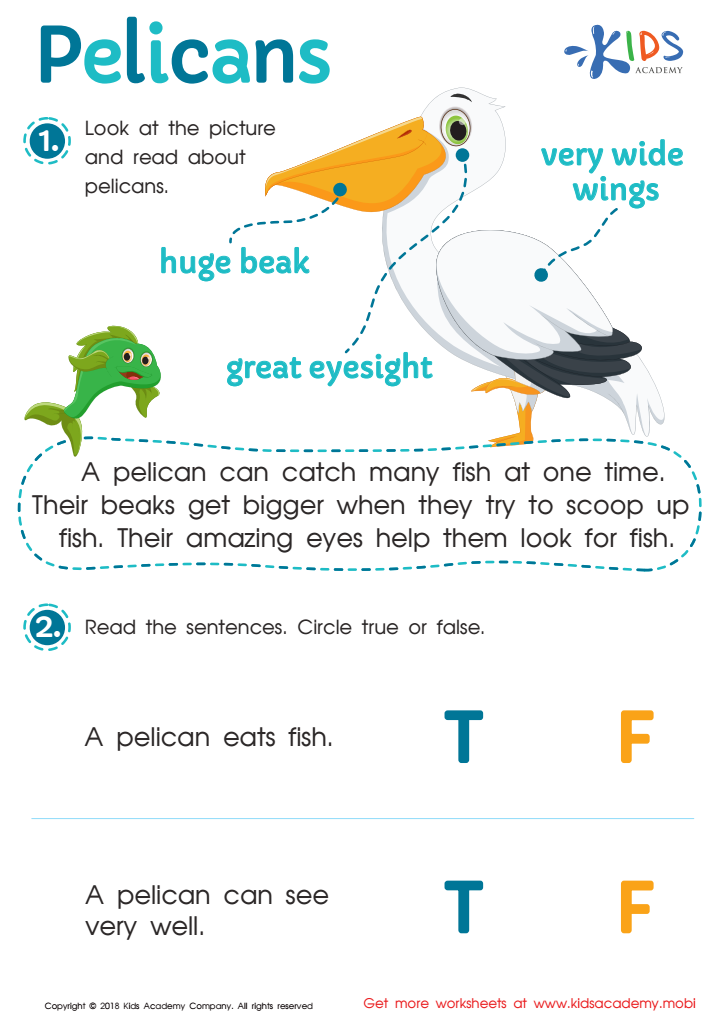
Pelicans Worksheet
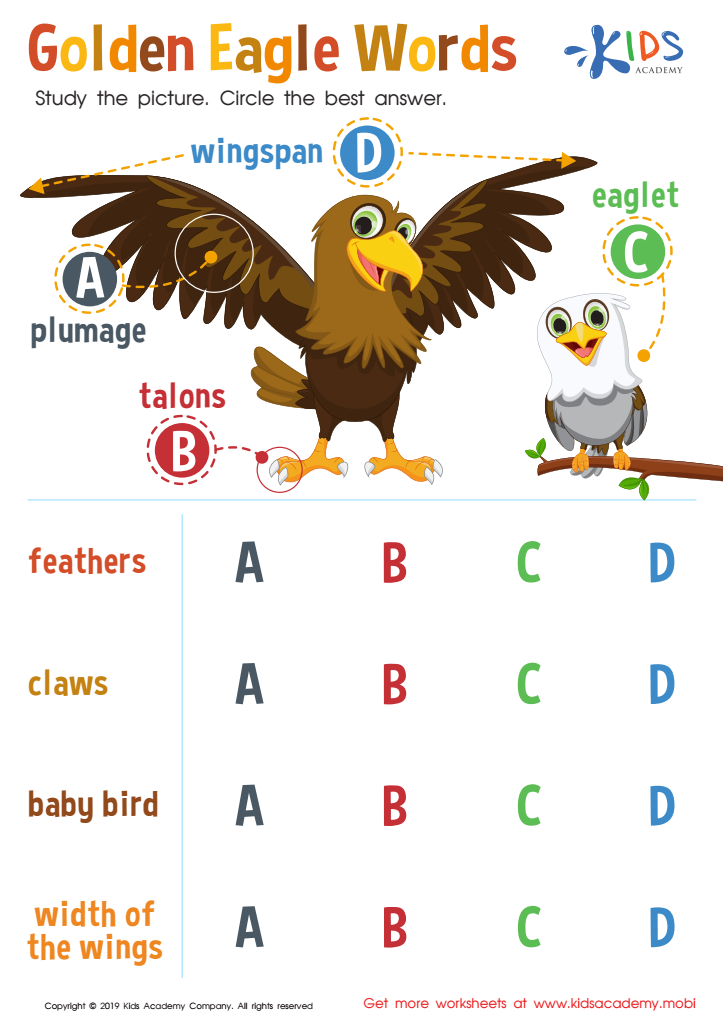
Golden Eagle Words Worksheet
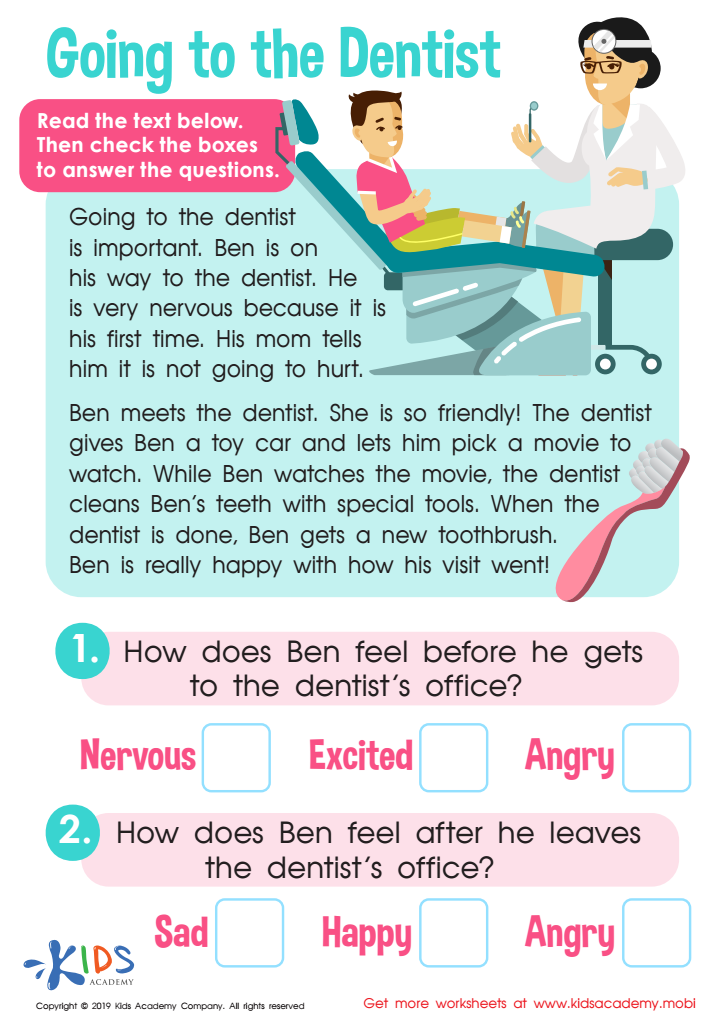
Going to the Dentist Worksheet
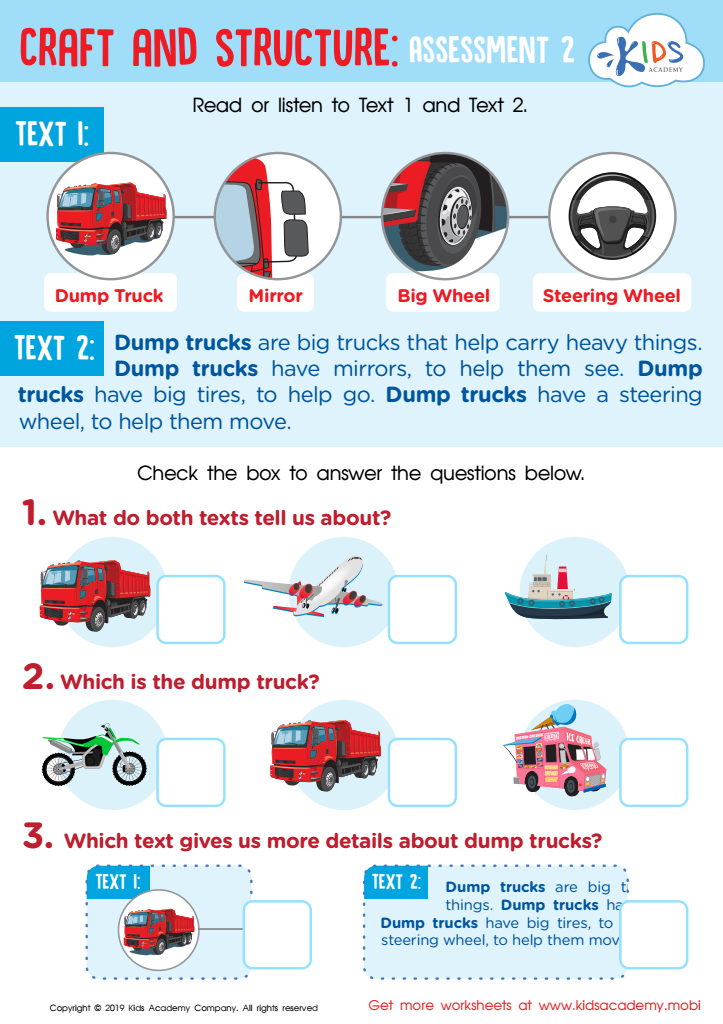
Craft and Structure: Assessment 2 Worksheet
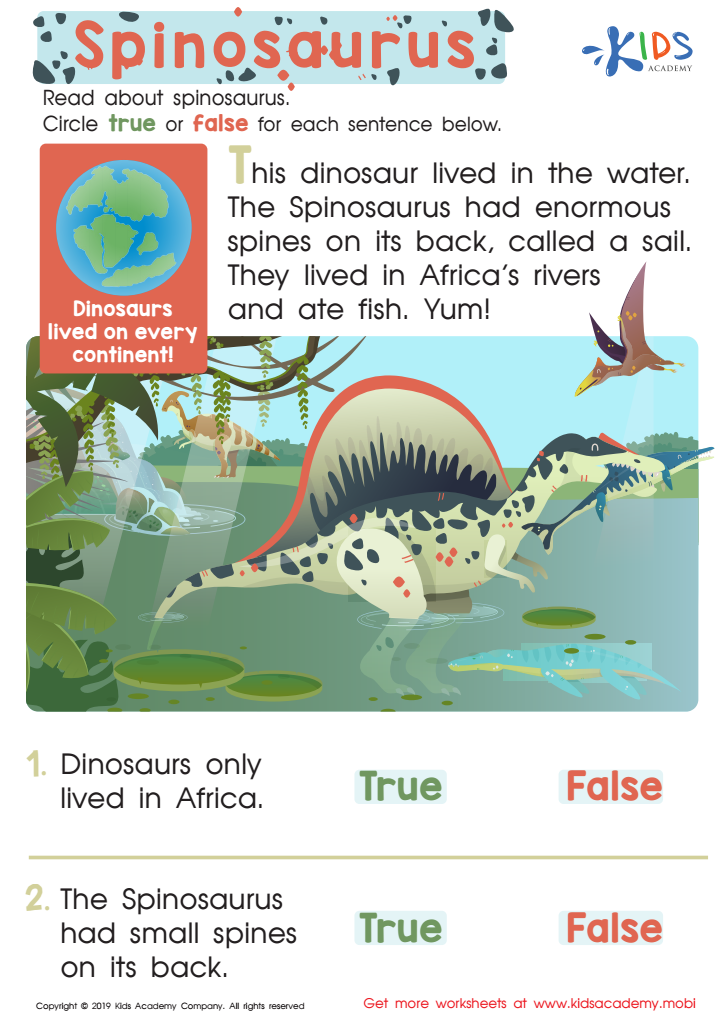
Spinosaurus Assessment Worksheet
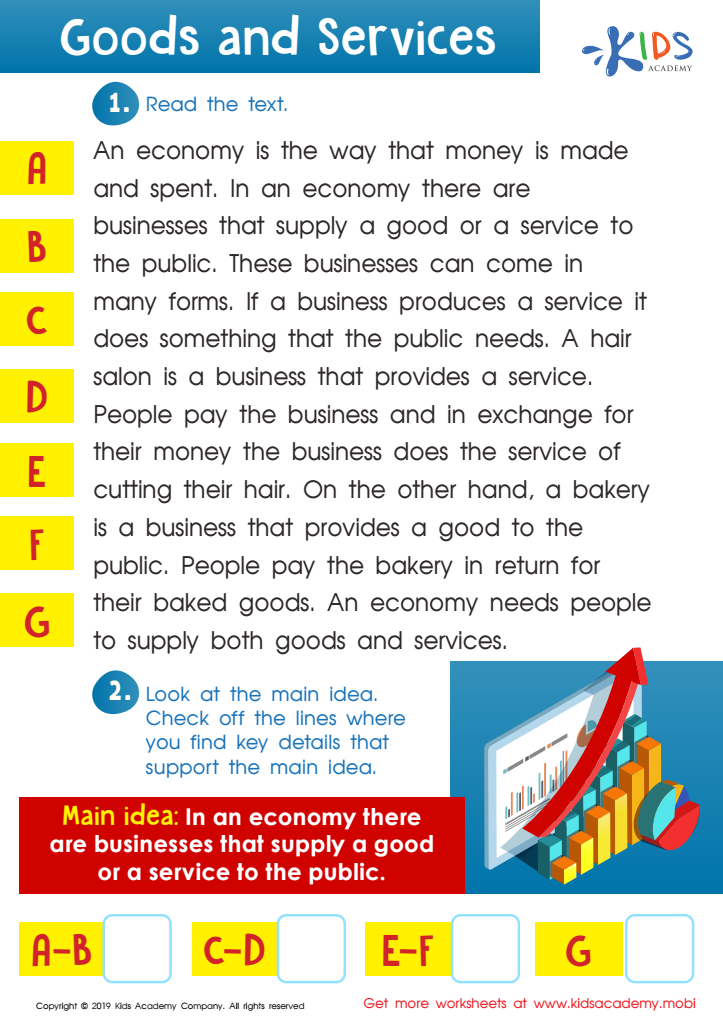
Goods and Services Worksheet
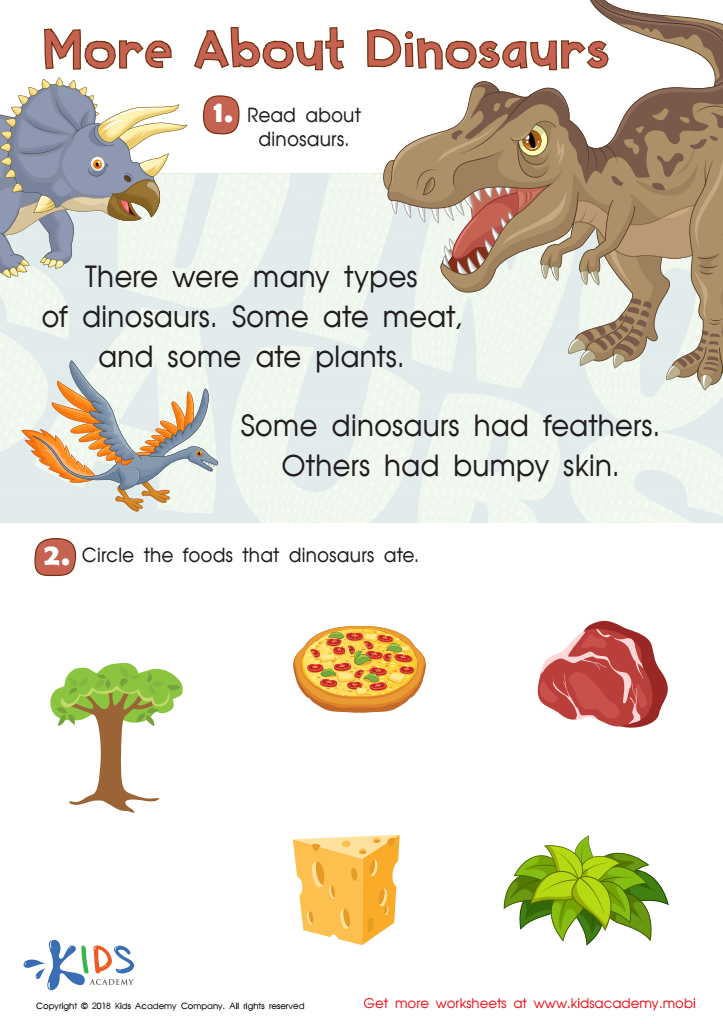
More About Dinosaurs Worksheet
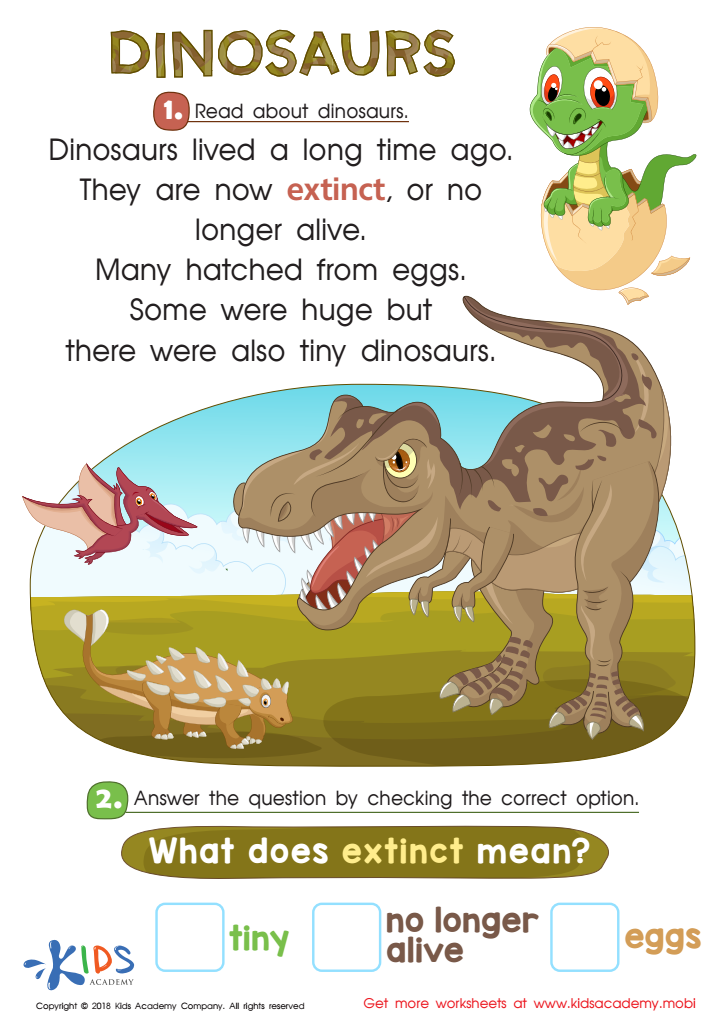
Dinosaurs Worksheet








Vocabulary enhancement through normal reading, particularly of non-fiction, is crucial for children aged 6-9 as it lays the foundation for their academic success and personal development. During these formative years, kids are rapidly expanding their language skills and cognitive abilities. Non-fiction books introduce them to new terms, concepts, and factual information, broadening their understanding of the world.
Enhancing vocabulary helps children with reading comprehension, ensuring they can grasp and retain information more effectively across all subjects. This is particularly important in subjects like science and social studies, which often use specific terminology that is not commonly found in everyday conversations or fictional stories.
Furthermore, a strong vocabulary is linked to improved writing skills. As children learn new words, they can express their thoughts more clearly and creatively in written form. This proficiency can lead to better performance in school assessments and a more positive attitude towards learning.
Parents and teachers have a vital role in facilitating this development by providing access to a variety of non-fiction materials, encouraging reading habits, and engaging children in discussions about what they read. Supporting vocabulary growth at this stage not only boosts academic achievement but also equips children with communication skills they will use throughout their lifetime.