Analyzing data Normal Science Worksheets for Ages 6-9
5 filtered results
-
From - To
Introduce young learners to the excitement of scientific exploration with our "Analyzing Data Normal Science Worksheets for Ages 6-9". These engaging worksheets are designed to develop critical thinking and data interpretation skills, laying a solid foundation for future scientific endeavors. With age-appropriate exercises in observing, measuring, and recording data, kids will cultivate a keen understanding of scientific concepts and enhance their analytical abilities. Perfect for both classroom and home use, our worksheets make learning fun and interactive, sparking curiosity and fostering a love for science in young minds. Prepare your child for a world of discovery with our expertly crafted resources.
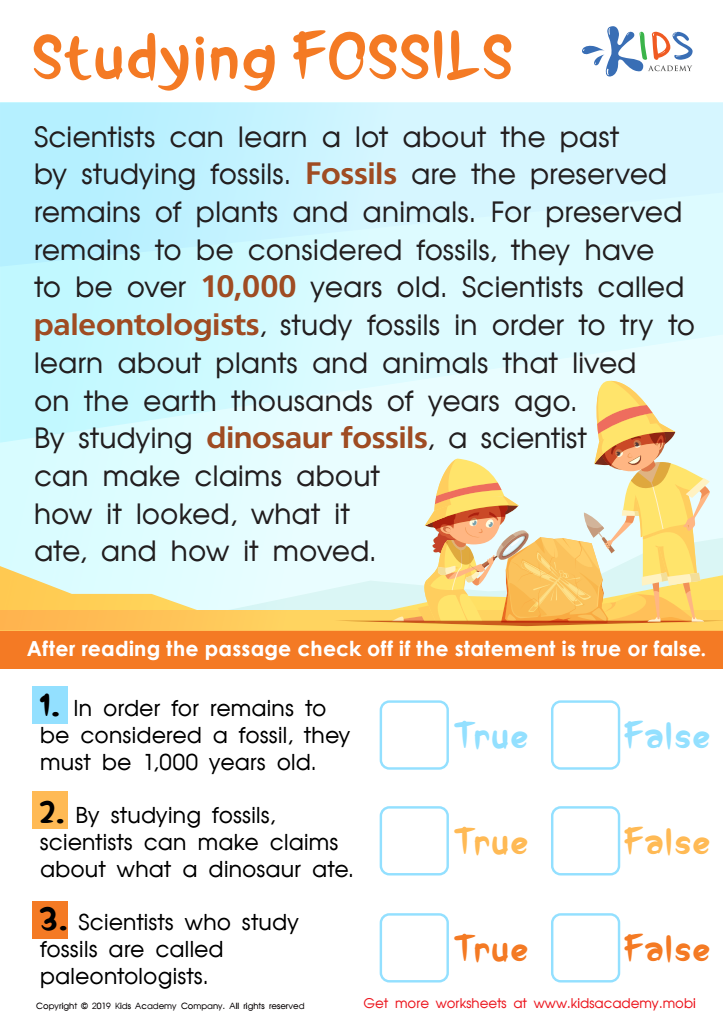
Studying Fossils Worksheet
 Assign to My Students
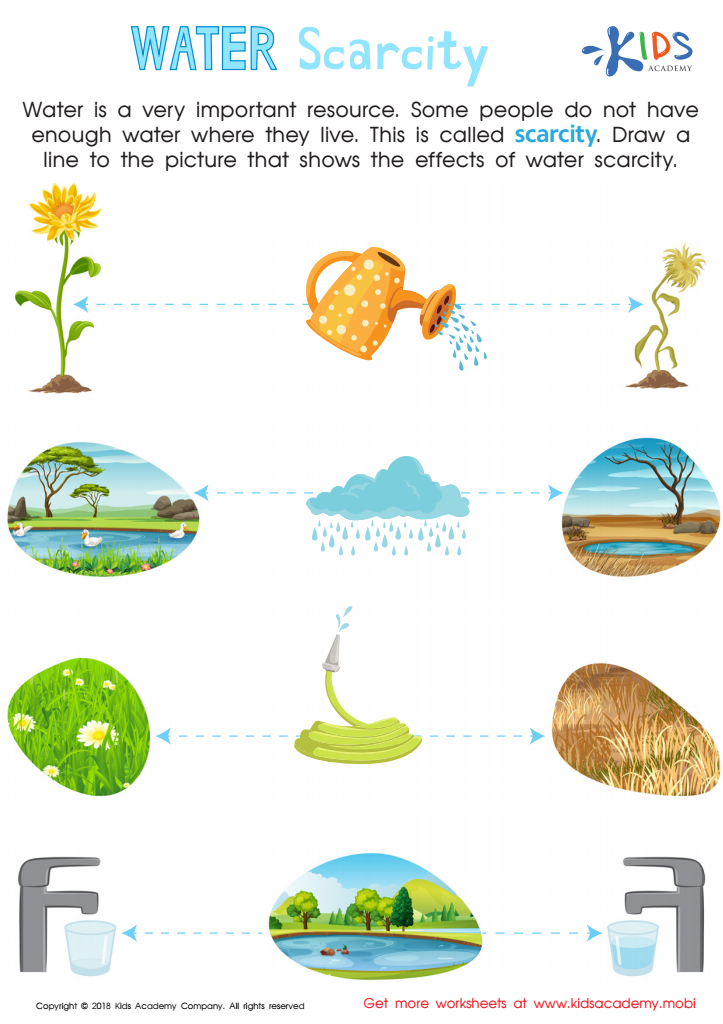
Water Scarcity Worksheet
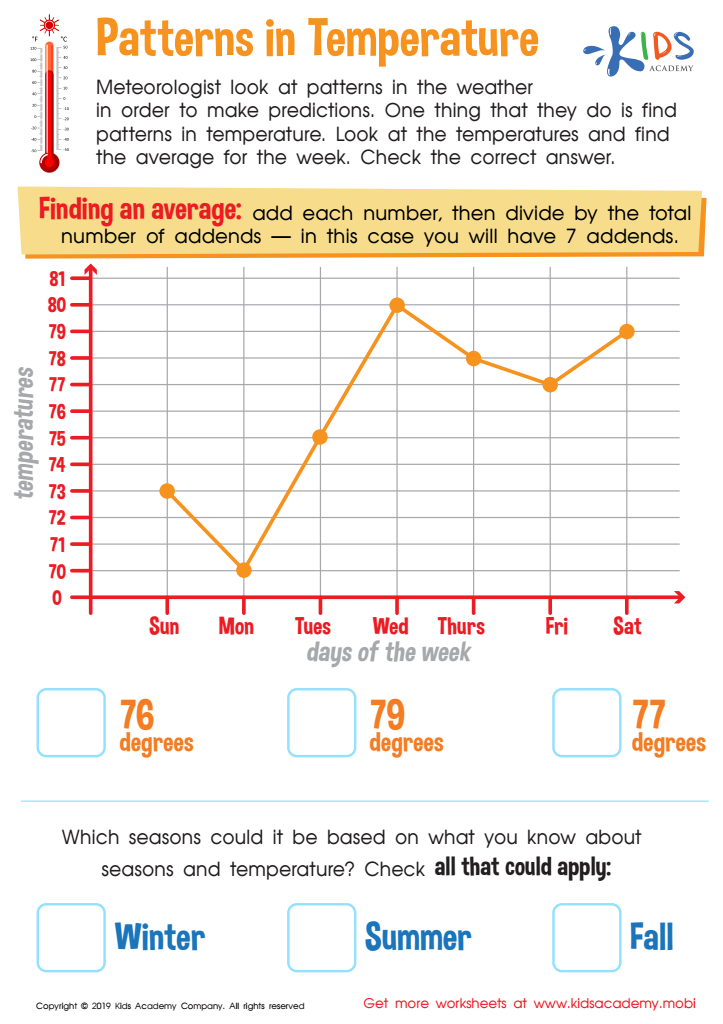
Patterns in Temperature Worksheet
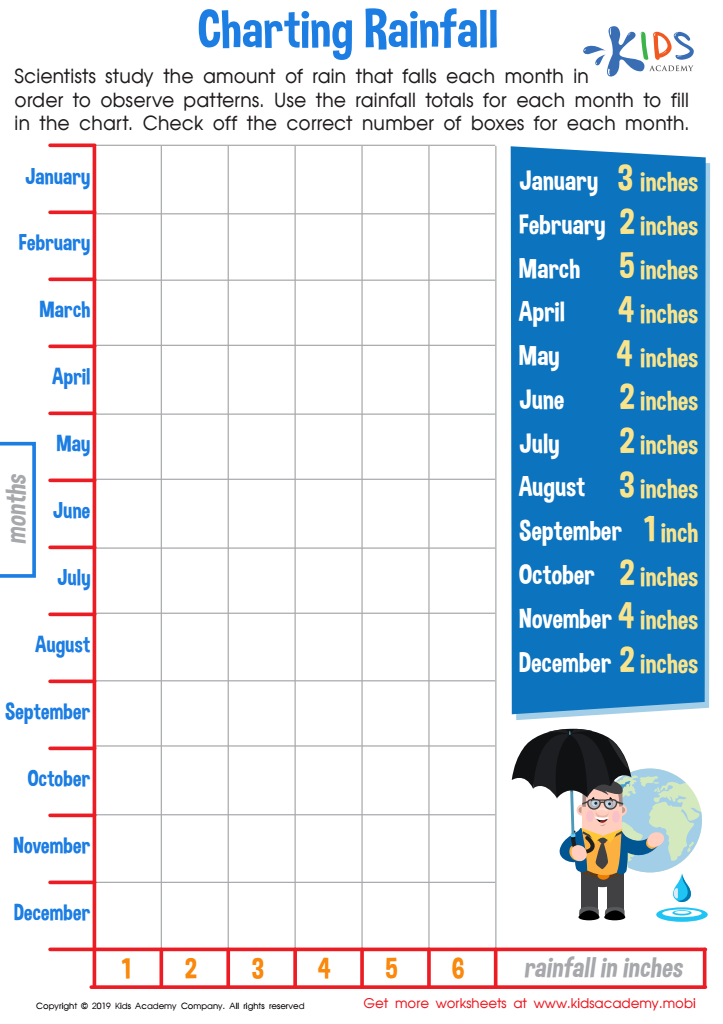
Charting Rainfall Worksheet
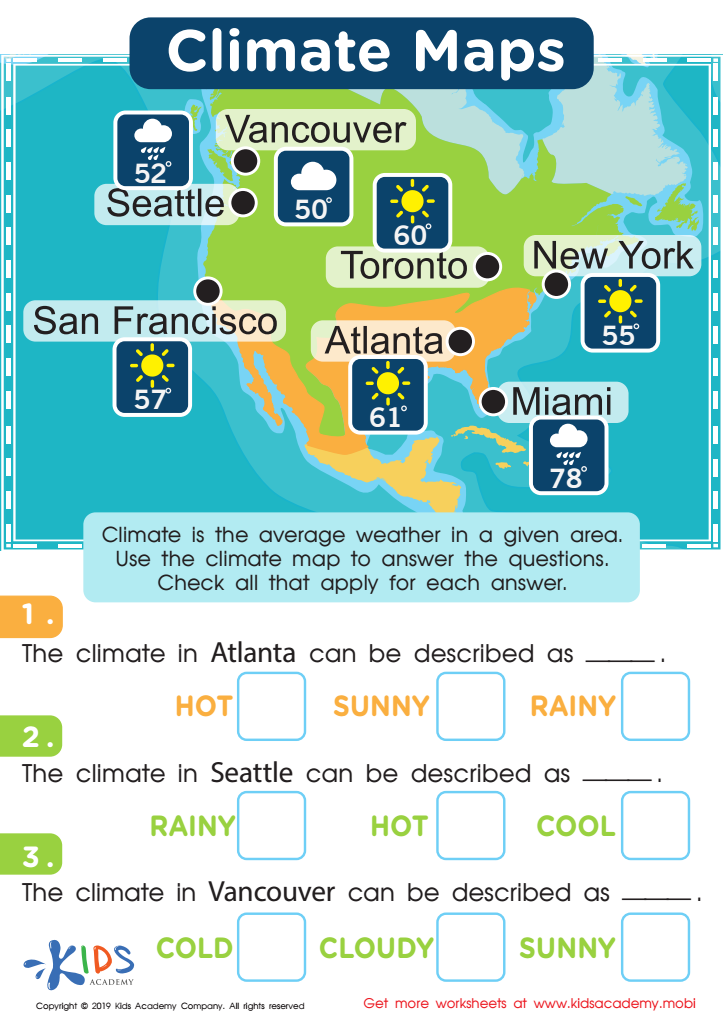
Climate Maps Worksheet


.jpg)



Analyzing data in the realm of Normal Science for children ages 6-9 is crucial for both parents and teachers because it nurtures foundational cognitive and analytical skills that are essential for lifelong learning. During these formative years, children's brains are highly receptive and flexible, making it an ideal period to introduce them to concepts of data analysis, even in simplified forms.
Understanding and interpreting data helps children develop critical thinking, reasoning, and problem-solving abilities. For instance, through simple activities like sorting objects by size, color, or shape, children begin to grasp fundamental principles of classification and categorization, which are core components of data analysis. These early experiences form a scaffold for more complex scientific and mathematical concepts later on.
Furthermore, familiarity with data enhances a child's ability to make informed decisions. When children learn to collect, organize, and interpret data, they gain a better understanding of the world around them. This awareness encourages curiosity and a scientific mindset, enabling children to ask questions, seek evidence, and derive conclusions based on data rather than mere speculation.
Parents and teachers play a pivotal role in cultivating these skills by providing age-appropriate and engaging activities that promote hands-on learning. This active involvement not only boosts academic achievement but also fosters a sense of accomplishment and confidence in young learners, setting a strong foundation for future academic and personal success.







