Enhancing research skills Normal Science Worksheets for Ages 6-9
3 filtered results
-
From - To
Boost your child's research skills with our engaging Normal Science Worksheets, designed for ages 6-9. These carefully curated worksheets stimulate curiosity and foster critical thinking through fun, hands-on activities. Each worksheet provides step-by-step guidance to help young learners understand scientific concepts, ask relevant questions, and seek out information effectively. Our resources not only align with educational standards but also inspire a love for science and discovery. Perfect for school or home use, these worksheets are a fantastic tool for nurturing a foundational skill that will support your child's academic growth and lifelong learning. Try them today!
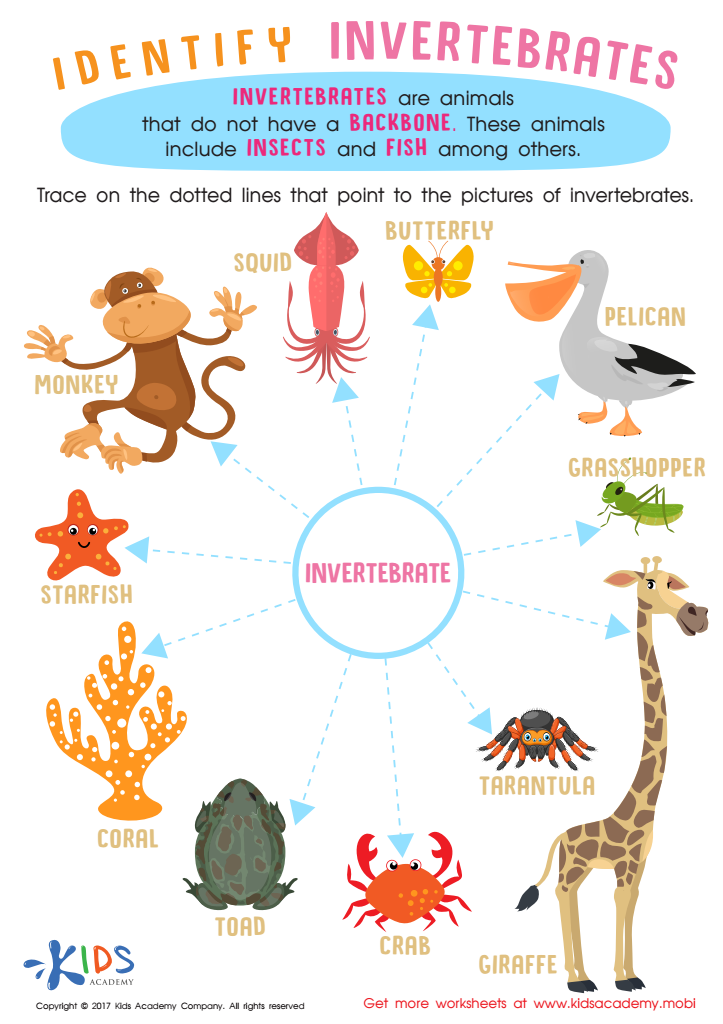
Invertebrates Worksheet for Grade 3
 Assign to My Students
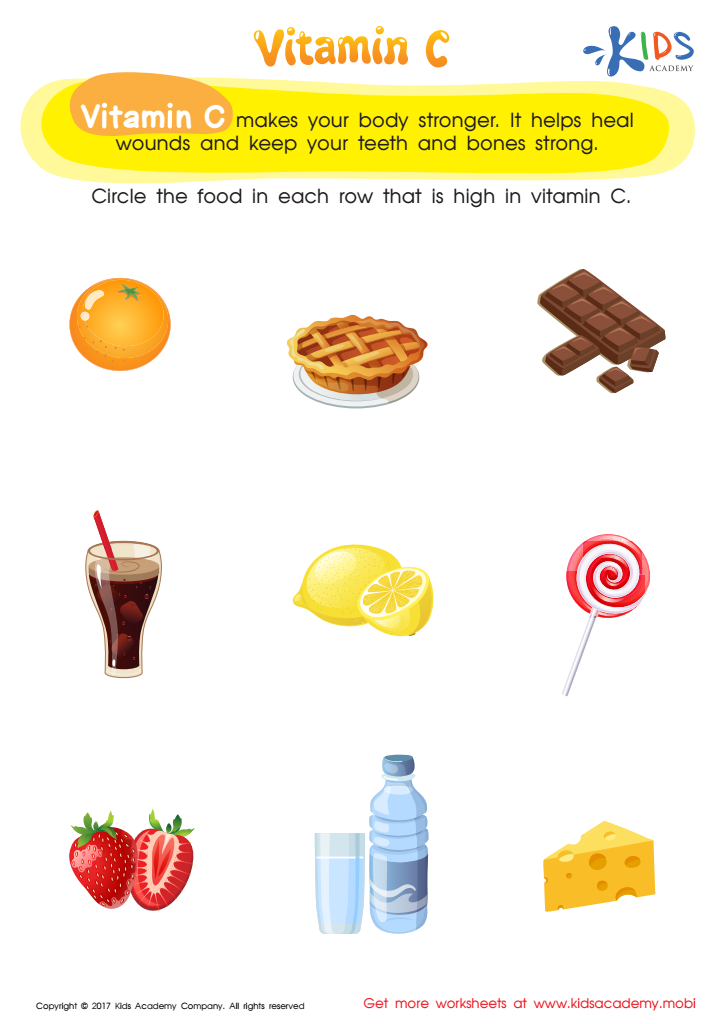
Vitamin C Worksheet
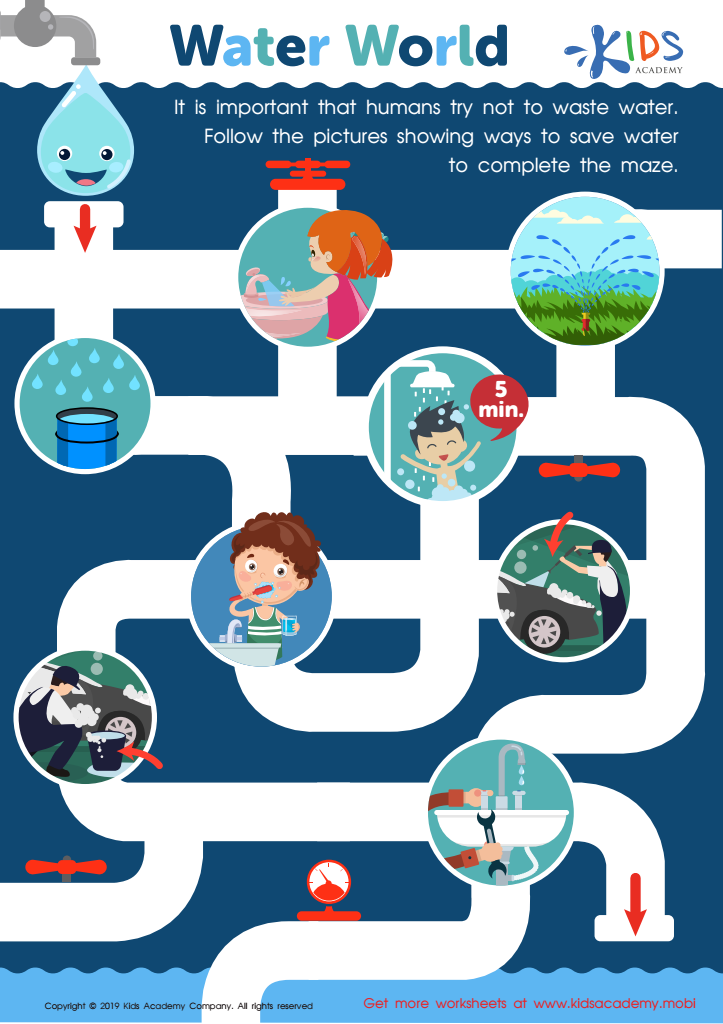
Water World Worksheet








Parents and teachers should prioritize enhancing research skills for children aged 6-9 because these formative years are crucial for cognitive development. Normal Science, or the process of observing, questioning, and understanding everyday phenomena, provides the perfect framework for building these skills. At this age, children are naturally curious, and guiding this curiosity can foster a lifelong love of learning and critical thinking.
By honing research skills early on, children learn to seek information, evaluate sources, and draw informed conclusions—fundamental aspects of scientific literacy. This not only boosts their confidence in their ability to learn independently but also prepares them for more complex problem-solving tasks in the future.
Additionally, engaging young learners in research activities supports the development of essential academic skills, including reading comprehension, writing, and mathematical reasoning. These skills are interrelated and they enhance overall academic performance. It also gives children a sense of empowerment, as they realize they can explore and understand the world around them.
Importantly, fostering these skills encourages perseverance and resilience. Research is a process that often involves trial and error, teaching children that failure is not a setback but a step toward finding the right answer. Overall, enhancing research skills in early childhood education creates a foundation for lifelong intellectual growth and success.







