Identifying Animals Normal Science Worksheets for Ages 6-9
3 filtered results
-
From - To
Explore our engaging "Identifying Animals" normal science worksheets designed for children aged 6-9! These interactive resources help young learners discover various animal species, their habitats, and characteristics. Through fun activities, kids will develop critical observational skills and a deeper understanding of the animal kingdom. Each worksheet is thoughtfully crafted to align with early learning standards, ensuring that educational play takes center stage. Ideal for classroom use or homeschooling, these worksheets encourage curiosity and foster a love for science. Dive into an exciting world of wildlife and inspire your child to recognize and appreciate animals in their environment!
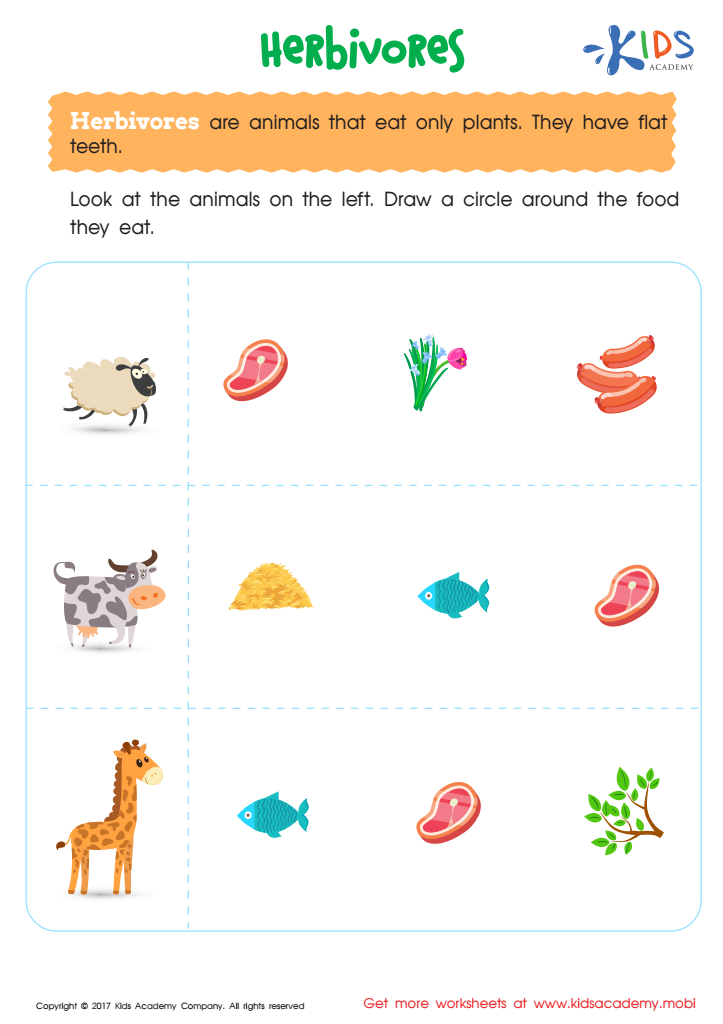
Herbivores Printable
 Assign to My Students
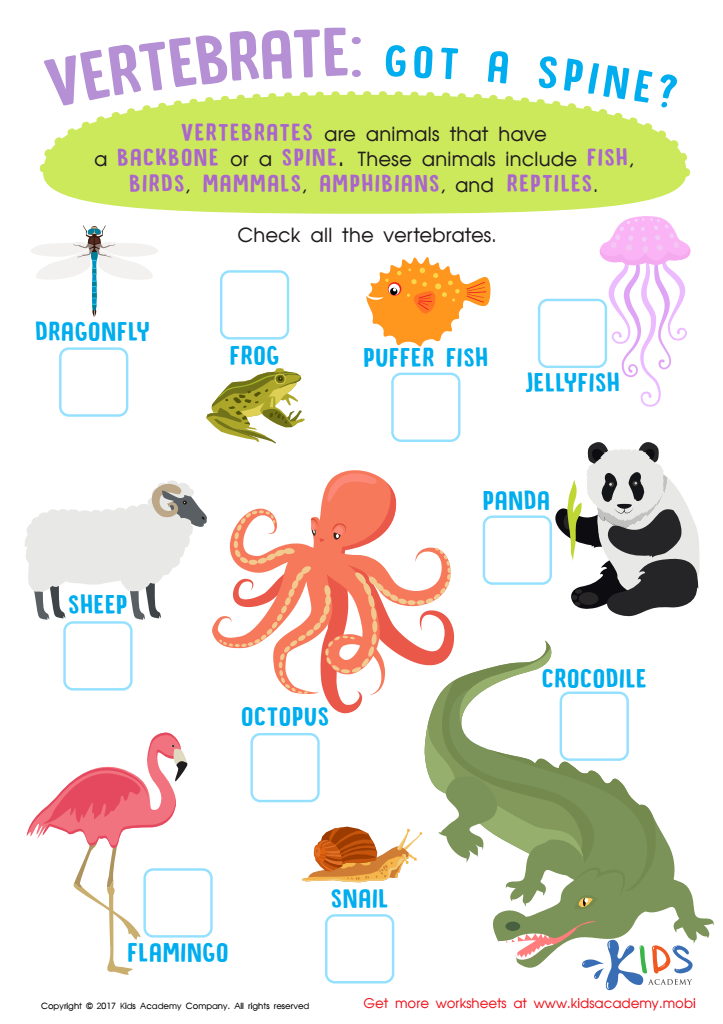
Vertebrates Animals Worksheet for 3rd Grade
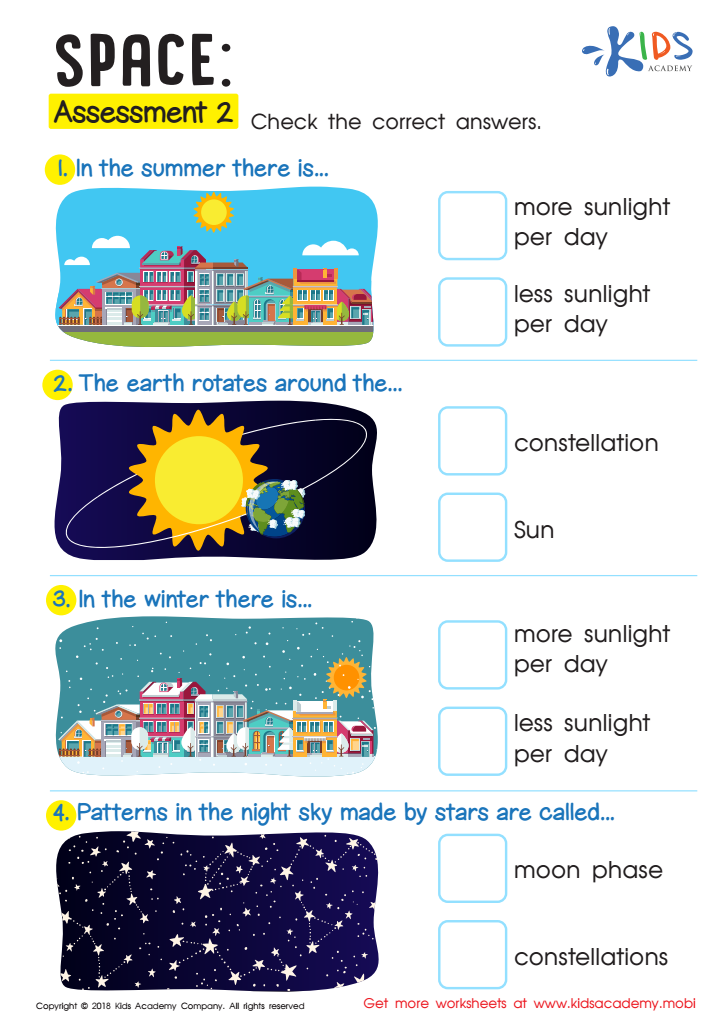
Space: Assessment 2 Worksheet






%20(1).jpg)

Understanding the concept of Identifying Animals in the context of normal science is crucial for children aged 6-9, as it lays the foundation for their scientific literacy and critical thinking skills. At this developmental stage, children are naturally curious about the world around them, making it an ideal time to introduce them to scientific classification and observation. Identifying animals taught through hands-on experiences and engaging activities fosters a love for nature and science.
Parents and teachers should care about this subject because it enhances children's observational skills, helping them learn to categorize and understand biodiversity. This topic also promotes social skills, encouraging collaboration and discussion among peers as they explore different species. Moreover, knowledge about animals drives awareness regarding environmental issues and conservation, instilling a sense of responsibility in young learners.
Additionally, integrating Identifying Animals within the curriculum supports cross-disciplinary learning, linking science with art through projects like drawing animals or crafting habitats. Ultimately, nurturing curiosity and respect for the animal kingdom prepares children for future scientific explorations and cultivated empathy towards living creatures, shaping environmentally conscious citizens for tomorrow. Investing time in this foundational knowledge is crucial for holistic child development.







