Vocabulary development Normal Science Worksheets for Ages 6-9
12 filtered results
-
From - To
Unlock your child’s full potential with our Vocabulary Development Normal Science Worksheets for Ages 6-9! Designed to align with the educational needs of young learners, these worksheets combine fun and learning, enhancing their scientific vocabulary and comprehension. Each worksheet features engaging activities and exercises that introduce new words and concepts, refining reading skills through science. Ideal for both classroom settings and at-home practice, our resources aim to build strong language foundations vital for academic success. From exploring nature to understanding basic scientific principles, let Kids Academy support your child's journey to becoming a confident and curious learner!
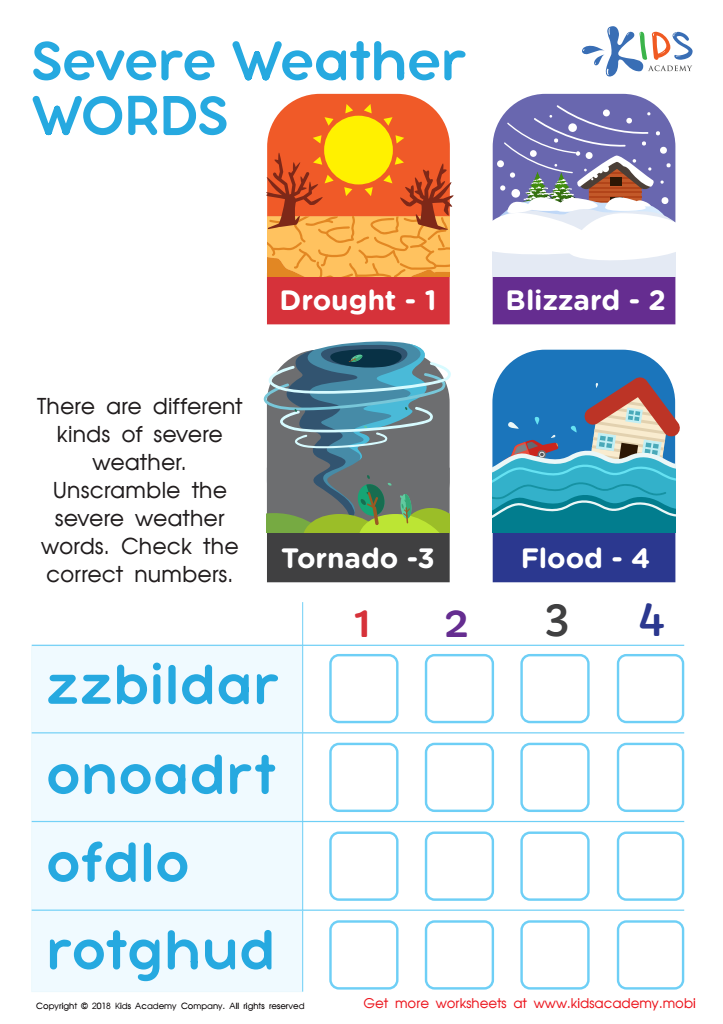
Severe Weather Words Worksheet
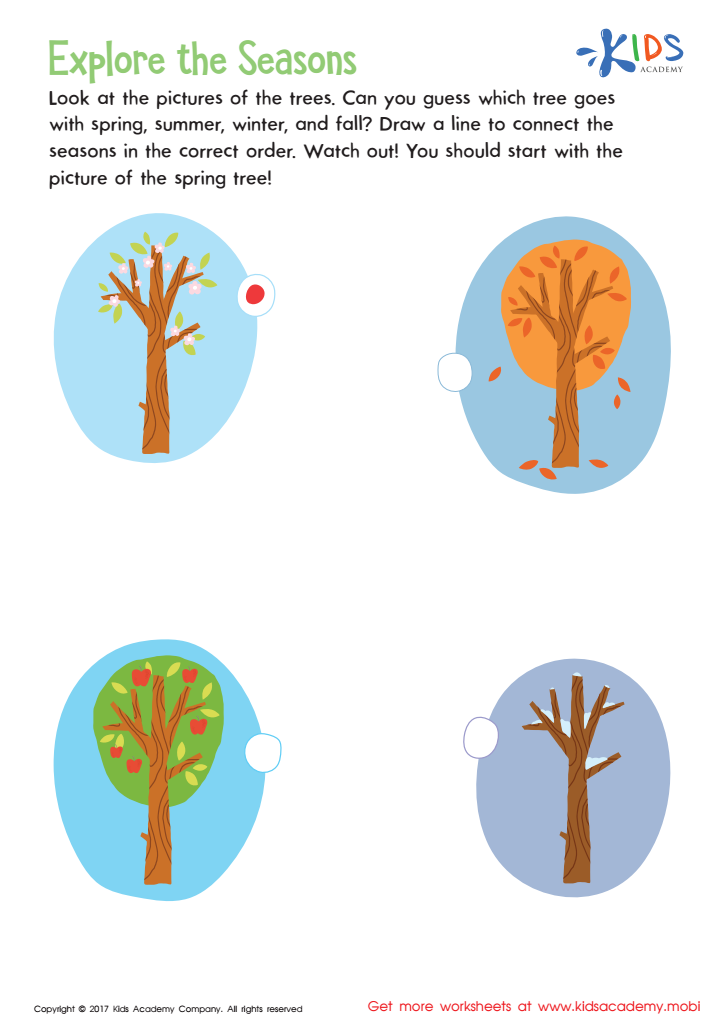
Explore the Seasons Worksheet
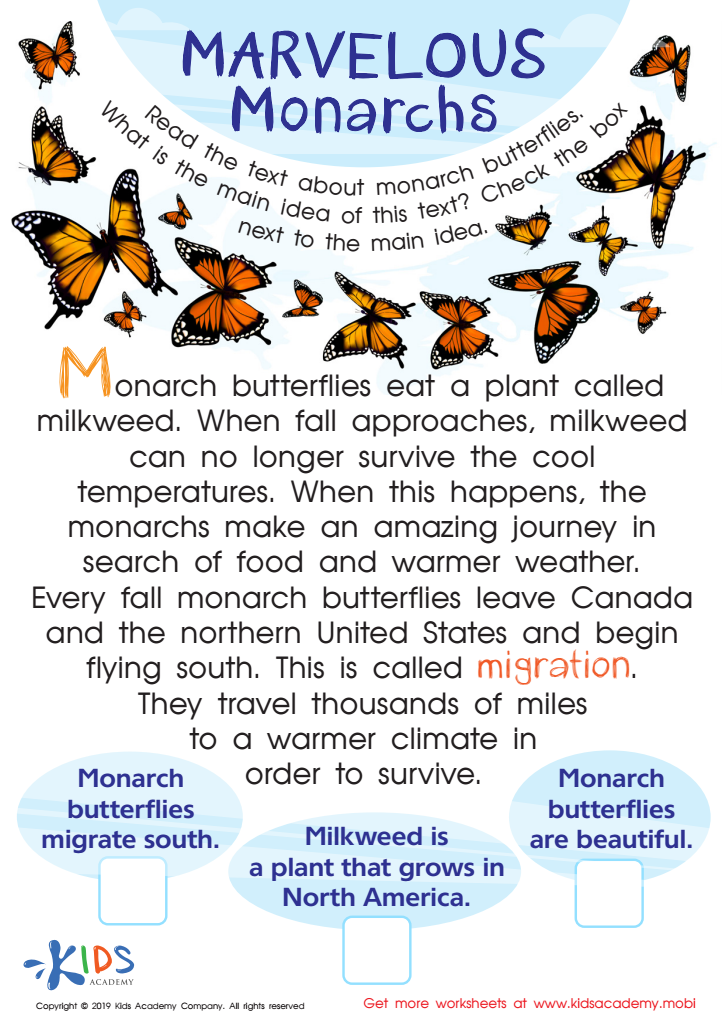
Marvelous Monarchs Worksheet
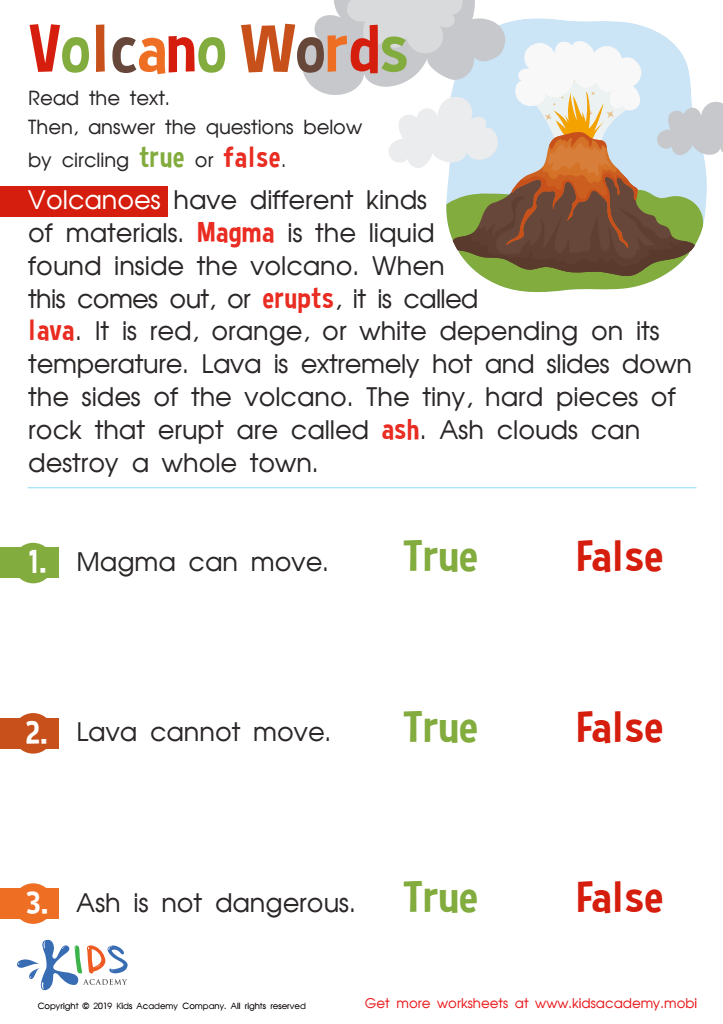
Volcano Words Worksheet
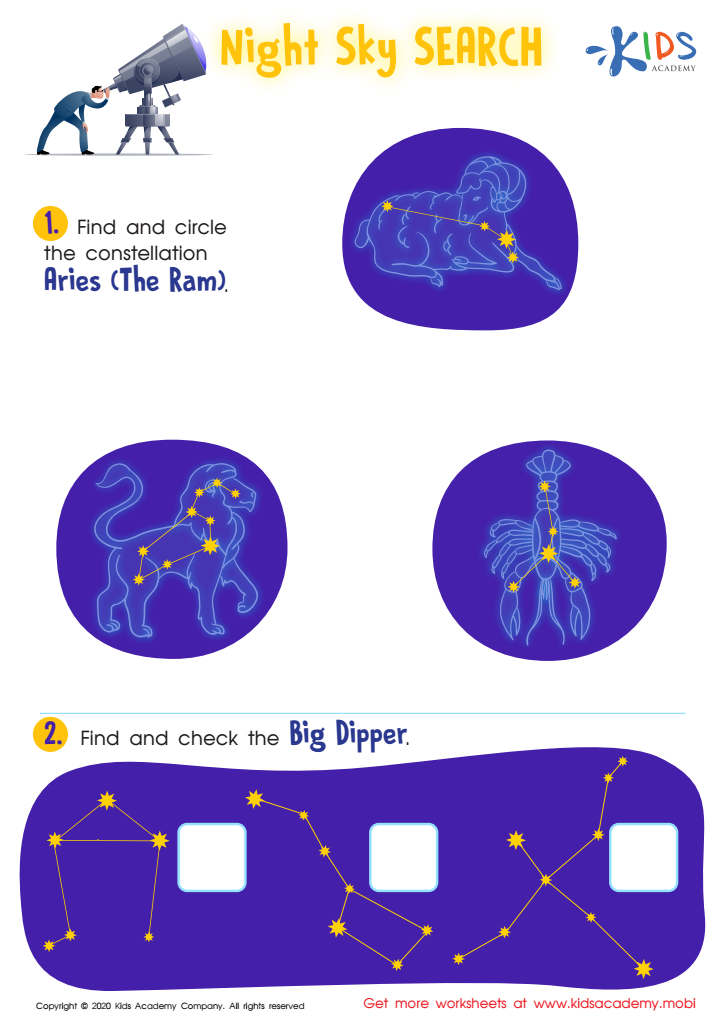
Night Sky Search Worksheet
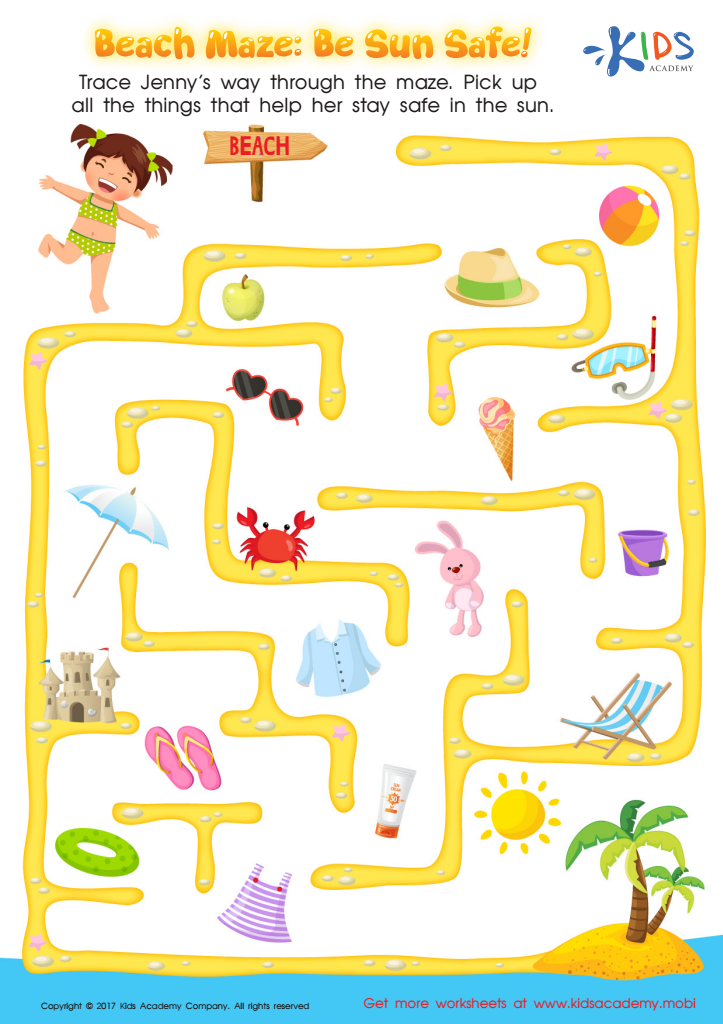
Beach Maze: Sun Safe Worksheet
Musical Band Worksheet
 Assign to My Students
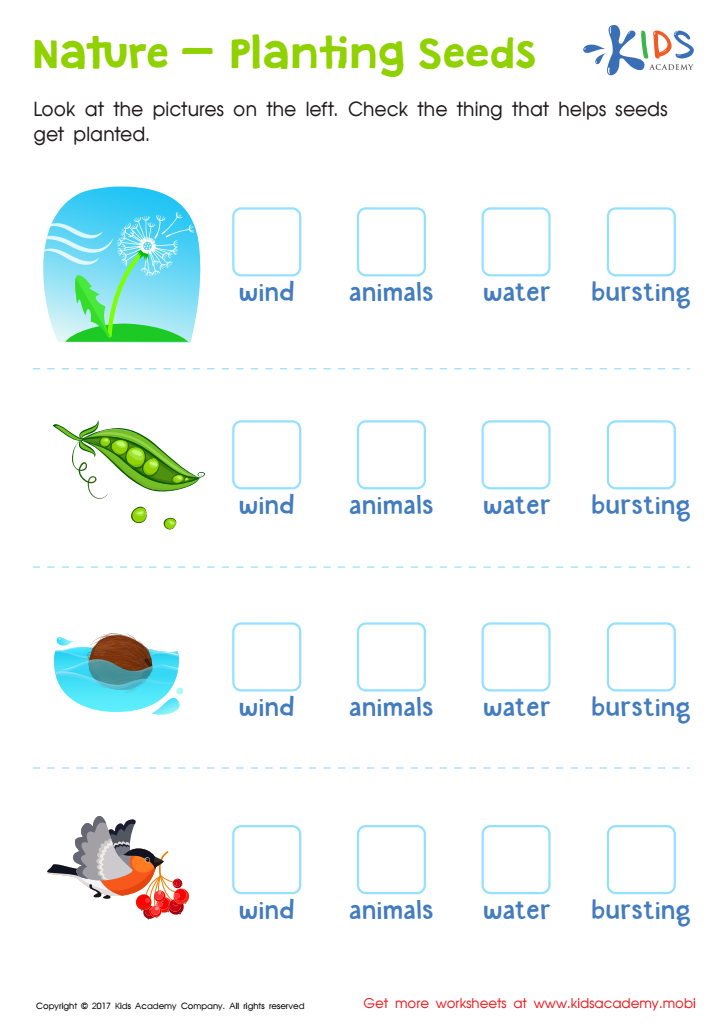
Nature Planting Seeds Worksheet
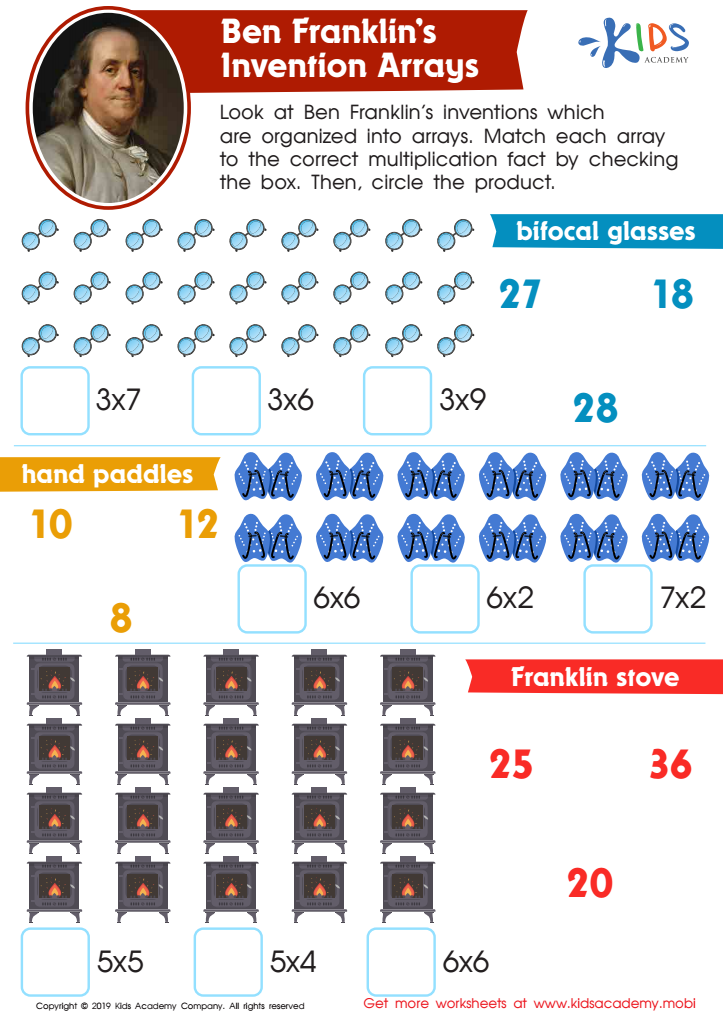
Ben Franklin’s Invention Arrays Worksheet
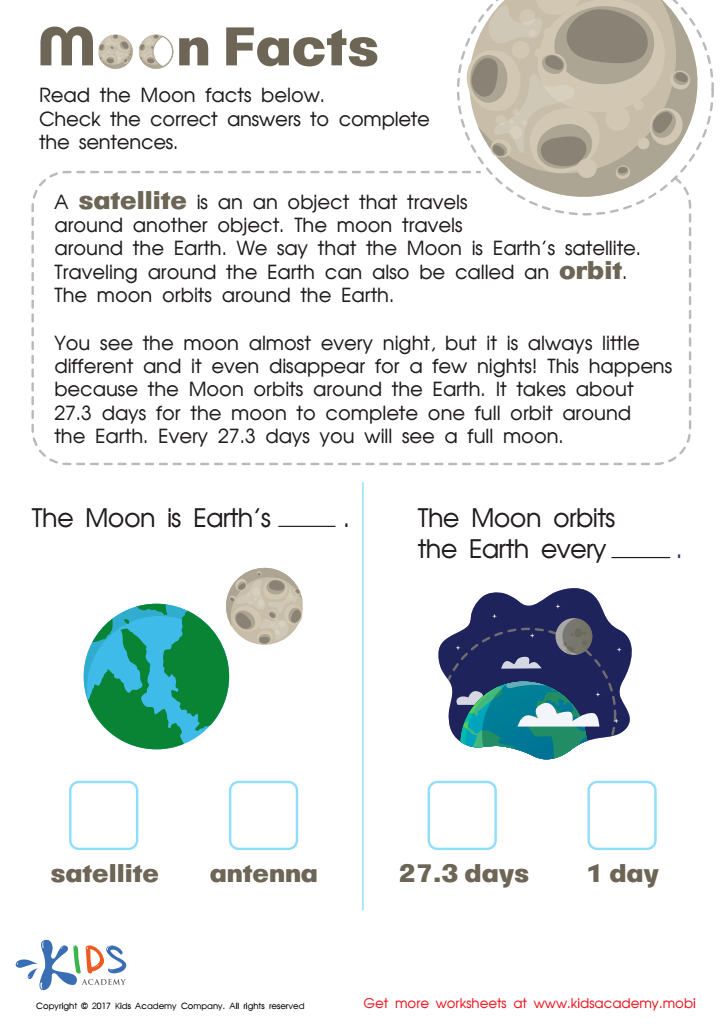
Moon Facts Worksheet
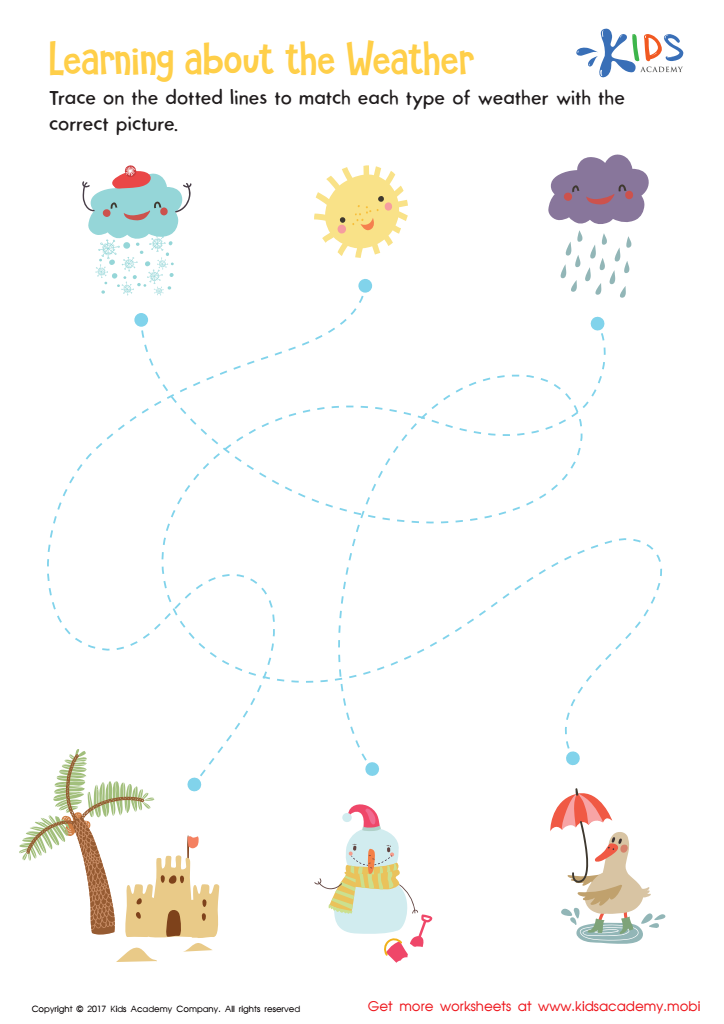
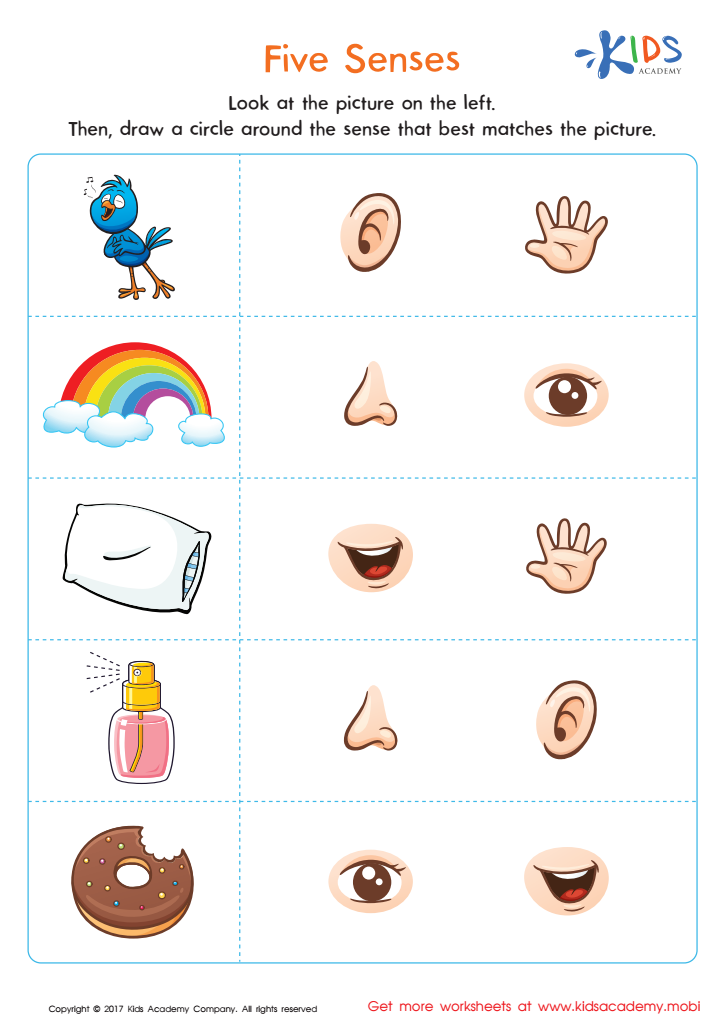
Five Senses Printable






.jpg)
Vocabulary development is a cornerstone of children's academic and social growth, particularly for ages 6-9. During this formative period, their brains are highly receptive to new information. For parents and teachers, focusing on vocabulary acquisition in scientific contexts plays a critical role, as it sets the foundation for lifelong learning and curiosity.
Science vocabulary equips children with the language they need to explore and understand the natural world. By knowing terms like "habitat," "evaporation," or "pulley," children can more easily grasp complex concepts and participate in discussions, enhancing their cognitive abilities. Rich vocabulary also improves reading comprehension, which is vital across all subjects, not just science. As they encounter new words, they learn not just definitions, but the relationships between ideas, fostering critical thinking skills.
Moreover, a robust vocabulary boosts confidence. When children are familiar with the terminology, they are more likely to engage in classroom activities and experiments, thus retaining more information. Engaged students are curious learners, eager to ask questions and seek out answers.
In summary, focusing on vocabulary development in science for children aged 6-9 aids in their overall intellectual development, reinforces interdisciplinary learning, and instills a sense of curiosity and confidence that is essential for future educational success.







