Vocabulary Enrichment Normal Science Worksheets for Ages 6-9
3 filtered results
-
From - To
Enhance your child's vocabulary with our Vocabulary Enrichment Normal Science Worksheets for ages 6-9! These engaging, printable worksheets are designed to ignite curiosity and improve language skills while exploring fascinating scientific concepts. Tailored to meet the developmental needs of young learners, our resources include a variety of activities such as word searches, matching exercises, and fill-in-the-blank questions—all centered around essential science vocabulary. Perfect for home or classroom use, these worksheets encourage independent learning and help students build confidence as they connect words with concepts. Empower your young scientists to expand their lexicon and deepen their understanding of the world around them!
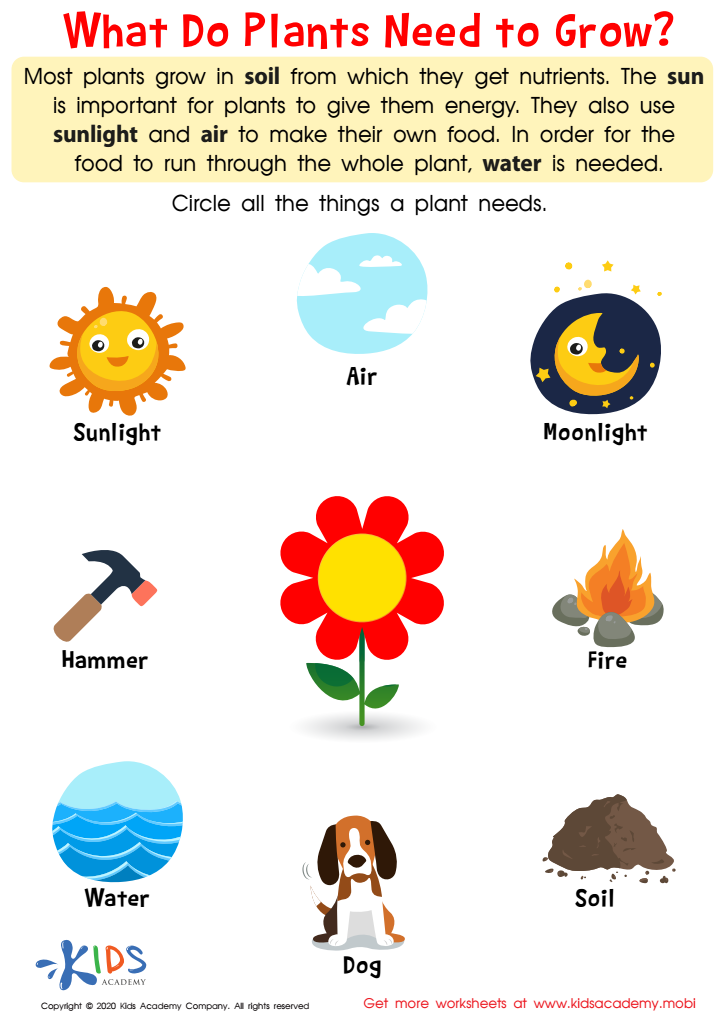
What Do Plants Need to Grow Worksheet
 Assign to My Students
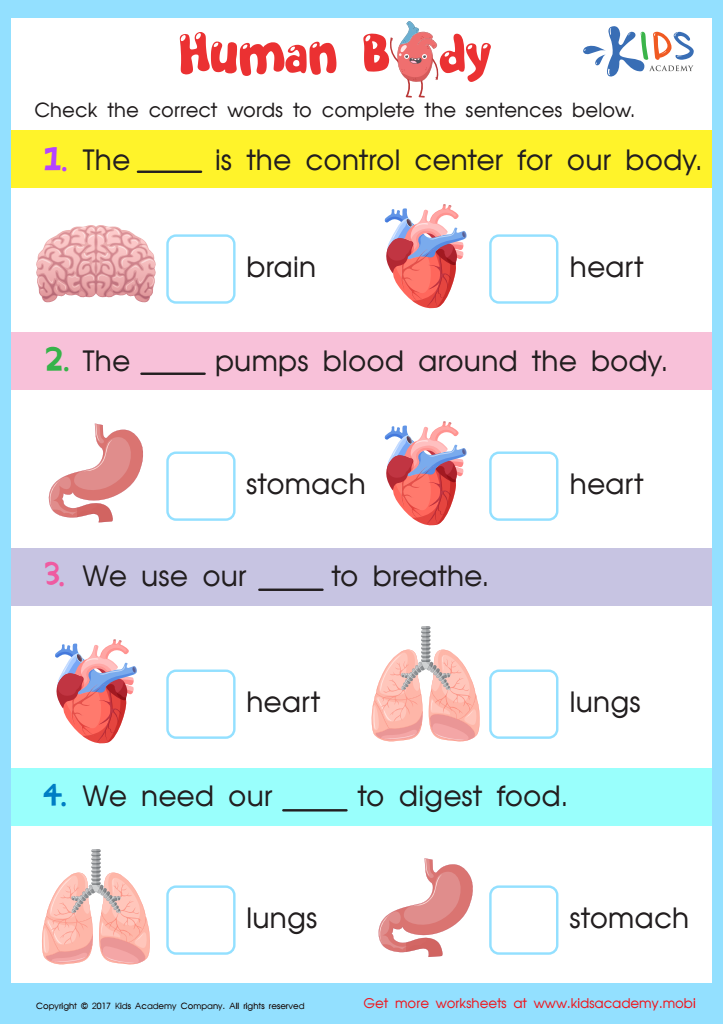
Internal Organs Worksheet
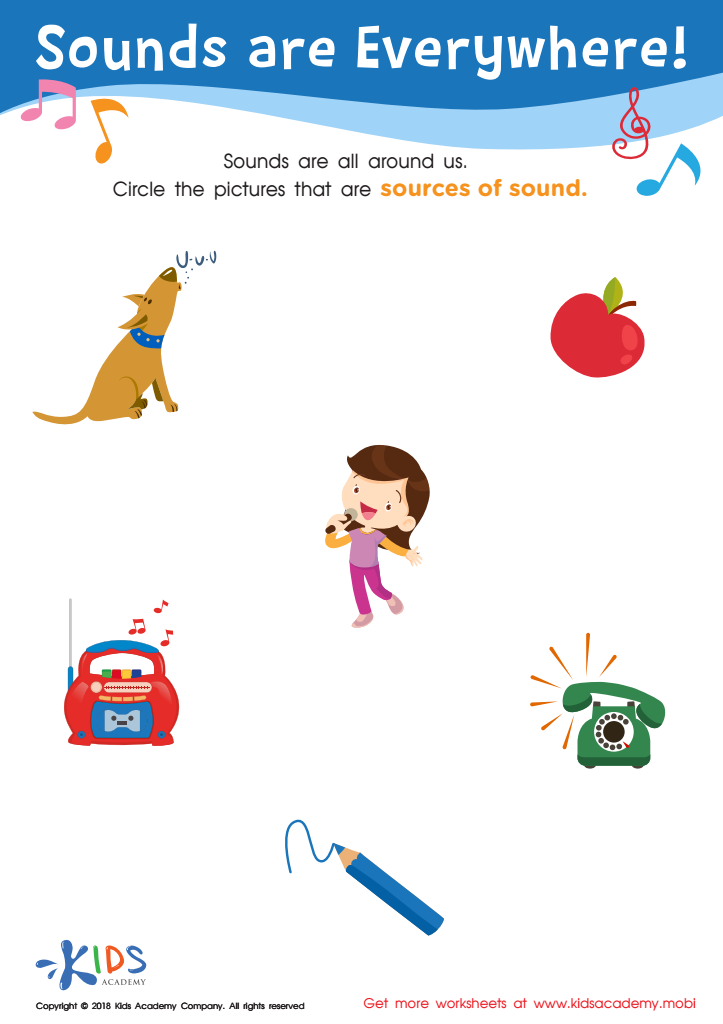
Sounds Are Everywhere! Worksheet







Vocabulary enrichment is essential for children aged 6-9, particularly in the context of normal science. During these formative years, children develop critical language skills and begin to understand complex concepts that shape their understanding of the world. Vocabulary lays the groundwork for literacy, comprehension, and communication, shaping how children express their thoughts and engage with scientific ideas.
By introducing specific vocabulary related to normal science—from basic terms like "gravity" and "energy" to more complex phrases like "scientific method"—parents and teachers enhance students' ability to articulate their findings and inquiries. This enrichment supports higher-order thinking skills, encouraging students to ask questions, seek explanations, and connect their observations with scientific principles.
Moreover, a robust vocabulary fosters a lifelong passion for learning. When children can accurately articulate their thoughts and pose scientific questions, they become more engaged learners. The ability to understand and use scientific vocabulary is not only crucial for academic success but also essential for fostering curiosity about the natural world.
Involvement in vocabulary enrichment helps children to succeed not just in science but across all subjects, as language ability is foundational to overall educational achievement. Thus, parents and teachers should prioritize vocabulary development to shape well-rounded, knowledgeable individuals.







