Analyzing data Normal Our Planet and Environment Worksheets for Ages 6-9
5 filtered results
-
From - To
Discover engaging "Analyzing Data" worksheets designed for children aged 6-9, focusing on our planet and environment. These resources promote critical thinking and data analysis skills through fun activities, encouraging young learners to explore important ecological topics. Each worksheet features age-appropriate questions and graphics that make learning enjoyable and accessible. Kids will enhance their understanding of environmental change, habitats, and conservation, while developing their ability to interpret and analyze data effectively. Perfect for classroom use or at-home learning, these worksheets support early science education and foster a love for our planet. Start inspiring the next generation of environmental stewards today!
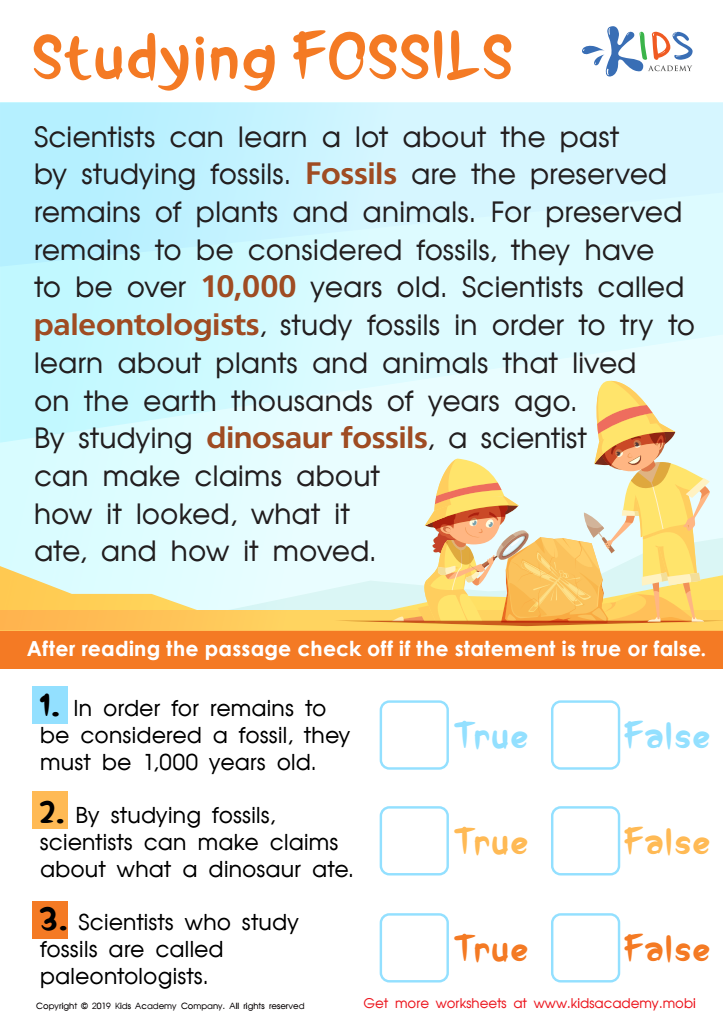
Studying Fossils Worksheet
 Assign to My Students
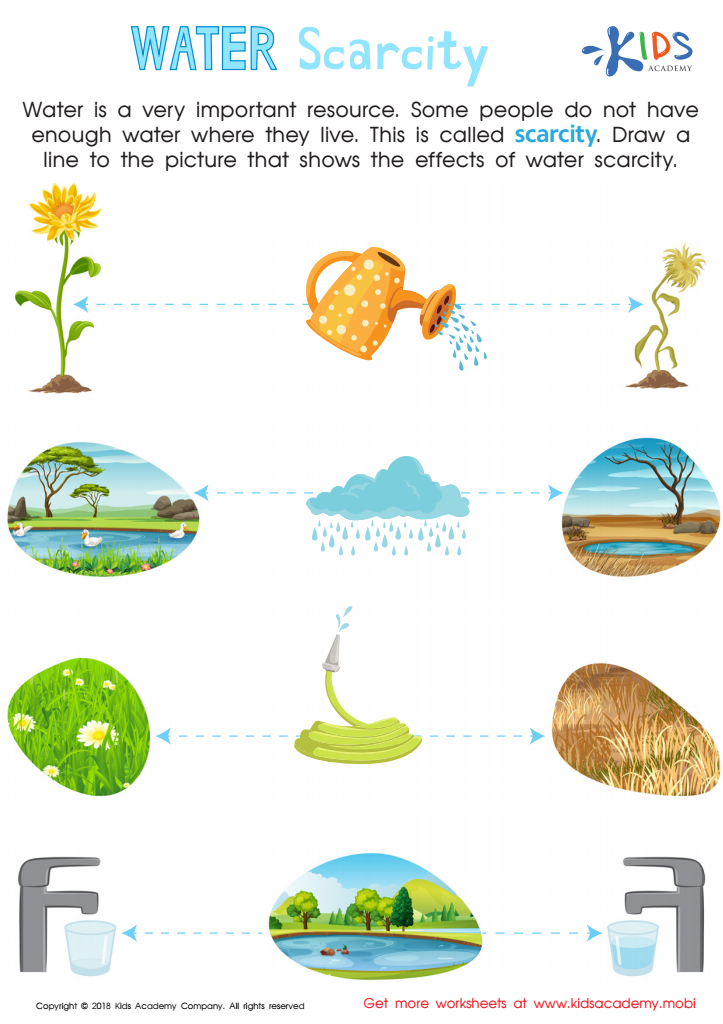
Water Scarcity Worksheet
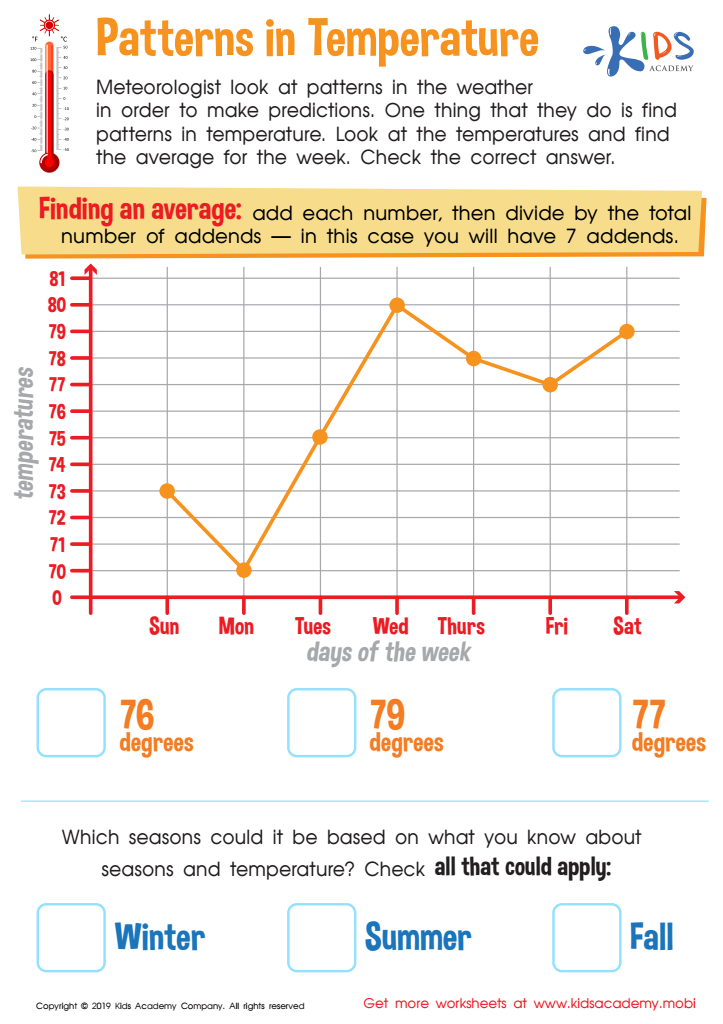
Patterns in Temperature Worksheet
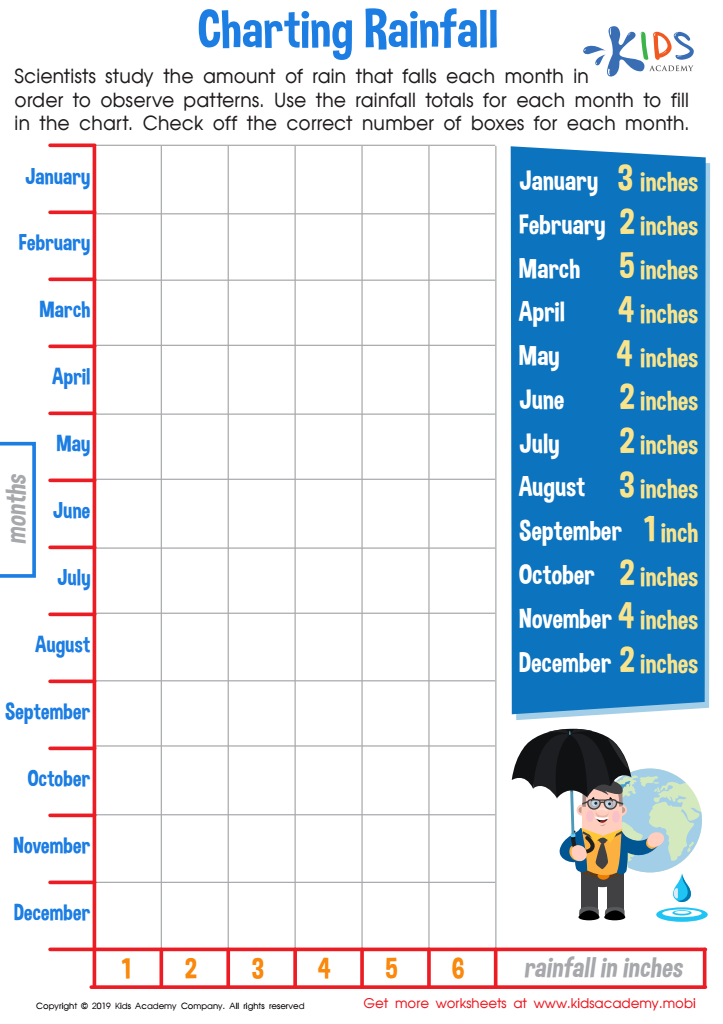
Charting Rainfall Worksheet
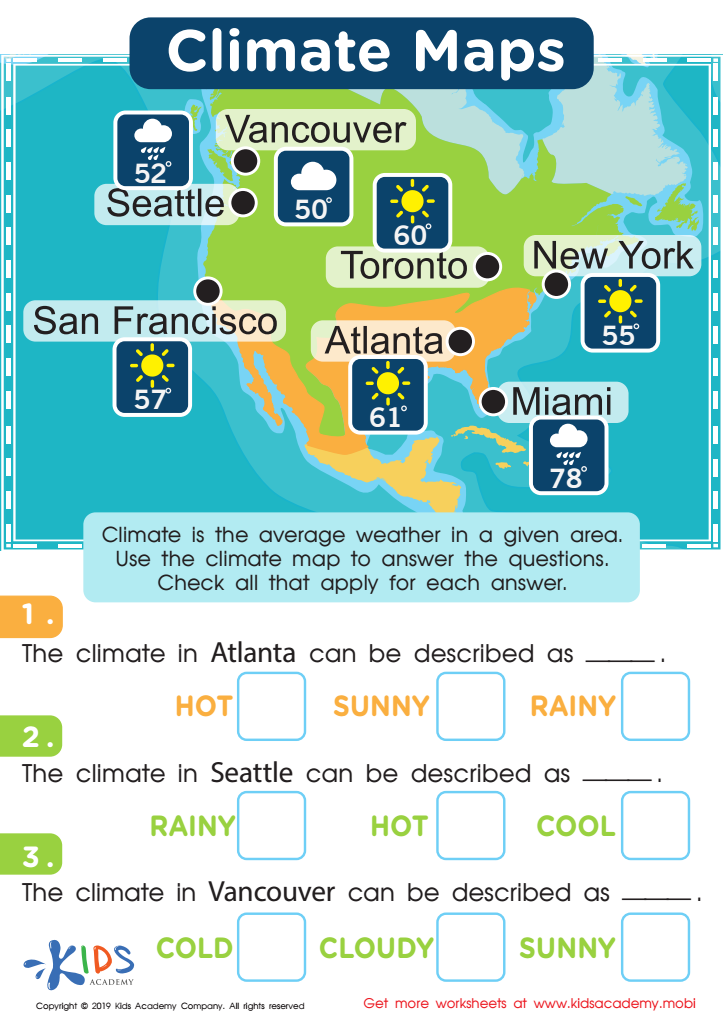
Climate Maps Worksheet







Analyzing data from the "Normal Our Planet and Environment" theme is crucial for parents and teachers of children aged 6-9 for several reasons. Firstly, it fosters critical thinking skills, helping children learn how to interpret information rather than taking it at face value. This analytical skill lays a foundation for lifelong learning.
Secondly, understanding environmental data helps children connect with broader ecological issues, including climate change and conservation. Kids become aware of their surroundings and the impact of human activity on the planet, cultivating a sense of responsibility and stewardship. This knowledge not only empowers them to think about solutions but also inspires them to make positive changes in their daily lives, such as recycling or conserving energy.
Additionally, such data analysis aligns with educational standards, integrating science, math, and literacy in a multidisciplinary approach. It also provides parents and teachers with quantitative proof of children’s progress and engagement, informing teaching strategies and enabling more personalized learning experiences.
In essence, engaging young learners in analyzing environmental data nurtures informed, responsible citizens of the future, ready to tackle pressing global challenges while also reinforcing essential academic skills.







