Vocabulary Building Normal Plants and Animals Worksheets for Ages 6-9
5 filtered results
-
From - To
Explore our engaging "Vocabulary Building: Normal Plants and Animals Worksheets" designed for ages 6-9! These printable resources provide young learners with fun, interactive activities that enhance their understanding of plants and animals. Through matching exercises, word searches, and fill-in-the-blank tasks, children develop essential vocabulary skills while learning about various species and their habitats. Perfect for home or classroom use, these worksheets encourage curiosity and critical thinking. With vibrant illustrations and age-appropriate language, our materials foster an enjoyable learning experience, making complex scientific concepts accessible and exciting for young minds. Start your child’s vocabulary journey today with our captivating worksheets!
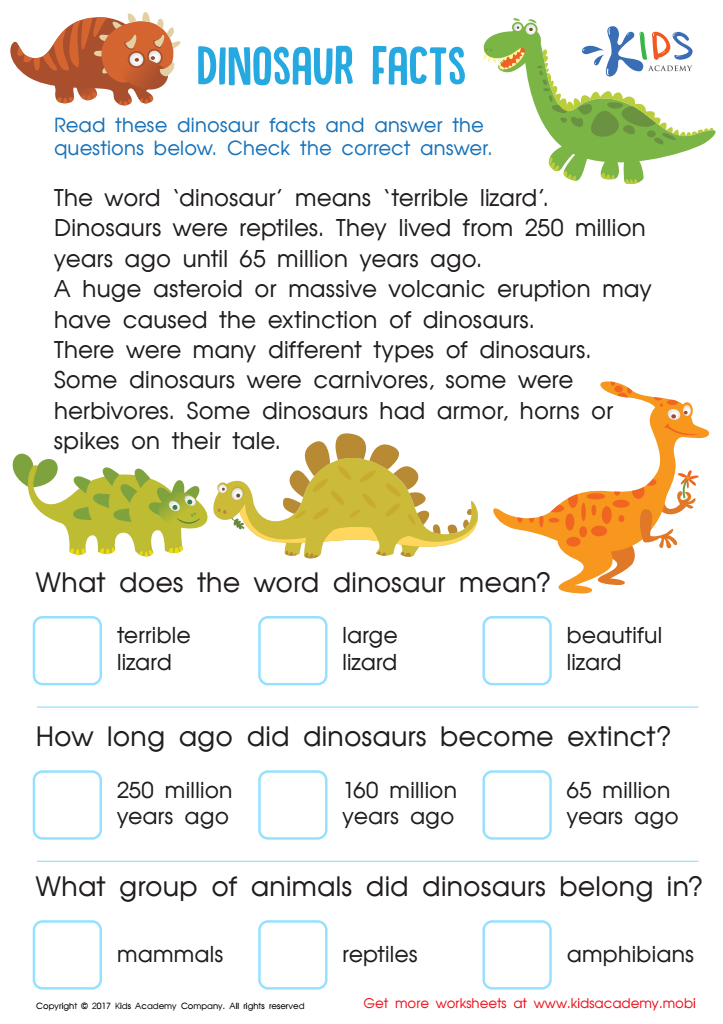
Dinosaur Facts Worksheet
 Assign to My Students

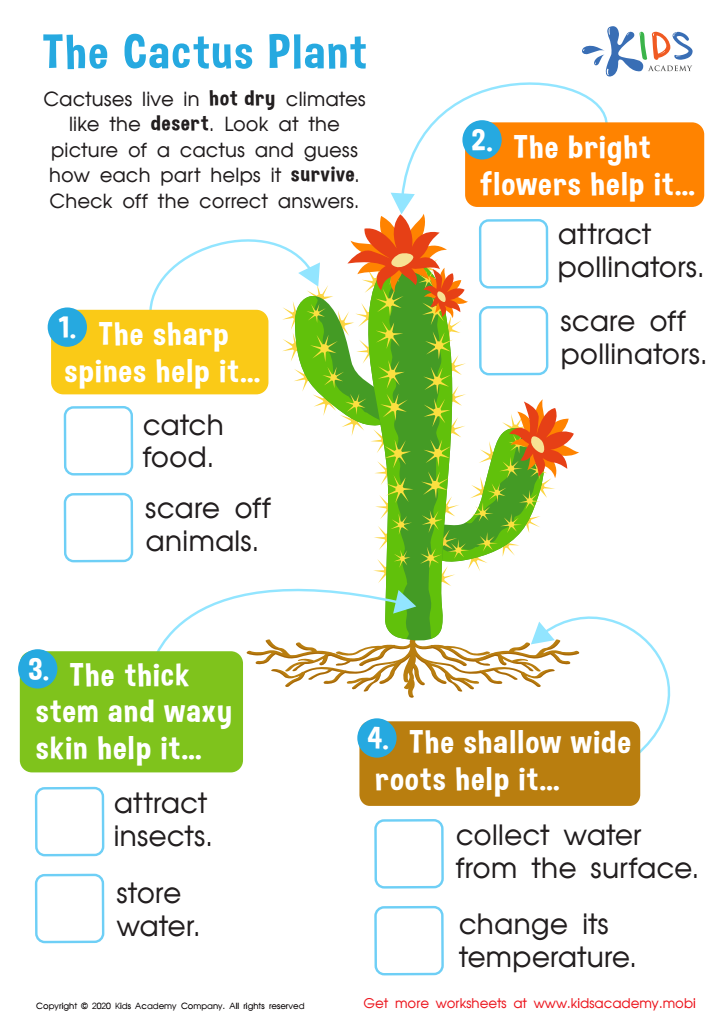
The Cactus Plant Worksheet
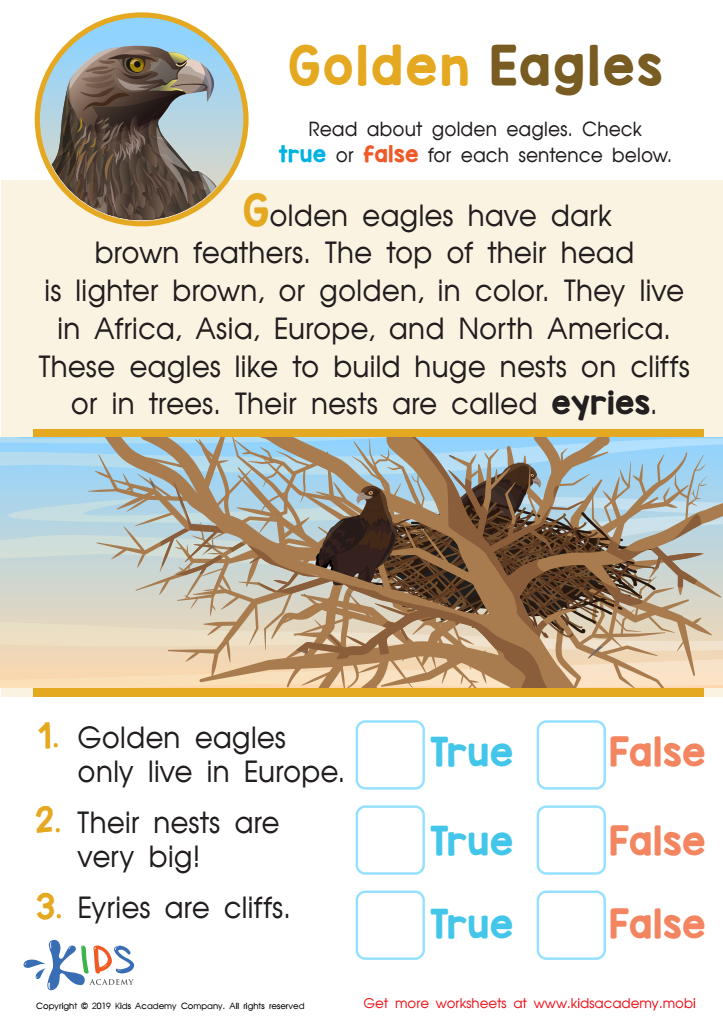
Golden Eagles Worksheet
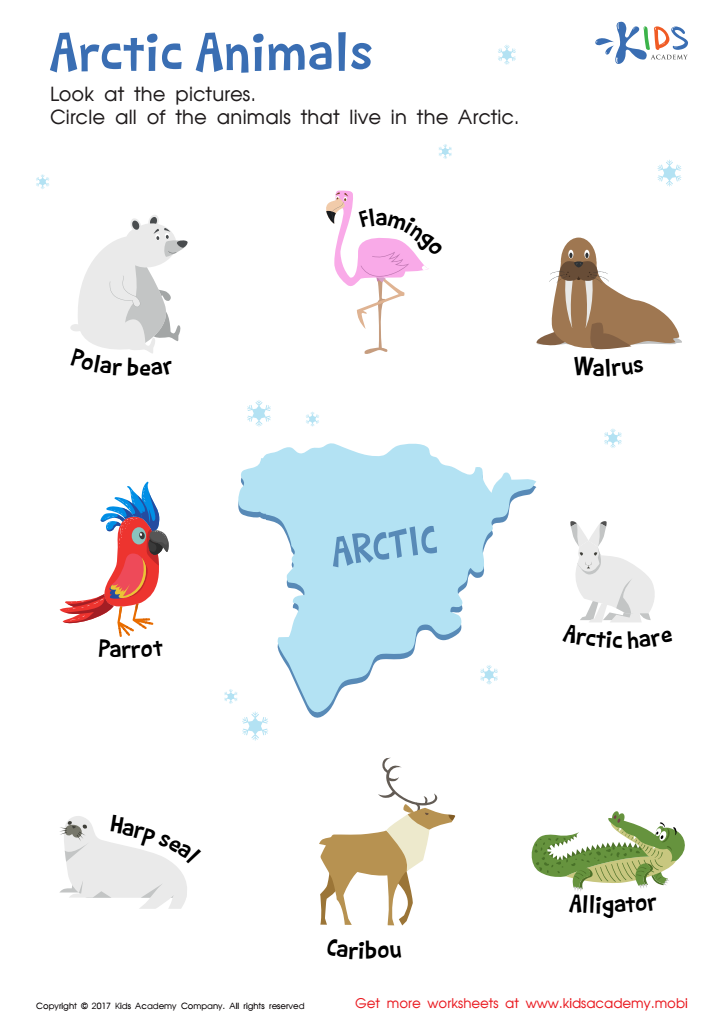
Arctic Animals Worksheet
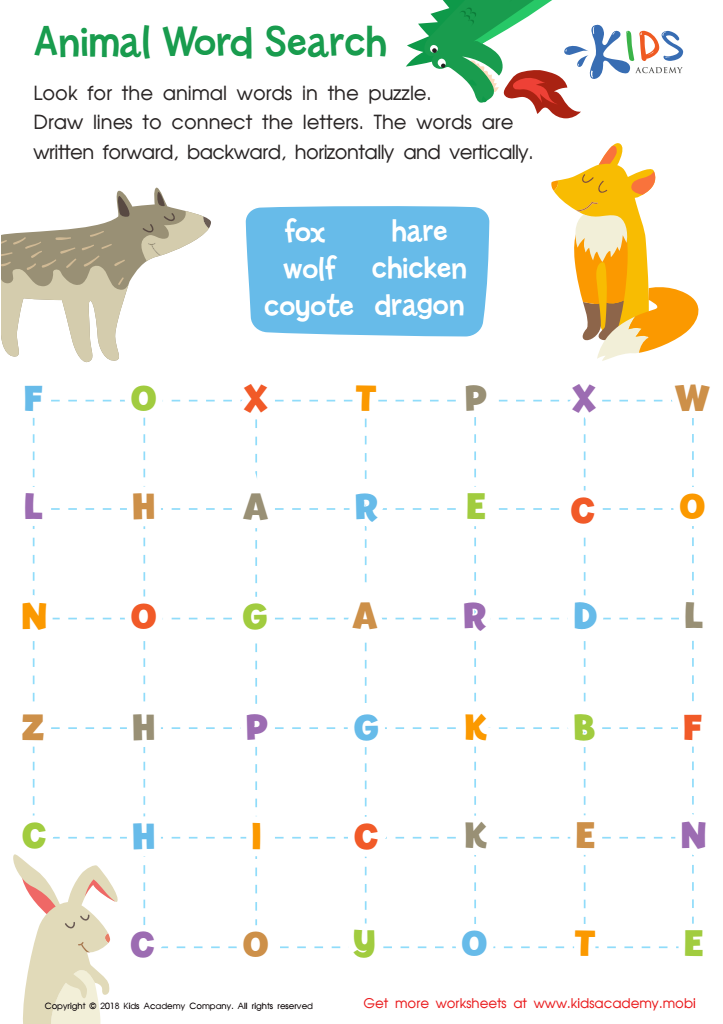
Animal Word Search Worksheet








Parents and teachers play a crucial role in vocabulary building for children ages 6-9, particularly concerning normal plants and animals. Understanding the terminology related to the natural world fosters a child's cognitive development, enhances communication skills, and deepens their connection to their environment. By learning specific vocabulary related to plants and animals, children can observe and describe their surroundings with greater precision, leading to improved critical thinking and observation skills.
Building a robust vocabulary in these areas also lays the groundwork for later scientific learning. When children learn words like "habitat," "photosynthesis," "predator," and "pollinator," it broadens their understanding of ecosystems and biodiversity. This knowledge not only aids in academic success but also instills an appreciation for nature, encouraging stewards of the environment from an early age.
Furthermore, discussions around plants and animals can spark curiosity and promote deeper inquiries—instilling a lifelong love for learning and exploration. Collaborative activities between parents and children or guided by teachers enhance social skills, as children learn to share their findings and engage in conversations around familiar subjects. In essence, vocabulary building in this context is essential for holistic development, catering to academic, social, and emotional growth.







