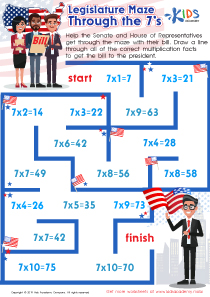
Shape Recognition Normal Community Worksheets for Ages 6-9
3 filtered results
-
From - To
Discover engaging Shape Recognition Normal Community Worksheets tailored for children aged 6-9! Perfect for building foundational skills, these worksheets blend fun and education, guiding children through identifying and understanding geometric shapes within the context of their local community. Through interactive tasks and relatable illustrations, young learners will effortlessly master shape recognition while connecting to their everyday surroundings. Ideal for classroom or at-home use, these resources support visual learning, critical thinking, and practical application. Download now and watch your child's confidence and comprehension grow as they explore the world of shapes in a familiar community setting.
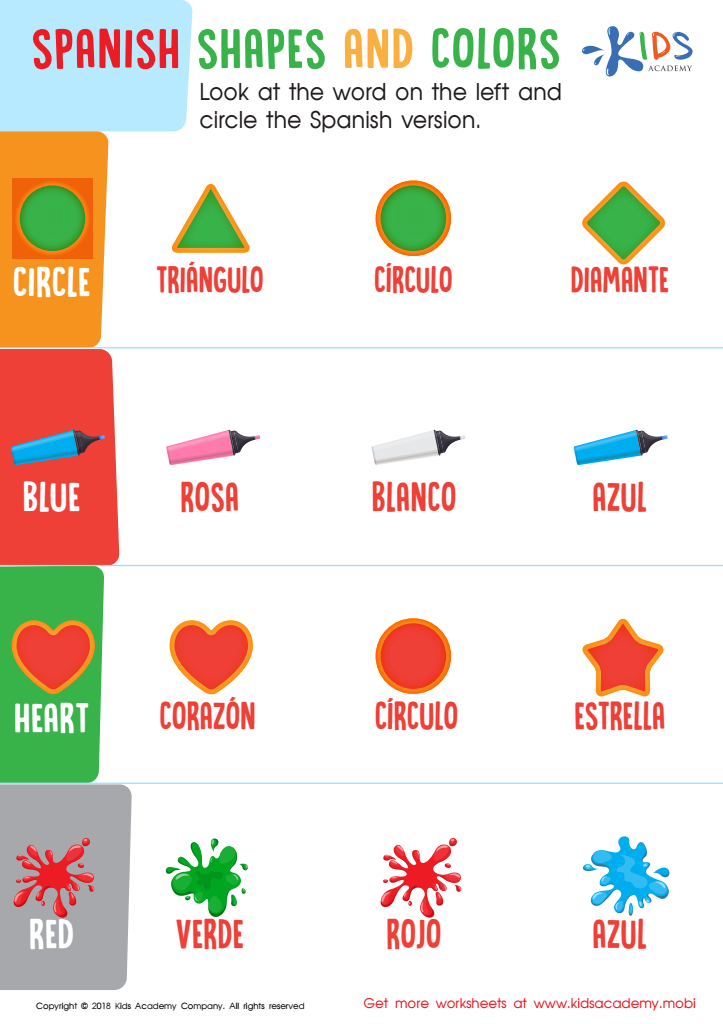
Spanish Shapes and Colors Worksheet
 Assign to My Students
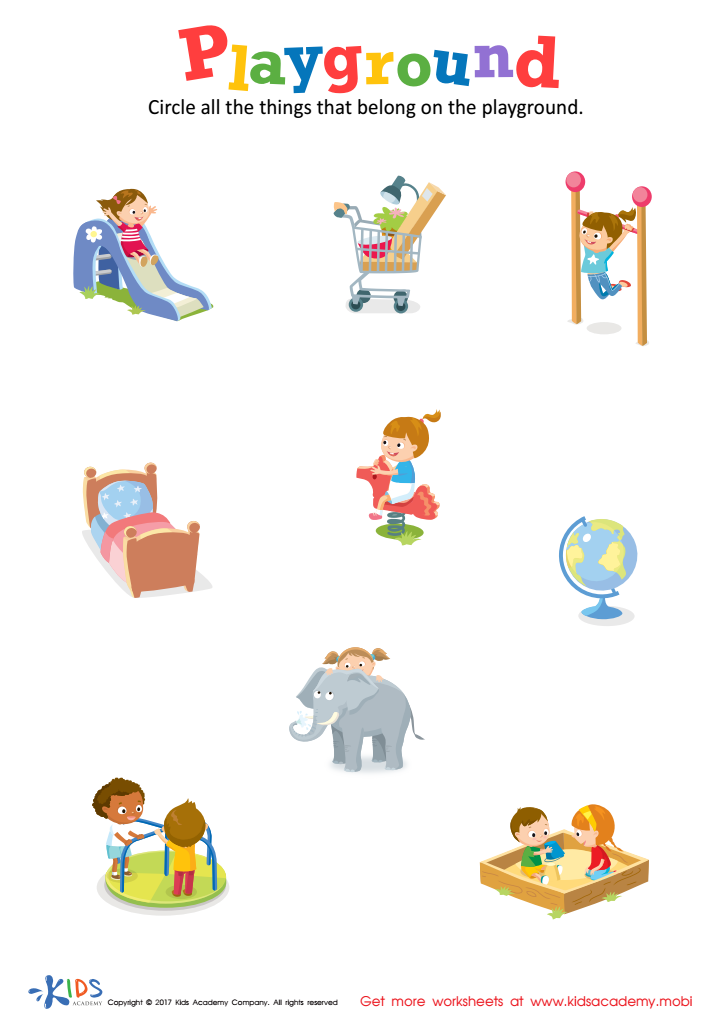
Playground Worksheet
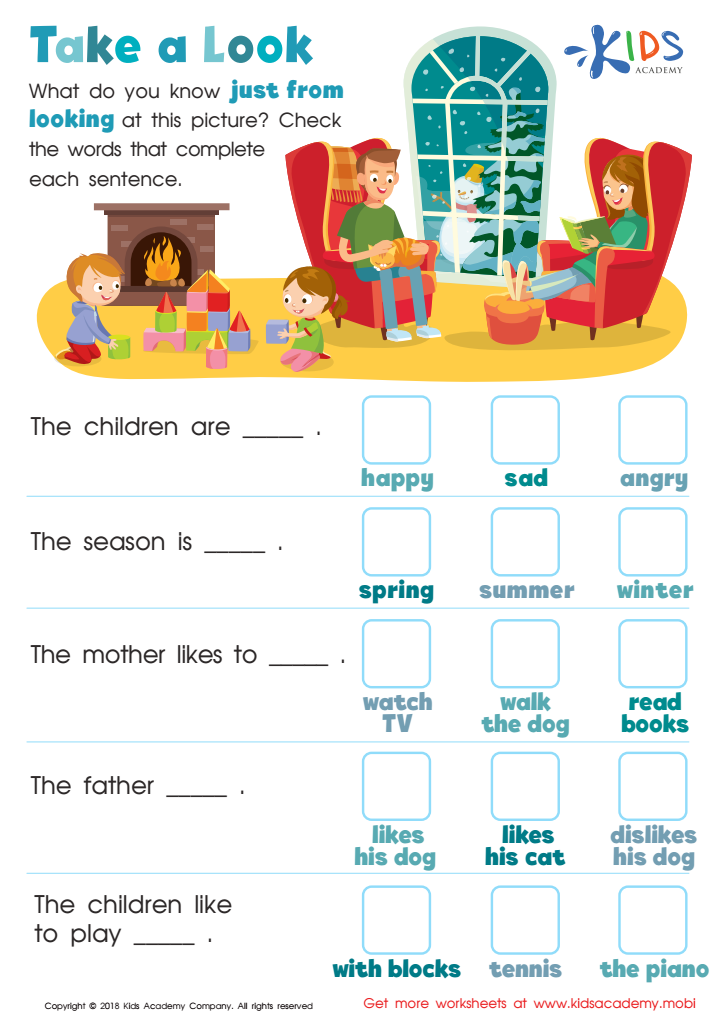
Take a Look - Part 1 Worksheet








Shape recognition is a foundational skill in early childhood development that significantly impacts cognitive abilities, academic success, and everyday problem-solving for children ages 6-9. Parents and teachers should prioritize shape recognition because it supports critical thinking and spatial awareness. By identifying and distinguishing between different shapes, children hone their ability to recognize patterns and organize visual information, which underpins skills in reading, writing, and mathematics.
Shapes are everywhere, and recognizing them helps children make sense of their environment. This recognition aids in the development of geometry skills, an essential part of math curricula. Furthermore, shapes form the foundation for understanding more complex concepts, such as symmetry, proportions, and geometry in later grades.
Moreover, activities centered around shape recognition, like puzzles and sorting games, promote fine motor skills and hand-eye coordination. These activities also foster a spirit of curiosity and exploration, essential attributes for lifelong learning.
Social interactions during group shape-based activities also build communication and cooperation skills. Hence, a well-rounded approach to teaching shape recognition not only enhances intellectual growth but also contributes to motor and social development, equipping children with essential life skills. Therefore, ensuring children have a strong grasp of shapes can profoundly influence their educational journey and holistic development.