Visual recognition Normal Community Worksheets for Ages 6-9
3 filtered results
-
From - To
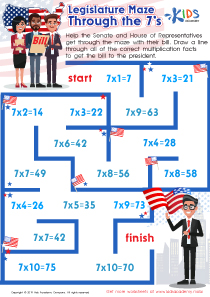
Discover our Visual Recognition Normal Community Worksheets tailored for children ages 6-9. At Kids Academy, these engaging printables enhance visual recognition skills while introducing young learners to community concepts. Each worksheet blends fun activities with essential educational content, helping kids recognize community members, places, and their functions. Ideal for both classroom and home settings, these resources support social studies learning standards and promote critical thinking, observation, and comprehension abilities. Utilize our expertly designed worksheets to make learning about the community interactive and enjoyable for your child or students. Visit Kids Academy to download and start exploring today!

What Do you See at the Library? Worksheet
 Assign to My Students
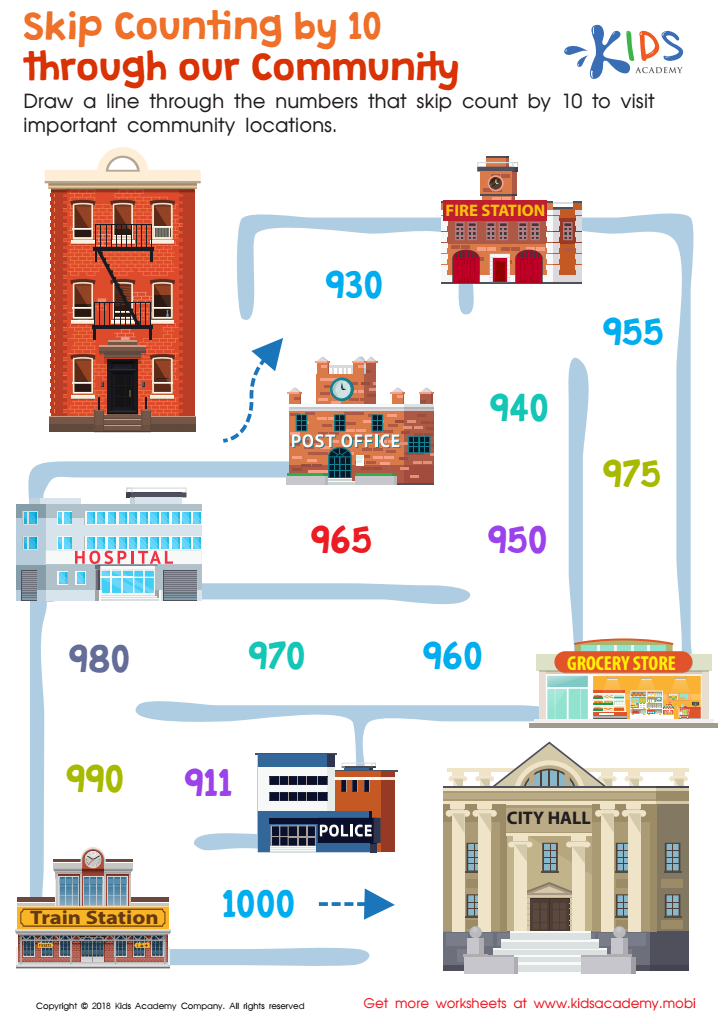
Skip Counting by 10 Through Our Community Worksheet
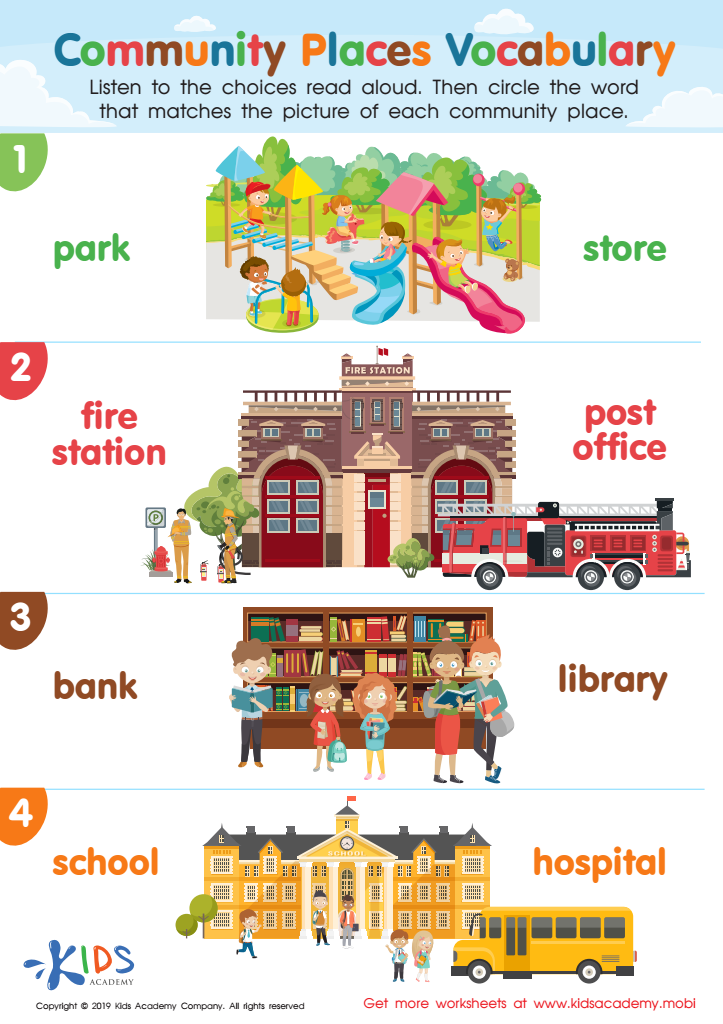
Community Places Vocabulary Worksheet








Visual Recognition Normal Community (VRNC) offers significant value for children aged 6-9, an essential developmental stage. This process enhances young learners' ability to perceive, interpret, and understand visual information, crucial for academic success and daily functioning. When parents and teachers prioritize VRNC, they enable children to develop strong cognitive skills. This includes improving attention to detail, recognizing patterns, and boosting memory retention.
Effective visual recognition supports reading and writing proficiencies by helping children differentiate letters and shapes and comprehend spatial relationships in text and numerals. For instance, recognizing the difference between 'b' and 'd' is pivotal for literacy. Additionally, VRNC fosters better problem-solving skills. Children more accurately interpret visual cues, sequences, and structures, aiding in subjects like math which often rely on visual-spatial understanding.
Moreover, by cultivating an inclusive VRNC environment, caregivers and educators amplify children’s self-esteem and passion for learning. Building such a foundation fosters collaborative and supportive communities where every child feels seen and understood. Early investment in VRNC ensures children are well-equipped for future learning challenges. Hence, recognizing and nurturing this potential is vital. It not only bolsters their academic growth but also contributes to their overall emotional and social development.