Vocabulary Building Normal Community Worksheets for Ages 6-9
4 filtered results
-
From - To
Discover our "Vocabulary Building Normal Community Worksheets" tailored for ages 6-9, designed to enhance language skills while exploring the concept of community. These engaging worksheets introduce children to essential vocabulary related to their neighborhood, local jobs, and various community activities. Through fun exercises and interactive tasks, kids will expand their word bank, improving reading comprehension and communication abilities. Perfect for home or classroom use, these worksheets foster curiosity and understanding of the world around them. Help your children connect with their community and develop their language skills with these diverse, easy-to-use resources. Start building their vocabulary today!
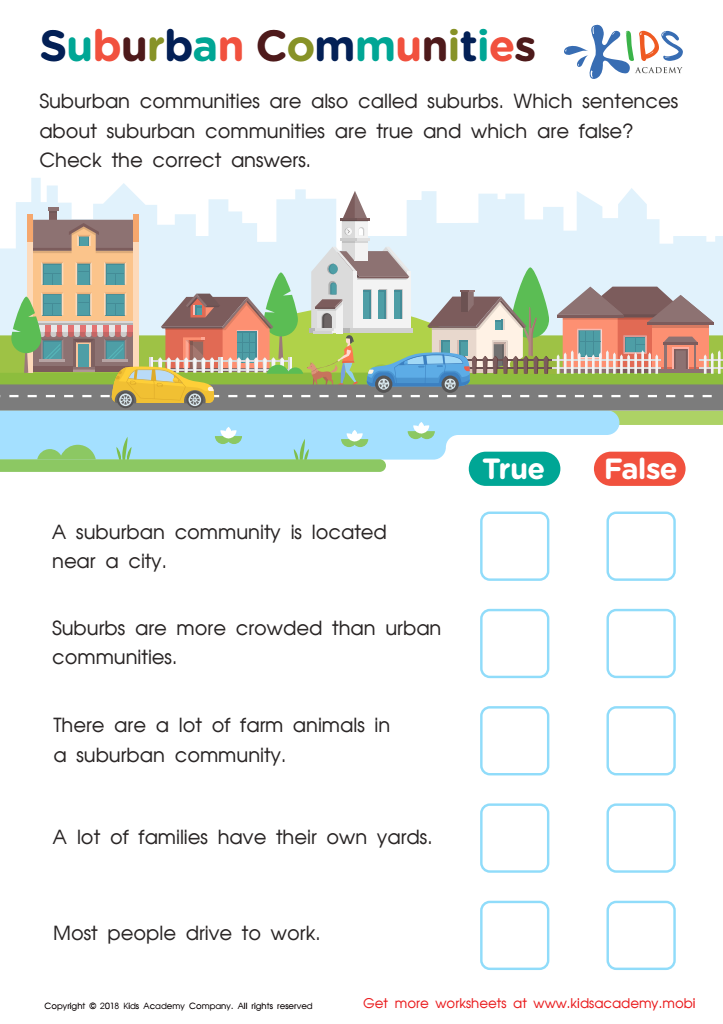
Suburban Communities Worksheet
 Assign to My Students
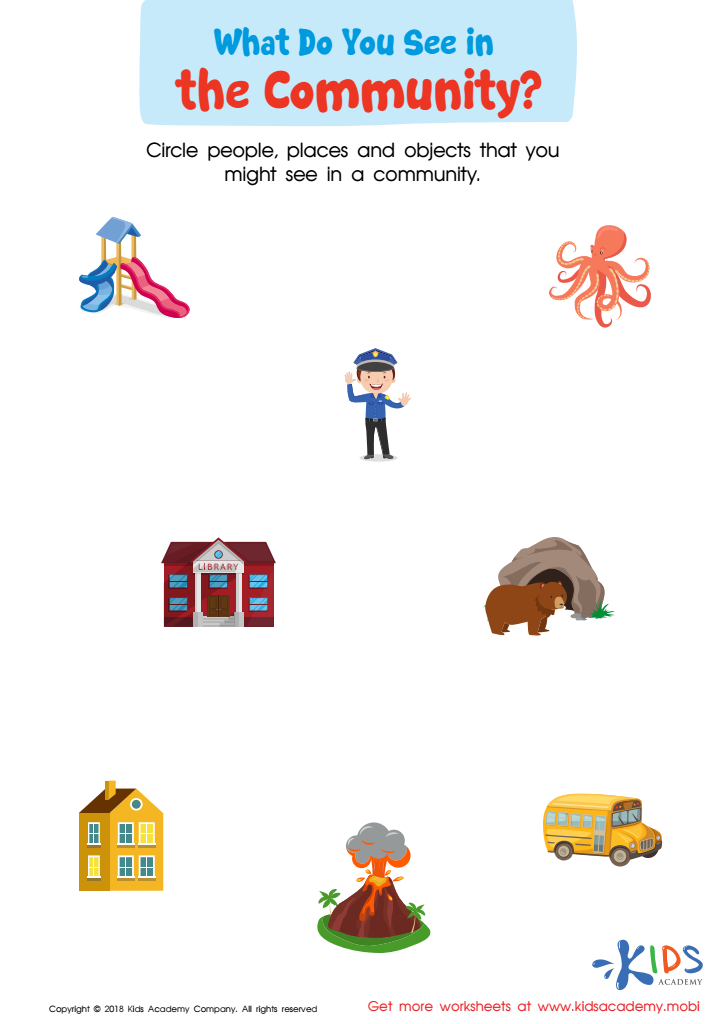
What Do You See in the Community Worksheet

What Do you See at the Library? Worksheet
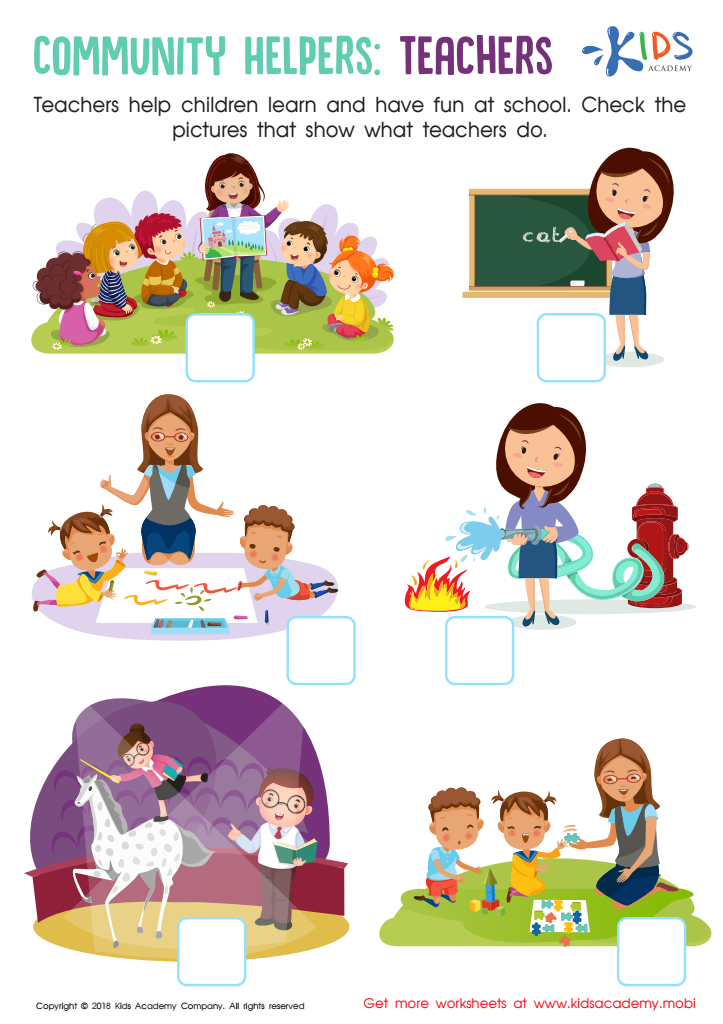
Teachers Community Helpers Worksheet








Vocabulary building is essential for children aged 6-9, as it profoundly influences their academic success and overall communication skills. During these formative years, children are expanding their language abilities, making it crucial for parents and teachers to foster a supportive vocabulary-rich environment known as a Vocabulary Building Normal Community (VBNC). This community encourages the sharing of diverse words and concepts in various contexts, helping children make meaningful connections to language.
Engaging children in discussions, reading together, and incorporating new words into everyday conversations cultivates their comprehension and expression. A strong vocabulary foundation enhances not only reading skills but also writing, critical thinking, and social interactions, giving children the tools they need to articulate their thoughts and feelings effectively.
Moreover, a collaborative effort between parents and teachers in promoting vocabulary building can create a more consistent learning environment. It helps children feel supported and motivates them to be curious about language, encouraging lifelong learning. By investing in their vocabulary development, we empower children to succeed in school and in life, fostering confidence and a love for words that will serve as a crucial advantage as they grow. Overall, cultivating a Vocabulary Building Normal Community enriches children's educational experiences and future opportunities.