Cognitive Development Normal Alphabet Worksheets for 6-Year-Olds
4 filtered results
-
From - To
Welcome to our "Cognitive Development Normal Alphabet Worksheets for 6-Year-Olds." Designed to support your child's learning journey, these engaging worksheets focus on enhancing cognitive skills through fun alphabet activities. Each worksheet aims to improve letter recognition, phonemic awareness, and critical thinking, all essential components of early literacy. Our thoughtfully crafted exercises promote problem-solving and creativity while appealing to young learners. Perfect for both classroom settings and at-home practice, these resources are ideal for parents and educators eager to foster a love for reading and writing. Explore our collection today and help your child build a strong foundation in literacy!
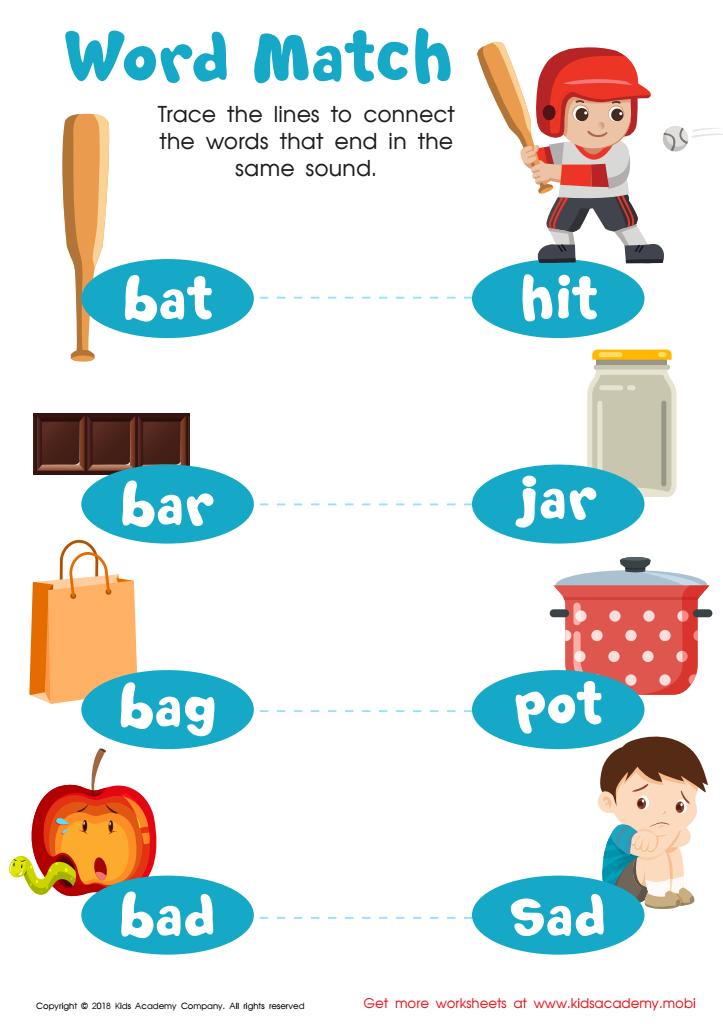
Word Match Reading Worksheet
 Assign to My Students
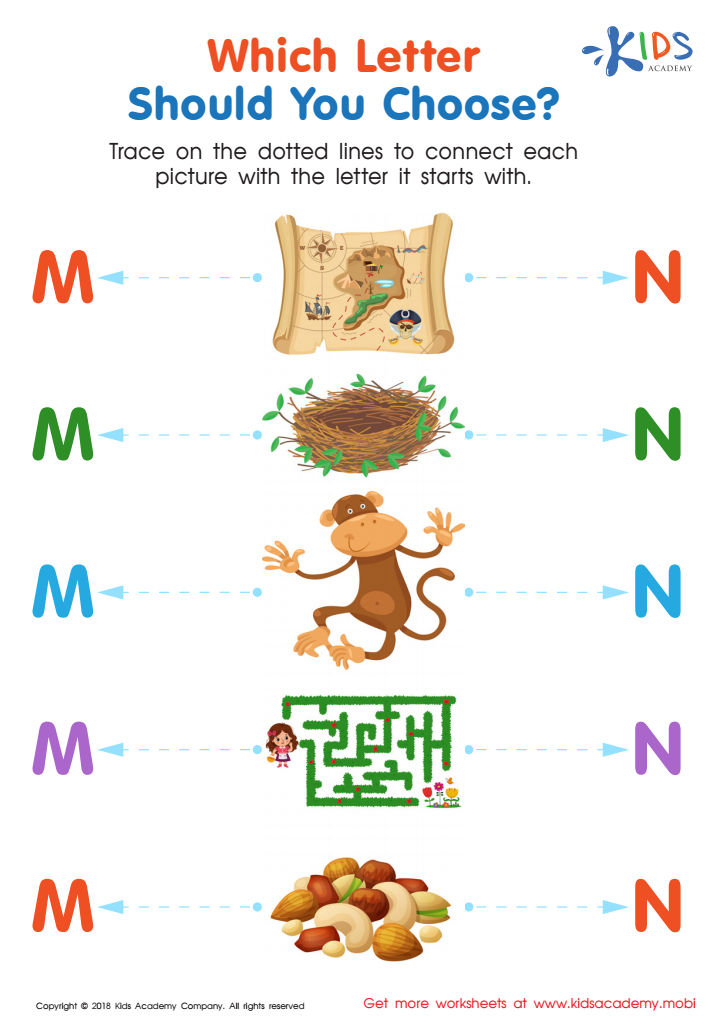
Which Letter Should you Choose? Worksheet
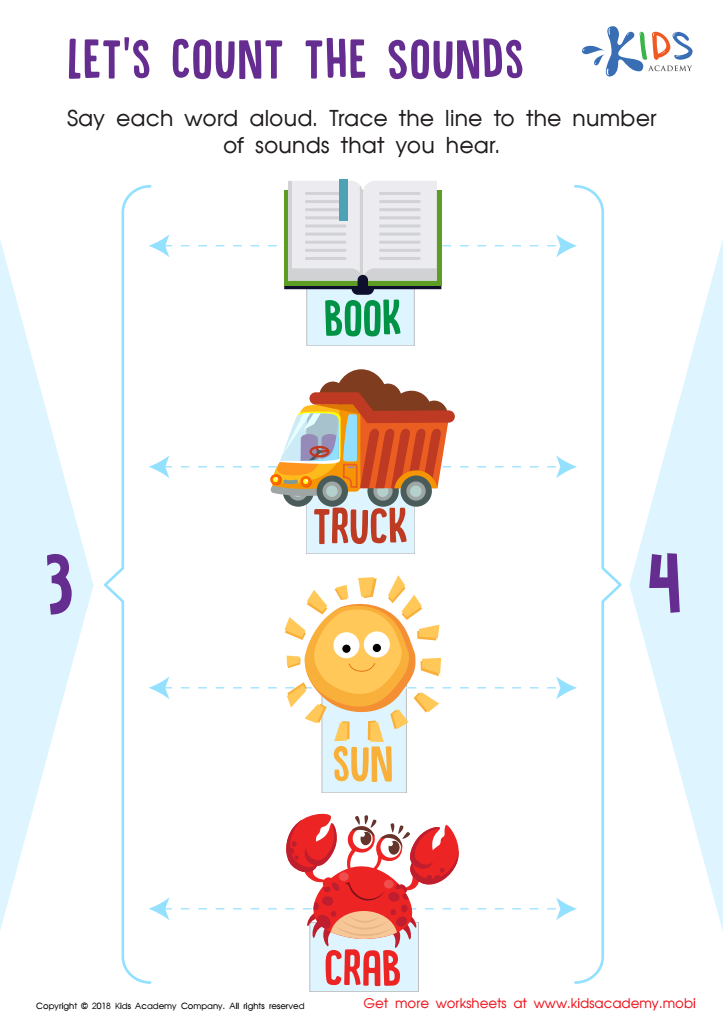
Let's Count the Sounds Worksheet
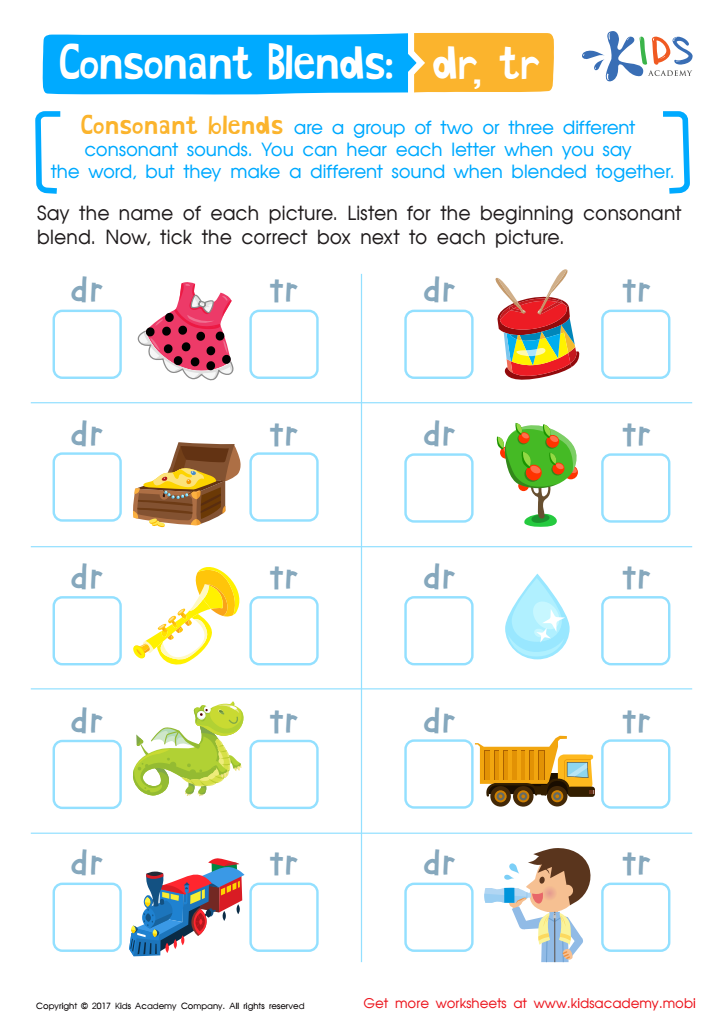
Consonant Blends: "Dr" and "Tr" Printable







Cognitive development in six-year-olds, particularly concerning letter recognition and understanding the alphabet, is crucial for several reasons. First, it lays the foundation for literacy skills, which are essential for academic success. At this age, children develop the ability to identify letters, comprehend their sounds, and begin to associate them with words. This understanding fosters reading readiness, enabling them to tackle books and other reading materials with confidence.
Moreover, cognitive development in this area promotes critical thinking and memory skills. Mastering the alphabet involves recognizing patterns, organizing information, and making connections between letters and sounds. These skills are transferrable to various subjects and everyday problem-solving situations.
Furthermore, the early years are critical for building a child's self-esteem and motivation toward learning. When children can confidently use the alphabet, they are more likely to engage with reading and writing activities enthusiastically. Teachers and parents play an essential role in creating a supportive environment, providing engaging activities that make learning the alphabet enjoyable.
In essence, nurturing a child's understanding of the alphabet not only equips them with fundamental literacy skills but also contributes to their overall cognitive growth and enthusiasm for learning.







