Letter-sound recognition Normal Alphabet Worksheets for 6-Year-Olds
3 filtered results
-
From - To
Unlock your child's reading potential with our engaging Letter-Sound Recognition Normal Alphabet Worksheets designed specifically for 6-year-olds! These printable worksheets help young learners master the connections between letters and their corresponding sounds, laying the foundation for phonetic awareness and early literacy skills. Each worksheet is thoughtfully crafted to be fun and interactive, featuring colorful illustrations and activities that captivate young minds. Perfect for homeschooling, classroom settings, or after-school practice, these resources make learning enjoyable while boosting your child's confidence. Empower your little learner to recognize letters and sounds effortlessly with our comprehensive collection of worksheets tailored just for them!
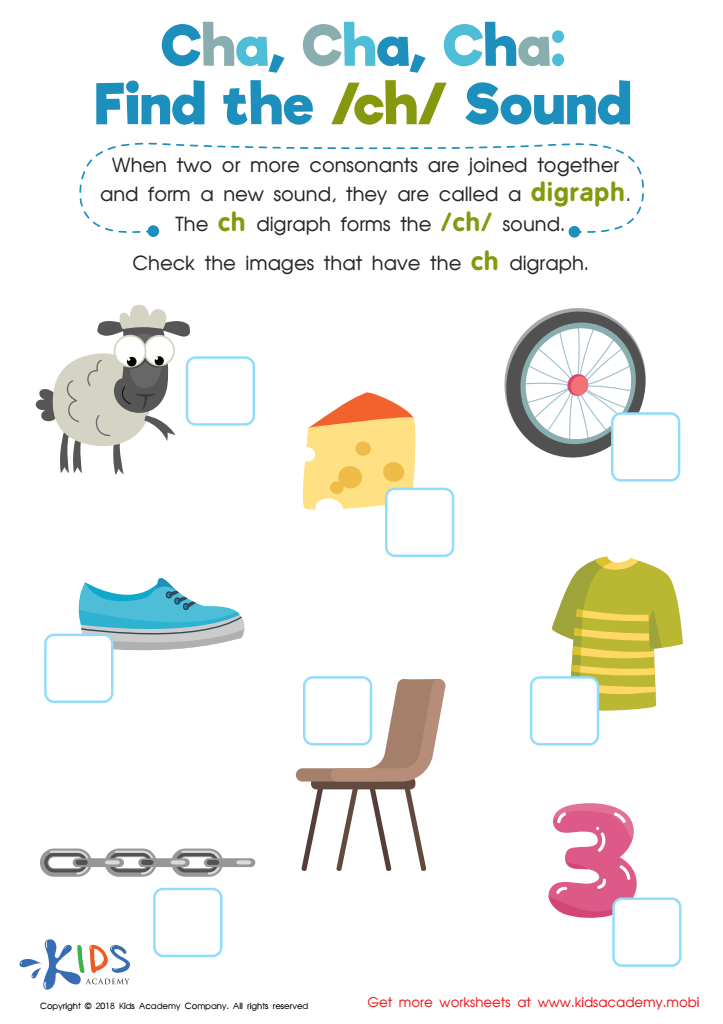
Cha, Cha, Cha: Find the /Ch/ Sound Worksheet
 Assign to My Students
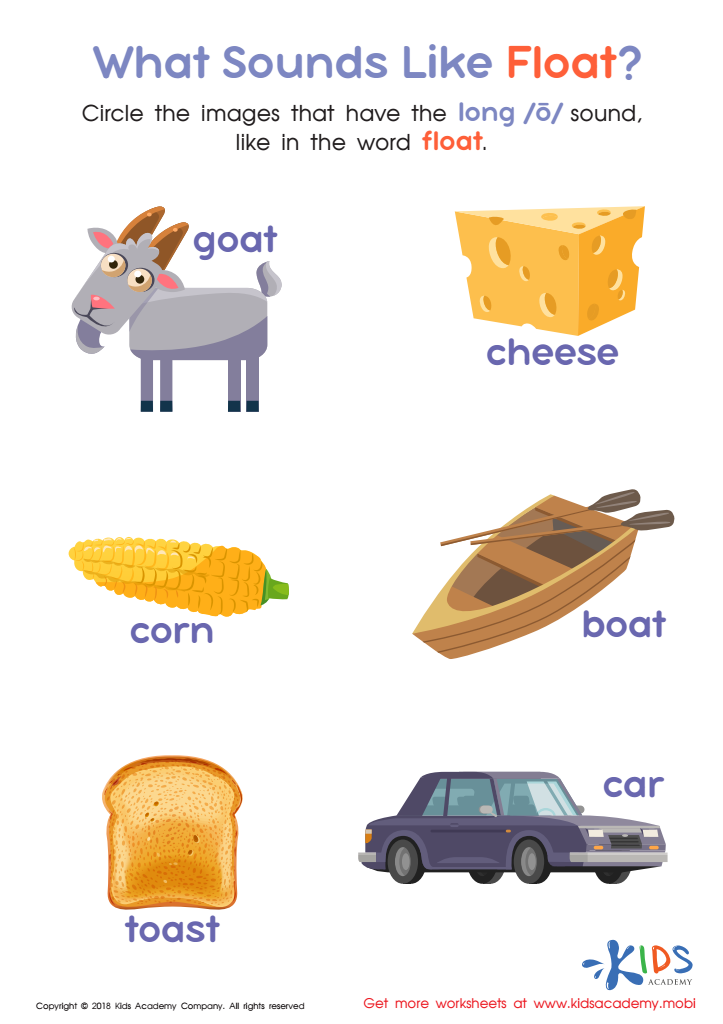
What Sounds Like Float? Worksheet
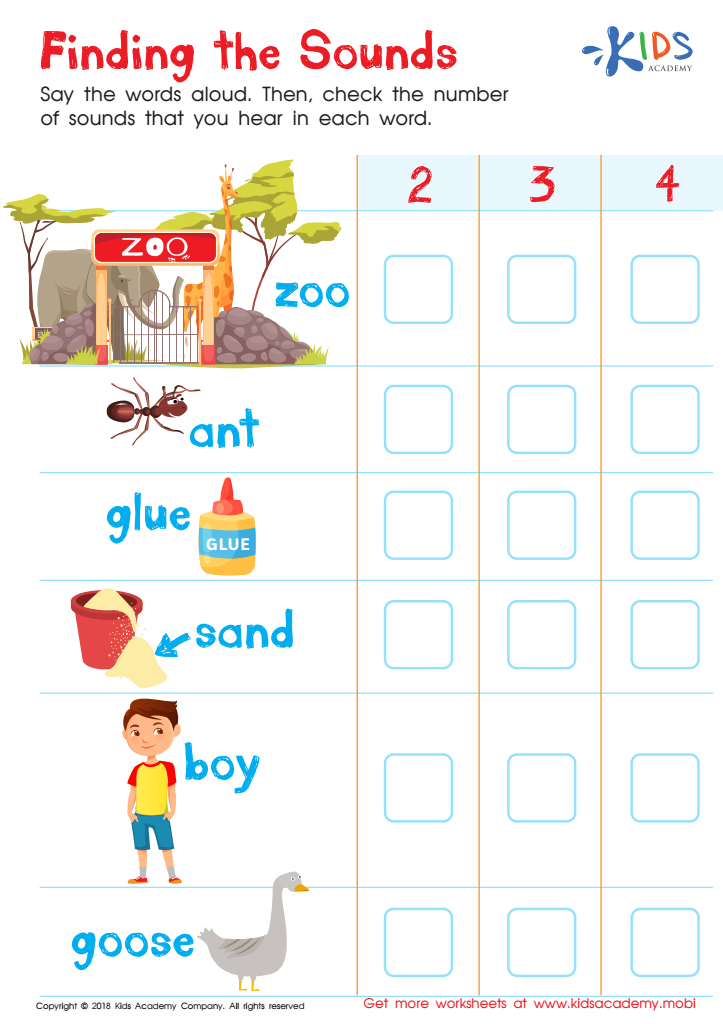
Finding the Sounds Worksheet







Letter-sound recognition is a fundamental skill for 6-year-olds learning to read and write. This ability allows children to identify letters and associate them with their corresponding sounds, forming the basis for phonics instruction. When parents and teachers focus on letter-sound recognition, they provide children with essential tools for decoding words, enhancing their reading fluency and comprehension.
Understanding letter sounds empowers children to tackle new words independently, fostering a sense of accomplishment and confidence. It helps them connect spoken language to the written form, which is crucial in the early stages of literacy development. Moreover, strong letter-sound recognition supports spelling, as children learn to break down words into their constituent sounds.
By prioritizing this skill, parents and teachers can create a robust learning environment, encouraging practices such as playful phonetic games and reading aloud. These activities promote engagement and make learning enjoyable. Ultimately, caring about letter-sound recognition not only enhances a child's reading and writing abilities but also inspires a lifelong love of literacy, laying the groundwork for academic success and effective communication skills in the future. Investing in these early skills is essential for helping children thrive in their educational journey.







