Phonics recognition Normal Alphabet Worksheets for 6-Year-Olds
7 filtered results
-
From - To
Discover engaging and educational phonics recognition worksheets specially designed for 6-year-olds! Our Normal Alphabet Worksheets help young learners master letter sounds, blending, and decoding skills crucial for early reading development. Through fun and interactive activities, children become confident with the alphabet and phonics while enjoying colorful and kid-friendly designs. Ideal for both classroom and at-home practice, these expertly crafted worksheets align with foundational learning objectives. Ignite your child's reading journey and watch them excel with our comprehensive phonics recognition resources. Start building strong literacy skills today! Explore our diverse selection now at Kids Academy.
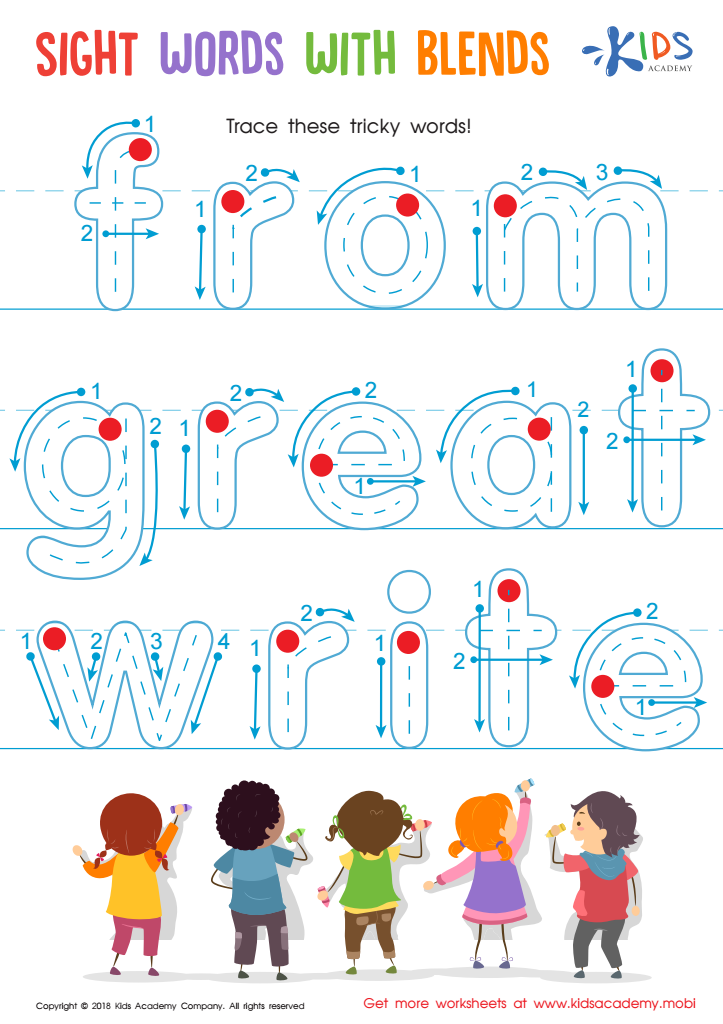
Sight Words with Blends Worksheet
 Assign to My Students
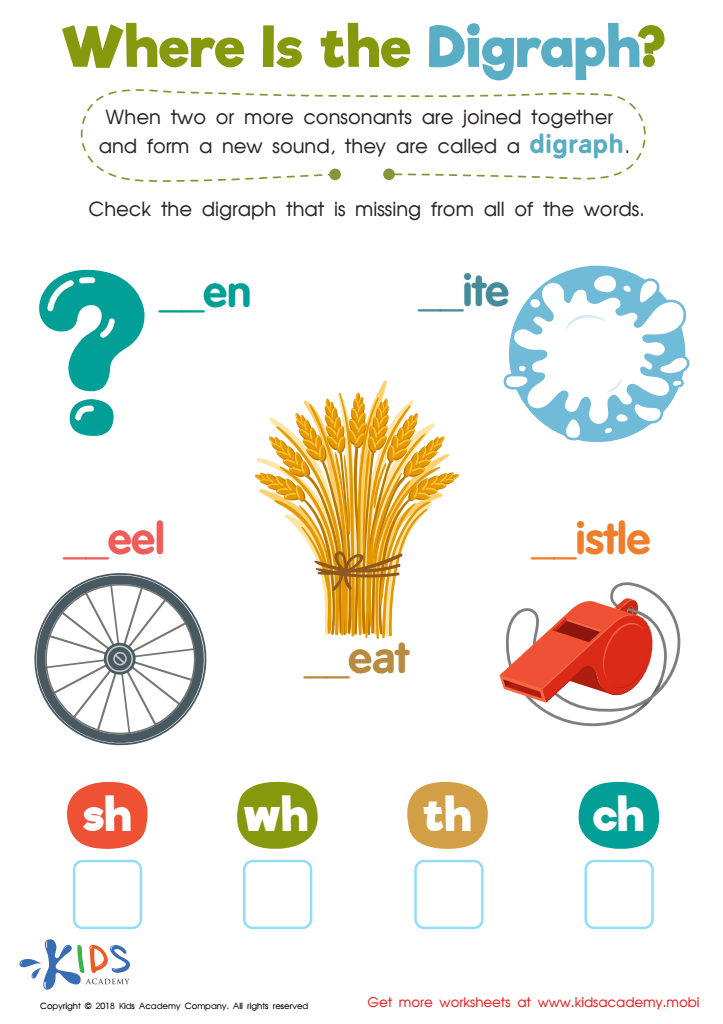
Where Is the Digraph? Worksheet
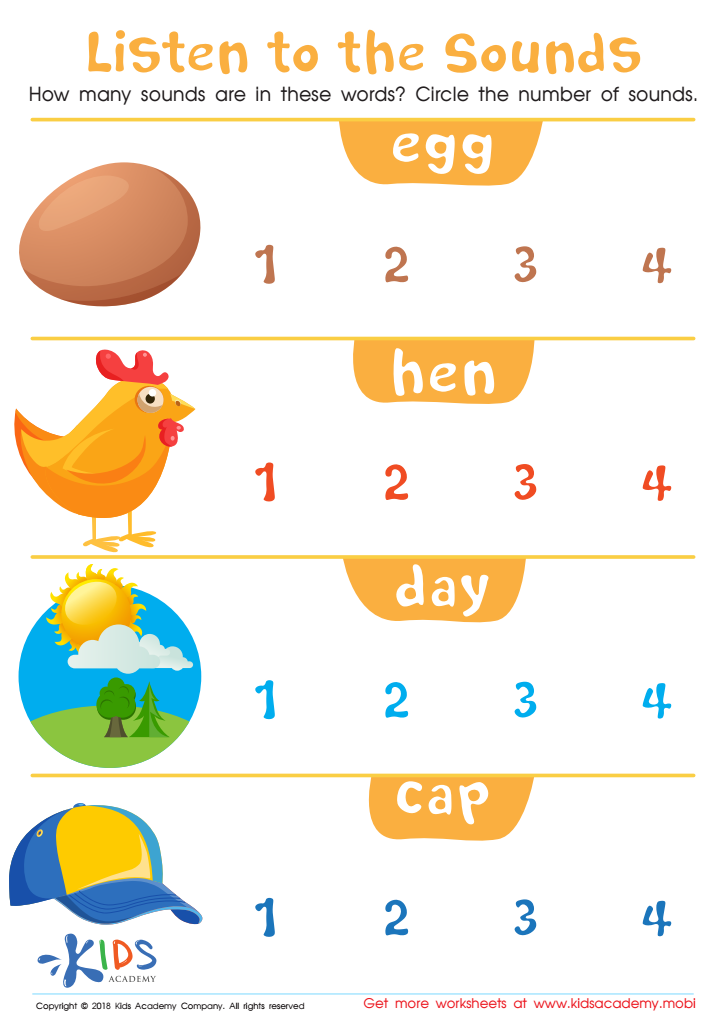
Listen to the Sounds Worksheet
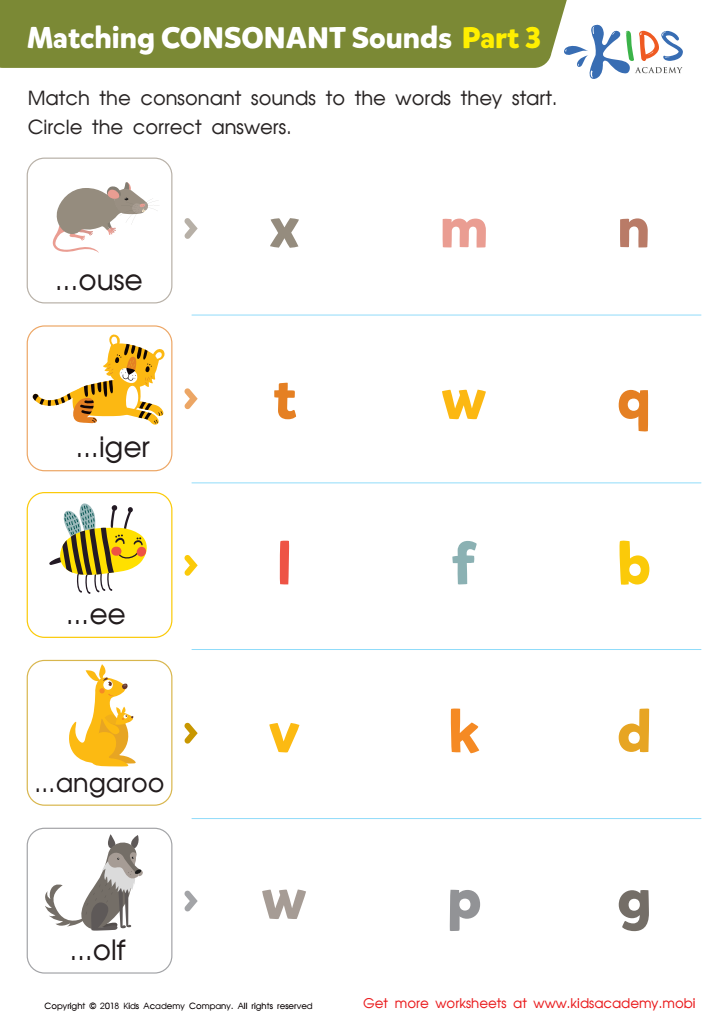
Matching Consonant Sounds: Part 3 Worksheet
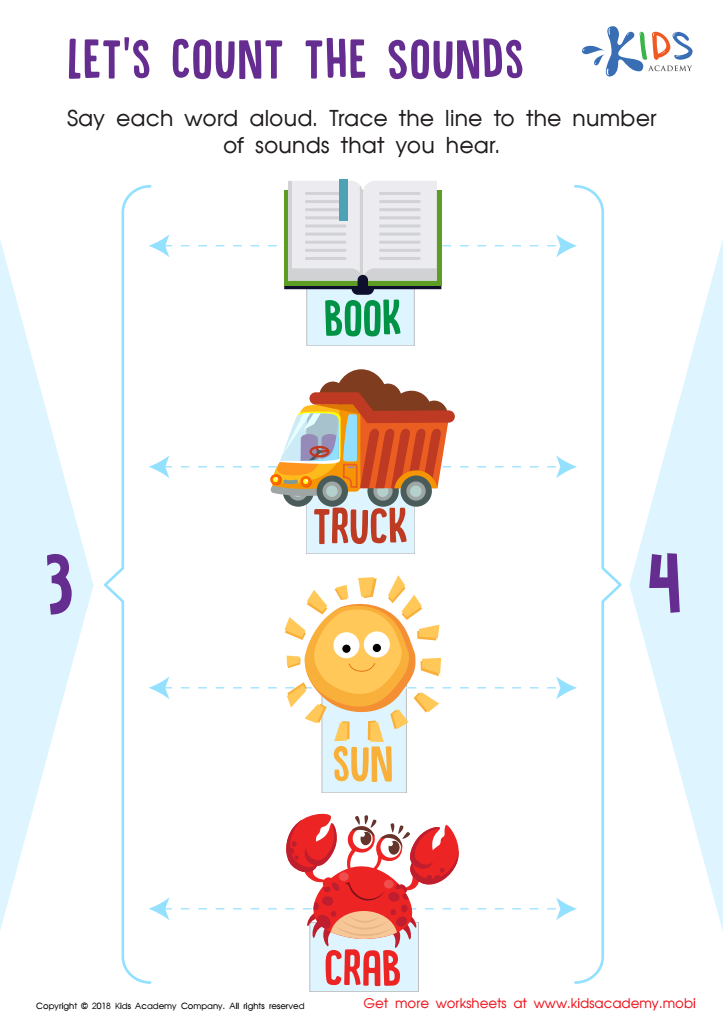
Let's Count the Sounds Worksheet
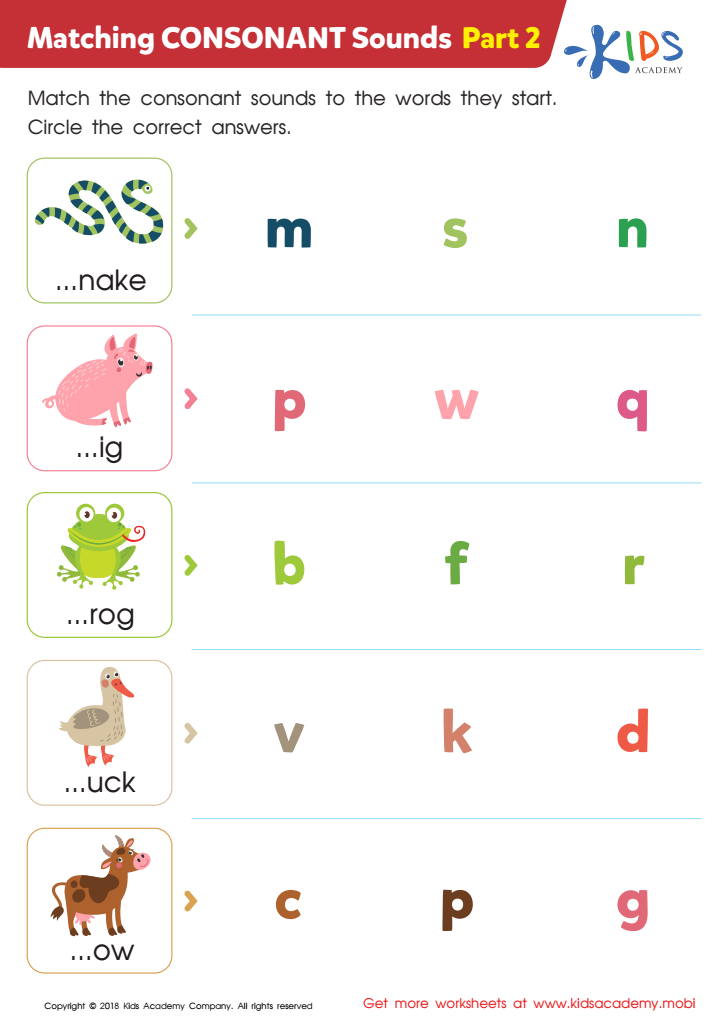
Matching Consonant Sounds: Part 2 Worksheet
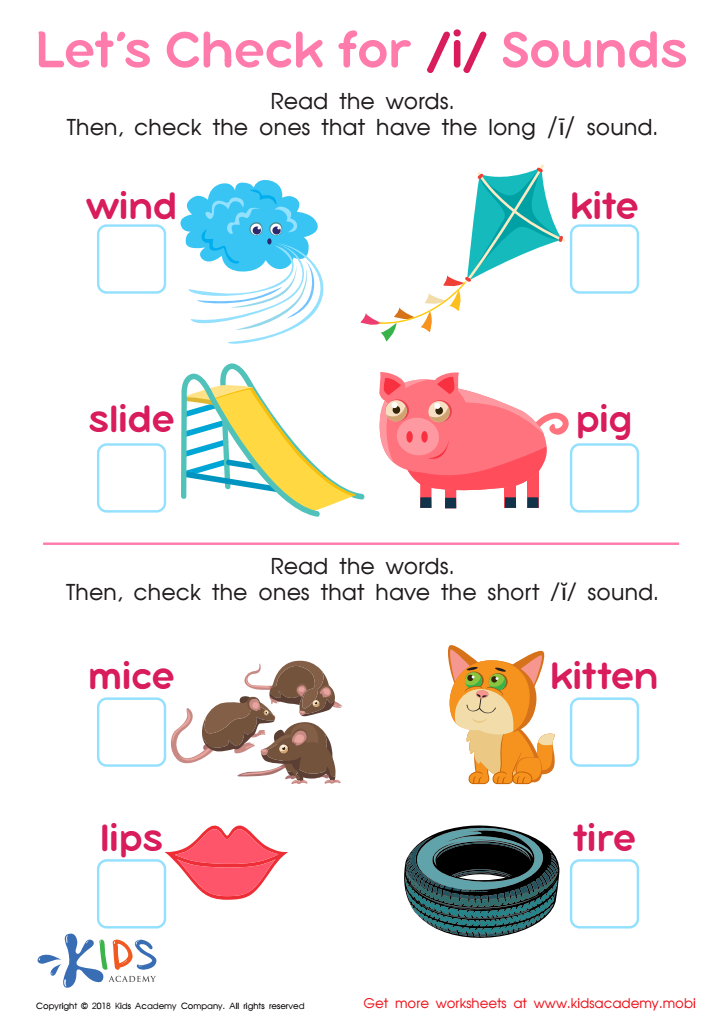
Let's Check for «i» Sounds Worksheet








Phonics recognition is fundamental for early literacy, empowering 6-year-olds to decode words, which is a crucial skill for reading development. At this tender age, children's brains are highly receptive to language acquisition. Phonics bridges between the spoken and written word, helping children recognize the relationship between letters and their corresponding sounds. Understanding these connections aids in the development of proficient reading skills, enabling children to tackle new words independently and with confidence.
Parents and teachers should prioritize phonics recognition as it lays the groundwork for future academic success. A strong grasp of phonics contributes to better spelling, reading fluency, and comprehension. When children can decode words effortlessly, they are more likely to enjoy reading, fostering a positive attitude toward learning. Furthermore, phonics education can assist in identifying and supporting children with dyslexia or other reading difficulties at an early stage, providing timely intervention.
Given its importance, incorporating phonics into daily routines and classroom activities paves the way for lifelong skills. Interactive games, engaging stories, and phonics-based exercises make learning enjoyable, ensuring children develop a solid foundation in reading. Parents' involvement at home, supported by systematic phonics instruction at school, can significantly enhance a child's educational journey.







