Alphabetical order understanding Normal Worksheets for 6-Year-Olds
3 filtered results
-
From - To
Help your 6-year-old master the basics of alphabetical order with our engaging and age-appropriate worksheets! Designed to make learning fun, these worksheets guide children through simple exercises that enhance their understanding of the alphabet and develop vital literacy skills. Whether they're arranging words from A-Z or tackling themed activities, each printable is crafted to build confidence and make early learning adventures enjoyable. Perfect for classroom use or at-home practice, our resources provide a solid foundation for young learners eager to improve their reading and writing abilities. Visit Kids Academy for top-quality learning tools!
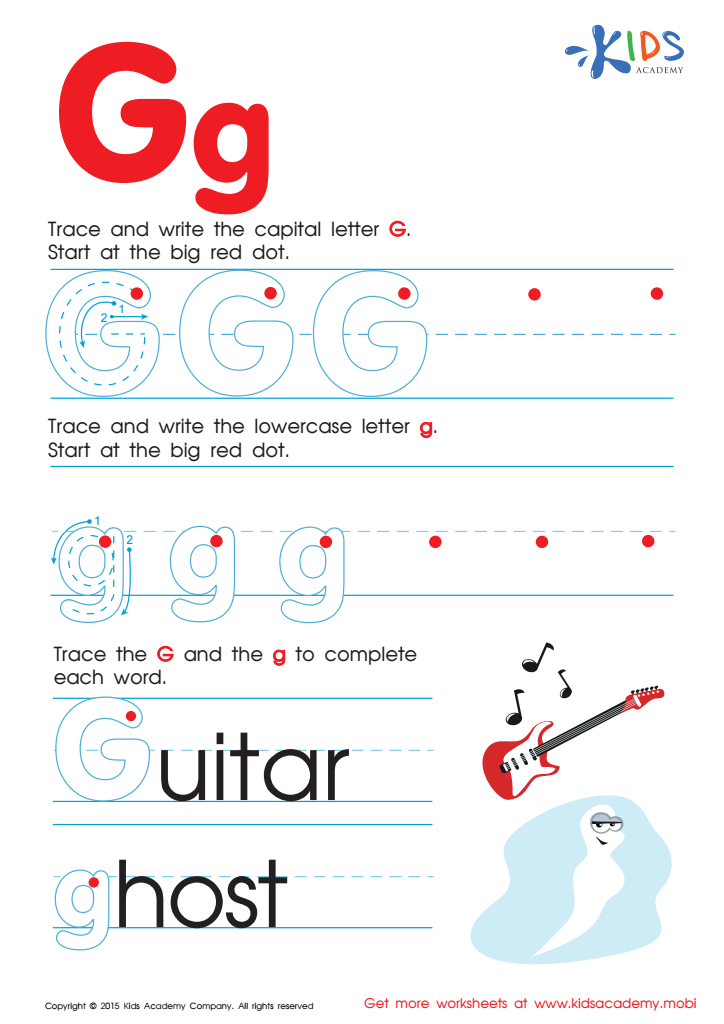
Letter G Tracing Page
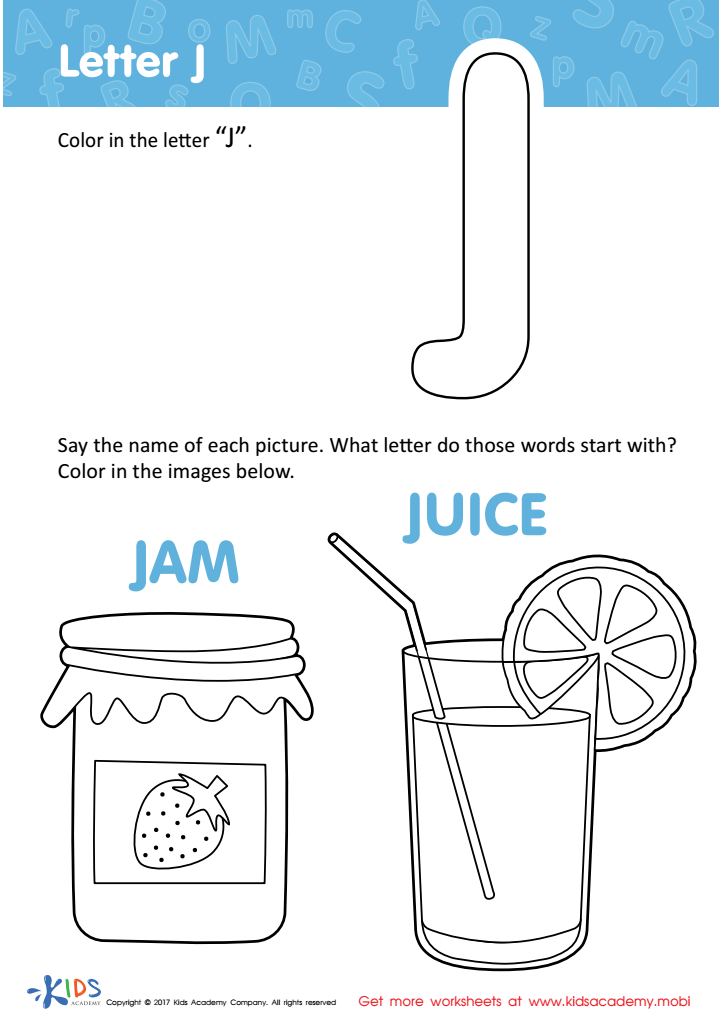
Letter J Coloring Sheet
 Assign to My Students
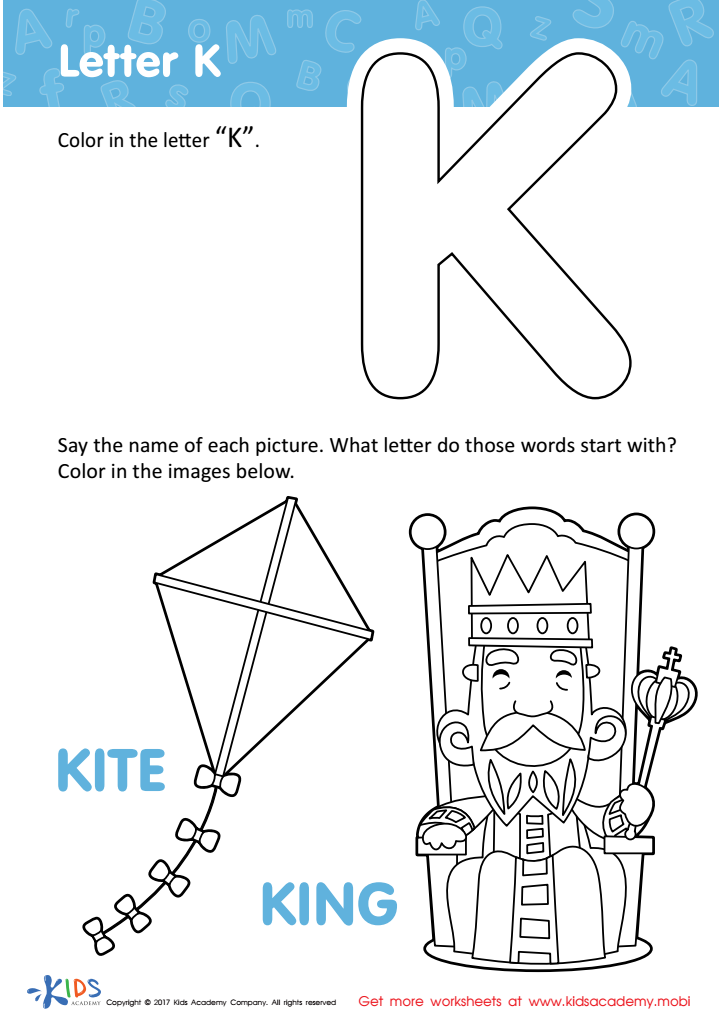
Letter K Coloring Sheet
Assign to My Students







Understanding alphabetical order is a core skill for 6-year-olds that serves as a foundational element for literacy and organization. Parents and teachers should care about this skill because it directly impacts a child's ability to navigate books, dictionaries, and other reference materials effectively. When children understand alphabetical order, they can more easily find information and understand how information is structured, aiding in independent learning.
Alphabetical order also strengthens a child’s understanding of the alphabet itself, which is crucial for both reading and writing. By knowing the sequence of letters, children reinforce their recognition of letter shapes, names, and sounds, which are critical components of phonemic awareness.
Moreover, lessons in alphabetical order teach children cognitive skills such as sequencing and categorization. These skills are not only important for language arts but also for mathematics and science, where sorting and pattern recognition are frequently required. Mastery of alphabetical order enhances memory and attention to detail, aligning with broader educational goals like critical thinking and problem-solving.
Finally, grasping alphabetical order gives children self-confidence and a sense of accomplishment. As they succeed in these early literacy skills, they build a strong academic foundation, essential for lifelong learning and academic success. Supporting 6-year-olds in learning alphabetical order is an investment in their overall development.








