
Critical thinking skills Normal Worksheets for 6-Year-Olds
5 filtered results
Difficulty Level
Grade
Age
-
From - To
Subject
Activity
Standards
Enhance your child's critical thinking abilities with our engaging worksheets designed specifically for 6-year-olds. These worksheets offer fun and interactive activities that stimulate problem-solving skills, logical reasoning, and creative thinking. With diverse tasks such as puzzles, matching games, and real-world scenarios, children will enjoy exploring concepts while developing essential cognitive abilities. Perfect for homeschooling or classroom use, our critical thinking worksheets cater to young learners, making them accessible and enjoyable. Cultivate your child's analytical skills in an exciting way! Visit our website to access a variety of worksheets tailored to promote critical thinking development for early learners.
Favorites
With answer key
Interactive
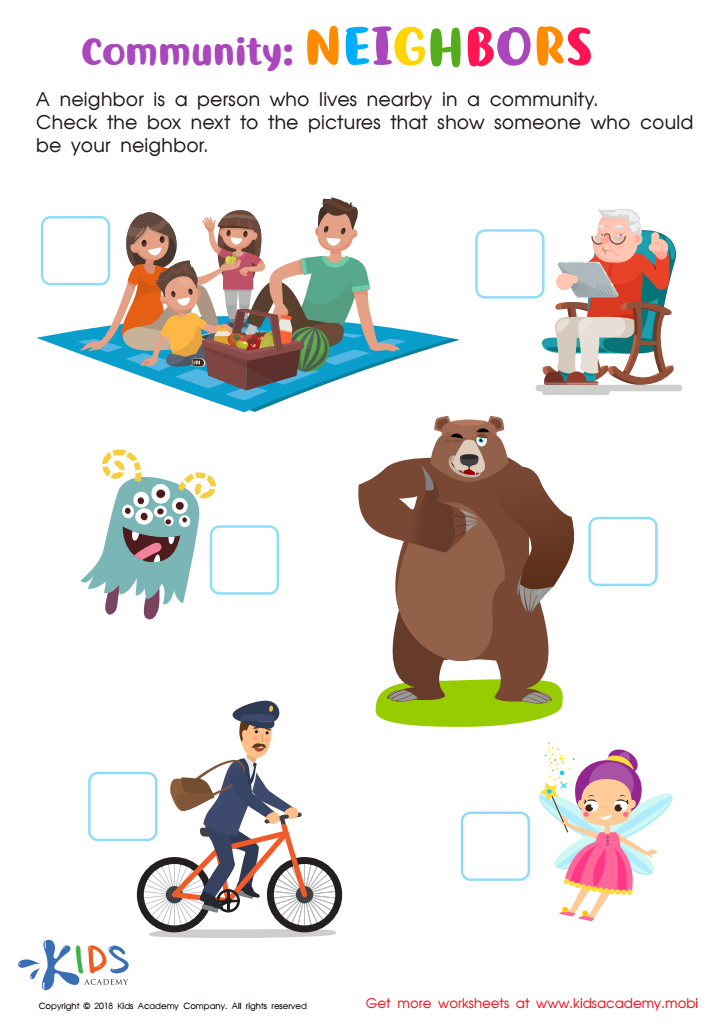
Community: Neighbors Worksheet
This free worksheet helps young learners understand who neighbors are and how they fit into their community. Have your student check out the options, decide which can and can't be neighbours and develop essential social and emotional skills. It's a fun and cheery way to learn about the social sciences!
 Assign to My Students
Community: Neighbors Worksheet
Worksheet
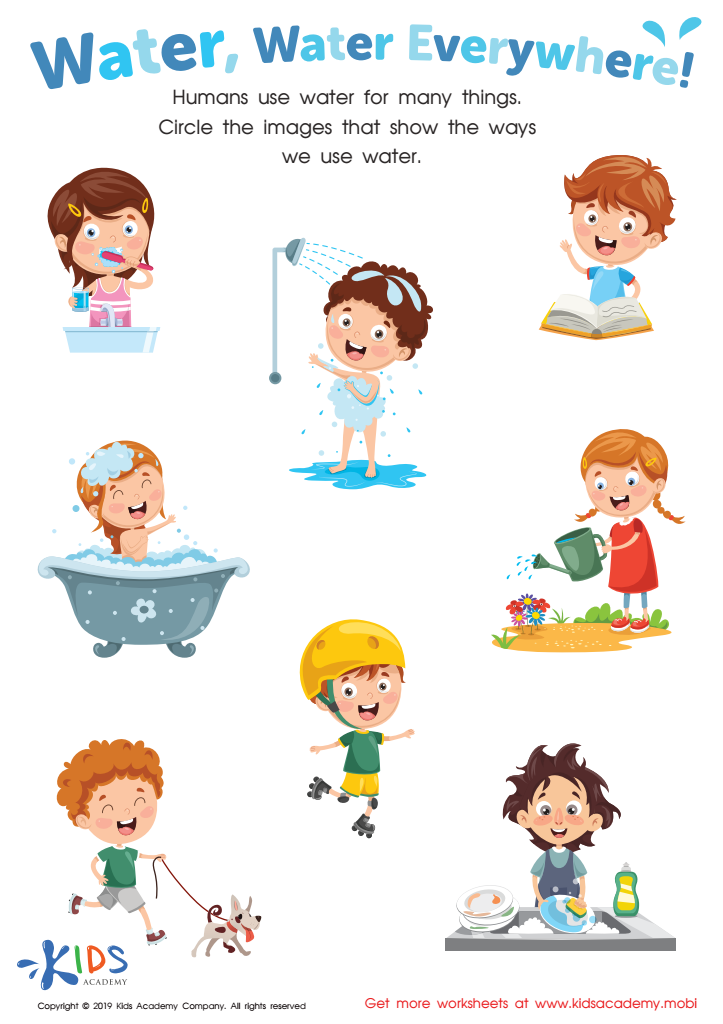
Water, Water Everywhere! Worksheet
Ask your kids how we use water daily. Point out how vital it is to the environment, as many living things couldn't exist without it. Show them this worksheet with kids doing different things that involve water. Ask them to identify what each one is doing, then help them circle the images which show the ways we use the water.
Water, Water Everywhere! Worksheet
Worksheet
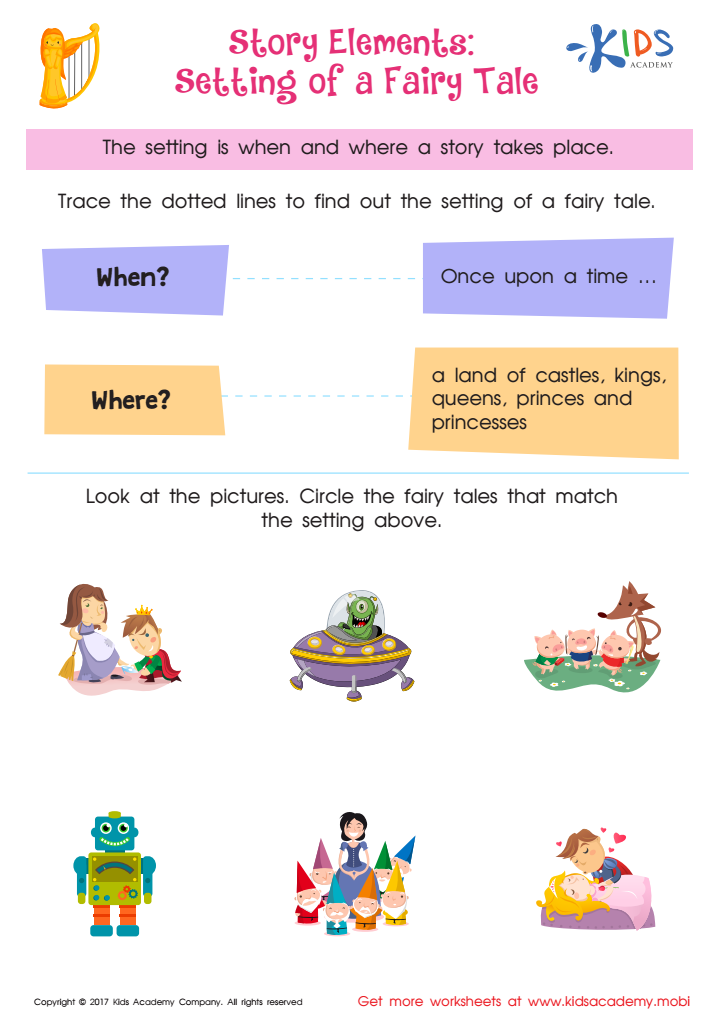
Story Elements: Setting of a Fairy Tale Printable
Help your child learn to analyze stories starting with setting. Use Story Elements worksheet to break down setting into two parts. This will help your child recognize setting quickly and understand its importance in the plot.
Story Elements: Setting of a Fairy Tale Printable
Worksheet
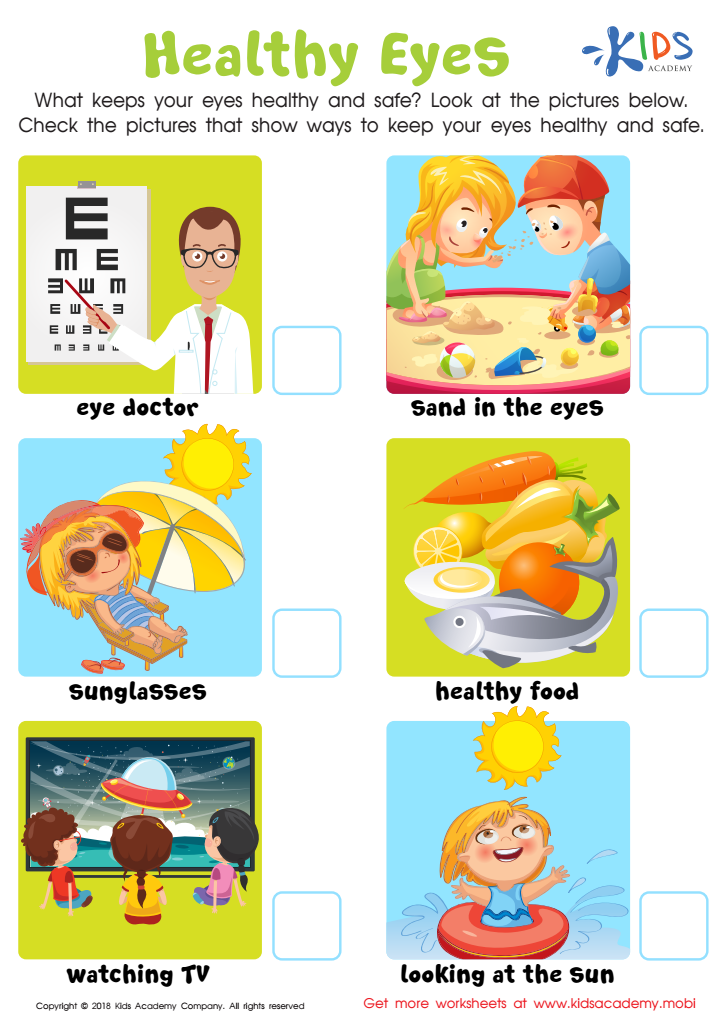
Healthy Eyes Worksheet
Does your child know how to care for their eyes? Help them understand with this worksheet. Look through the pictures together and discuss the different ways to keep the eyes healthy and safe. These include visits to the doctor, wearing sunglasses, and eating healthy food.
Healthy Eyes Worksheet
Worksheet
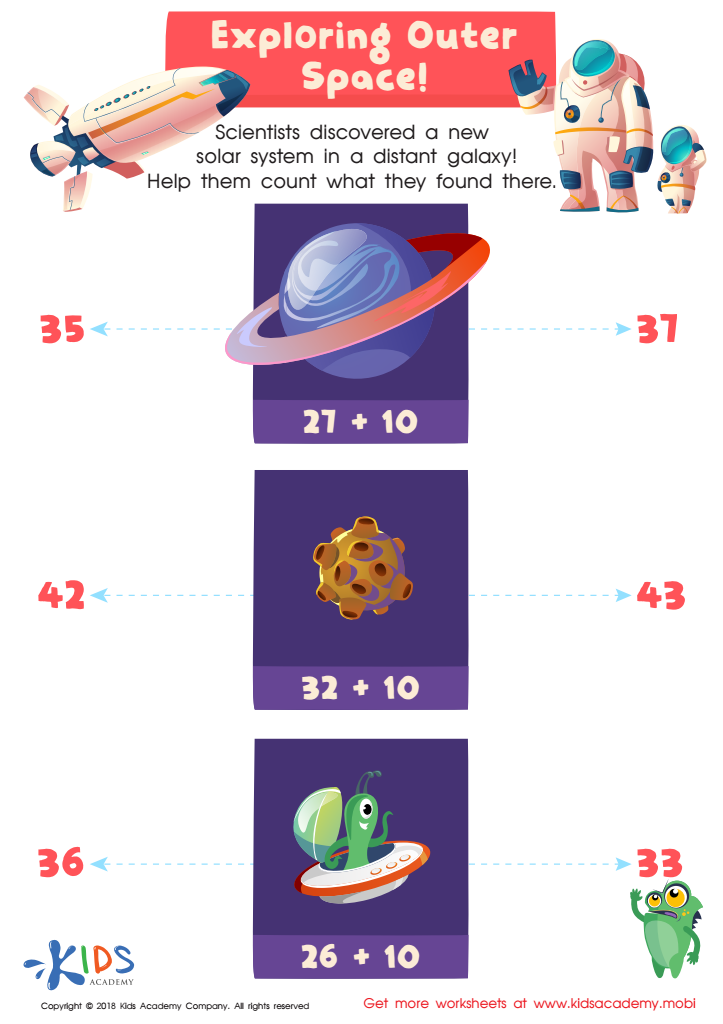
Exploring Outer Space Worksheet
Outer space is an intriguing world. Physics behave differently than on Earth, and much remains to be uncovered. In this worksheet, scientists have located a new solar system in a distant galaxy. Explain to your kids what these two things are, then have them help count the findings. Solve the math problems, then link the lines to the right answer.
Exploring Outer Space Worksheet
Worksheet
Join Kids Academy for Free
Who is primarily going to use this learning content?






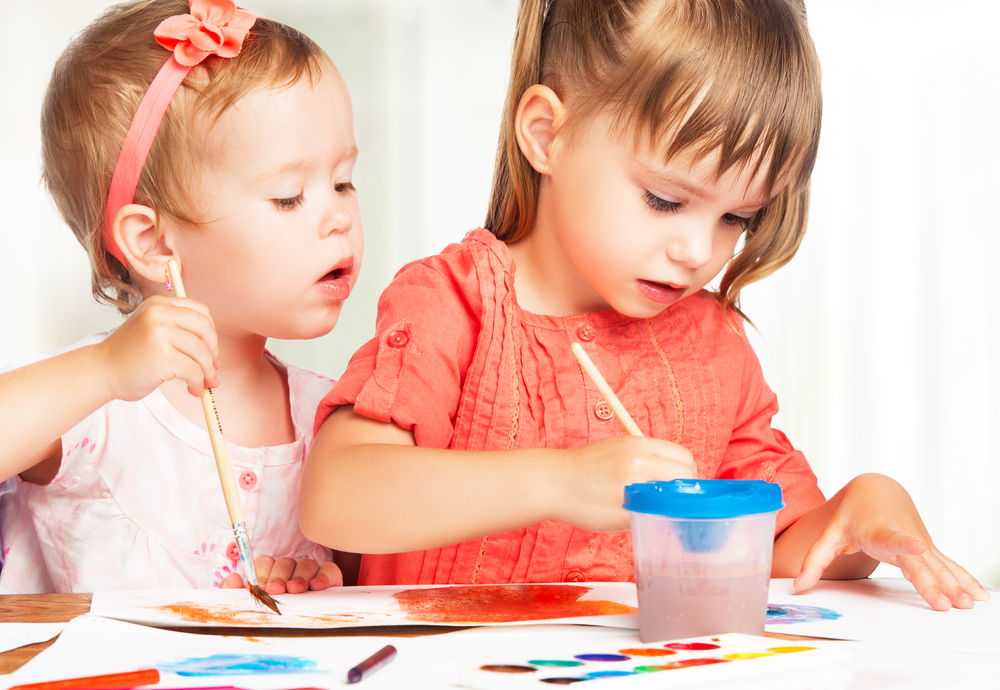
Critical thinking skills are essential for six-year-olds, as they form the foundation for lifelong learning and problem-solving. At this age, children are naturally curious and begin to make sense of the world around them. By fostering critical thinking, parents and teachers can help children learn to ask questions, analyze information, and evaluate situations. These skills encourage independent thinking, enabling young learners to express their ideas and opinions while considering different perspectives.
Moreover, teaching critical thinking at this stage can bolster a child's confidence and creativity. As children engage in discussions and activities that require them to think critically, they are better prepared to navigate challenges and make informed decisions. In a rapidly changing world, these skills are vital for adapting to new situations and learning from experiences.
Additionally, critical thinking lays the groundwork for academic success. It enhances comprehension across subjects, as children develop the ability to assess information and apply it effectively. Overall, nurturing critical thinking in young learners is an investment in their future, equipping them with the essential tools to thrive both in school and in life. Parents and teachers play a crucial role in this development, shaping thoughtful, resilient individuals who will contribute positively to society.








