Letter recognition Normal Worksheets for 6-Year-Olds - Page 3
55 filtered results
-
From - To
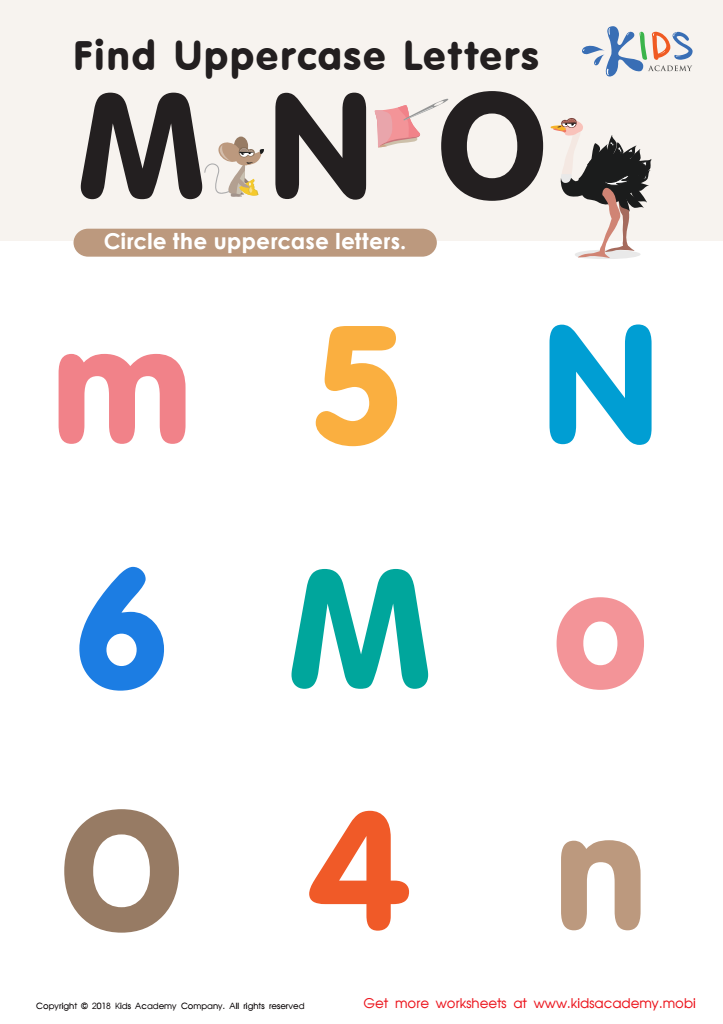
Find Uppercase Letters M, N, and O Worksheet
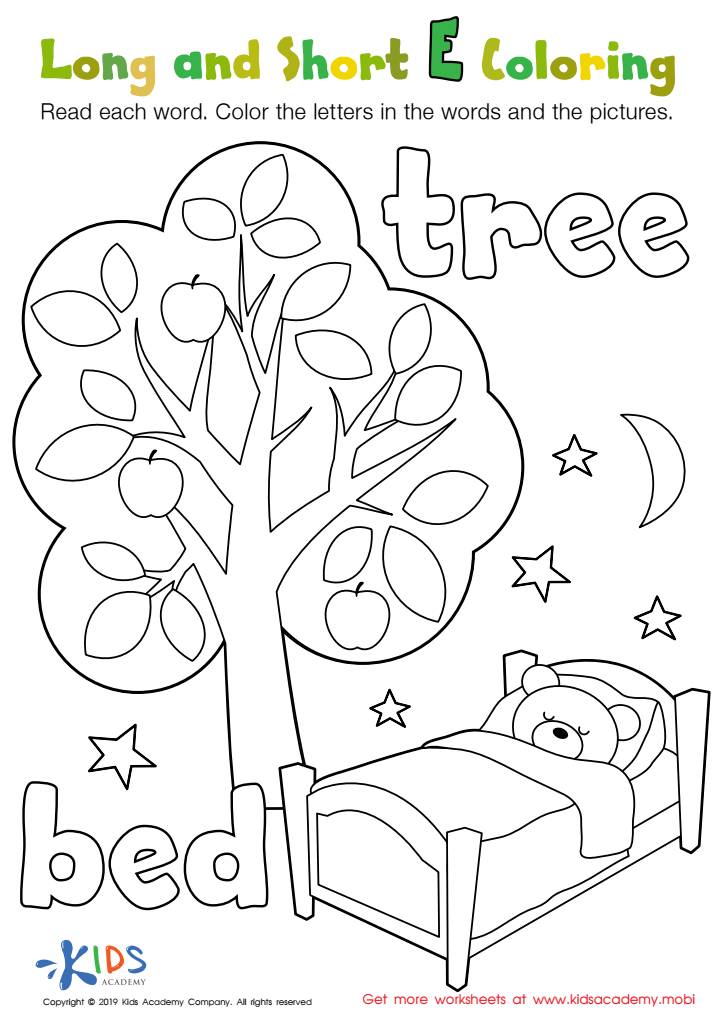
Long and Short E Worksheet
 Assign to My Students
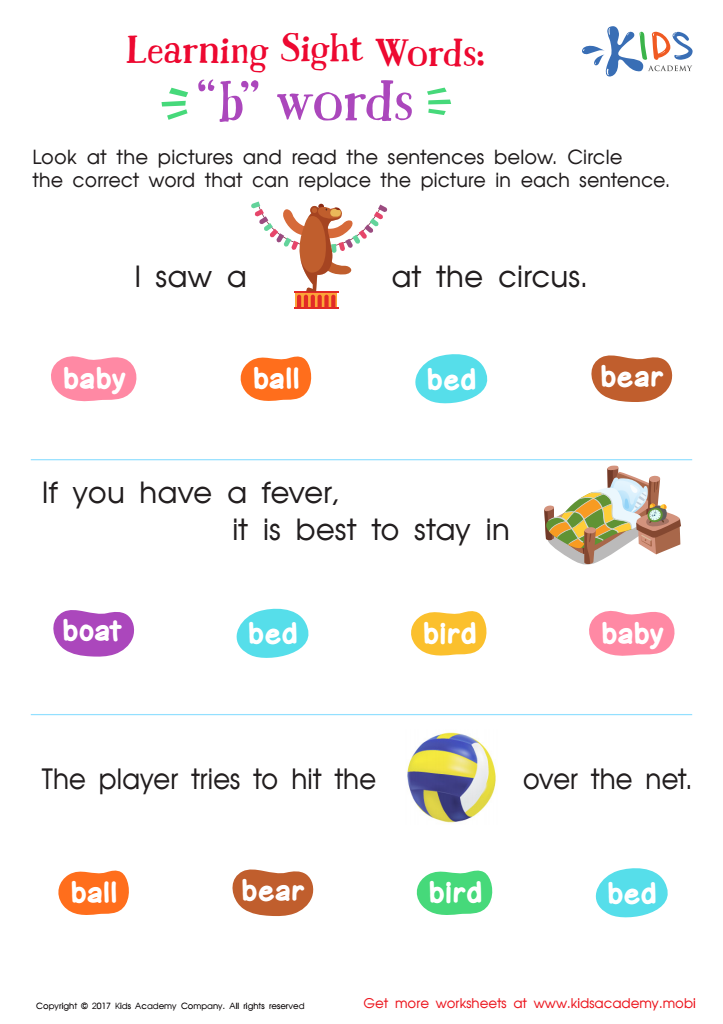
"B" Words Printable Sight Words Worksheet
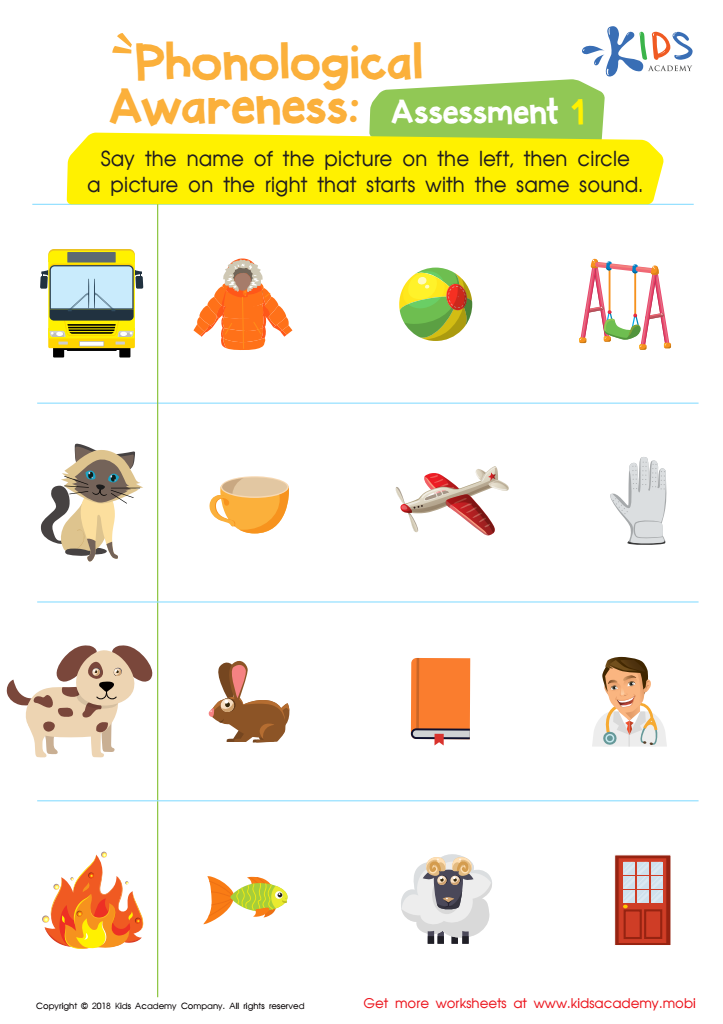
Phonological Awareness: Assessment 1 Worksheet
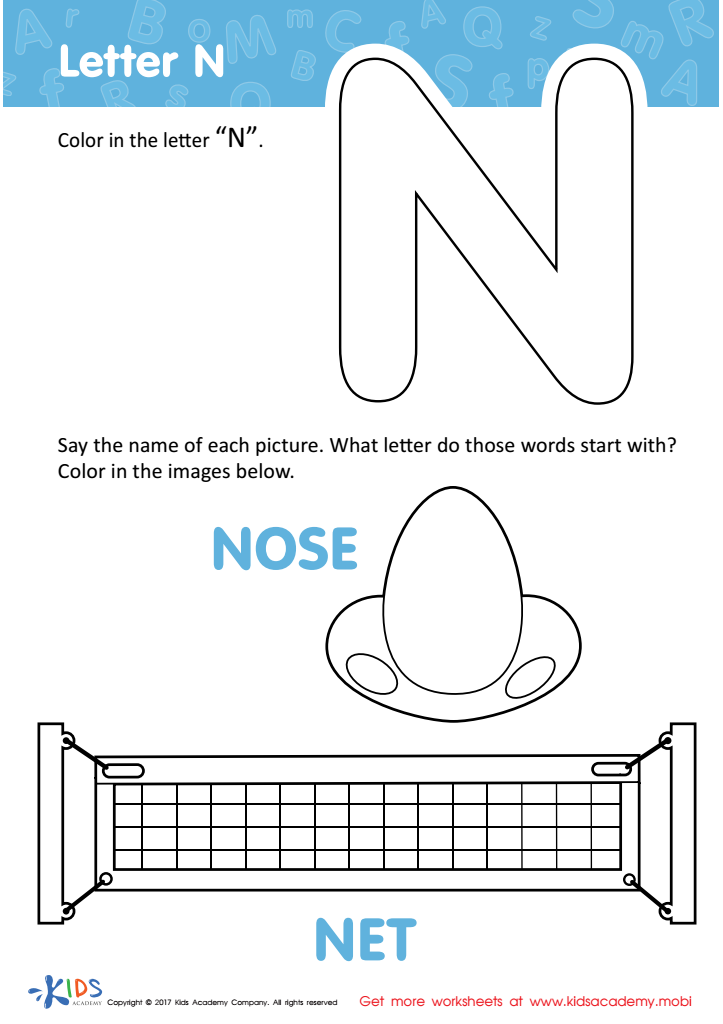
Letter N Coloring Sheet
Assign to My Students

Letter D Tracing Page
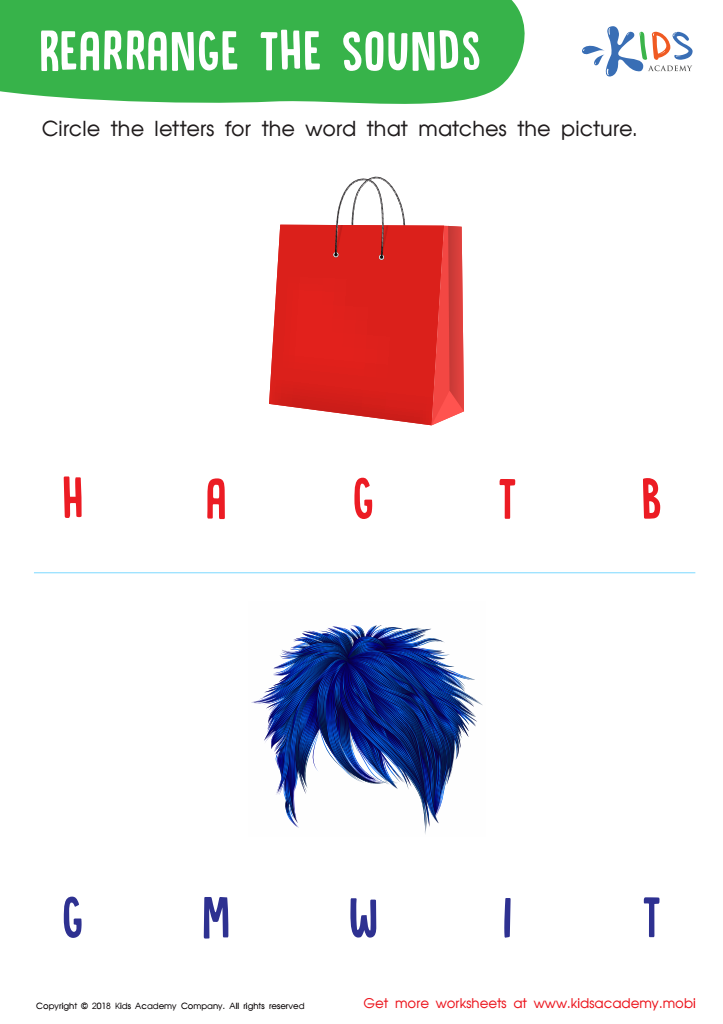
Rearrange the Sounds Worksheet








Parents and teachers should care about letter recognition in 6-year-olds because it forms the foundation of literacy, a critical skill for academic success and lifelong learning. By age six, children are typically in or entering first grade, where they begin to transition from recognizing letters to developing more complex reading skills. Early letter recognition helps children understand the alphabetic principle—the concept that letters represent sounds—which is essential for decoding words and reading fluently.
Strong letter recognition skills can lead to improved spelling, as children can connect letters with the sounds they represent. It also supports better reading comprehension because children can more easily recognize words and focus on understanding the text's meaning rather than struggling with decoding each word. Without this foundational skill, children may face reading difficulties that can impact their confidence, academic performance, and motivation to learn.
Moreover, early mastery of letter recognition can foster a love for reading, exposing children to diverse ideas, cultures, and knowledge. Parents and teachers who invest time in nurturing letter recognition provide children with tools for effective communication, lifelong learning, and adaptability in a rapidly changing world. Thus, prioritizing letter recognition sets children on a path toward educational achievement and personal development.








