Reading fluency Normal Worksheets for 6-Year-Olds
3 filtered results
-
From - To
Our Reading Fluency Normal Worksheets for 6-Year-Olds are designed to help young learners improve their reading skills at an early age. These engaging worksheets focus on building comprehension, expanding vocabulary, and enhancing speed and accuracy. Developed by education experts, they are tailored to meet the learning needs of first graders, providing varied and interactive activities from basic sentence reading to short story analysis. Perfect for classroom use or at-home practice, our worksheets make reading fun and accessible, setting the foundation for lifelong literacy success. Transform your child's reading abilities with our expertly crafted resources.
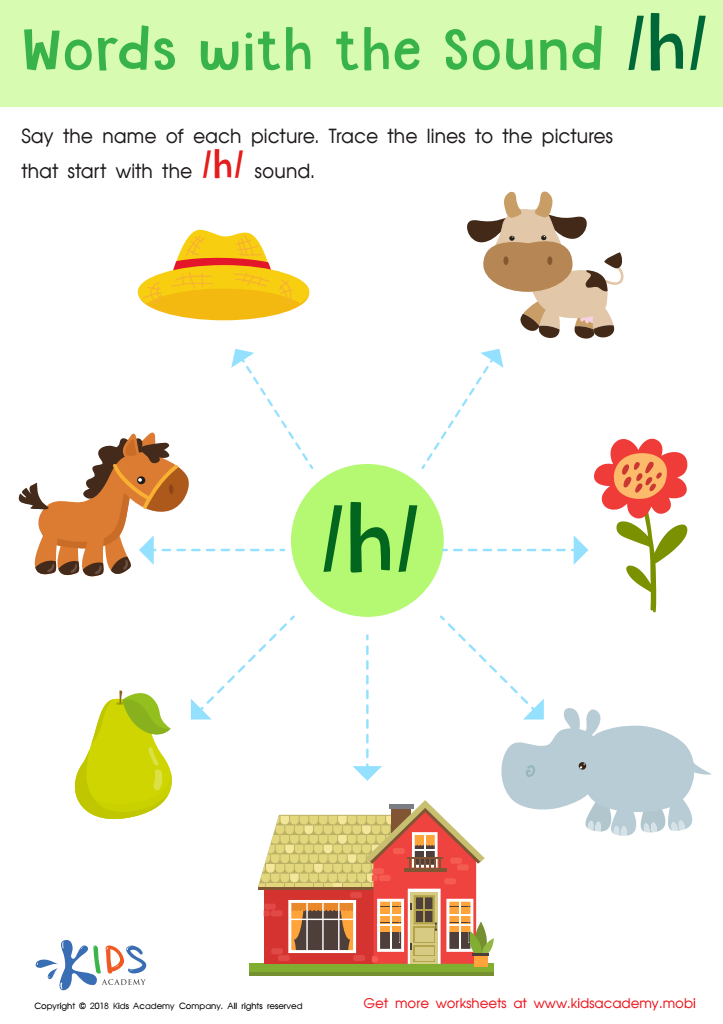
Words with sound h Reading Worksheet
 Assign to My Students
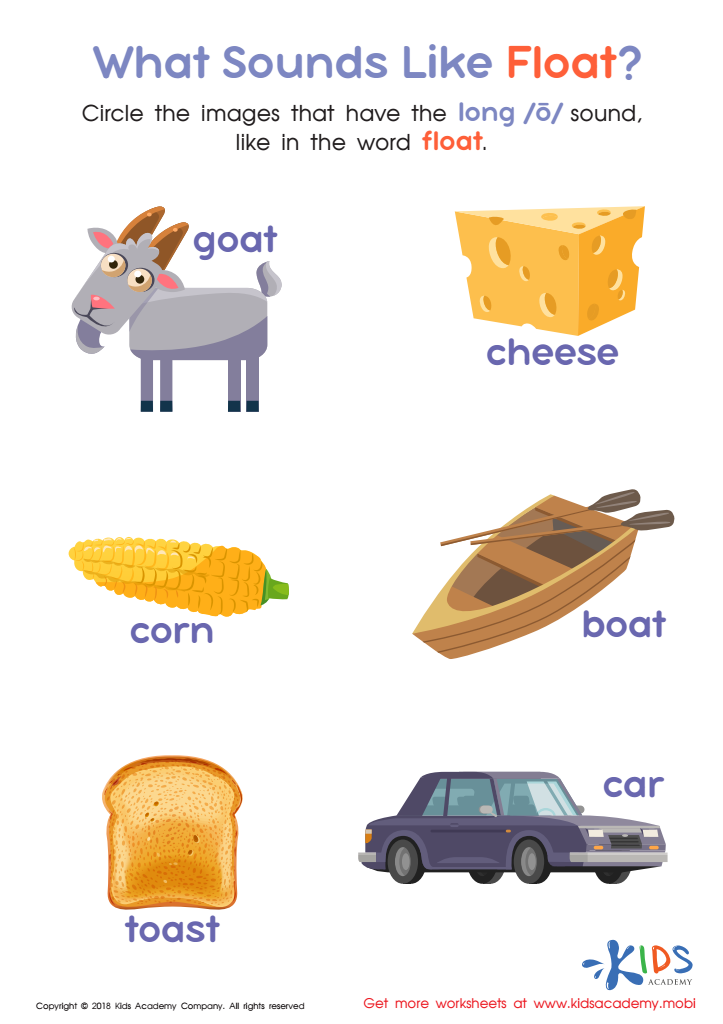
What Sounds Like Float? Worksheet
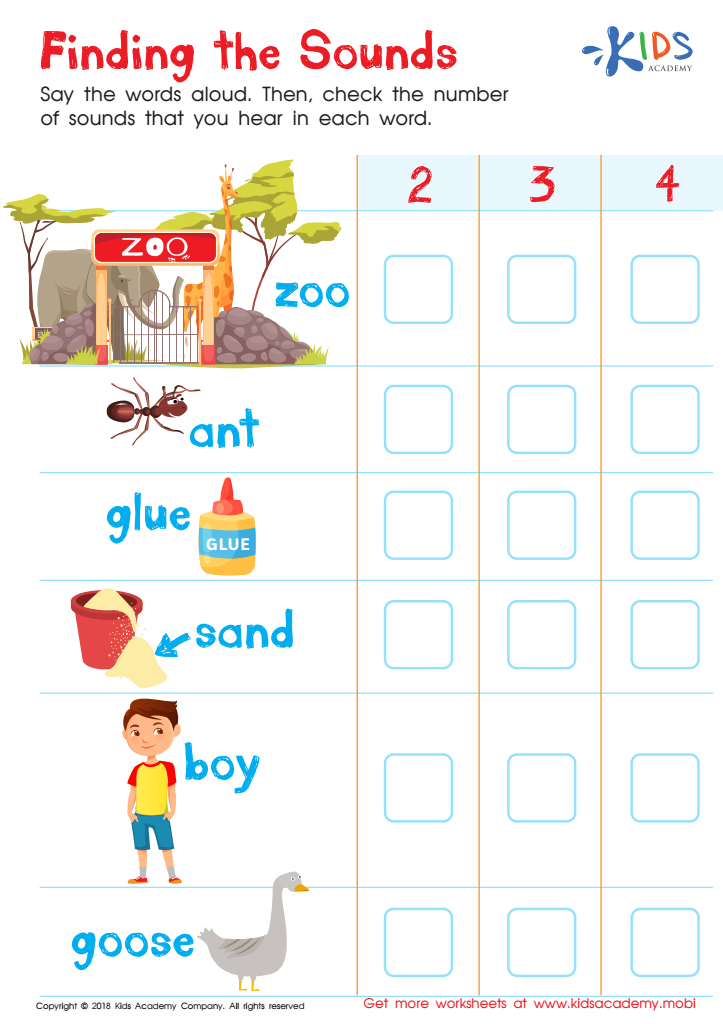
Finding the Sounds Worksheet








Reading fluency is essential for 6-year-olds because it serves as the foundation for future academic success and overall language development. Fluency involves not just the ability to read aloud smoothly and accurately, but also with proper expression and comprehension. For parents and teachers, fostering reading fluency at this age is critical for several reasons.
Firstly, fluency allows children to transition from decoding words to understanding larger ideas within the text, which is crucial for overall comprehension. When children can read fluently, they are more likely to enjoy the learning process and develop a lifelong love for reading.
Secondly, fluent readers are better able to keep up with their academic peers, reducing the risk of falling behind in other subjects. Many educational curricula assume a certain level of reading proficiency for understanding instructions and solving problems across different subjects such as math, science, and social studies.
Finally, reading fluency cultivates confidence, boosting children’s self-esteem both inside and outside the classroom. Confident readers are more likely to participate in class, articulate their thoughts, and engage in discussions, fostering a positive learning environment.
In summary, focusing on reading fluency for 6-year-olds is vital for their cognitive development, academic achievement, and emotional well-being, making it a primary concern for any parent or teacher.








