Understanding directions Normal Worksheets for 6-Year-Olds
7 filtered results
-
From - To
Explore our "Understanding Directions Normal Worksheets" designed specifically for 6-year-olds! These engaging worksheets help young learners develop essential skills in following and interpreting directions. Focused on enhancing their comprehension and critical thinking abilities, our activities encourage children to practice identifying directions like left, right, above, below, and more in fun, interactive ways. Each worksheet is crafted to challenge your child's understanding while ensuring they remain excited about learning. Perfect for classroom use or at-home practice, these worksheets support early childhood education and provide a solid foundation for future academic success. Start your child's journey towards directional awareness today!
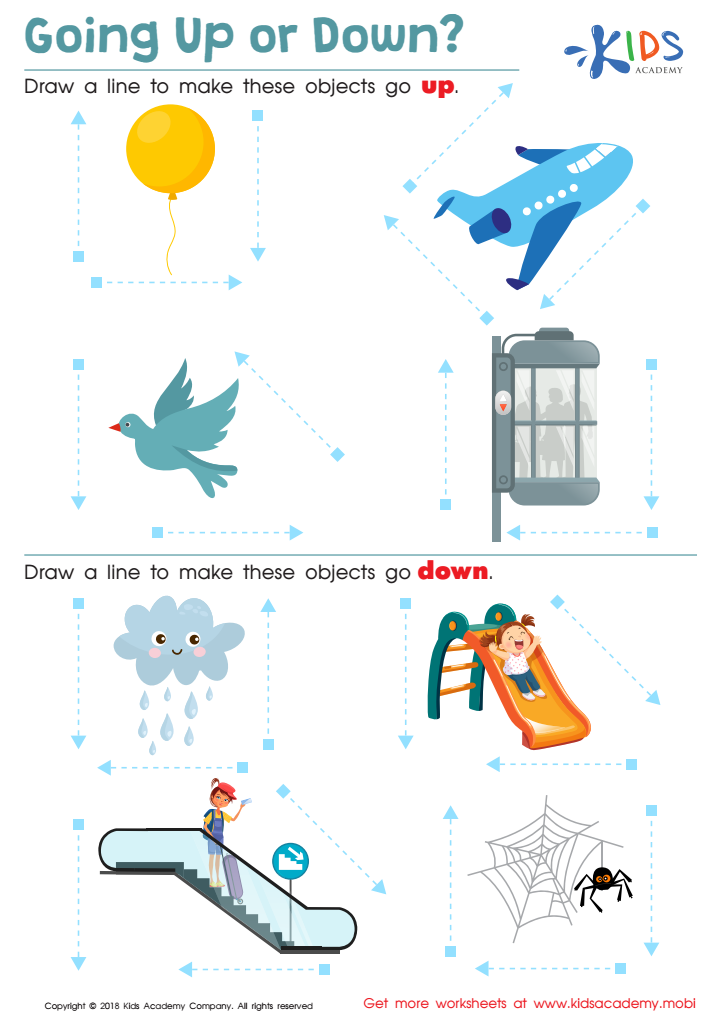
Going up or Down? Worksheet
 Assign to My Students
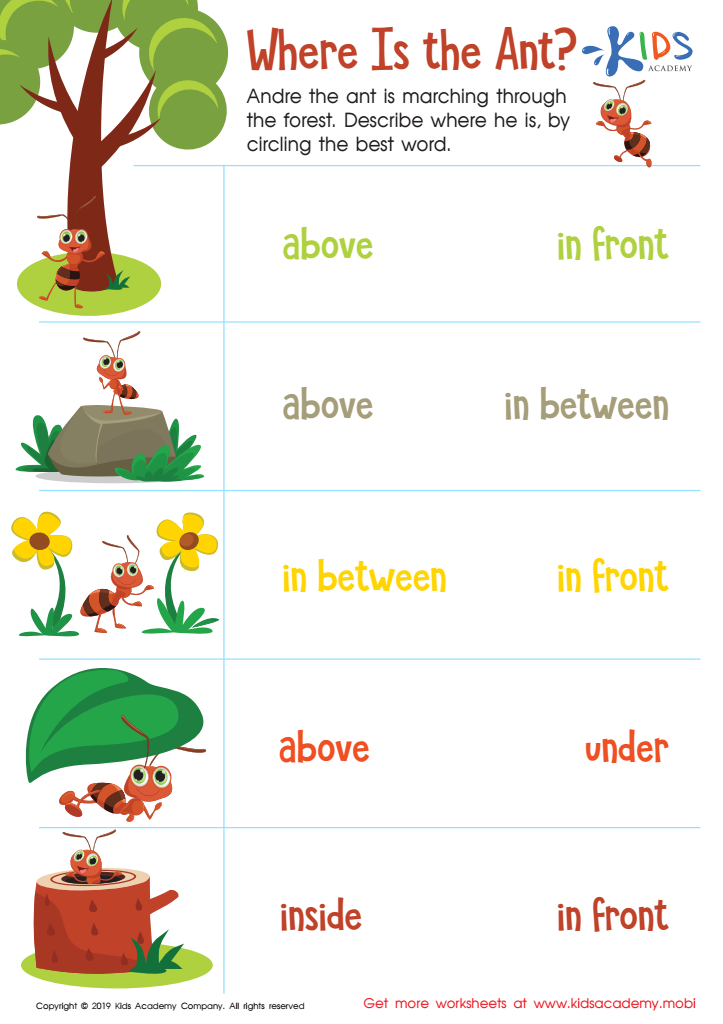
Where Is the Ant? Worksheet
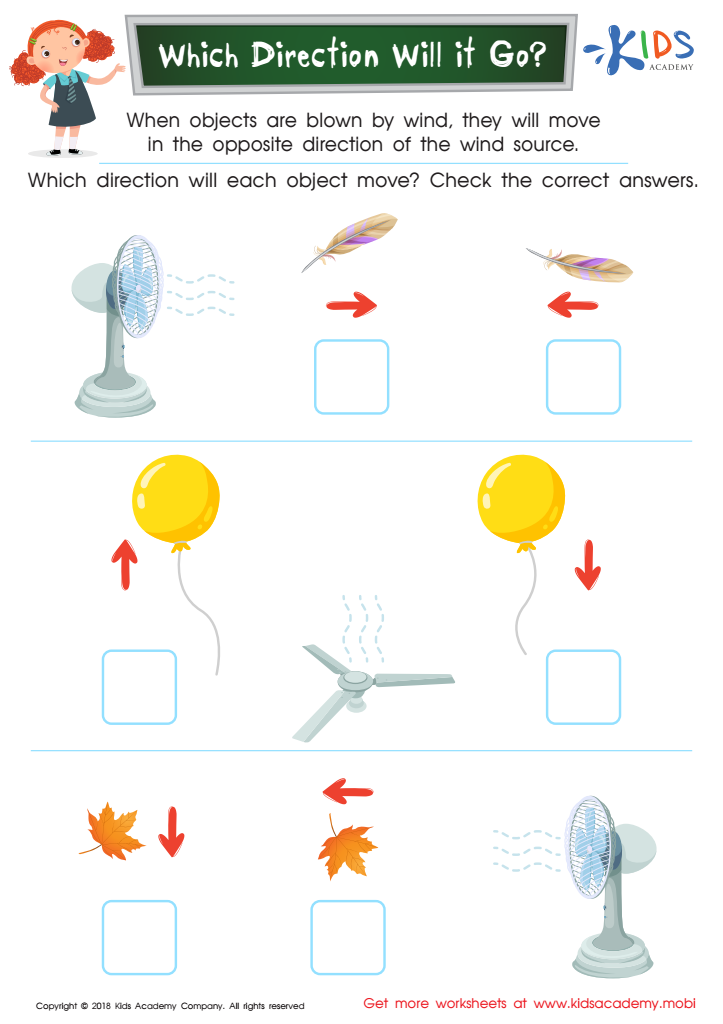
Which Direction Will it Go? Worksheet
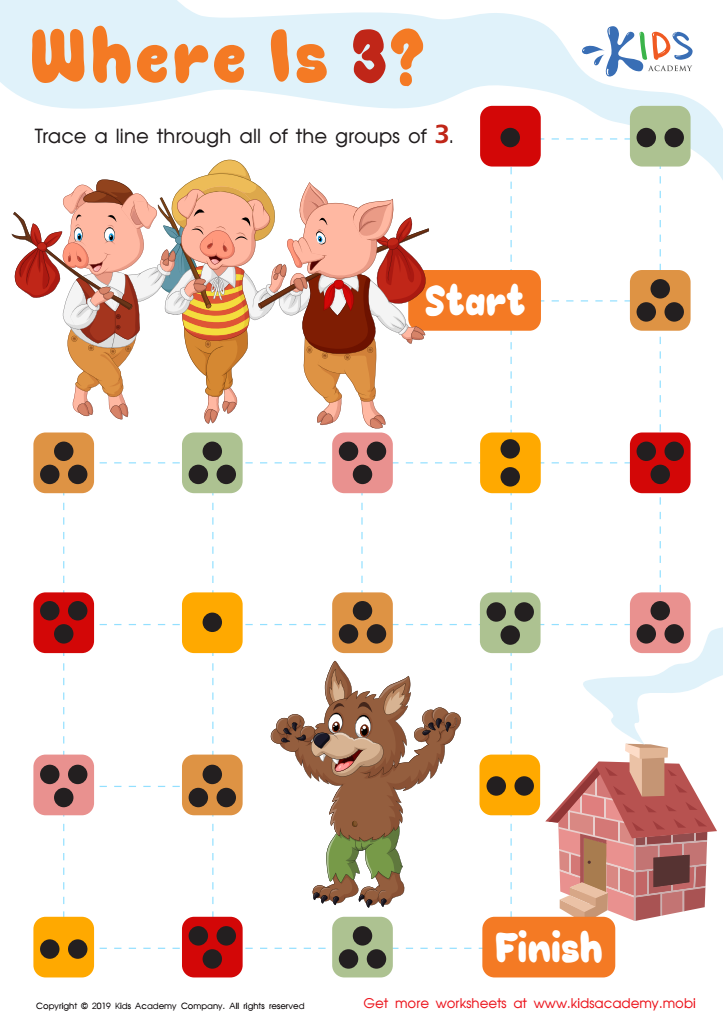
Where Is 3? Worksheet
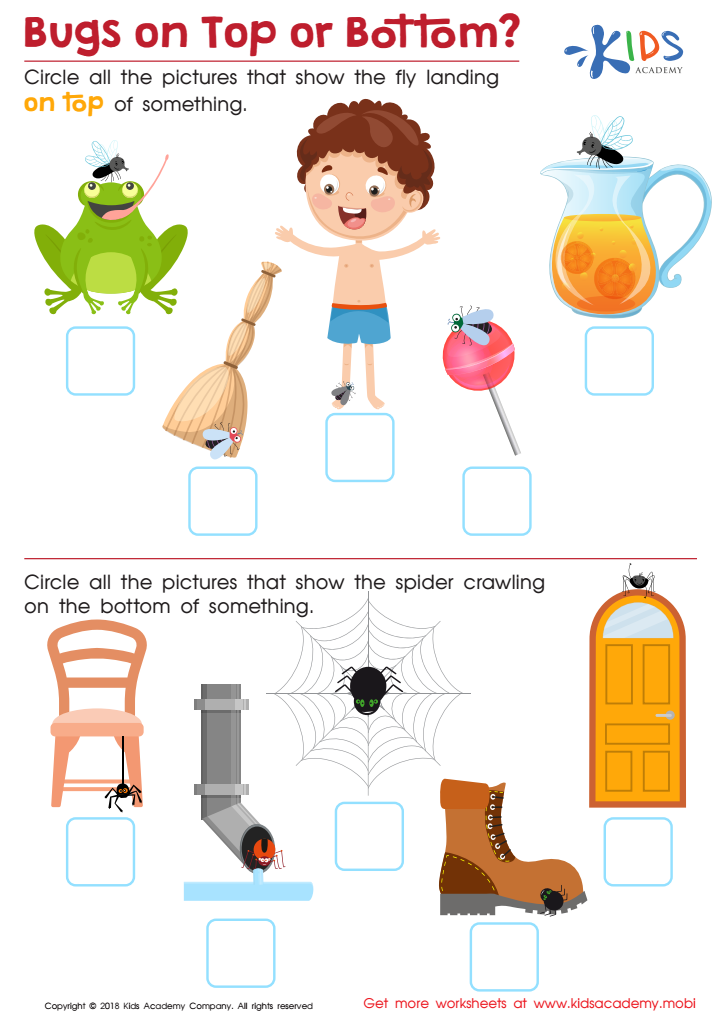
Bugs on Top or Bottom? Worksheet
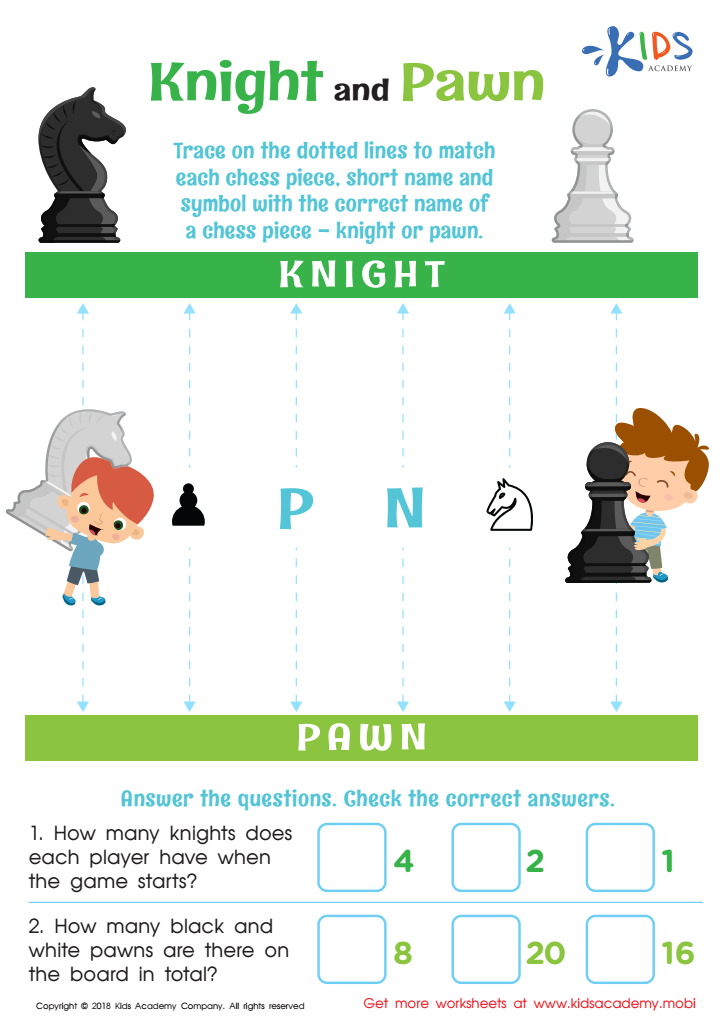
Knight and Pawn Worksheet
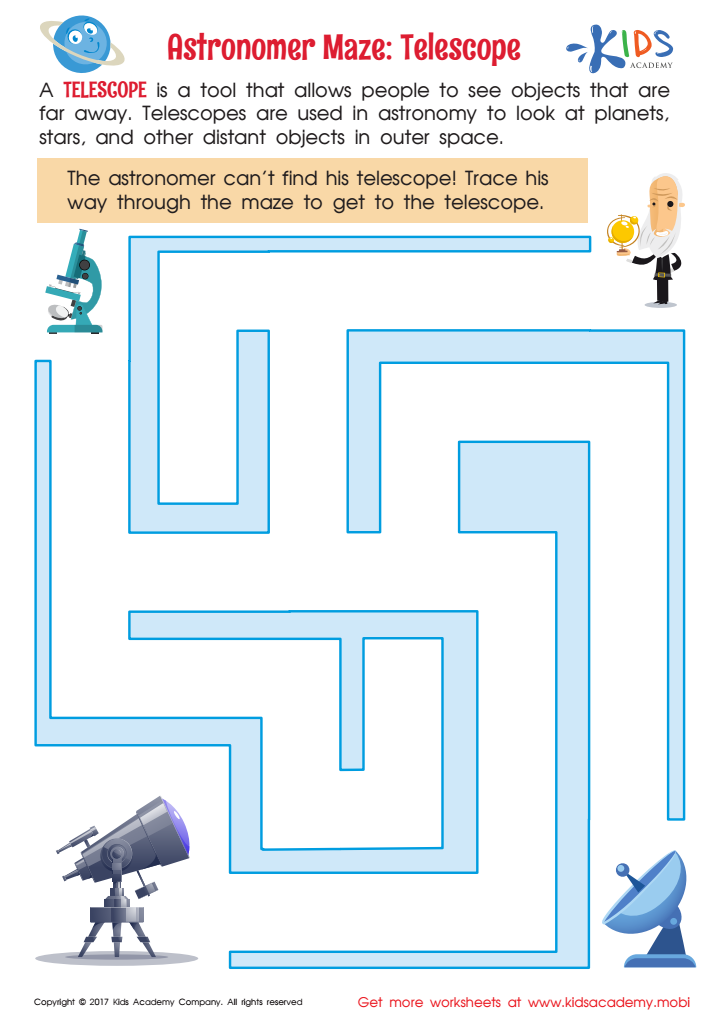
Astronomer Maze: Telescope Worksheet








Understanding directions is crucial for 6-year-olds as it directly impacts their ability to navigate both academic and social environments. At this age, children are developing essential cognitive skills, and comprehending directions plays a vital role in their overall learning process. When children can accurately follow verbal or written instructions, they become more independent and confident in completing tasks, whether it’s in the classroom or at home.
For parents and teachers, fostering this skill means ensuring that children can participate effectively in group activities, understand the expectations for assignments, and engage with their peers constructively. Following directions enhances problem-solving abilities and lays the foundation for future learning. It helps children decipher what is expected of them in various situations—be it in educational settings, sports, or everyday routines.
Moreover, understanding directions can promote accountability, as children learn to take responsibility for their actions based on what they have been instructed to do. This leads to better decision-making and interpersonal skills as they interact with adults and peers. Therefore, both parents and teachers should prioritize teaching and reinforcing the importance of comprehension in following directions to support holistic development in 6-year-olds. This investment will ultimately help shape competent, self-reliant individuals.








