Problem-solving abilities Normal Addition & Subtraction Worksheets for 6-Year-Olds
9 filtered results
-
From - To
Boost your child's problem-solving skills with our engaging Normal Addition & Subtraction Worksheets designed specifically for 6-year-olds. These worksheets offer fun, age-appropriate exercises that challenge young learners to develop critical thinking and mathematical reasoning through simple addition and subtraction problems. Each worksheet encourages children to apply their knowledge in real-world scenarios, enhancing both their problem-solving abilities and confidence in math. With colorful visuals and interactive tasks, these resources make learning enjoyable while building foundational math skills essential for future success. Perfect for classroom use or at-home practice, our worksheets are a valuable tool for nurturing your child's love for learning!
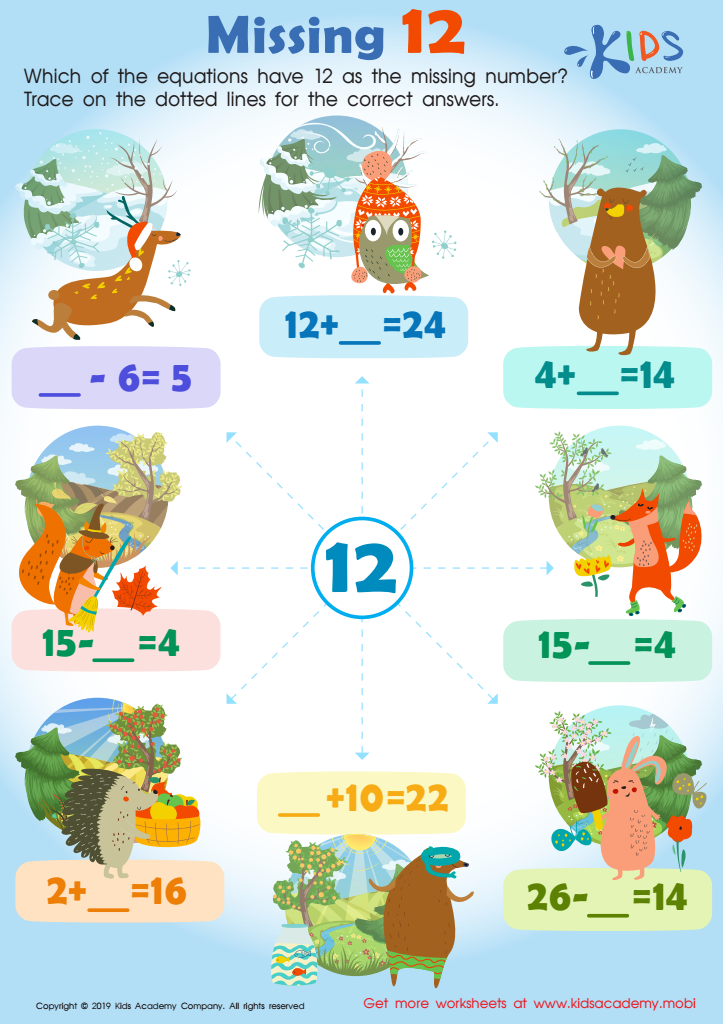
Missing 12 Worksheet
 Assign to My Students
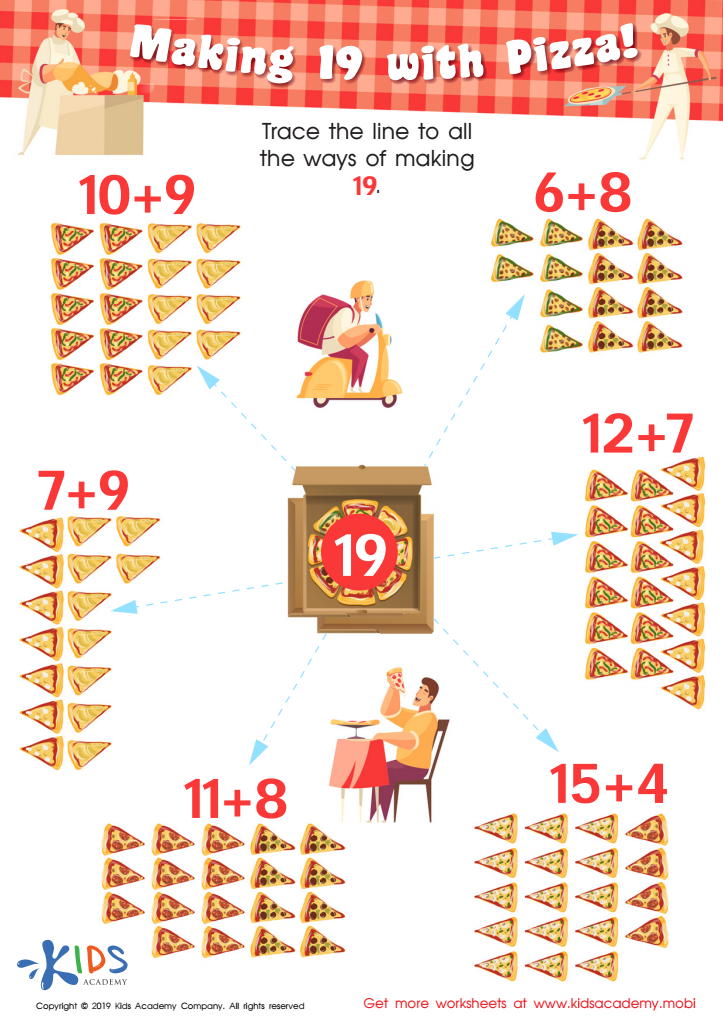
Making 19 with Pizza! Worksheet
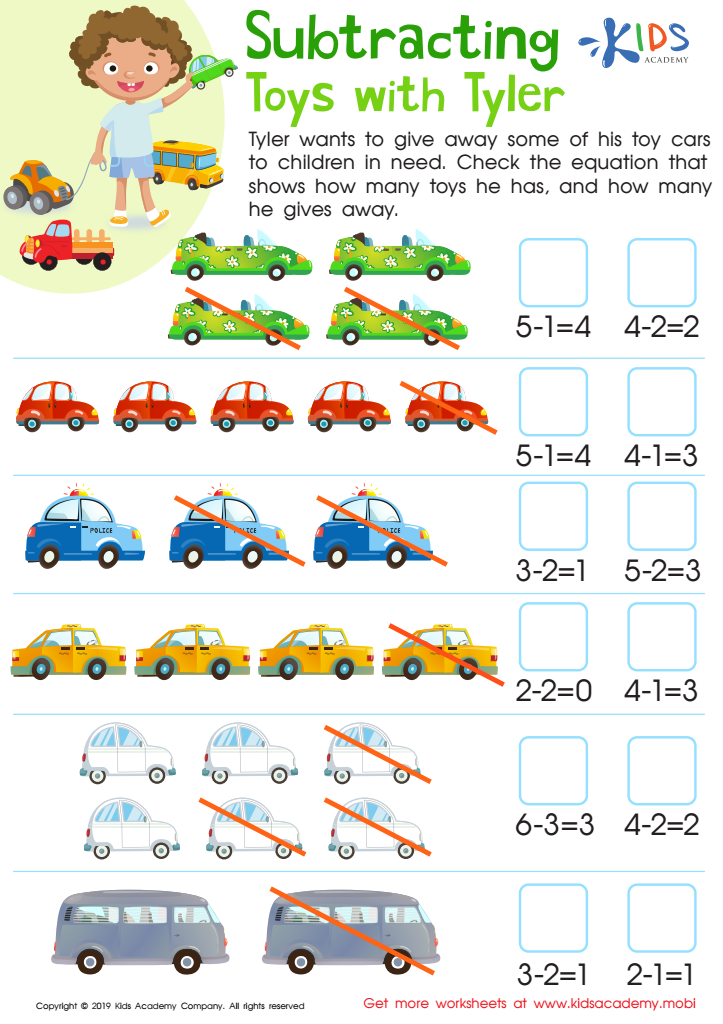
Subtracting Toys with Tyler Worksheet

Adding at the Hospital Worksheet
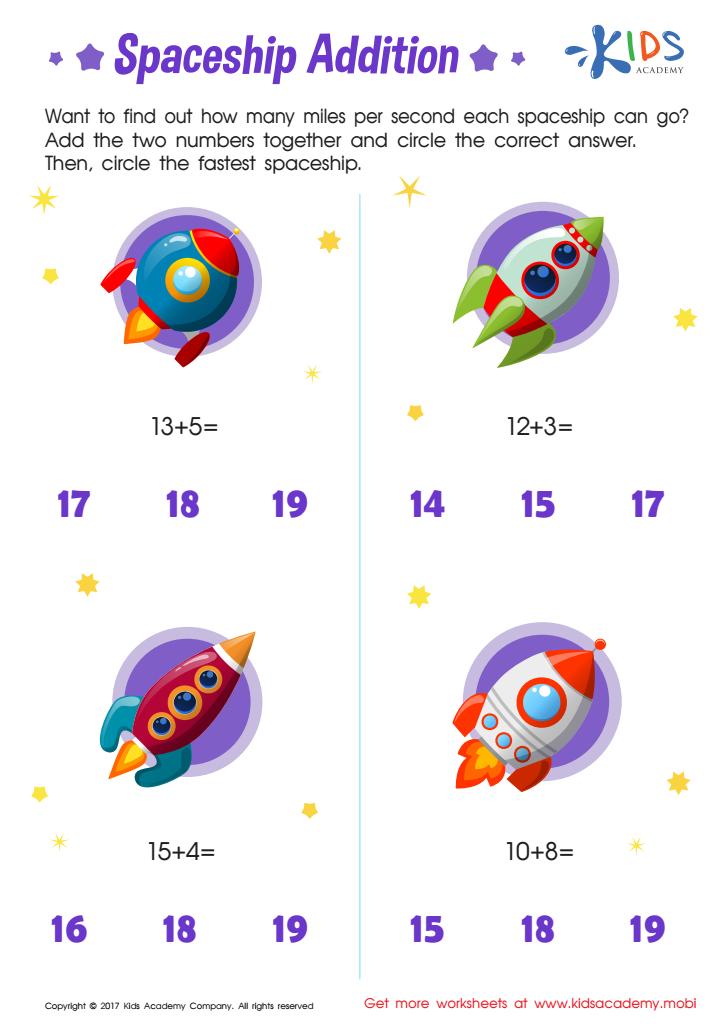
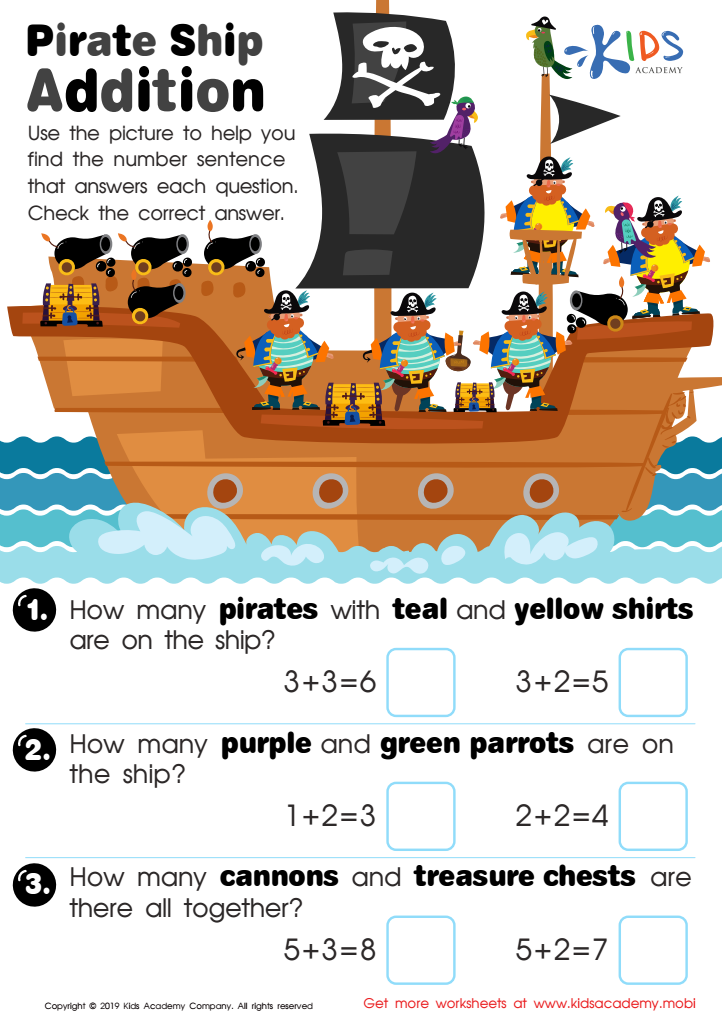
Pirate Ship Addition Worksheet
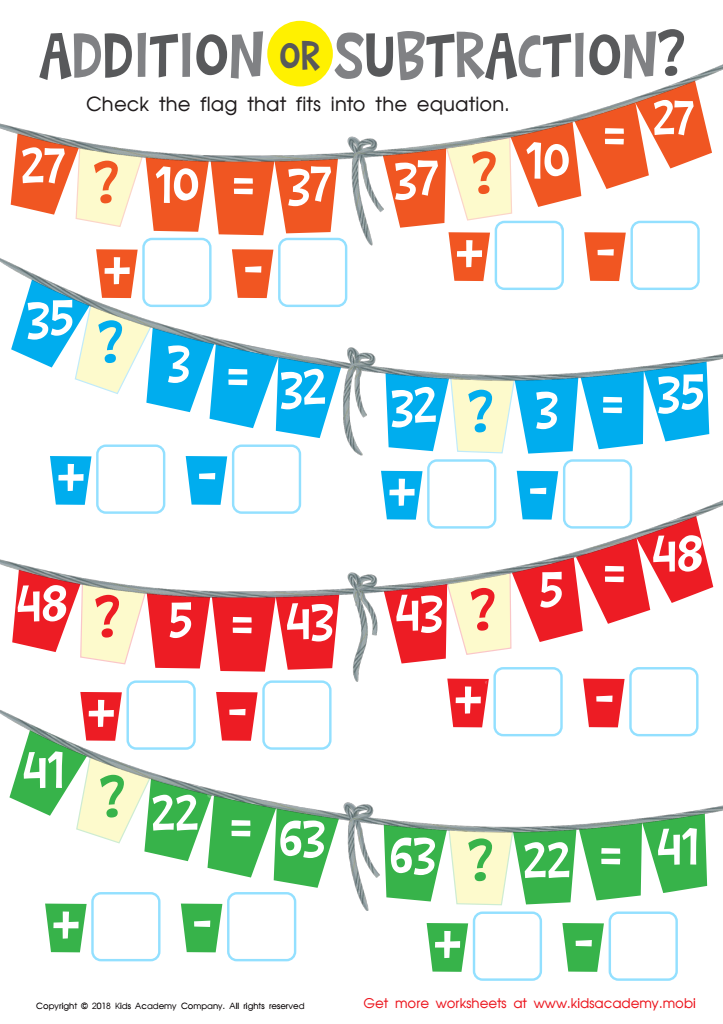
Addition or Subtraction? Worksheet
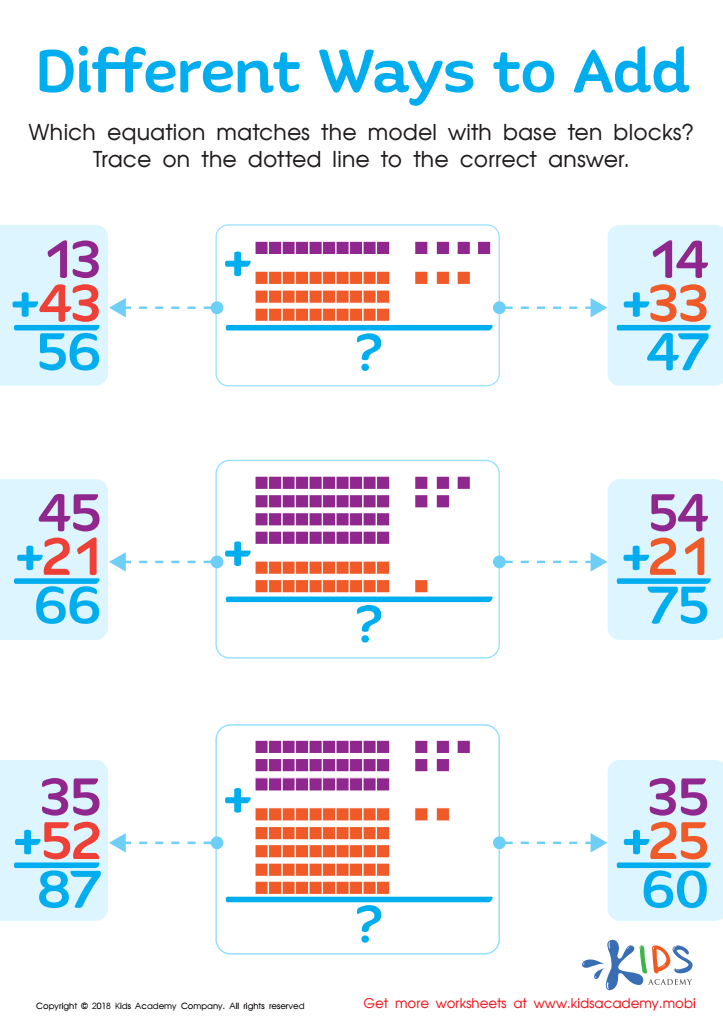
Different Ways to Add Worksheet
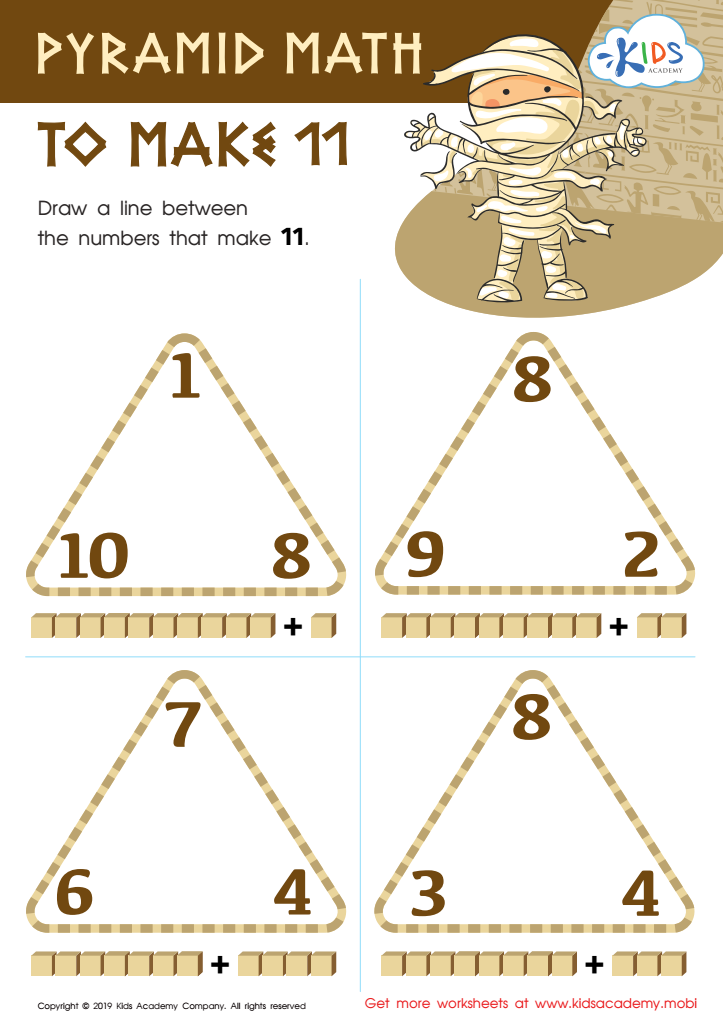
Pyramid Math to Make 11 Worksheet








Parents and teachers should prioritize developing problem-solving abilities in normal addition and subtraction for six-year-olds because these skills form the foundation of future mathematical understanding. Mastering basic arithmetic helps children develop critical thinking skills, allowing them to approach various challenges systematically, a skill applicable beyond math. When kids learn to solve problems, they also enhance their analytical skills, boosting their confidence as they encounter increasingly complex concepts in school.
Additionally, early mastery of addition and subtraction lays the groundwork for more advanced topics like multiplication, division, and fractions. It nurtures a growth mindset, as children learn to persevere through challenges, reinforcing their belief in their abilities. Engaging in problem-solving activities fosters creativity, as kids explore different ways to arrive at the correct answer.
Furthermore, problem-solving is not confined to math; it is vital in daily life—whether budgeting allowance, sharing items fairly, or planning projects. By cultivating these skills early on, parents and teachers help children become competent and confident learners. Investing time in promoting problem-solving abilities today sets the stage for lifelong learning, ensuring children are well-prepared for future academic endeavors and real-world situations.








