Shape identification Normal Geometry Worksheets for 6-Year-Olds
5 filtered results
-
From - To
Discover an engaging collection of Shape Identification worksheets designed specifically for 6-year-olds! Our Normal Geometry Worksheets help young learners develop essential skills while exploring basic geometric shapes such as circles, squares, triangles, and more. Each worksheet encourages children to identify and classify shapes through fun activities that promote creativity and critical thinking. Perfect for classroom use or at-home learning, these printable resources provide a solid foundation in geometry. Foster your child's curiosity and confidence in math with our colorful, easy-to-use worksheets that make shape identification enjoyable and interactive. Start their geometric journey today!
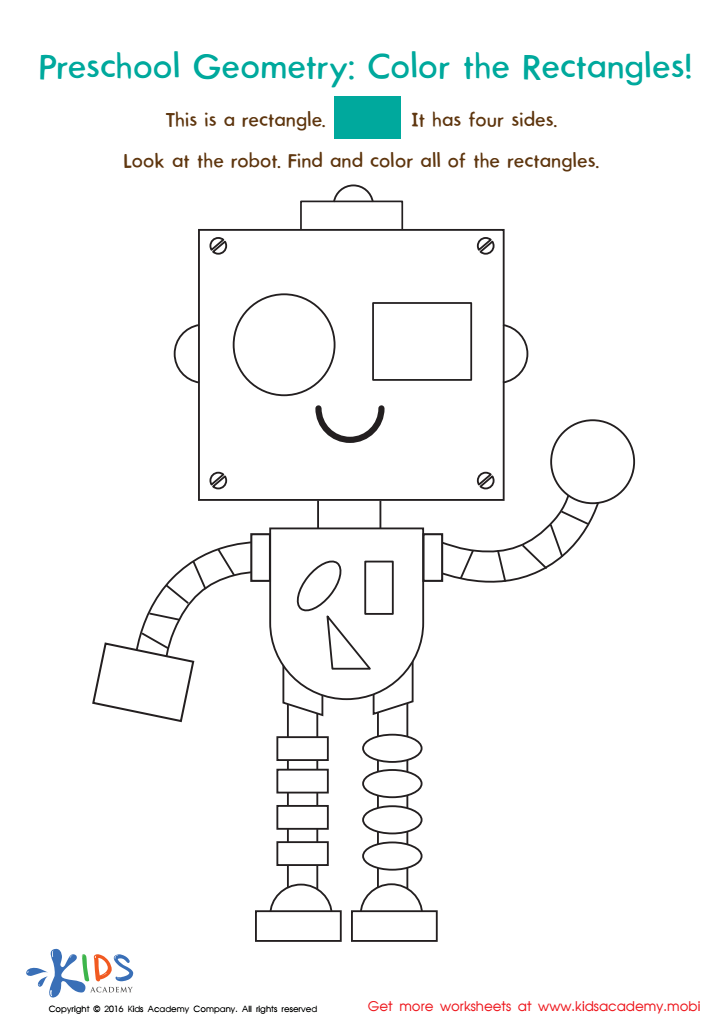
Geometry Worksheet
 Assign to My Students











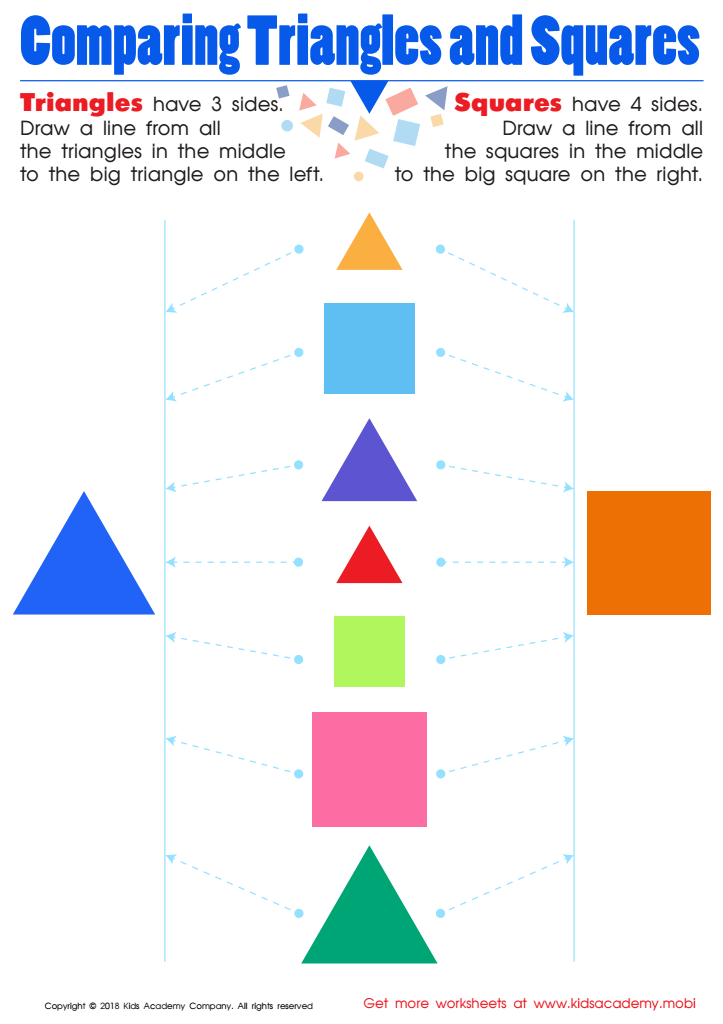
Comparing Triangles Squares Worksheet
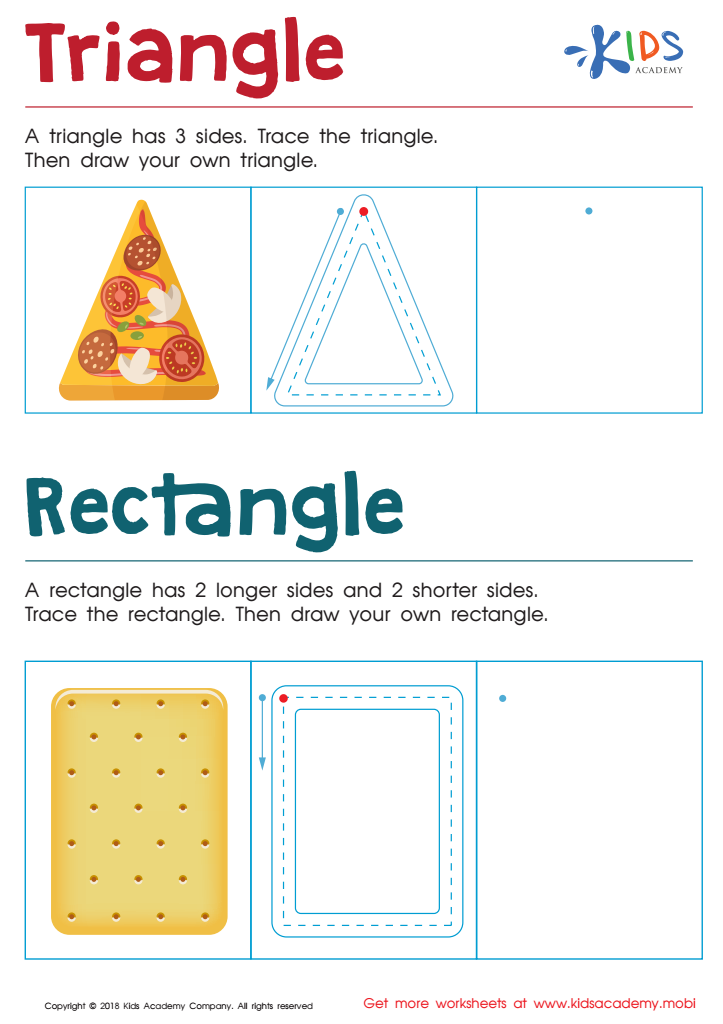
Triangle Rectangle Worksheet
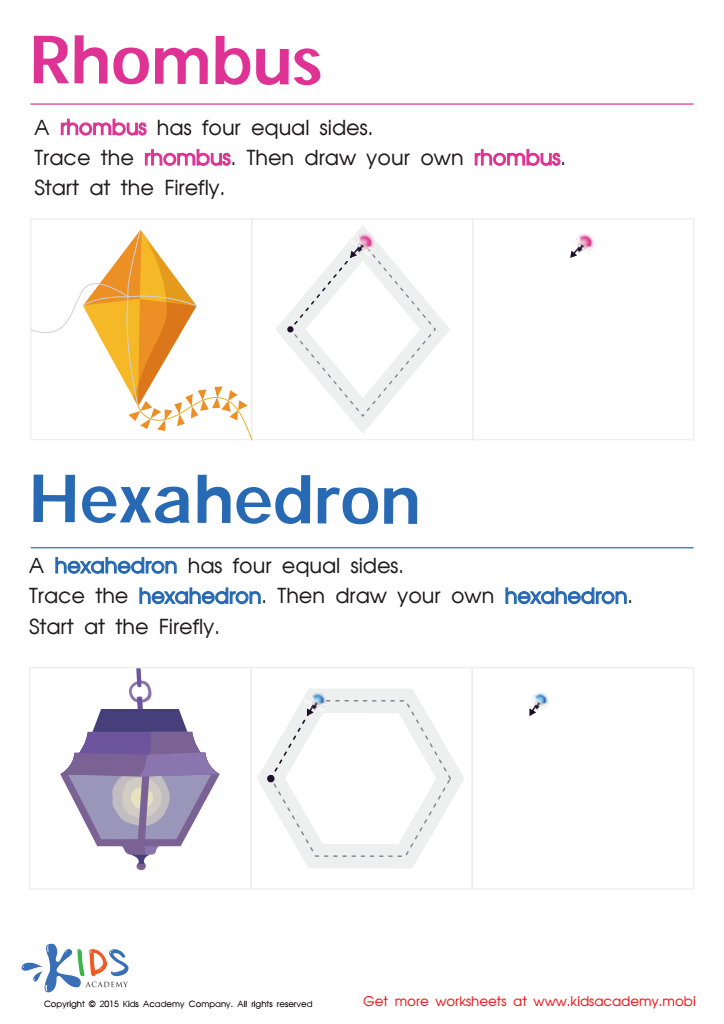
Draw a Rhombus And a Hexahedron Printable
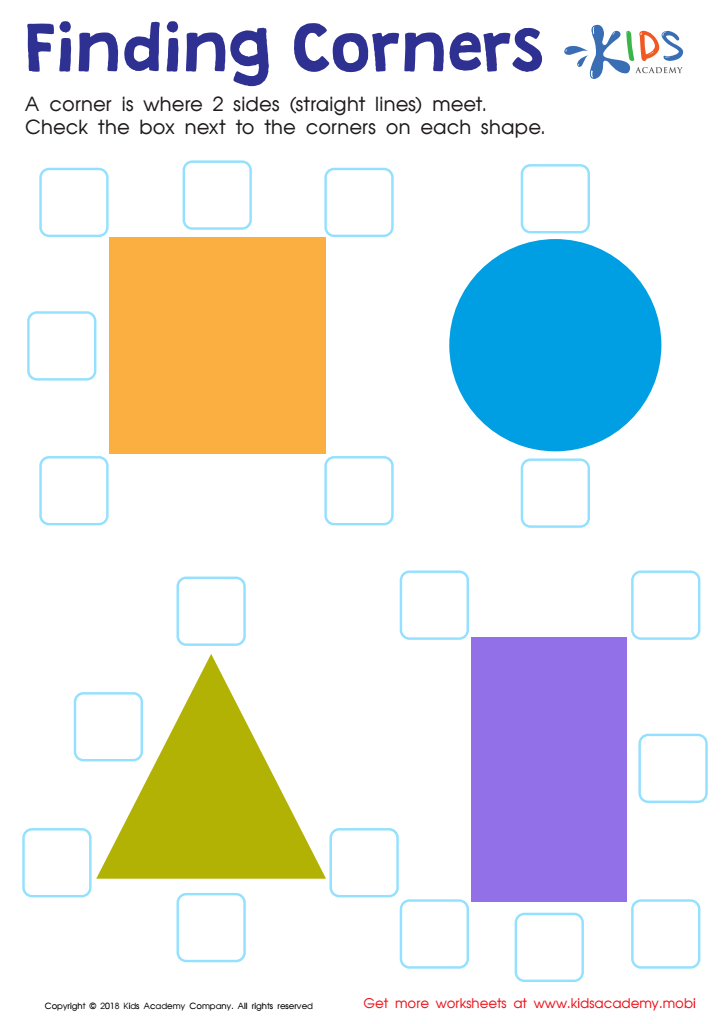
Finding Corners Worksheet








Shape identification through normal geometry is a foundational skill for 6-year-olds that extends beyond mere academic knowledge; it plays a crucial role in their overall cognitive development. Learning to recognize and differentiate shapes helps young children practice critical thinking and problem-solving skills. Geometry introduces concepts like symmetry, patterns, and spatial awareness, which are integral to higher-level mathematics.
Moreover, understanding shapes supports early literacy as children connect new vocabulary with visual representations. This encourages active engagement, boosts self-confidence, and enriches social interactions as they articulate their findings to peers and adults. Shape identification also enhances fine motor skills when children draw, manipulate, or construct shapes, leading to improved coordination.
In daily life, recognizing shapes aids in practical tasks such as organizing objects, navigating spaces, and even understanding everyday items. This real-world applicability fosters enthusiasm for learning and curiosity about the world around them.
Ultimately, shape identification lays a solid foundation for future math concepts, instilling a belief in the power of learning and problem-solving. For parents and teachers, nurturing this fundamental skill is vital for fostering a well-rounded, capable, and confident learner, priming them for future academic and life successes.








