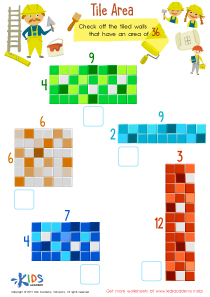
Number Recognition Normal Numbers Worksheets for 6-Year-Olds - Page 4
75 filtered results
-
From - To
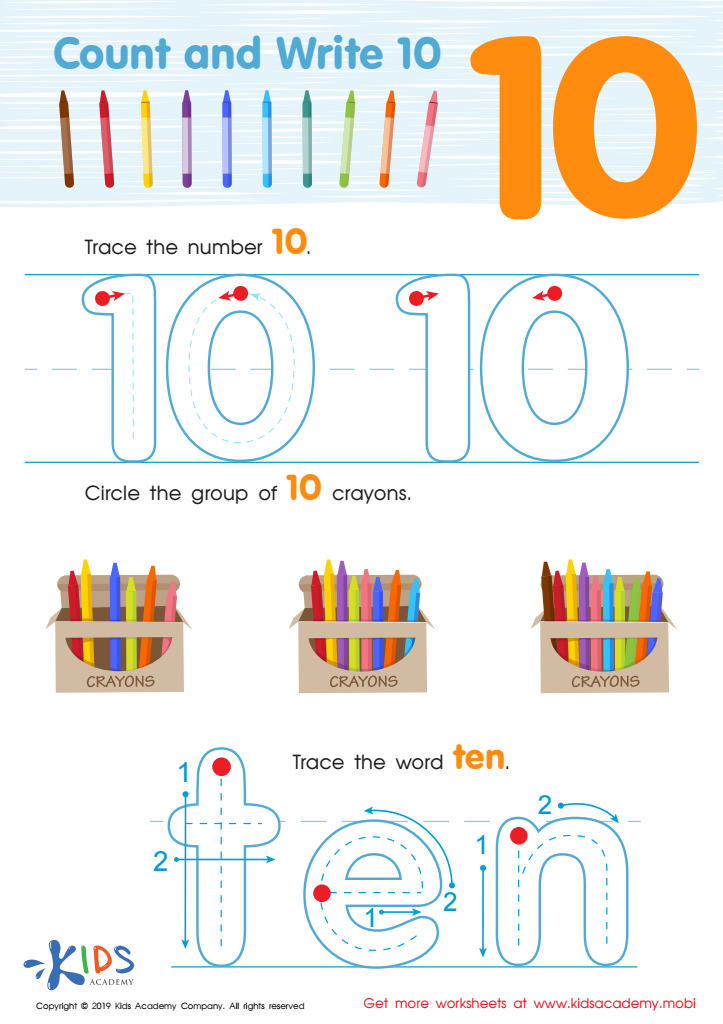
Count and Write 10 Worksheet
 Assign to My Students
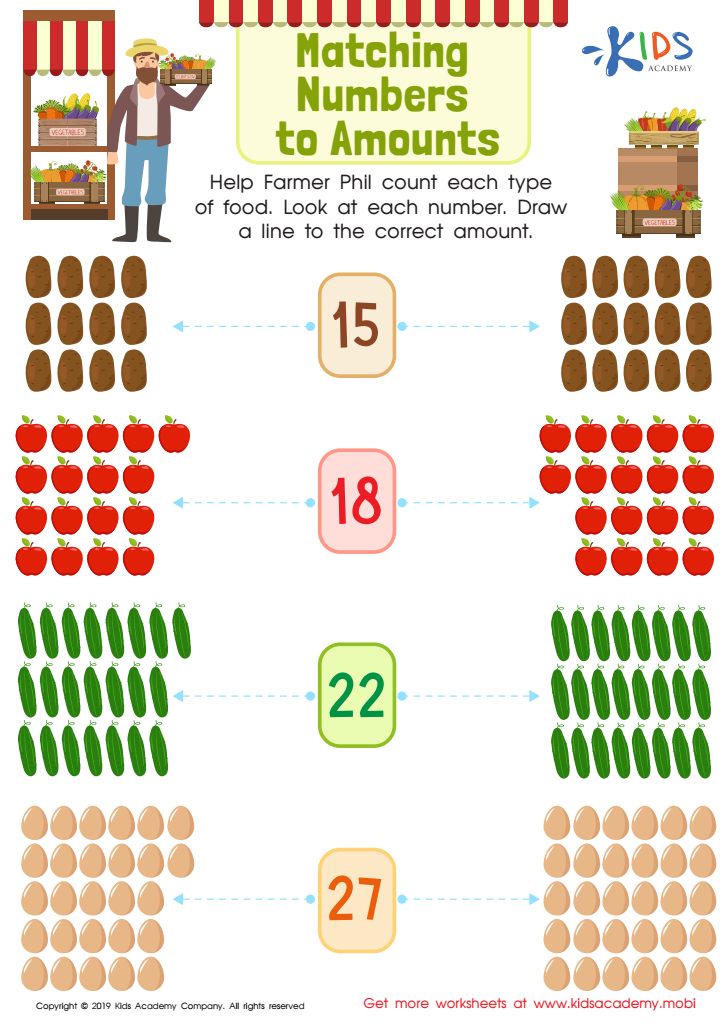
Matching Numbers to Amounts Worksheet
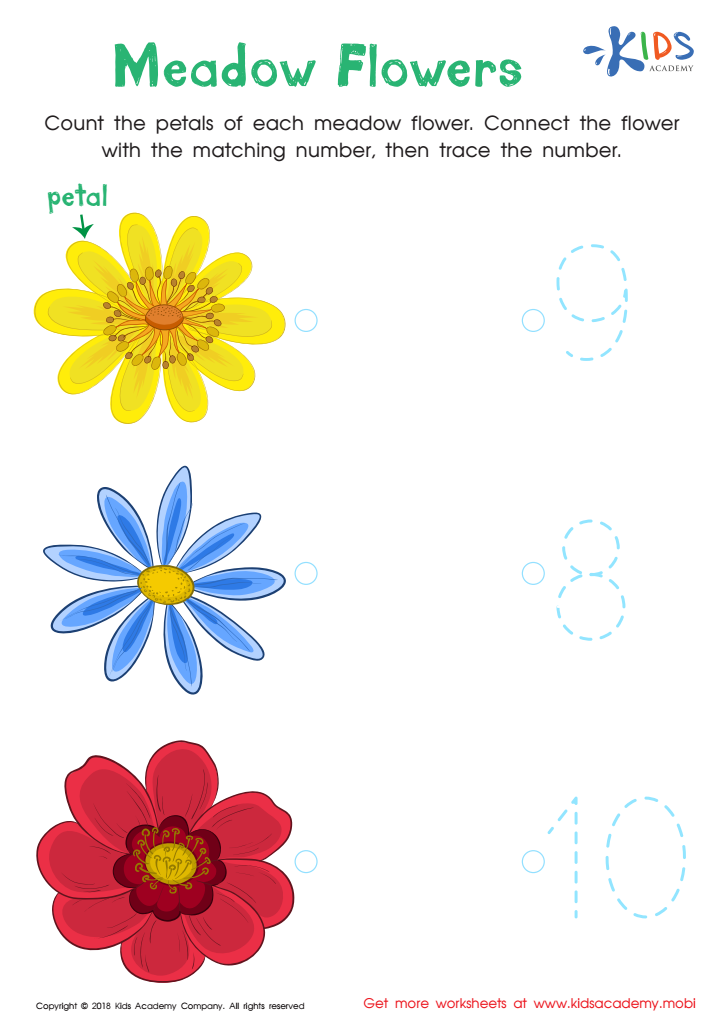
Kindergarten Number Tracing: Medow Flowers Worksheet



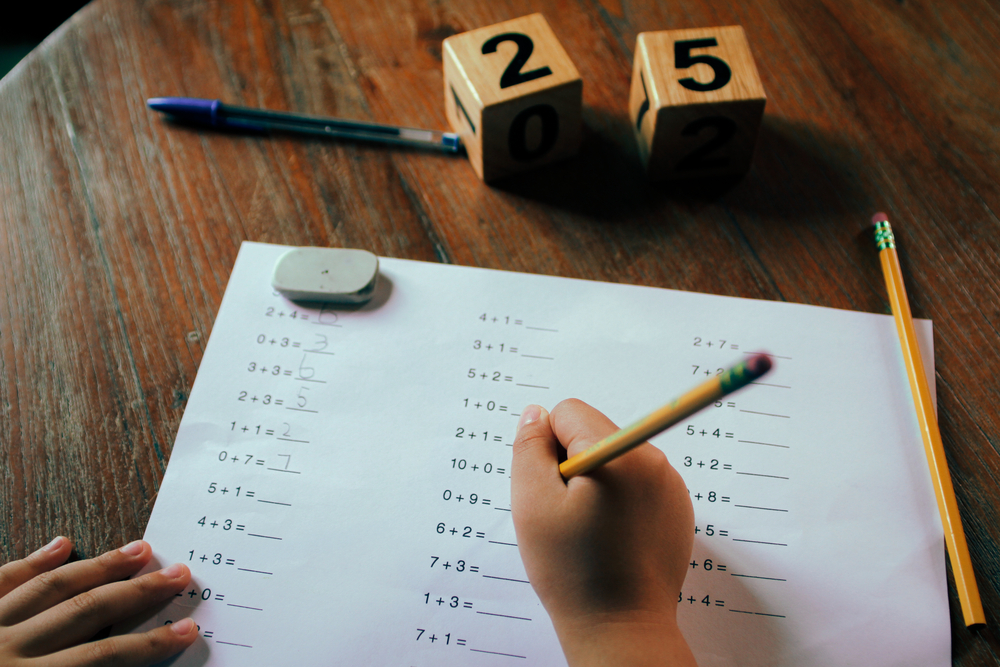




Number recognition is a foundational skill for six-year-old children and is crucial for their overall mathematical development. At this age, children begin to understand basic mathematical concepts, laying the groundwork for more complex skills in the future. Recognizing numbers is not just about identifying digits; it is the first step in understanding quantities, counting, and performing simple arithmetic operations.
Parents and teachers should care about number recognition because it fosters confidence and engagement in mathematics. When children can easily recognize numbers, they become more enthusiastic about learning, which helps create a positive learning environment. This skill also supports their ability to solve everyday problems, such as telling time, measuring ingredients in cooking, or managing money, thereby enhancing their independence.
Moreover, proficient number recognition has been linked to future academic success in mathematics and other related subjects. Educators and parents can utilize games, puzzles, and hands-on activities to make learning fun and effective, ensuring children acquire these essential skills in an enjoyable manner. Investing time in teaching number recognition not only benefits children in their current learning experiences but also supports their long-term cognitive development and future achievements.