Handwriting Skills Normal Math Worksheets for 6-Year-Olds
3 filtered results
-
From - To
Enhance your 6-year-old’s learning experience with our Handwriting Skills Normal Math Worksheets. These educational tools tailored specifically for young learners blend essential math concepts with handwriting practice. From tracing numbers and equations to writing out word problems, our worksheets strengthen fine motor skills while fostering a solid foundation in math. Featuring engaging and age-appropriate activities, these worksheets make learning both fun and effective. Boost your child's confidence and proficiency in math and handwriting by incorporating our expertly designed resources into their daily routine. Discover the perfect blend of learning and handwriting practice today!
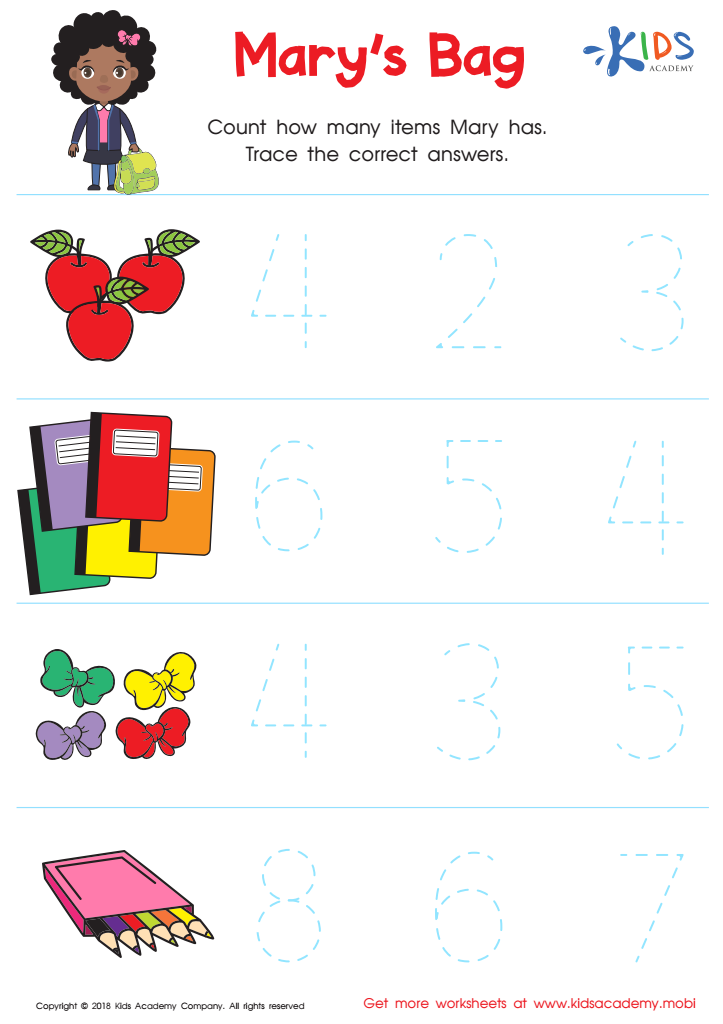
Kindergarten Number Tracing: Mary's Bag Worksheet
 Assign to My Students
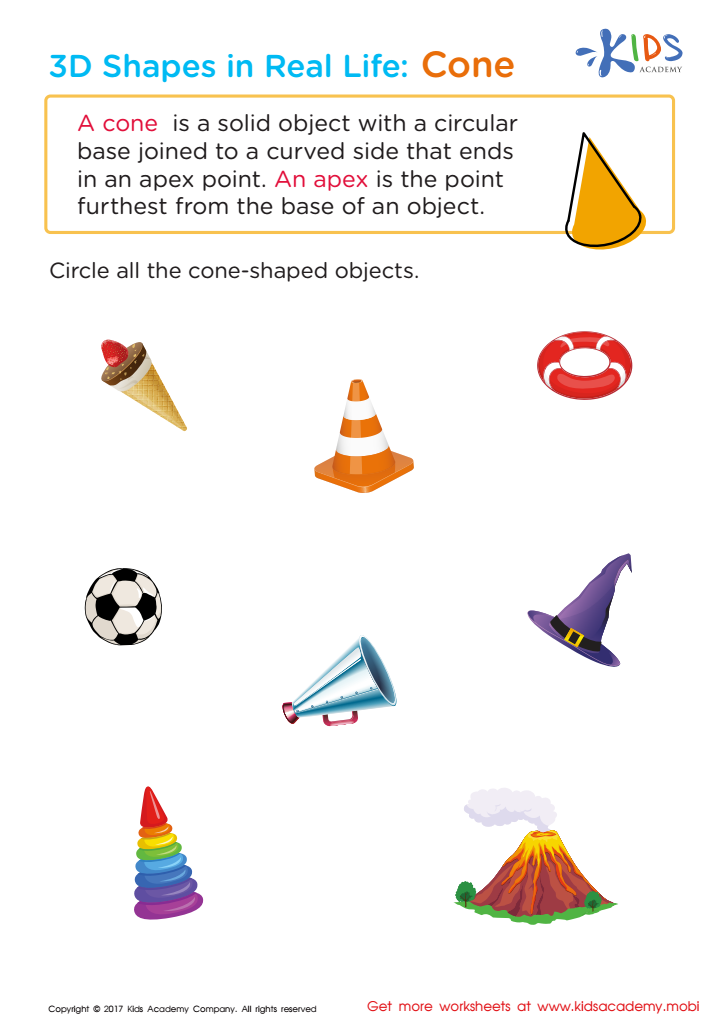
Shapes in Real Life: Cone Worksheet
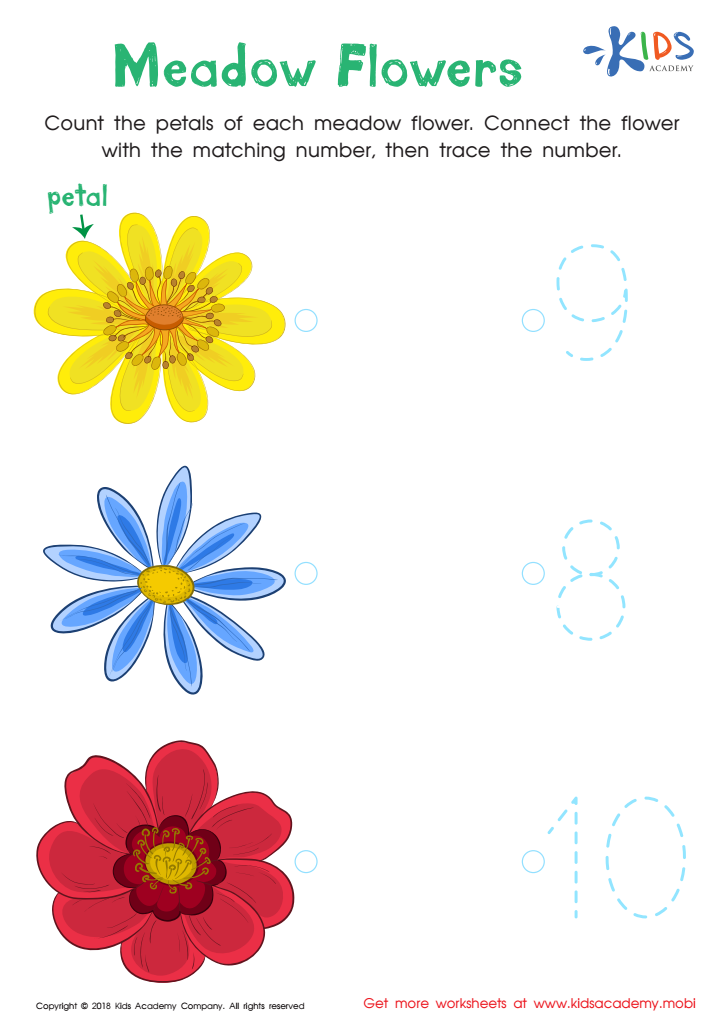
Kindergarten Number Tracing: Medow Flowers Worksheet






Handwriting skills are crucial for 6-year-olds as they form the foundation for effective communication and academic success. At this age, children are rapidly developing fine motor skills and hand-eye coordination, which directly impact their handwriting abilities. Fostering good handwriting can lead to improved literacy, as the act of writing helps reinforce letter recognition, phonemes, and spelling patterns. These skills are foundational for reading and writing proficiency.
Normal math development also relies on the ability to write numbers clearly. For instance, a child who can neatly write the digits 0-9 is better equipped to understand and solve basic math problems. Recognizable digits and mathematical symbols foster clearer thinking and reduce errors in problems like addition or subtraction. Additionally, the physical act of writing math problems aids in the cognitive processing of mathematical concepts.
Furthermore, proficiency in handwriting and math contributes to a child's confidence and independence in school. Children feel a sense of accomplishment when they can express their ideas legibly and solve math problems correctly. Therefore, parents and teachers should prioritize the development of these skills to ensure children build a strong academic foundation, enhancing their overall educational trajectory and self-esteem.








